By Simon Bradley | SOS Communications and Marketing Officer
In many ways the solutions for effective lemur conservation can be straightforward. Leveraging community engagement is paramount – direct dependency on natural resources, such as forest products, is high in Madagascar, especially in the Ambato-Boeny region in north-western Madagascar.
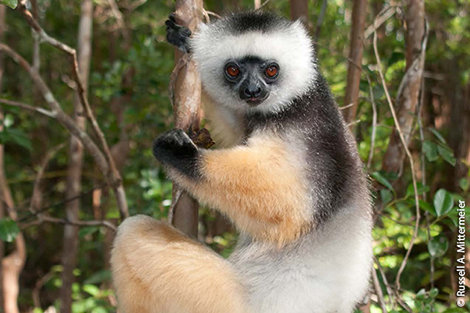
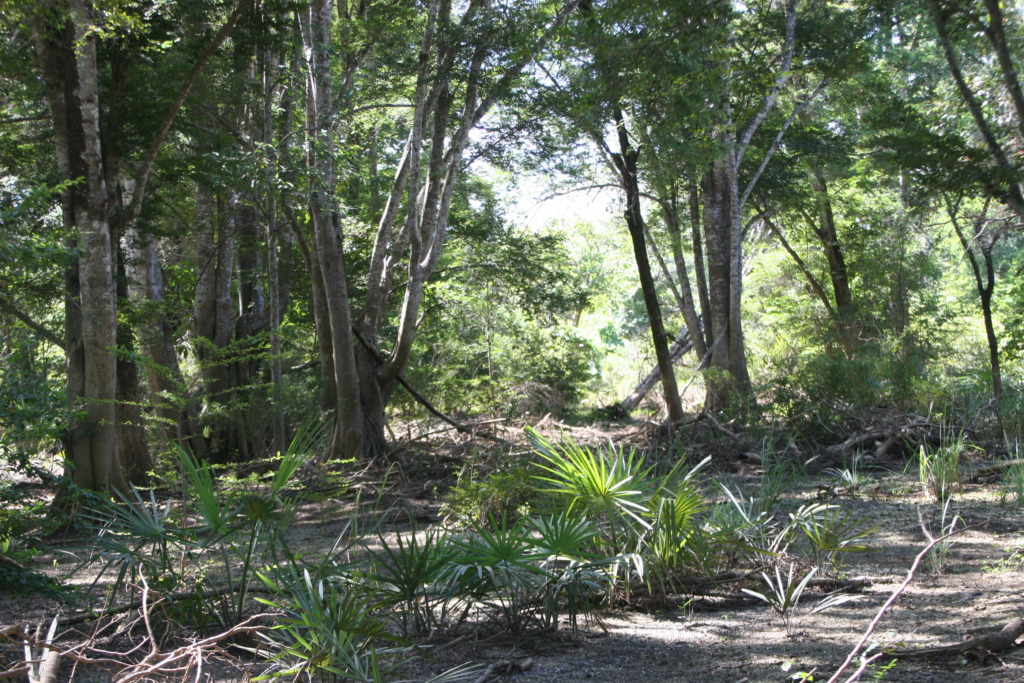
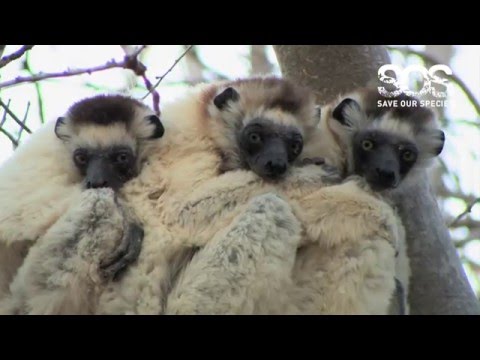
So finding Critically Endangered Mongoose Lemurs (Eulemur mongoz) as well as Endangered Crowned sifaka (Propithecus coronatus) and Vulnerable Red brown lemurs (Eulemur rufus) in unprotected forest habitat in the region in October 2016 was both an exciting and worrying moment for project coordinator Dr. Laingo Rakotonirina, The Aspinall Foundation.
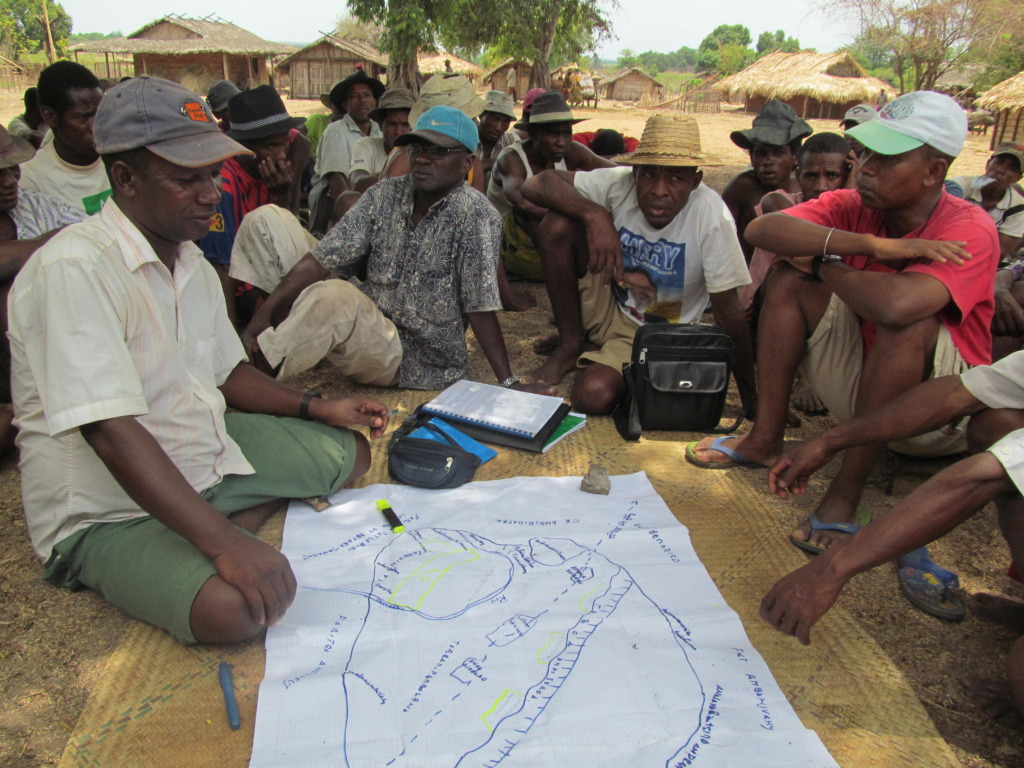
When community leaders reacted positively to the news, Laingo could breathe again, “the future survival of these forests and their lemurs depends on the ways in which local people use them”, he explains. Mongoose lemurs live in remote areas of western central Madagascar, but are threatened by hunting as well as the destruction and fragmentation of the dry forests that once extended widely across the region. Locating forests containing mongoose lemurs has been a project priority.
Thus, news that the leaders were interested to reverse tree loss and reduce hunting pressure in these two forest patches indicated the project’s coordinated approach – reducing human pressure on the forest, stimulating bee-keeping and educating the community through its children - was delivering the desired results.
In addressing forest use for example, a bee-keeping micro-project is eliminating the need for local people to fell large forest trees to collect wild honey. In May, the project sourced and donated forty locally built bee-hives to the Lovasoa community association in Ambato-Boeny in addition to training 35 of their members in bee-keeping techniques. In the past large trees have been felled in surrounding forests to allow honey to be collected from nests located high in the canopy, explains Laingo. The comprehensive and in-depth training was provided by the Malagasy bee-keeping association, FIMPITA and lasted 16 days. The hives were distributed across the four villages that participate in the Lovasoa association, and crucially, the members who received the training will be able to train other members in the future.
Between June and July, Laingo and his team also coordinated the production and distribution of 1,500 school writing books, 135 calendars and 140 posters, featuring local lemurs and information about forest conservation. Education sessions at two local schools covered lemur-related topics, their roles in forests, forest resources, photosynthesis, and the water cycle. The field-trips brought it all to life: forty-three secondary school students, and six teachers, were then given the opportunity to enjoy a visit to the nearby Ankarafantsika National Park.
Assisted by local guides they explored the park’s paths, encountering its wildlife including several lemur species. Back at school the excitement was palpable: everyone recommended such field-trips should become a regular event! “We hoped they would spread their new-found passion for lemur conservation to their friends and families, so that is why the positive developments in October were so profound”, elaborates Laingo.
Since then weekly monitoring of the newly-discovered lemur groups has been initiated, and discussions are ongoing as to the most sustainable way of ensuring the lemurs and their forests are protected for generations to come.
This is just one of 109 conservation projects supported by IUCN’s SOS – Save Our Species. With your valuable support we can continue to raise awareness that grassroots conservation action works – helping communities and wildlife. Please share this story clicking on the social media buttons above.
Links:
Project reports on GlobalGiving are posted directly to globalgiving.org by Project Leaders as they are completed, generally every 3-4 months. To protect the integrity of these documents, GlobalGiving does not alter them; therefore you may find some language or formatting issues.
If you donate to this project or have donated to this project, you can receive an email when this project posts a report. You can also subscribe for reports without donating.