By Simon Bradley | Communications and Marketing Officer
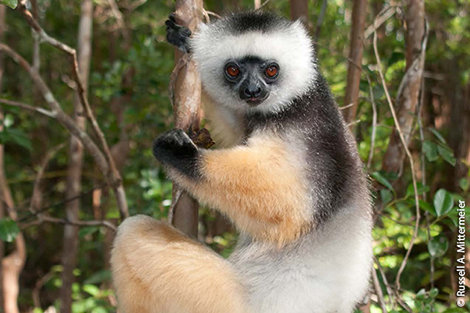
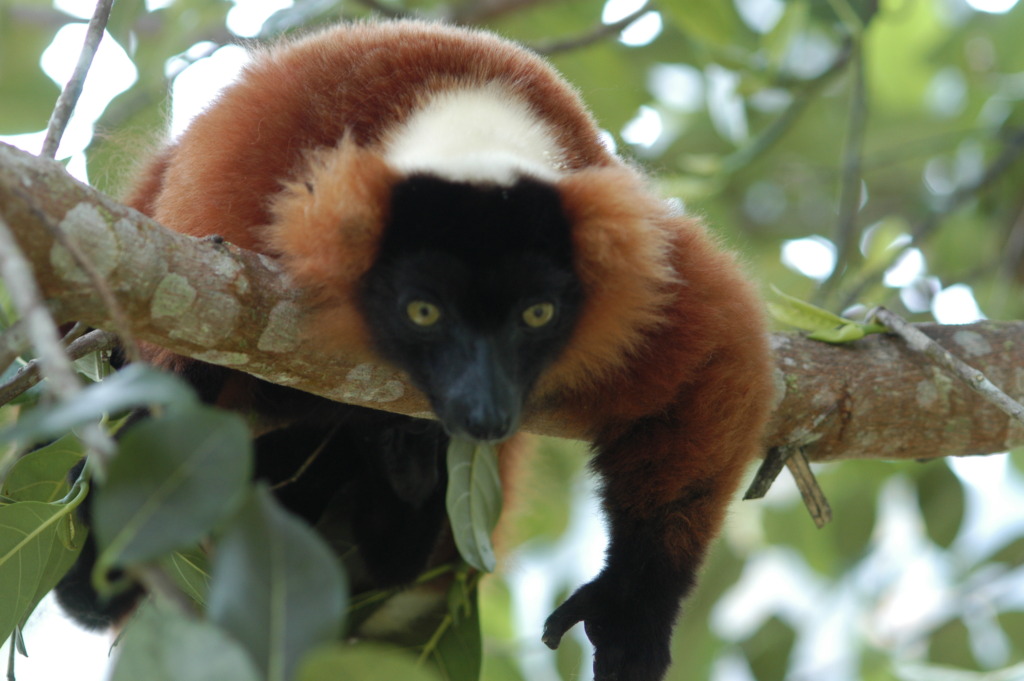
Did you know every two years primate biologists publish a list of the top 25 most threatened primates on the planet? Each year it changes but for those that follow each year's list, they will also see some familiar names. This year's list features 2 lemur species which SOS is helping protect. But much more needs to be done- nearly all the approximately 100 species of lemurs are threatened by extinction. Lemurs only live in the wild on Madagascar.
The report, which is updated every two years, highlights the plight of 25 species including the Hainan gibbon (Nomascus hainanus), of which there are thought to be just 25 individuals left in the wild, and the Northern sportive lemurs (Lepilemur septentrionalis) of which just around 50 remain in their native Madagascar. This year new additions to the list include Philippine tarsier (Tarsius syrichta) and Lavasoa Mountains dwarf lemur (Cheirogaleus lavasoensis), both of which are threatened by habitat loss.
In general, the main threats to primates are habitat destruction, particularly from the burning and clearing of tropical forests – which results in the release of greenhouse gases causing climate change – the hunting of primates for food, and the illegal wildlife trade. Locally implemented projects to protect the Northern sportive lemur and Alaotra gentle lemur were announced in October by SOS – Save Our Species as part of SOS Lemurs, yet much remains to be done for other species of lemurs, and primates in general.
Remember this list is the TOP 25 - many many more species of primates are threatened with extinction - this list is not suggesting those animals are safer than these. Instead it is intended to highlight the plight of some lesser known but equally amazing species of primates.
The list, which has been drawn up by primatologists working in the field who have first-hand knowledge of the causes of threats to primates, includes five primate species from Madagascar, five from Africa, 10 from Asia, and five from Central and South America, all of which are in need of most urgent conservation action.
“The purpose of our Top 25 list is to highlight those primates most at risk, to attract the attention of the public, to stimulate national governments to do more, and especially to find the resources to implement desperately needed conservation measures,” says Dr Russell Mittermeier, Chair of the IUCN/SSC Primate Specialist Group and Executive Vice Chair of Conservation International.
“What is more, beyond the great scientific interest of primates, there is increasing evidence that certain species may play a key role in dispersing the seeds of tropical forest tree species that have a critically important role in mitigating climate change - a particularly noteworthy consideration given the climate chance conference, COP21, in Paris.
However, it also demonstrates the growing importance of collaboration between the international conservation, research and other communities in the protection of species and habitats.
Links:
Project reports on GlobalGiving are posted directly to globalgiving.org by Project Leaders as they are completed, generally every 3-4 months. To protect the integrity of these documents, GlobalGiving does not alter them; therefore you may find some language or formatting issues.
If you donate to this project or have donated to this project, you can receive an email when this project posts a report. You can also subscribe for reports without donating.