By Alie Eleveld | Technical Advisor
Background Information
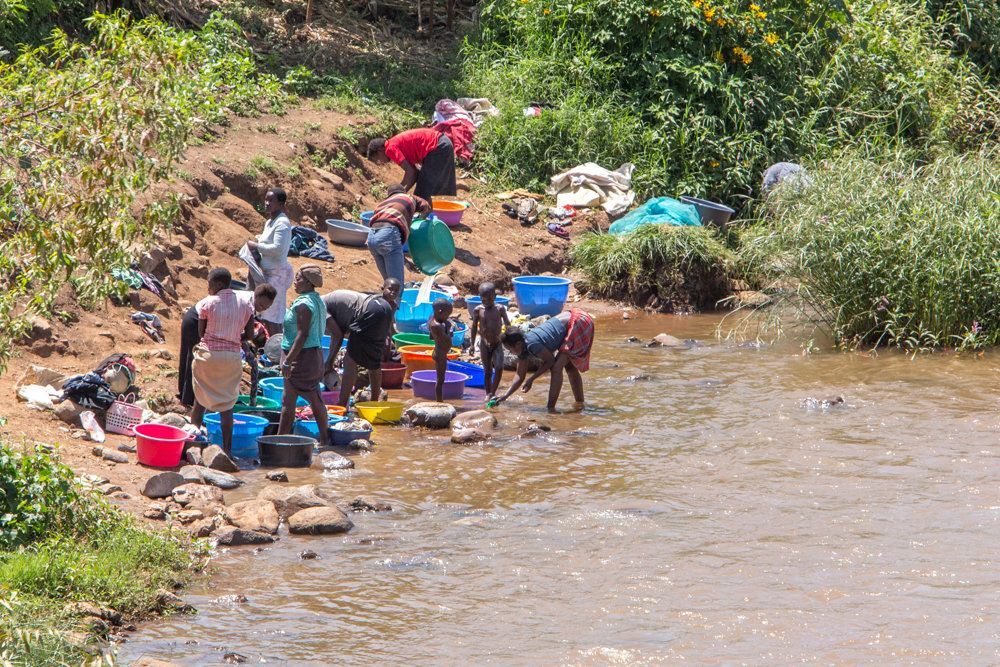
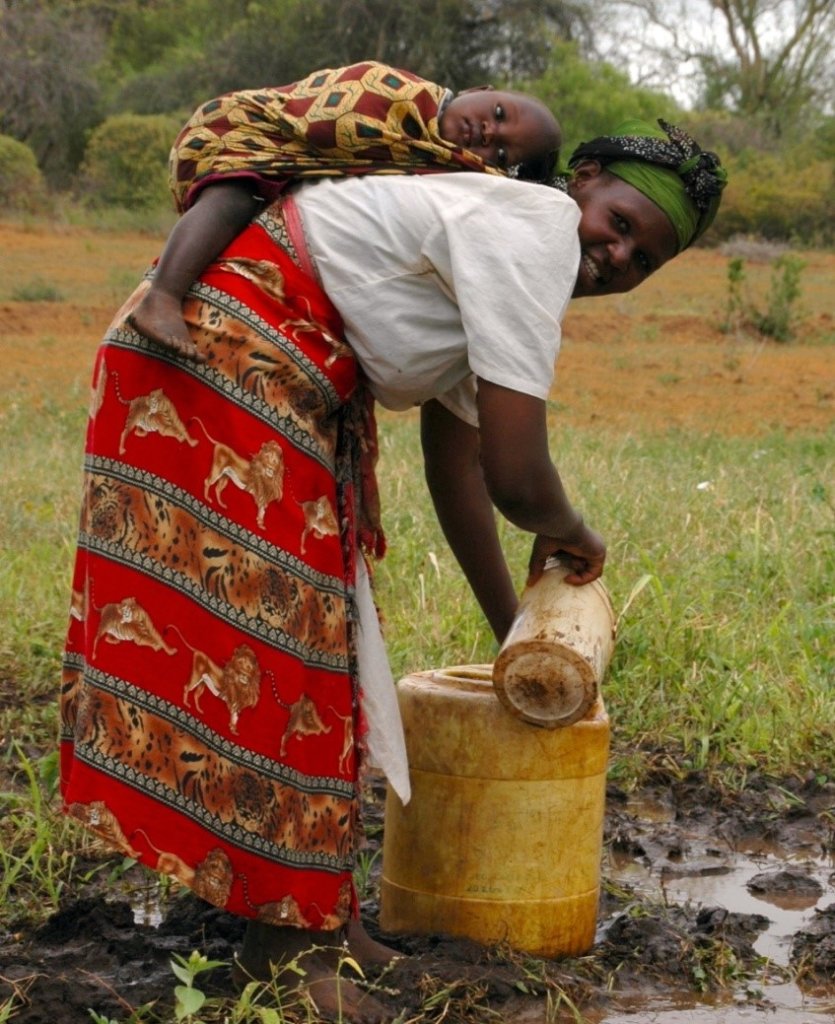
Sondu Water Enterprise is located at Sondu in Kisumu County, bordering Kericho, Nyamira and Homabay Counties in Western Kenya. The population residing in Sondu largely depend on the river source water for domestic use, which is highly turbid and contaminated. The river traverses three counties thus increasing contamination along its channel before emptying into Lake Victoria. Laboratory tests on microbiological quality have revealed that the source has high coliform count and fecal contamination.
There is a piped water scheme in the area which is not reliable and the supply is intermittent. Occasionally, the electricity supply is disconnected due to failure in settlement of the bills and due to drought there has been frequent rationing of water supply.
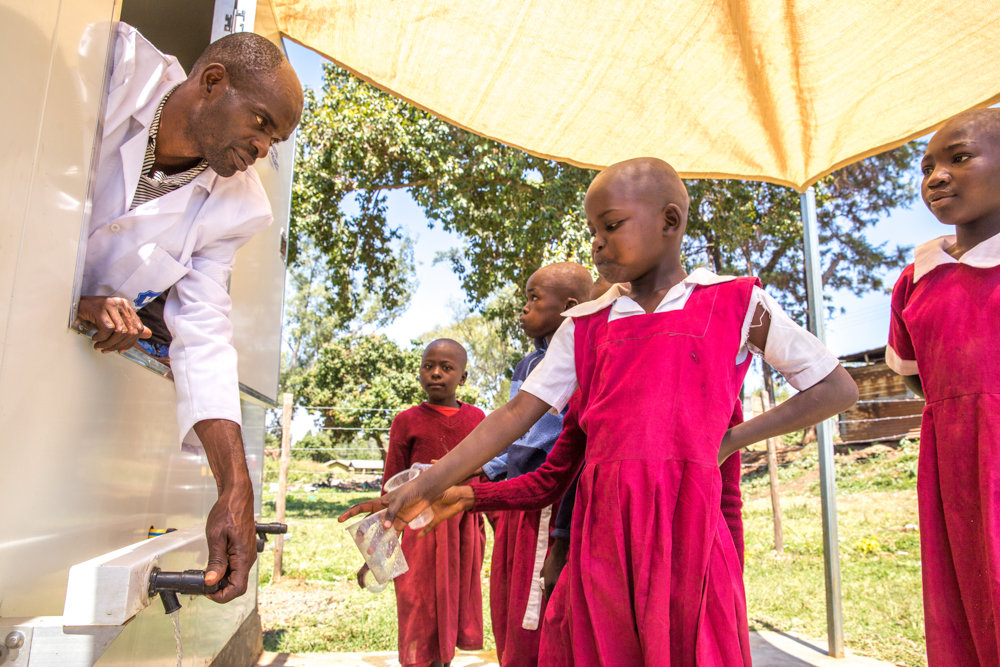
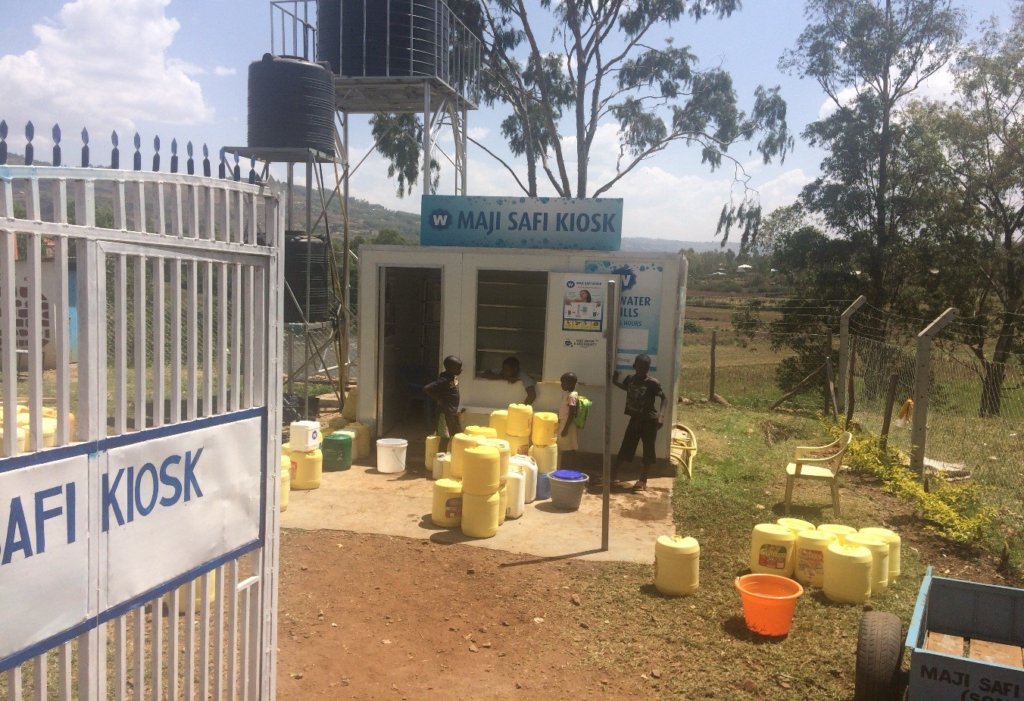
The Sondu Water Enterprise was launched in July 2016. This was a collaborative initiative between Skyjuice Foundation (Australia) and Siemens Stiftung (Germany) in partnership with SWAP. Through this intervention the surrounding community members now have access to safe water, which has significantly reduced waterborne diseases such as diarrhea, cholera, typhoid and amoeba and as such reduced morbidity and mortality especially in children under five.
The Solution
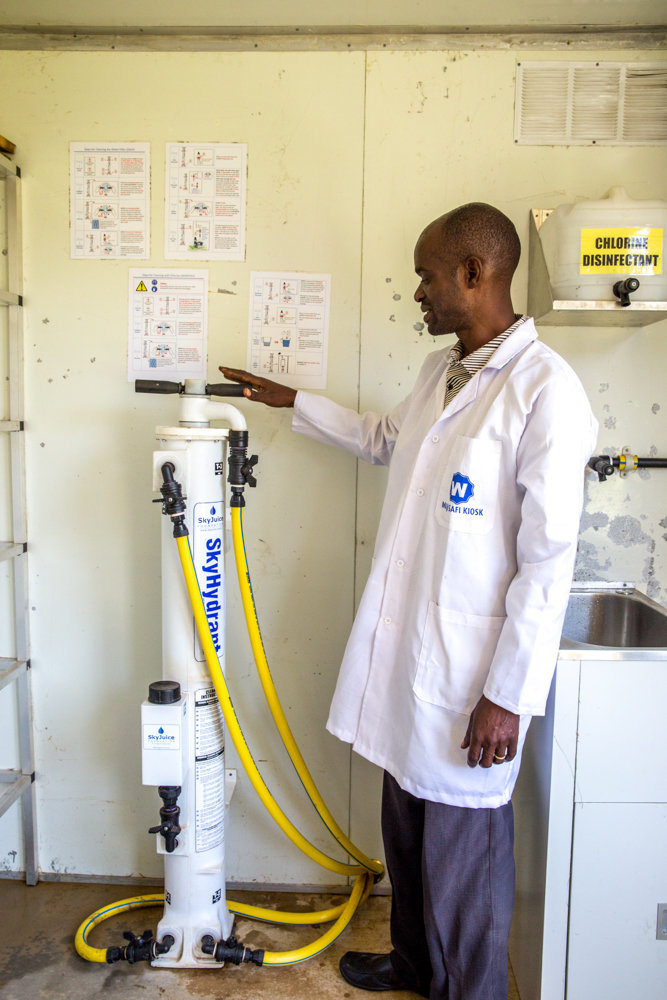
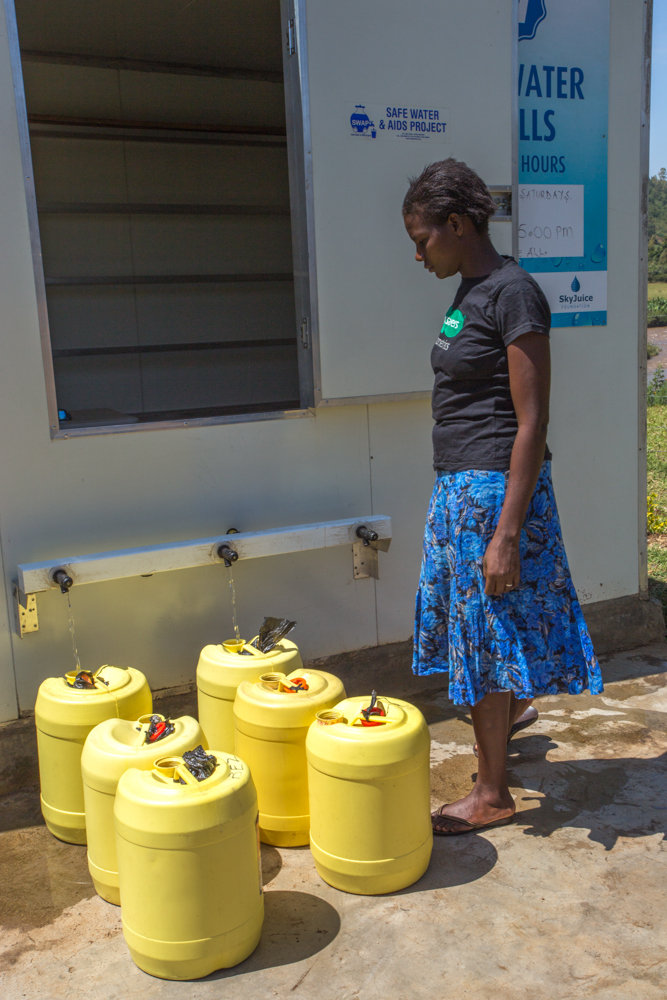
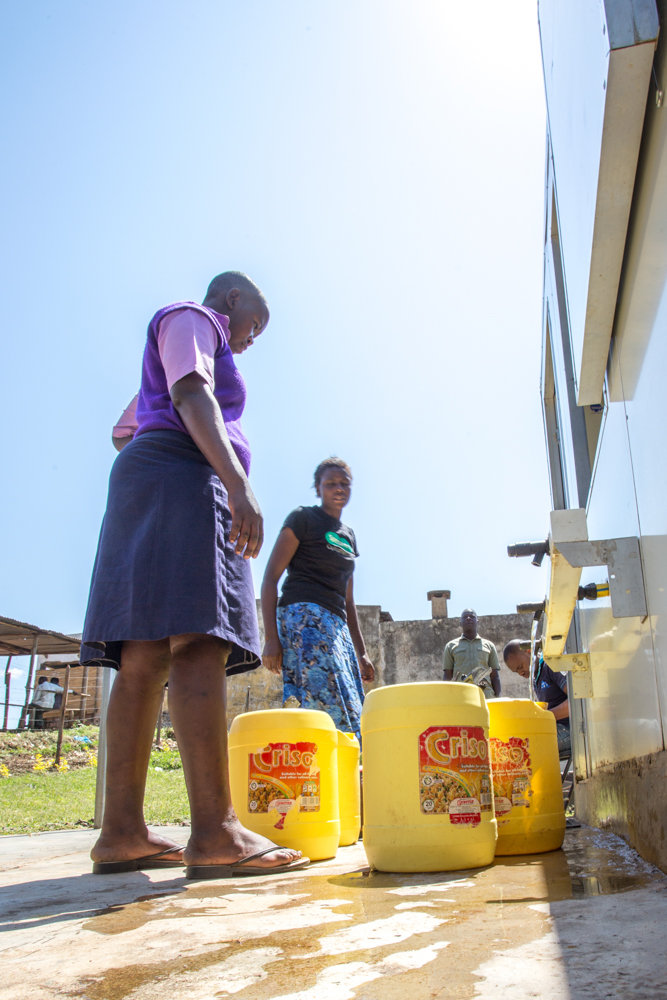
The technology is Skyhydrant Filtration. Raw water is pumped from the river and collected in a water tank after which it is filtered through the membranes of the skyhydrant filtration unit. It is then channeled to outlets and sold to the communities at an affordable rate.
Beneficiaries of the Sondu Water Enterprise
Recent Achievements and Partnerships
SWAP hired a new Water Operator who was selected by the Water Kiosk Committee. She started her contract in March 2018 after the previous water operator resigned. There is still demand from the community who have seen the benefits and health impact of the Sondu Water Enterprise.
A water kiosk committee was established in March 2018 comprising of 9 members to enhance ownership of the Water Enterprise. They were trained by Siemens and their role is to offer security, technical support and to help mobilize communities to utilize the services.
Kenya Integrated Water, Sanitation and Hygiene -KIWASH – is a USAID funded program which has offered support Sondu water enterprise. After training of the water operator and water kiosk committee members, they now offer monthly monitoring on how sales records are kept and on the job training and mentoring.
Siemens who provided seed funds and technical support during the initial start-up of the Sondu Water Enterprise financially supported training facilitated by Kenya Water for Health Organization in April 2018 of 35 Community Health Volunteers who are engaged to visit households, schools and clinics around the Sondu Water Enterprise for social marketing and hygiene promotion. The objective is for them to increase awareness about the Sondu Water Enterprise and to provide health education including demonstrations on hand washing. Reaching the community members will reduce preventable diarrheal illness which is still one of the main causes of morbidity and mortality. It will further increase use of the Sondu Water Enterprise, with increased income and potential sustainability.
Siemens further in April 2018 financially supported the training of teachers at 5 surrounding primary schools, who were using other sources of water. The training was facilitated by KWAHO and SWAP did water testing of the school water sources. The outcome of these tests was that the water was not suitable for human consumptions, containing pathogens such as E Coli and Coliform.
On 11th May, the new Executive Director of KWAHO paid a visit to the water kiosk and SWAP lab. KWAHO has requested SWAP to test 5 water samples where the current intervention to market the water kiosk is ongoing.
The cost of pumping water from the river using a fuel generator remained high. For that reason we opted to have electricity connected. This was successfully done in May 2018. Siemens will provide an electrical pump, but is waiting for the water levels to come down in order to permanently place a pump at the river side.
Challenges
Kenya the past few months experienced excessive rainfall with many rivers bursting its banks and flooding as a results. This has caused a lot of communities to evacuate their houses and stay at improvised camps. Houses and crops have been destroyed and an increase in water borne diseases due to overflow of toilets and families living in shelters without sanitary facilities.
This has also reduced the sales and operations at the Sondu Water Enterprise. Many families opt to use rain water during the rainy season, since it is free.
The Sondu Water Enterprise is not yet fully sustainable, especially during rainy season, because of low sales and low income as a result. However with the increased mobilization and training and the rainy season nearly ending, we are hopeful and believe that the center has the potential to be sustainable. We have increased partnerships all providing support and worked on community ownership through the establishment of the Water Kiosk Committee.
Why we still need your support
Operational costs
- Salary support for the Water Operator
- Casual Hire of grounds men
- Water testing, Bacteriological and Full Chemical Tests
- Monthly Monitoring Costs / transport
- Maintenance
- Cleaning materials
Other costs:
- Marketing materials
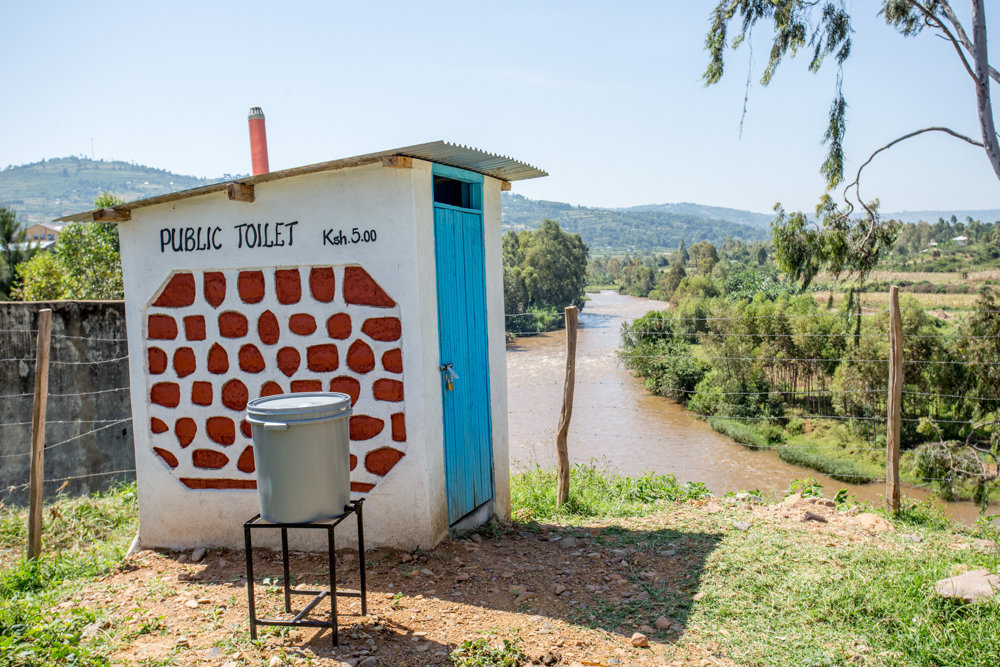
- Hand washing stations
- Security lights
- Bicycle for the new water operator
- Refresher trainings
- Community and stakeholders meetings
- Protective gear (gum boots, gown, gloves)
- Annual business permits
Way forward
Project reports on GlobalGiving are posted directly to globalgiving.org by Project Leaders as they are completed, generally every 3-4 months. To protect the integrity of these documents, GlobalGiving does not alter them; therefore you may find some language or formatting issues.
If you donate to this project or have donated to this project, you can receive an email when this project posts a report. You can also subscribe for reports without donating.