By Mohsin Arif | Project Leader
Solar Lights, Brighter Dreams: Bringing Light to 500 Rural Families
Project Summary
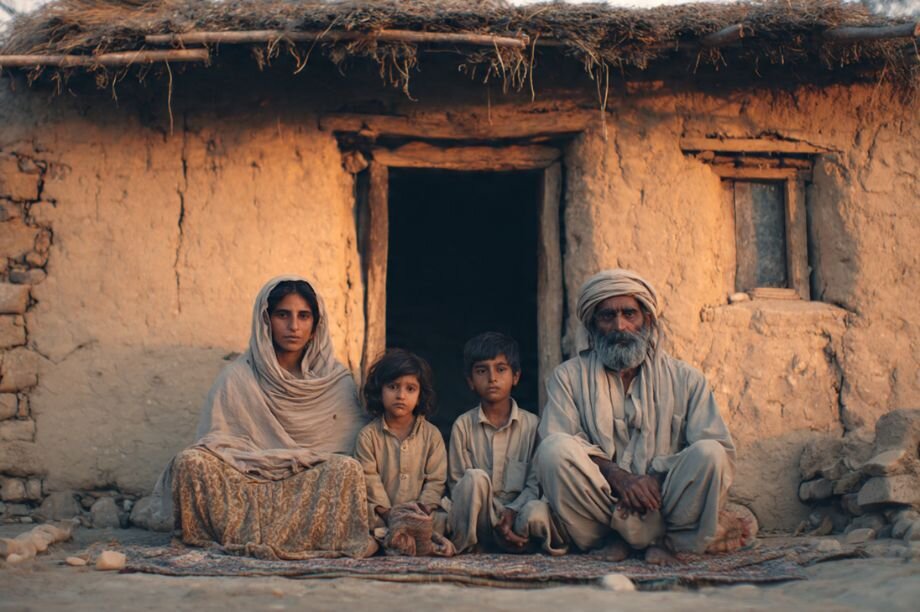
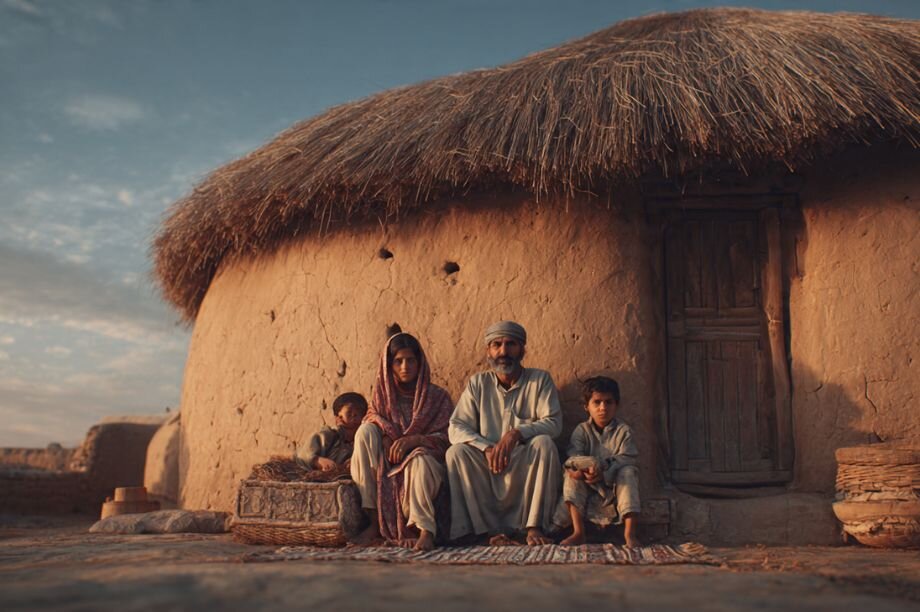
For many families living in rural Pakistan, the day ends when the sun goes down. Without reliable electricity, children struggle to study, families have difficulty carrying out evening activities, and households may depend on candles or kerosene lamps for basic lighting.
Moses Welfare Foundation is working to bring a simple, sustainable solution to 500 vulnerable families: solar-powered lighting.
Each family will receive a solar light that provides dependable illumination and can also charge basic mobile devices, depending on the system provided. Families will receive simple guidance on how to use and care for the lights so they can continue benefiting from them over time.
A solar light can change an ordinary evening. It can give a child the opportunity to finish homework, help a family carry out household activities safely, and provide a cleaner alternative to traditional lighting.
This project is about bringing light into homes and creating more opportunities for families to learn, work, and build brighter futures.
The Challenge
In underserved rural communities, many families have limited or unreliable access to electricity.
When darkness falls, children may be unable to study properly, while parents face difficulties completing household or income-generating activities. Families with limited financial resources may also have to spend money on candles, kerosene, batteries, or other sources of lighting.
Traditional fuel-based lamps can produce smoke and contribute to poor indoor air quality. Inadequate lighting can also make movement and household activities more difficult after sunset.
For families already facing economic hardship, access to a safe and reliable source of light can make a meaningful difference in everyday life.
Our Solution
Moses Welfare Foundation will provide solar-powered lights to 500 vulnerable families living in rural and underserved communities.
The project will:
The Difference a Light Can Make
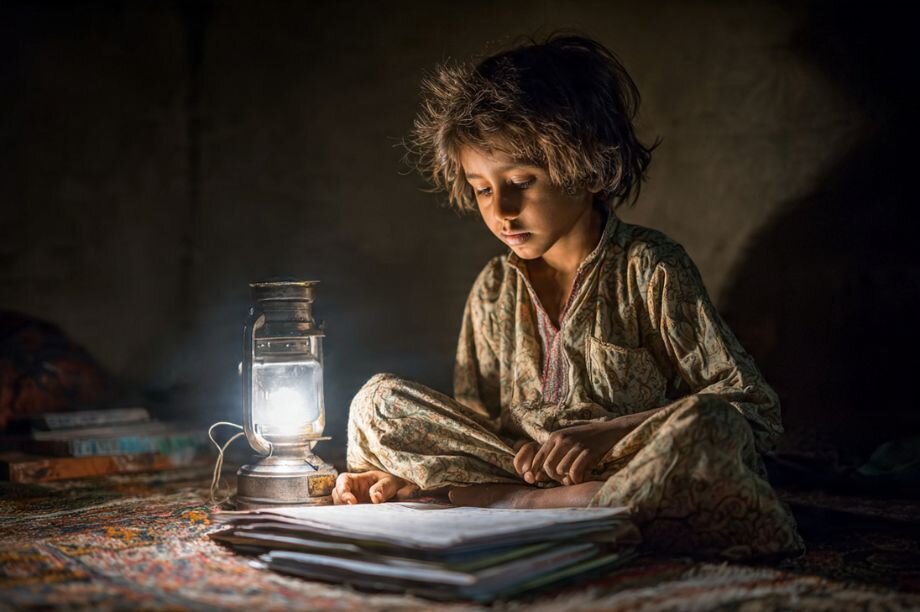
For a child, a solar light can mean having enough light to read a schoolbook after sunset.
For a mother, it can make evening household activities easier.
For a family, it can provide reliable illumination without depending entirely on purchased fuel.
For a community, it can introduce a practical renewable-energy solution where conventional electricity is difficult to access.
The project therefore goes beyond providing a light. It creates an opportunity for families to use their evenings more safely and productively.
Who Will Benefit
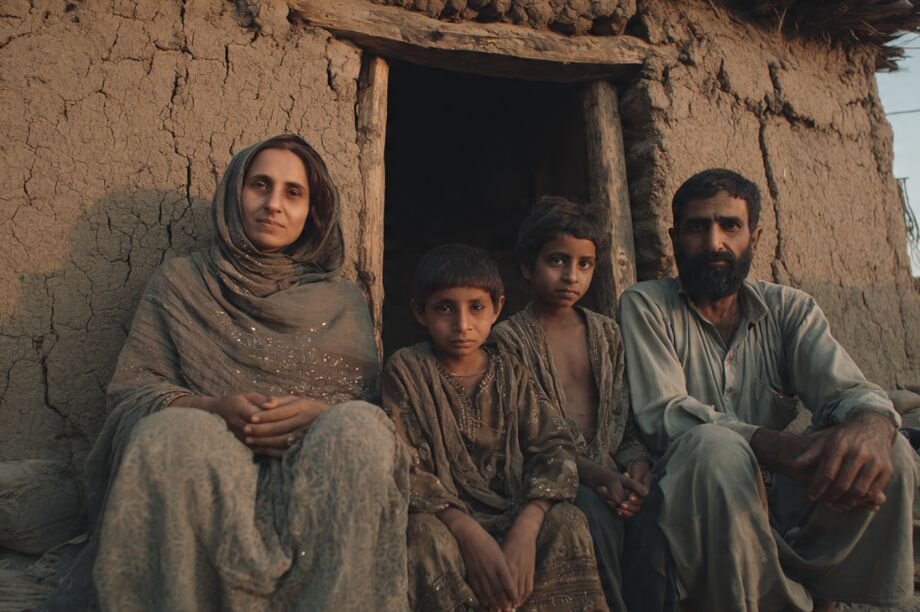
The project aims to reach 500 vulnerable families in rural and underserved communities in Pakistan.
Beneficiary selection will consider household vulnerability, economic circumstances, access to electricity, and local community needs.
Particular consideration may be given to households with school-age children and families facing significant economic hardship.
Expected Impact
Education
Children will have improved opportunities to read, complete homework, and continue learning after sunset.
Household Safety
Better lighting can improve visibility inside homes and support safer evening activities.
Health and Well-Being
Reducing reliance on smoky fuel-based lighting can contribute to a cleaner indoor environment.
Household Savings
Families may reduce some recurring expenses associated with candles, kerosene, batteries, or other traditional lighting sources.
Clean Energy
Solar lighting provides a renewable source of energy and introduces vulnerable households to practical clean-energy technology.
Community Empowerment
Families will receive basic information about the proper use and maintenance of their solar lights, supporting continued use of the equipment.
Project Progress
The project has already received $352 in support from 3 donors toward the $5,000 project goal.
The most recent contribution was received in April 2026.
This initial support has helped move the project forward, but additional funding is needed to continue expanding the initiative and work toward reaching all 500 targeted families.
Sustainability
Solar lighting can provide families with an ongoing source of illumination without requiring regular purchases of lighting fuel.
Families will be given basic instructions on proper use, charging, storage, and maintenance. This will help beneficiaries protect their equipment and maximize its useful life.
The project also promotes awareness of renewable energy as a practical option for communities with limited access to conventional electricity.
Monitoring and Accountability
Moses Welfare Foundation will maintain appropriate records throughout implementation, including:
Monitoring will help ensure that the project reaches the intended families and that the solar lights are being used appropriately.
A Brighter Future Begins with Light
When a home has no reliable electricity, darkness can limit a child's education, a family's activities, and opportunities for a better future.
A solar light offers a simple way to change that.
Our goal is to bring clean, reliable lighting to 500 rural families and help turn evenings into opportunities for learning, safety, and connection.
500 families.
500 homes.
A brighter evening and a brighter dream for every family.
By Mohsin Arif | Project Leader
Project reports on GlobalGiving are posted directly to globalgiving.org by Project Leaders as they are completed, generally every 3-4 months. To protect the integrity of these documents, GlobalGiving does not alter them; therefore you may find some language or formatting issues.
If you donate to this project or have donated to this project, you can receive an email when this project posts a report. You can also subscribe for reports without donating.



Support this important cause by creating a personalized fundraising page.
Start a Fundraiser