By Iestyn Thomas | CEO & Founder
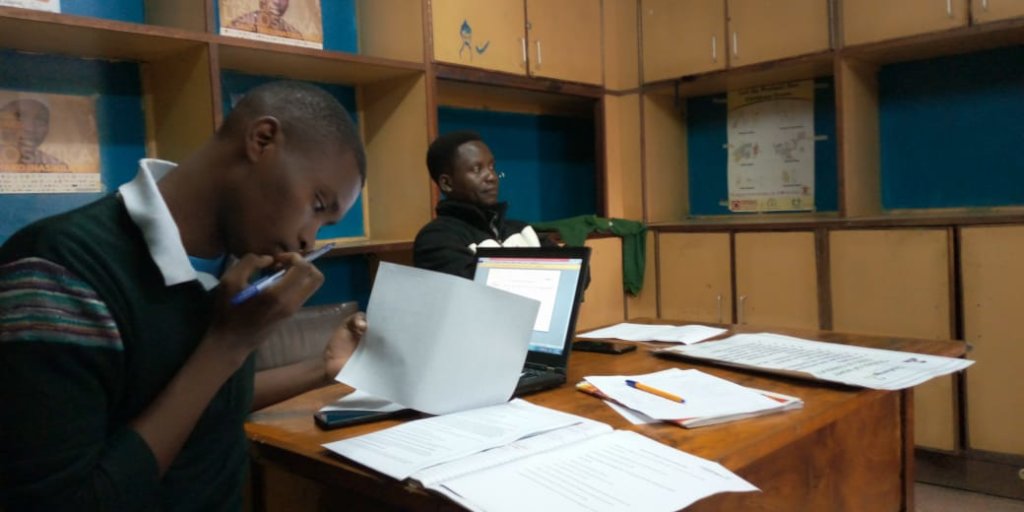
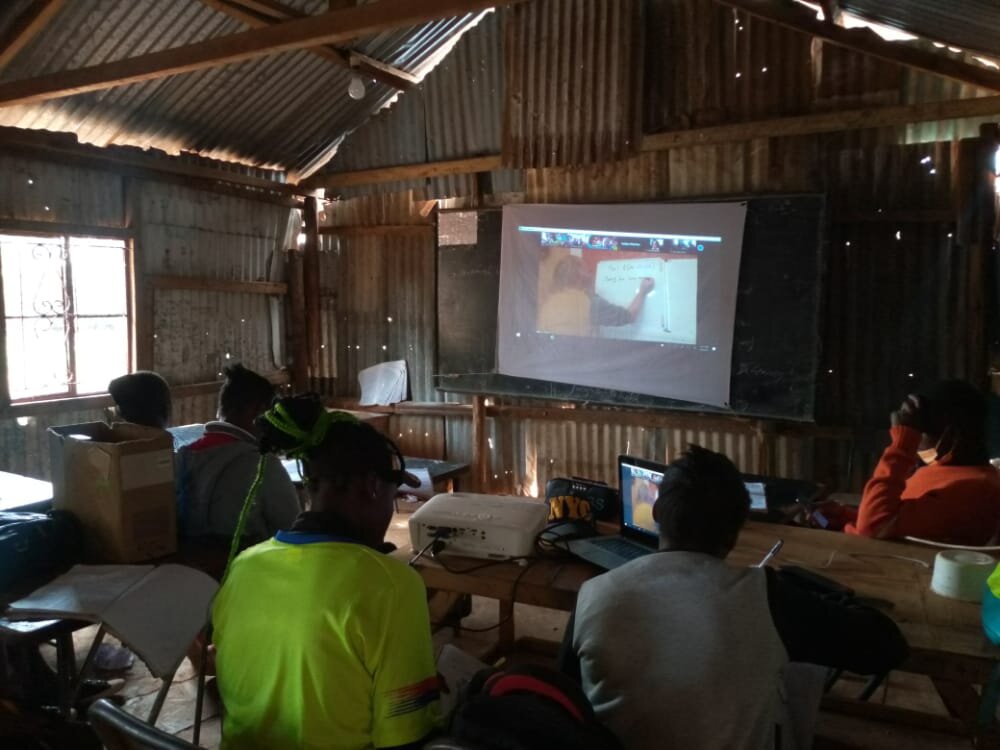
At the start of Covid, ChallengeAid through its partner ChallengeAid Africa linked with 6 Schools of Hope by zoom and started delivering lessons to students in Physics, Chemistry, Biology, Maths and English with the aim was to assist those students to boost their academic performance through e-learning taught by teachers from the UK but conversant with the Kenyan syllabus.
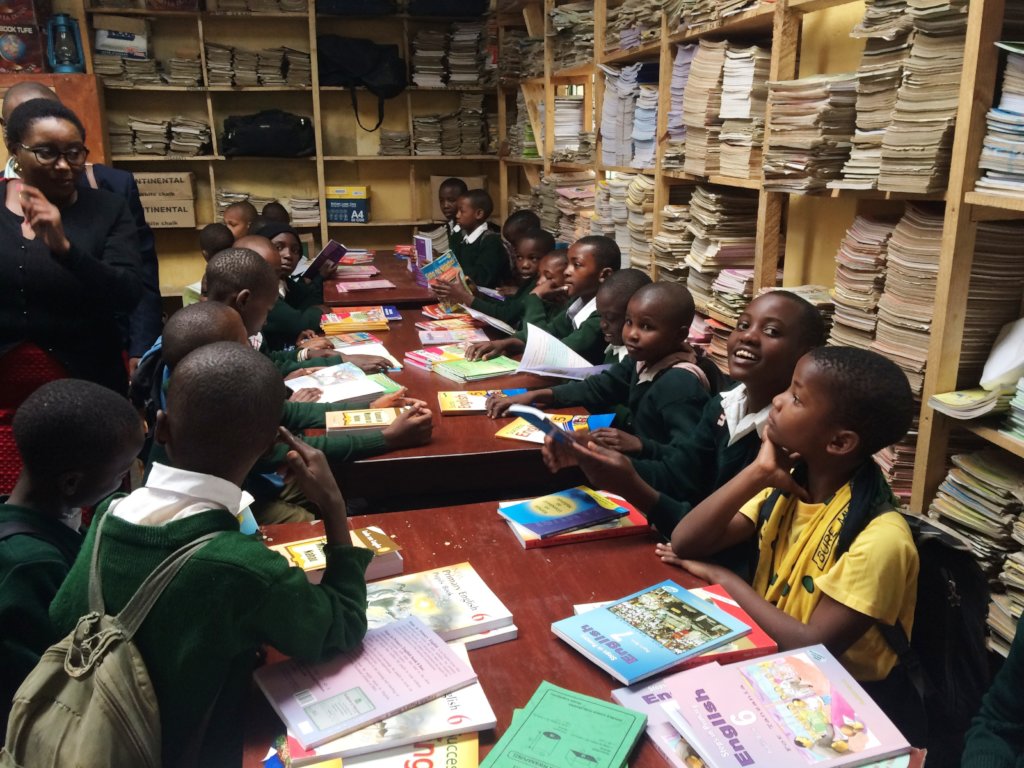
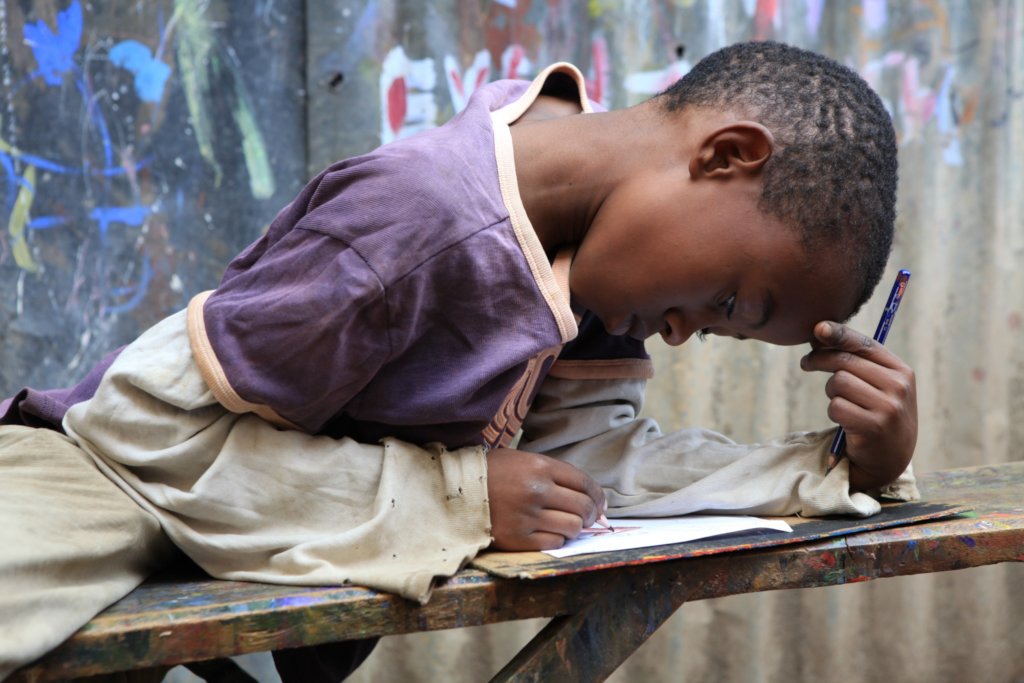
The zoom sessions and increased interaction with their teachers led to a change of attitude towards Mathematics, the Sciences and English and has led to vastly improved academic performances to such an extent that over half of our secondary students are now either gaining entry to University or vocational courses in College and many others achieving full-time employment opportunities allowing them to escape from the lifetime of poverty into which they seemed to be trapped.
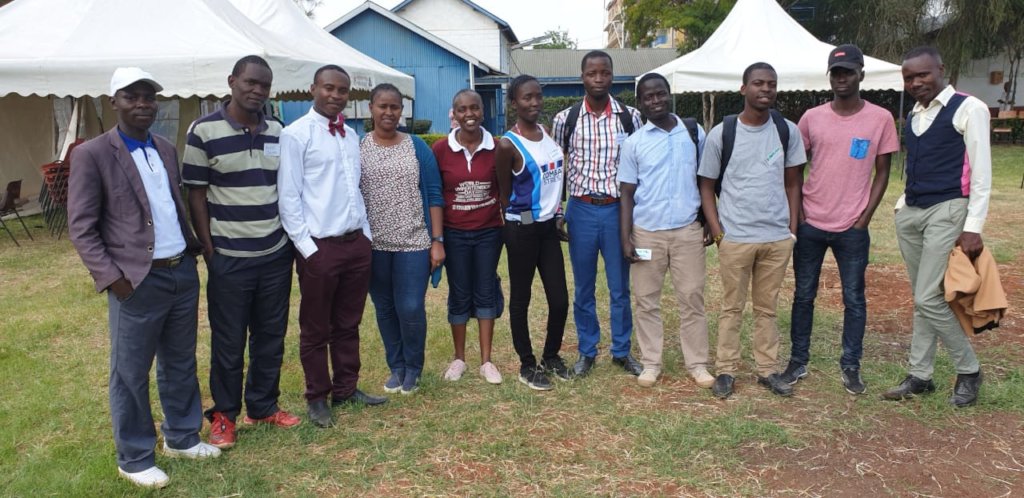
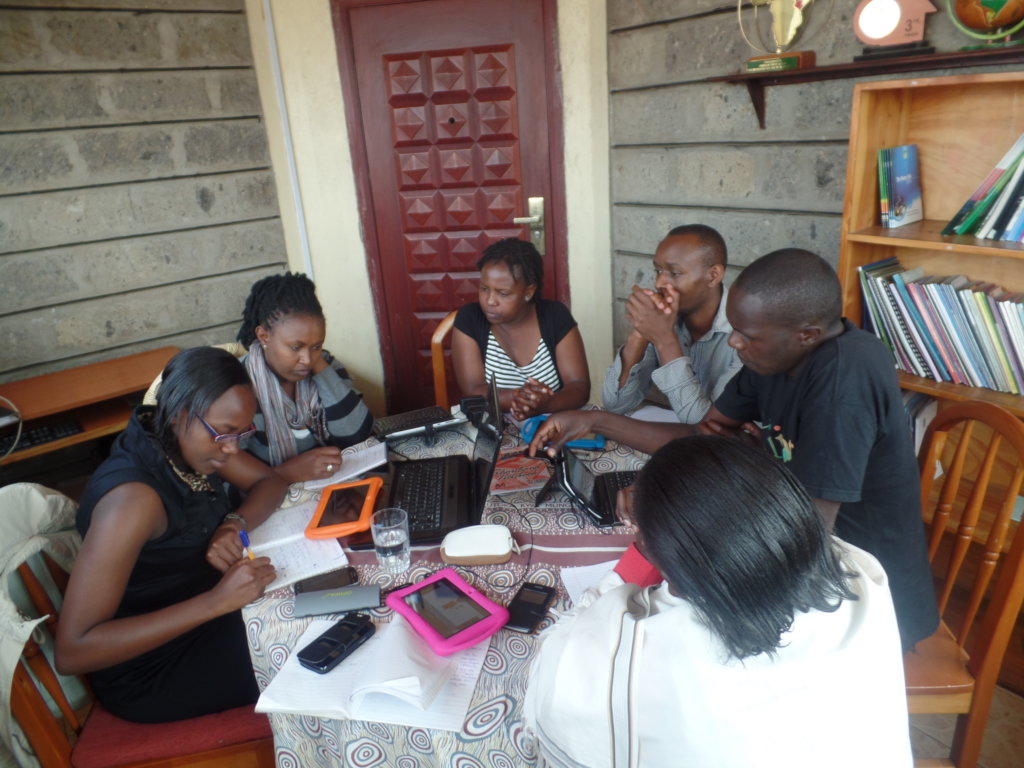
Due to the outstanding results, we have received from our Schools of Hope (SoH), we are broadening our approach. We have now signed a Memorandum of Understanding with the Association of Informal Schools of Kenya and we have started to conduct Inset courses at weekends for those English, Maths and Science teachers who tend to be poorly trained, poorly paid and who consequently at times can lack motivation so that they can be upskilled by our volunteer teaching team in the UK.
Starting with 2 Schools of Hope we will build up to eventually to 6 SoH each with 30 teachers attending the session.This will total the training of 180 SoH and Informal teachers coming in from all different areas of Kenya but essentially Nairobi. This teaching approach will go into the 6 SoH which will have been chosen because of their excellent WiFi connectivity and relatively secure electrical connection so that the inset training can do done by zoom.
Each SoH will eventually be fitted with a printer, projector and screen with ChallengeAid Africa staff in each centre being connected to the UK. Our teachers in the UK have been teaching the Kenyan Syllabus for over 3 years now and are qualified as inspectors and in the teaching of teachers. The informal teachers will be made aware of all the best teaching aids that are available with all the up-to-date publications from the Kenyan Government such as changes in syllabus, most recent exam questions and model answers.
This pilot project will also research which areas the teachers feel less comfortable in teaching so that they can be rehearsed and practiced. Each subject inset will take place over 4 hours on a Saturday and should lead to the cascading down of information and expertise into the classrooms of the informal schools. In many informal schools the teaching ratios are appalling with numbers in some cases reaching up to 100 in a class. The truly positive aspect of this approach will be that this change in strategy will possibly affect the educational outcomes of anything up to 180 teachers x 100 pupils = 18,000 children just in one lesson. That of course can be multiplied by the 5 different subject area !
Project reports on GlobalGiving are posted directly to globalgiving.org by Project Leaders as they are completed, generally every 3-4 months. To protect the integrity of these documents, GlobalGiving does not alter them; therefore you may find some language or formatting issues.
If you donate to this project or have donated to this project, you can receive an email when this project posts a report. You can also subscribe for reports without donating.