By Myron Eshowsky | co-director
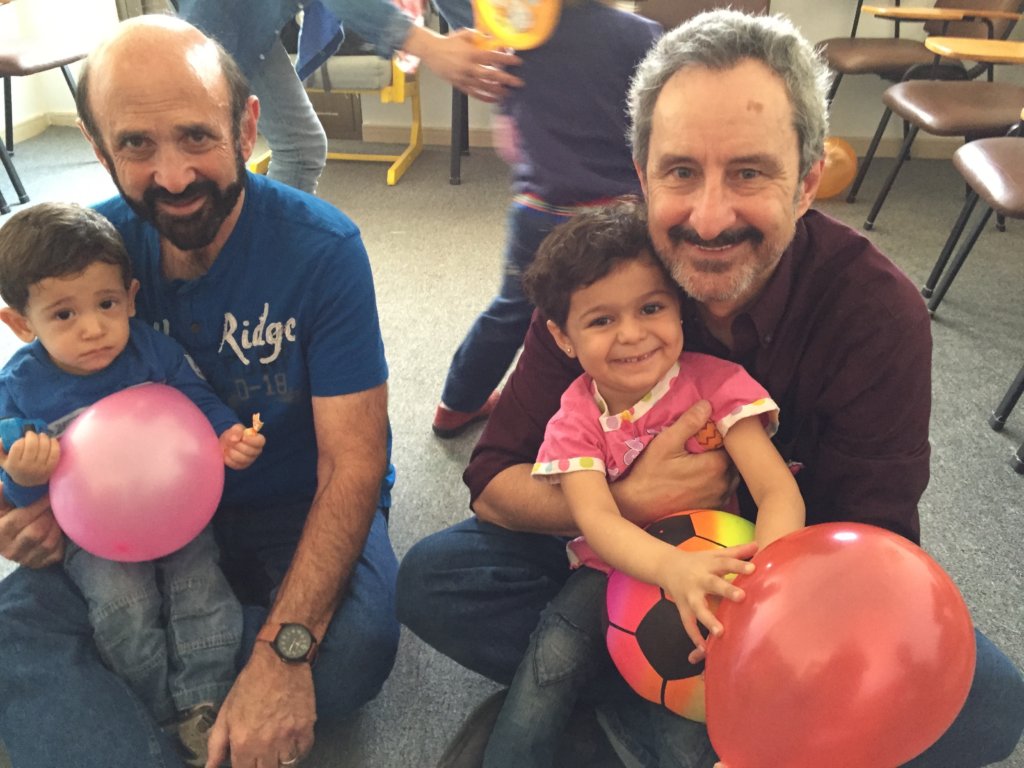
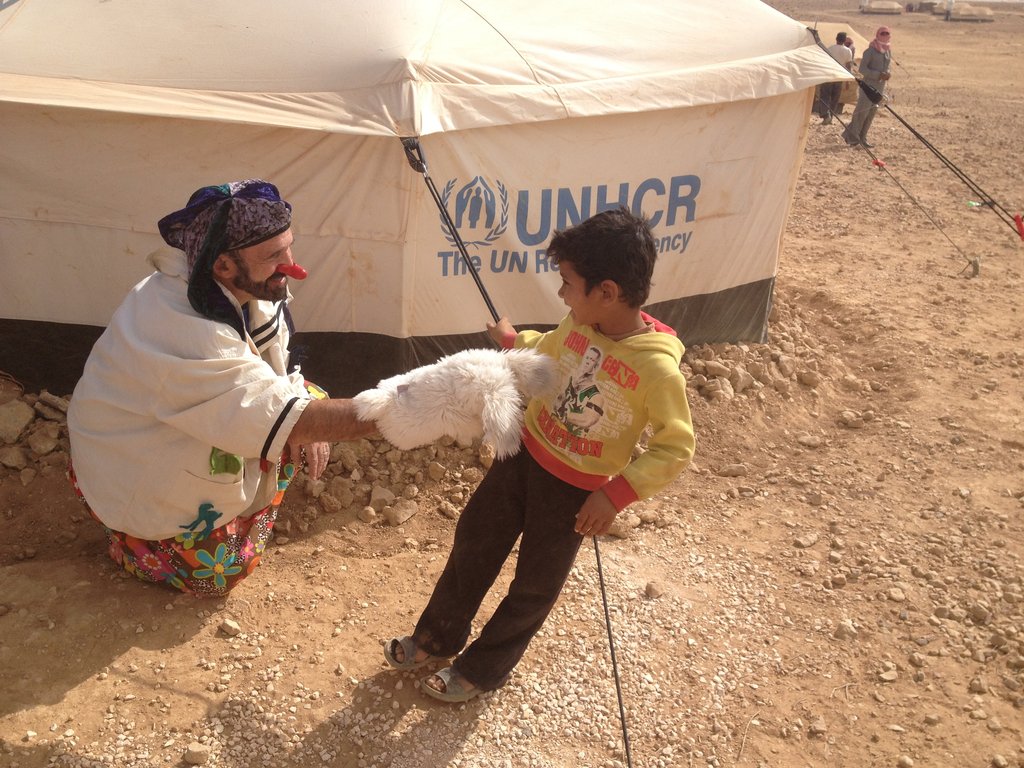
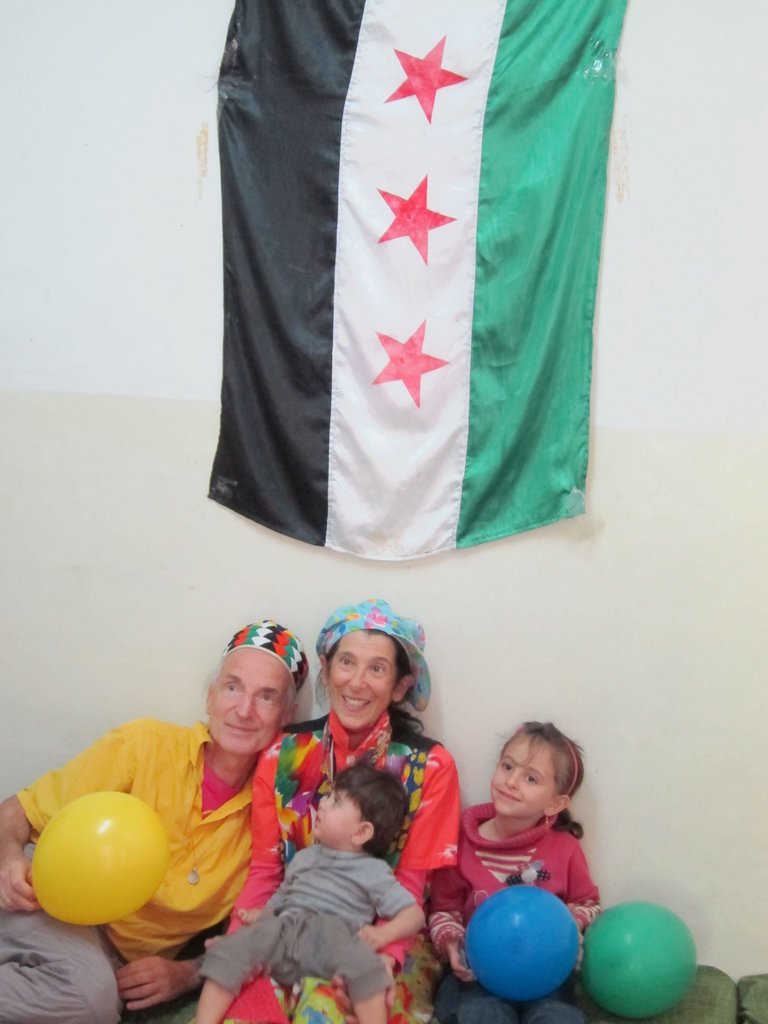
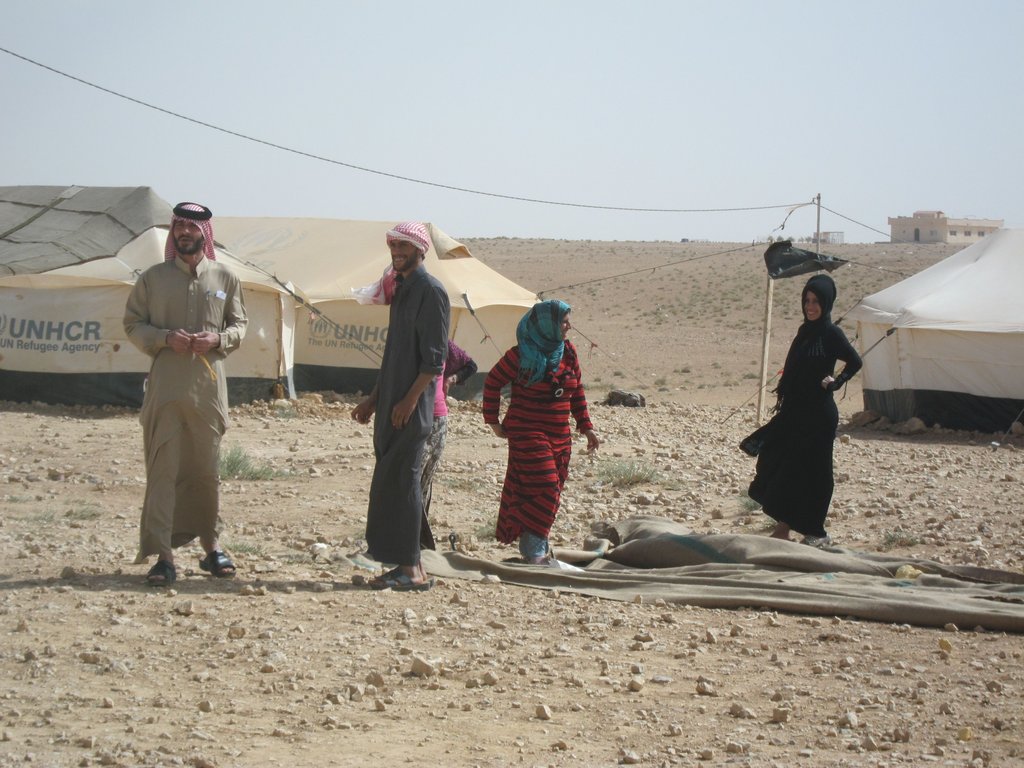
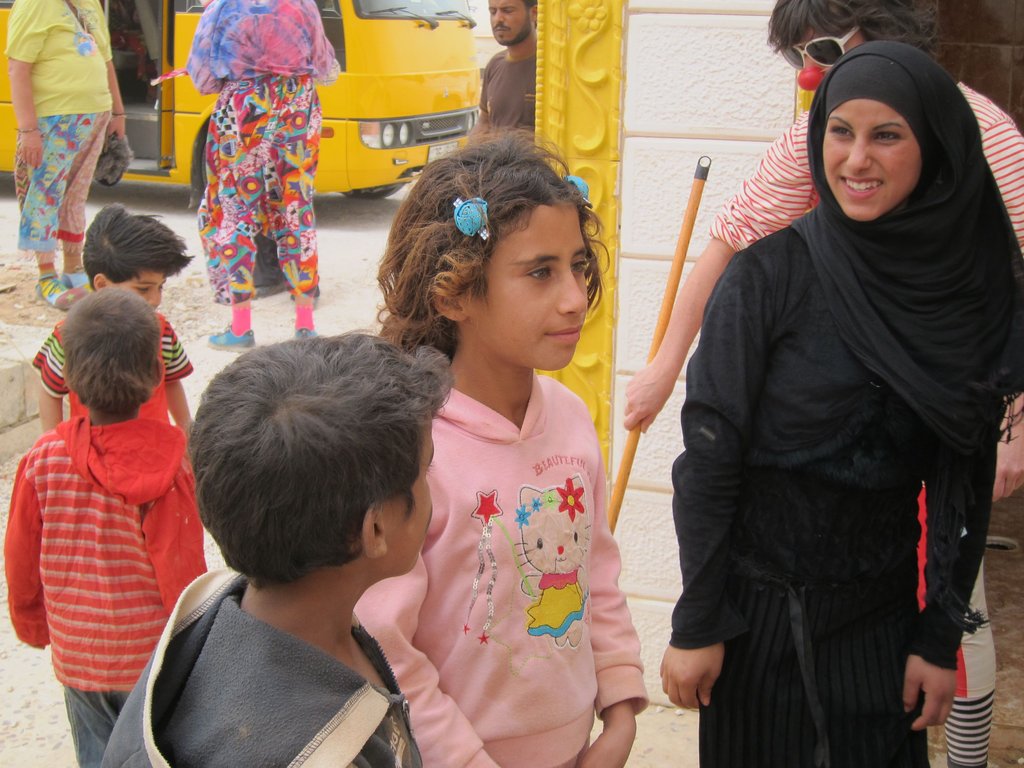
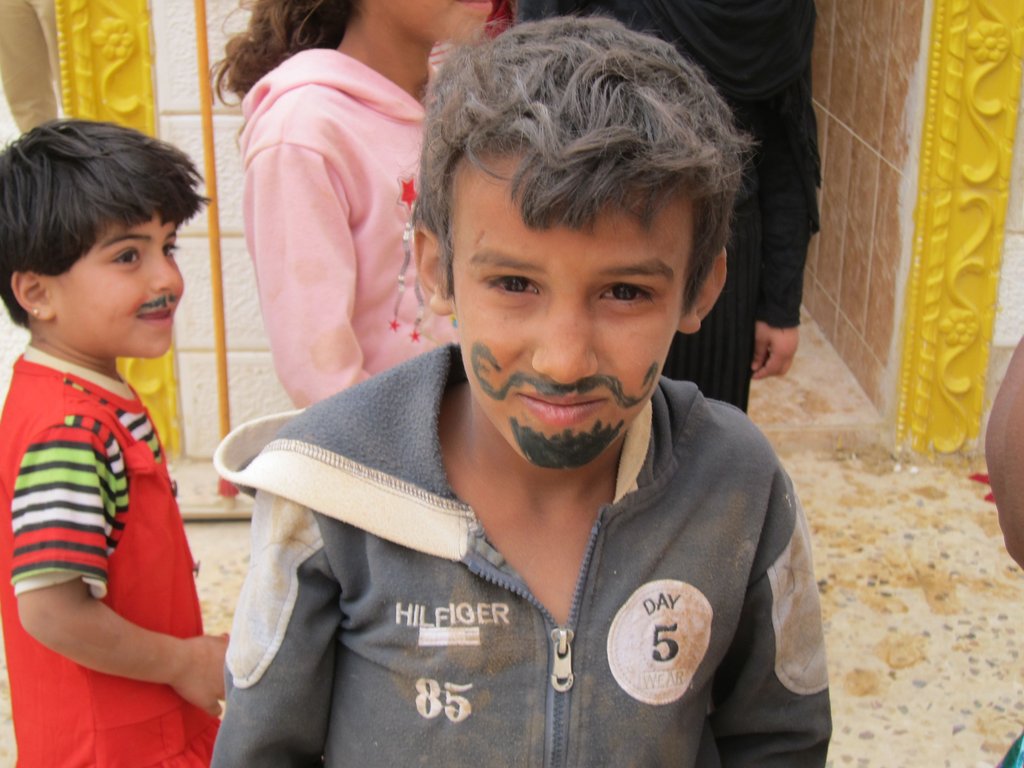
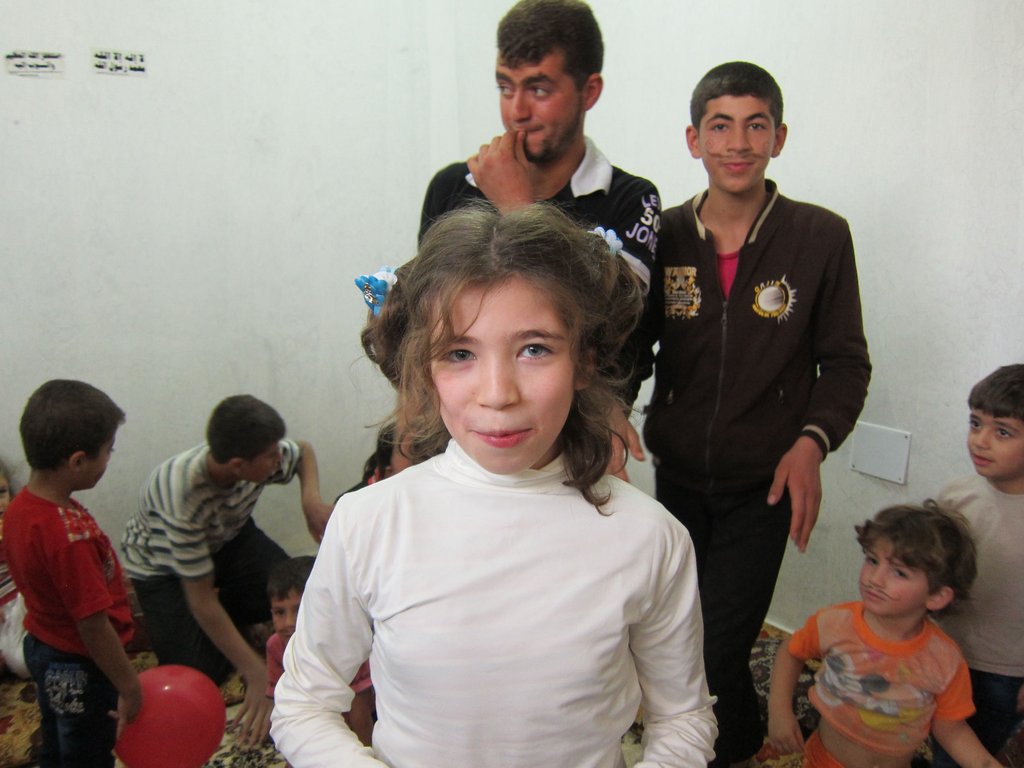
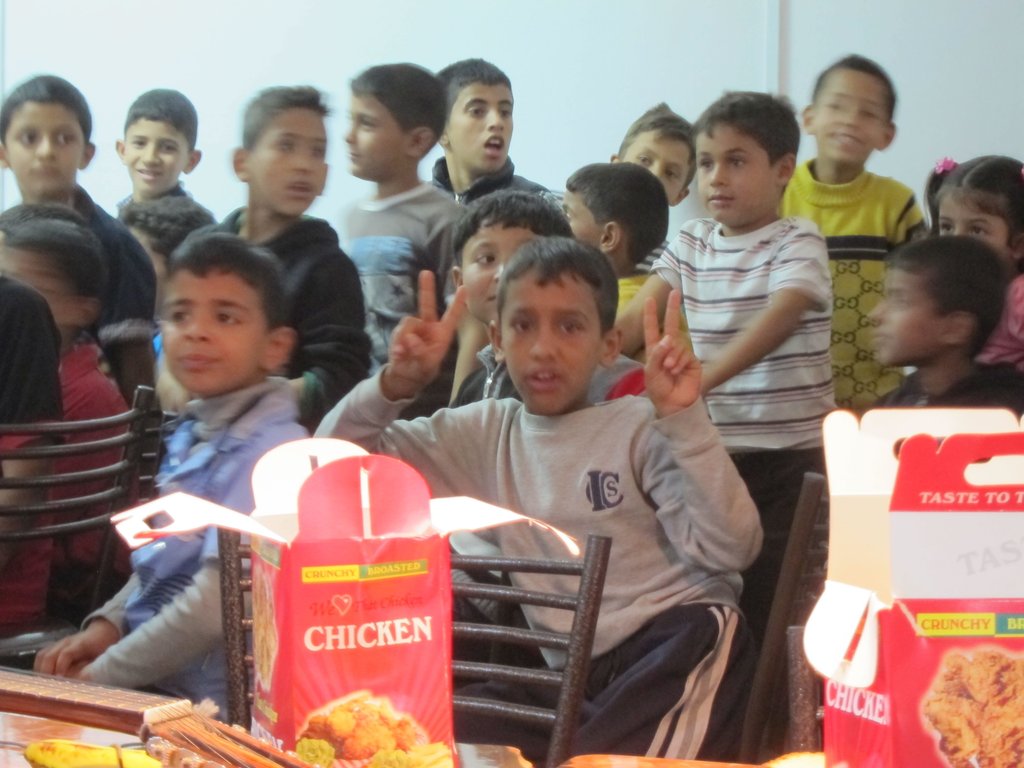
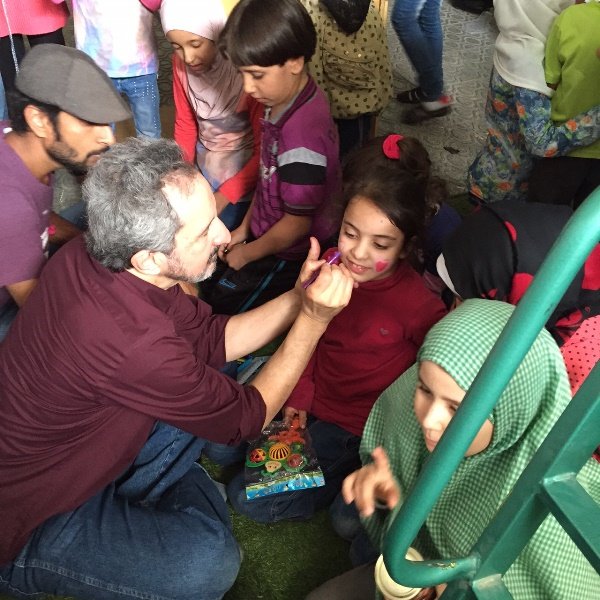
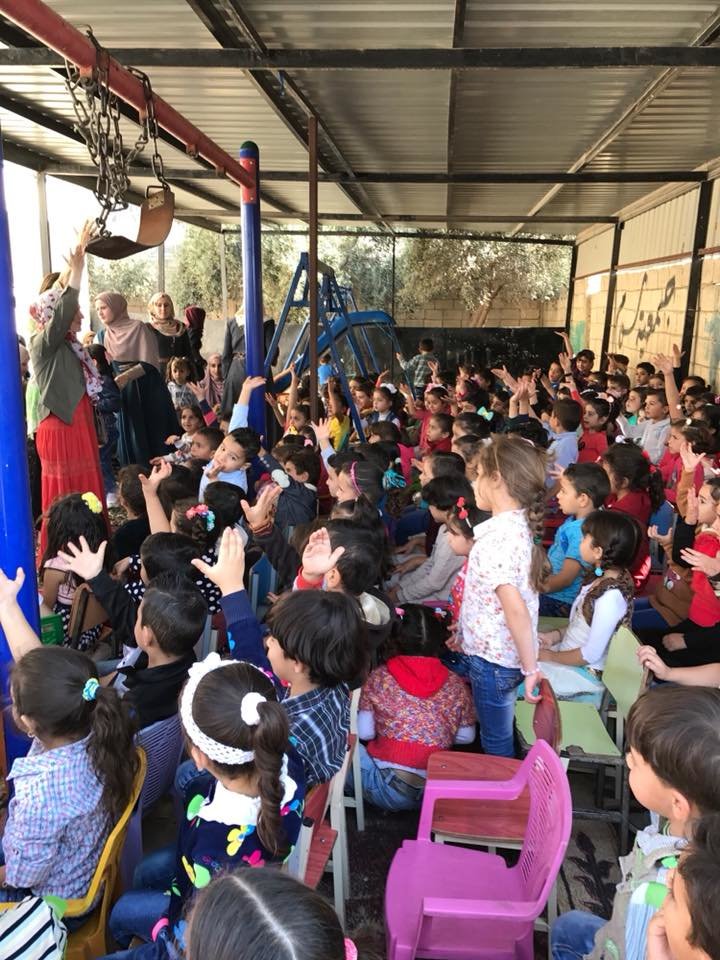
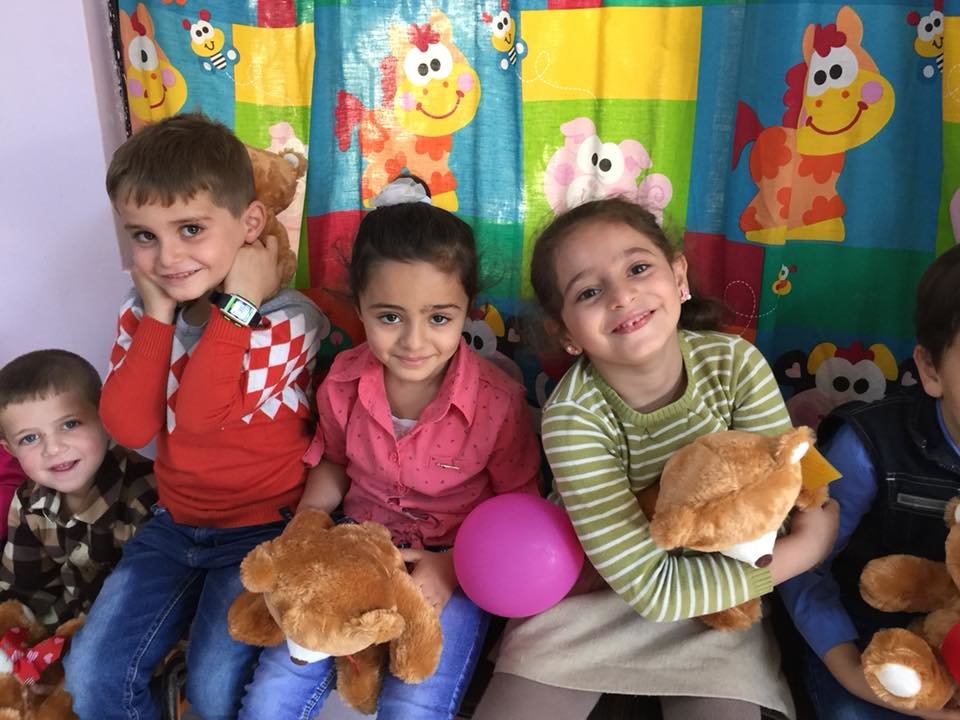
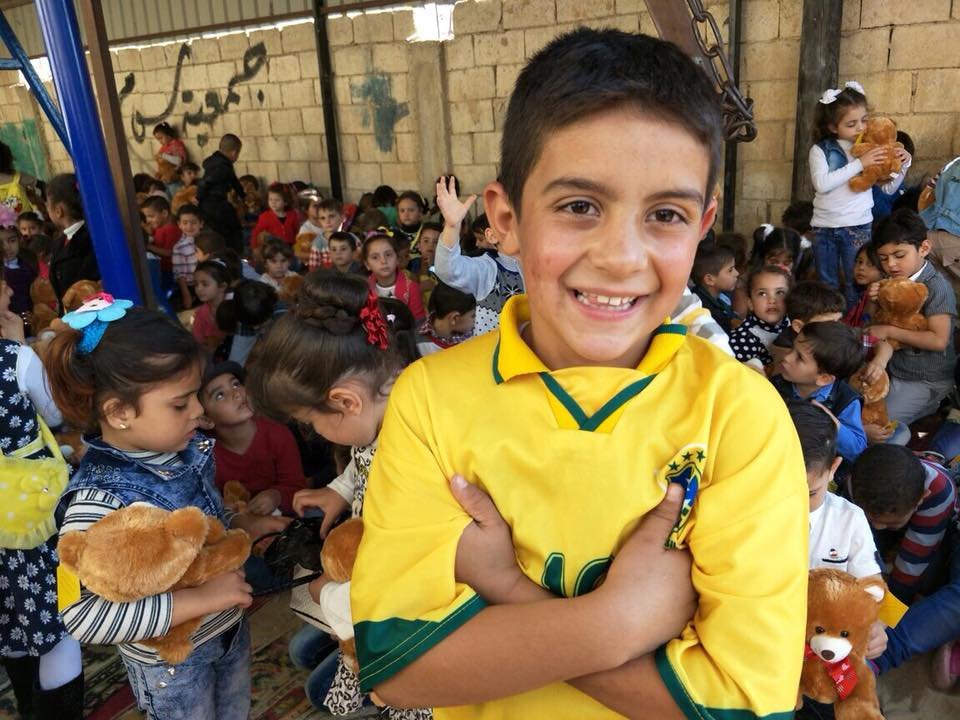
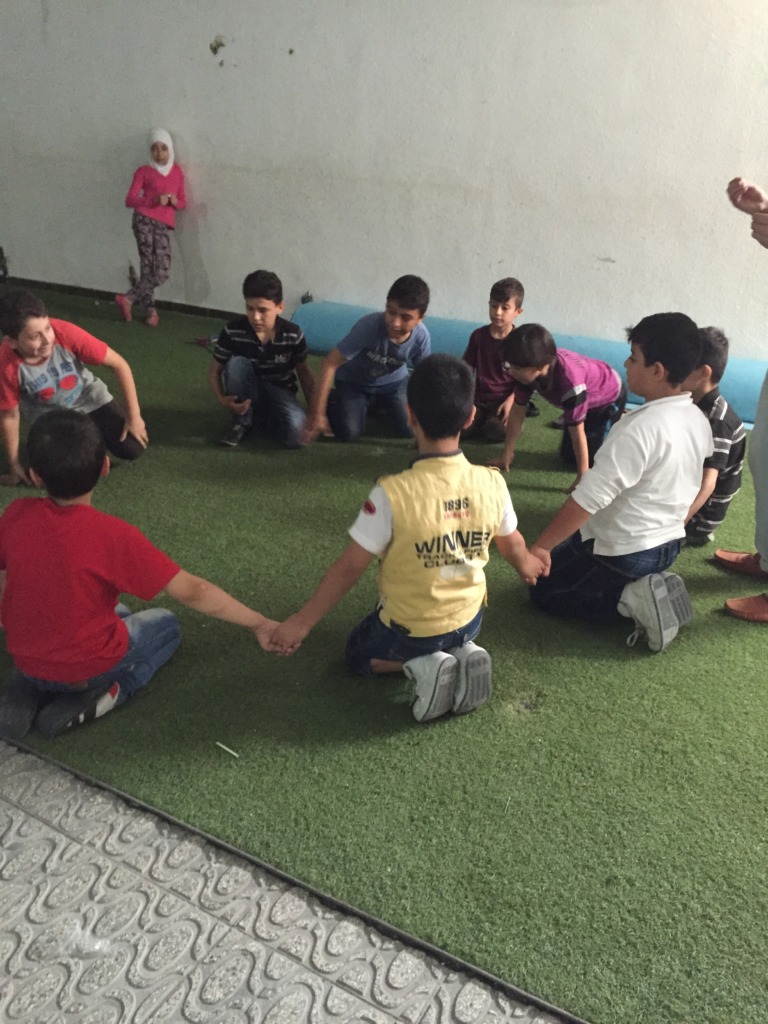
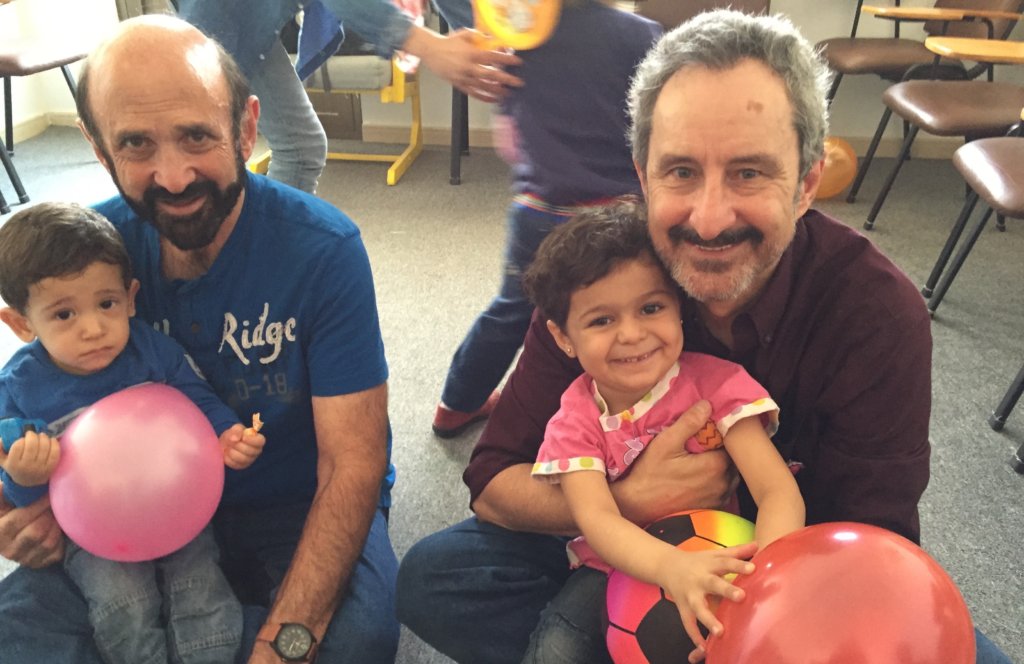
In October, SHC opened a pilot test site to provide services for widowed Syrian refugee mothers and their children. For four days, SHC staff and volunteers ran support groups for the mothers and provided extensive individual treatment for the mothers and for the children. Therapeutic play groups for the children were offered as well. This new site allows students trained in the SHC training programs to provide direct services and integrate trauma support skills they've been learning in the virtual and on the ground trainings. For the first time, we are able to offer ongoing psychosocial support services. Demand for our trainings continue to grow as the reality on the ground is there are few trained/able to provide any trauma informed care to a highly traumatized Syrian refugee population. We are in the beginning stages of negotiating with regional universities to help establish new university programs in community mental health and clinic psychology. There is a severe lack of training and services in the region. Linking students in the region to the professional trainings being offered through SHC has been a long standing goal of the program. SHC is committed to capacity building so the overwhelming trauma treatment needs within the refugee community can be met.
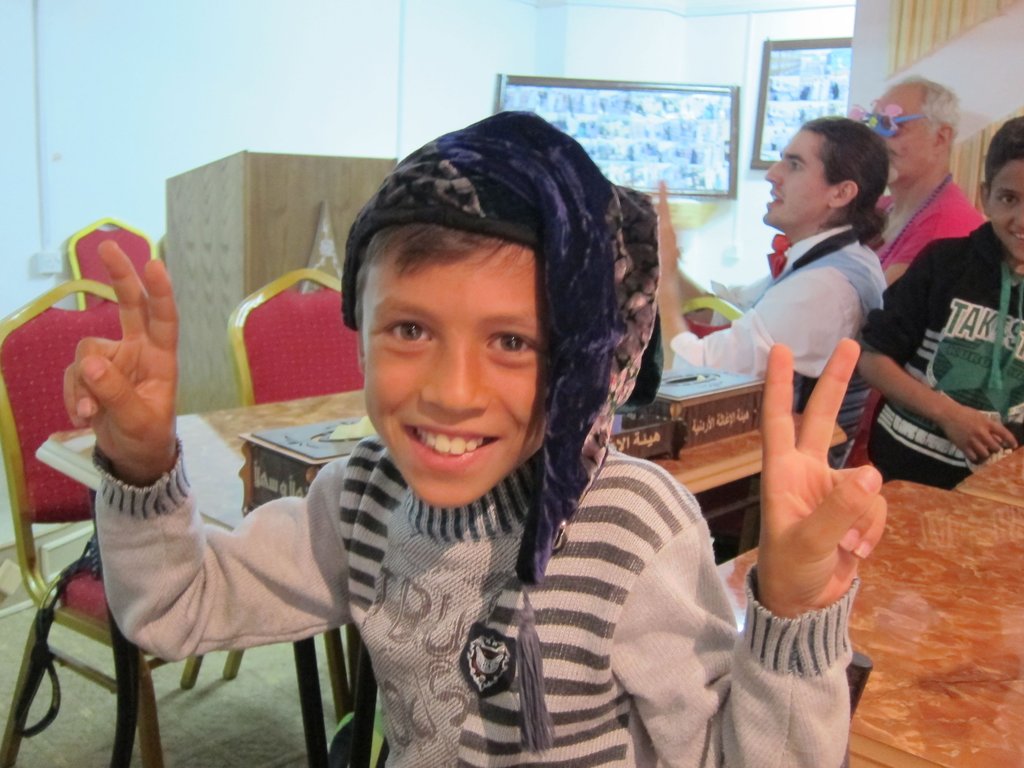
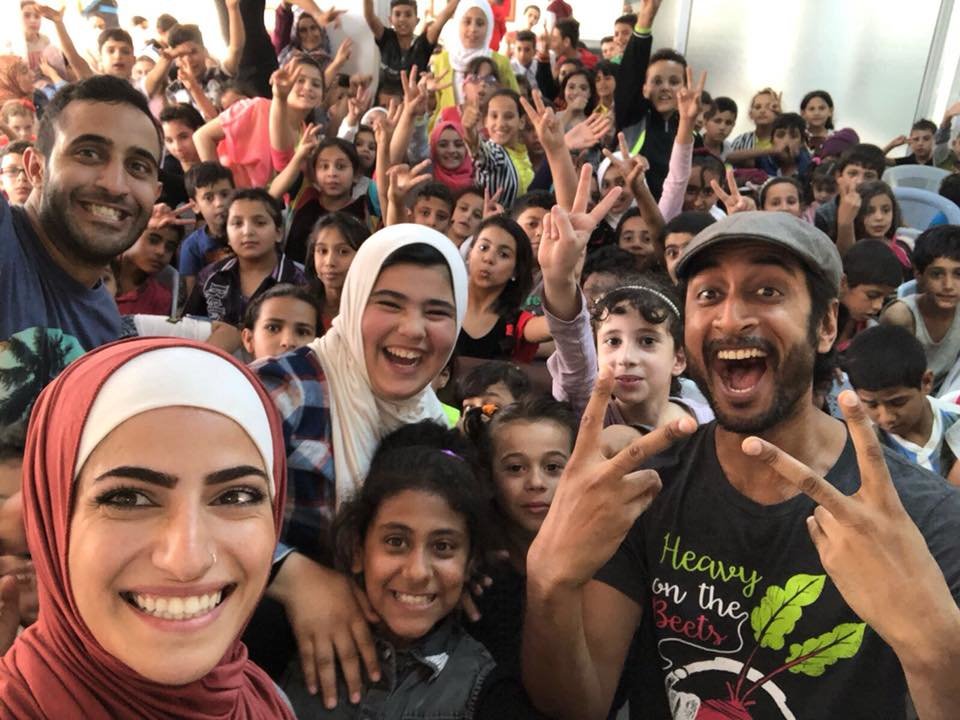
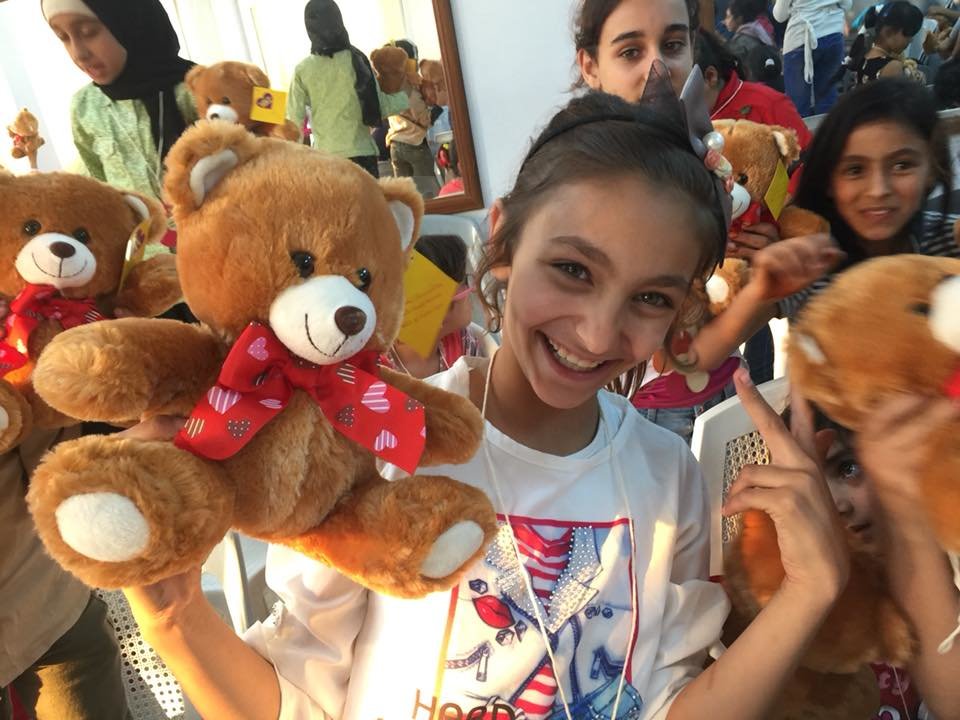
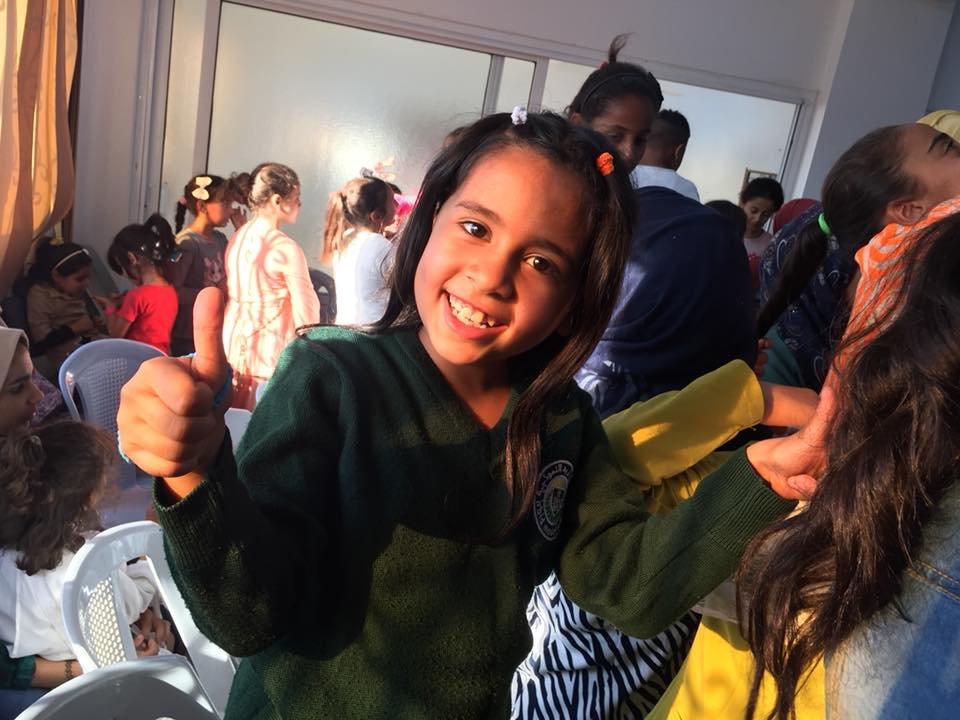
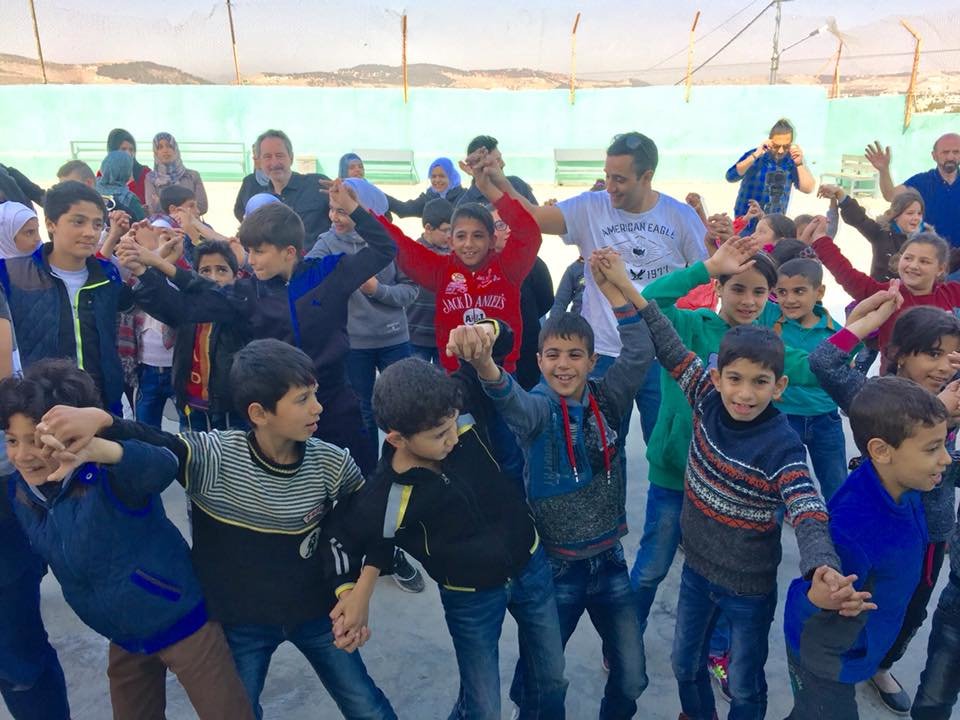
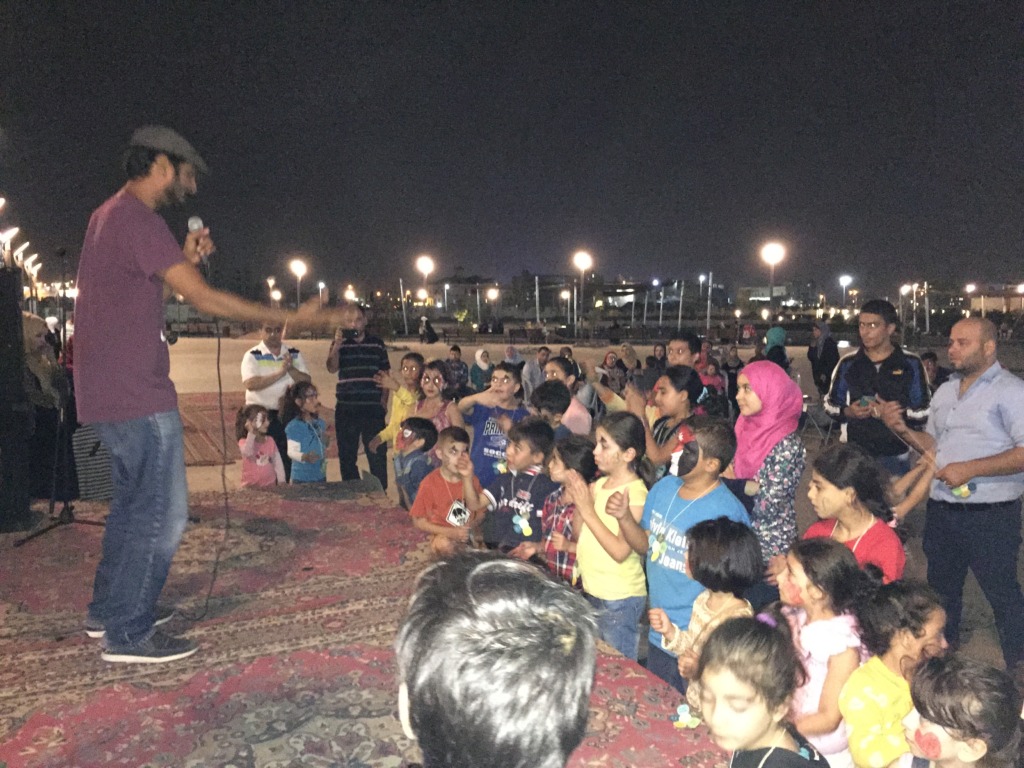
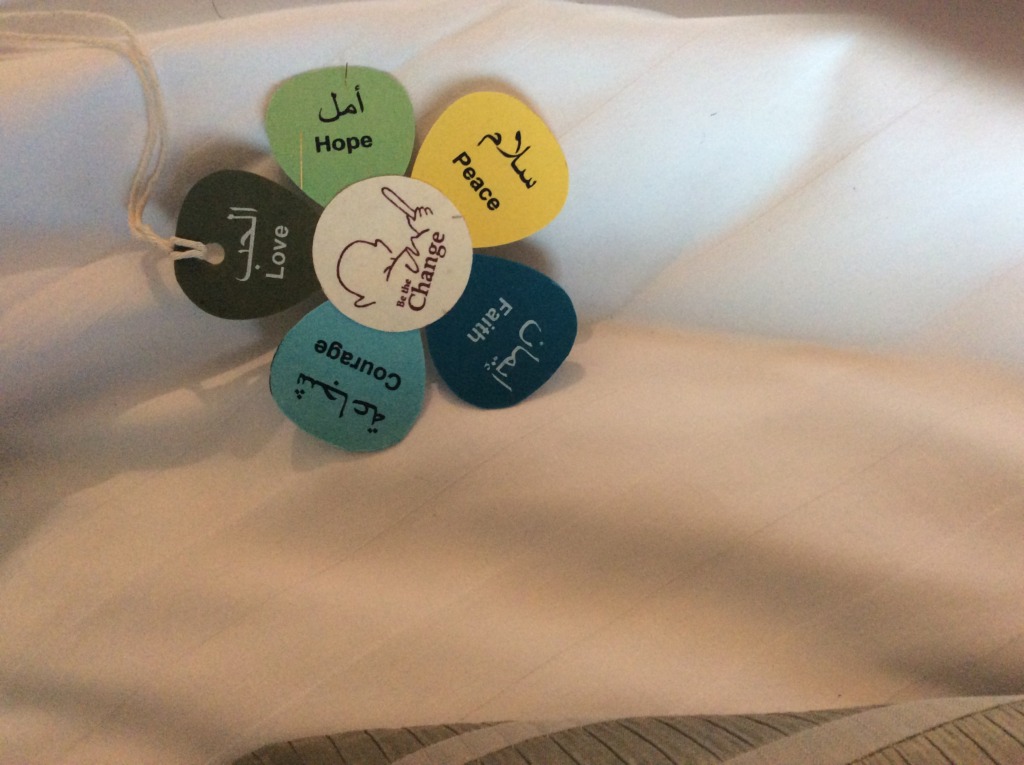
Additionally, we continue to bring in creative people to lift the spirits of the community. This year we were able to sponsor concerts ( via emptyhandsmusic.com) for the refugee community in the Irbid, Jordan area and in Amman, Jordan. The concerts were high energy and brough many, many smiles to the children and their families. The performing artist graciously brought his energy to the pilot clinic site and worked with the children in using music as a therapeutic tool. The performer who lives in India brought necklaces (see picture) made by street children in India for the Syrian refugee children. The necklaces were printed in English and Arabic. During one interaction with a Syrian adolescent , the young man was challenging whether there could ever be peace and that it was a pipe dream. In that conversation, a dialogue began about finding that peace with ourselves first. A light bulb went off in the young man's mind during that conversation and he stated he now "understood." He then passed out hundreds of the necklaces to refugees attending the concert.
Project reports on GlobalGiving are posted directly to globalgiving.org by Project Leaders as they are completed, generally every 3-4 months. To protect the integrity of these documents, GlobalGiving does not alter them; therefore you may find some language or formatting issues.
If you donate to this project or have donated to this project, you can receive an email when this project posts a report. You can also subscribe for reports without donating.