By Myron Eshowsky | co-director
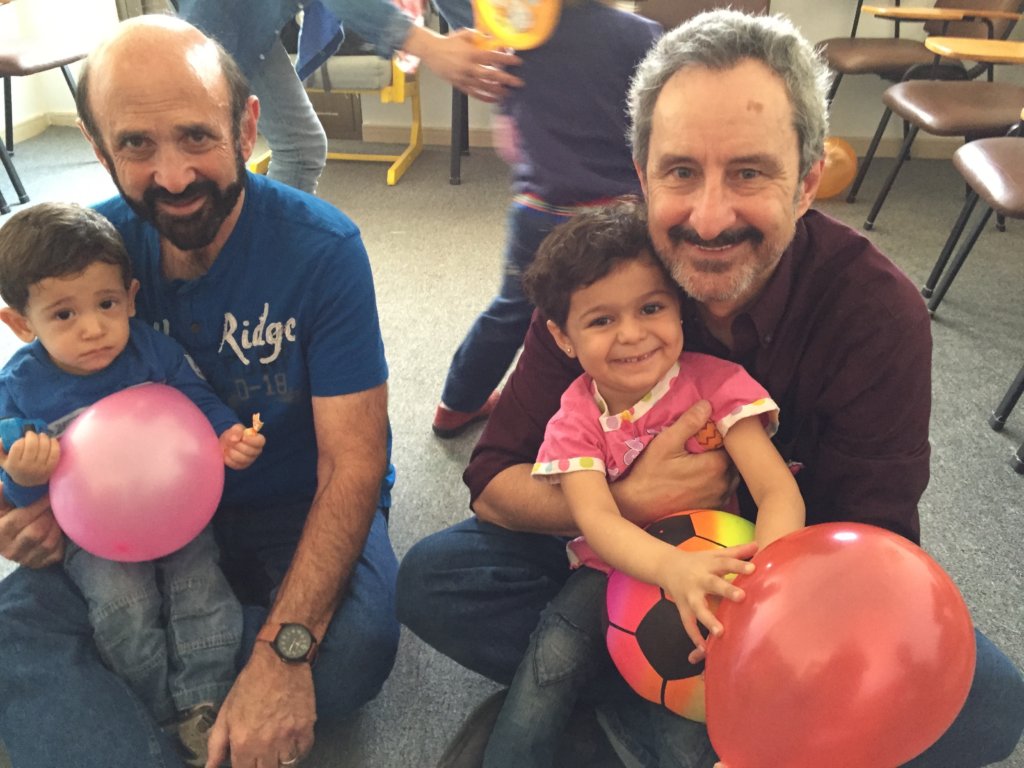
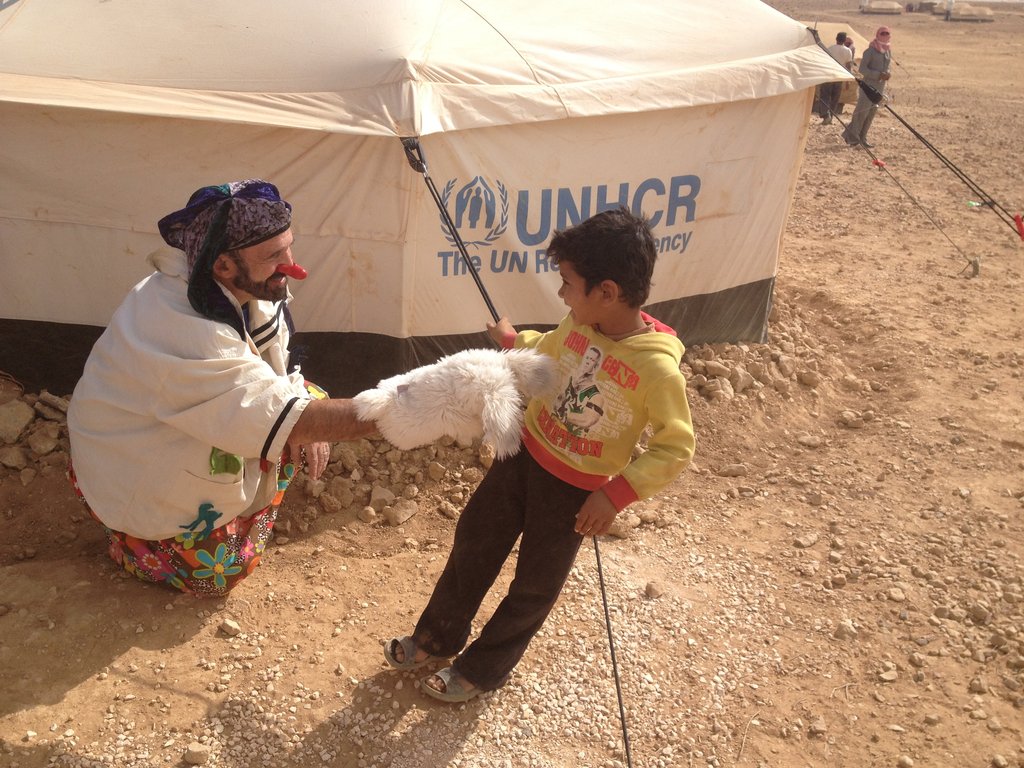
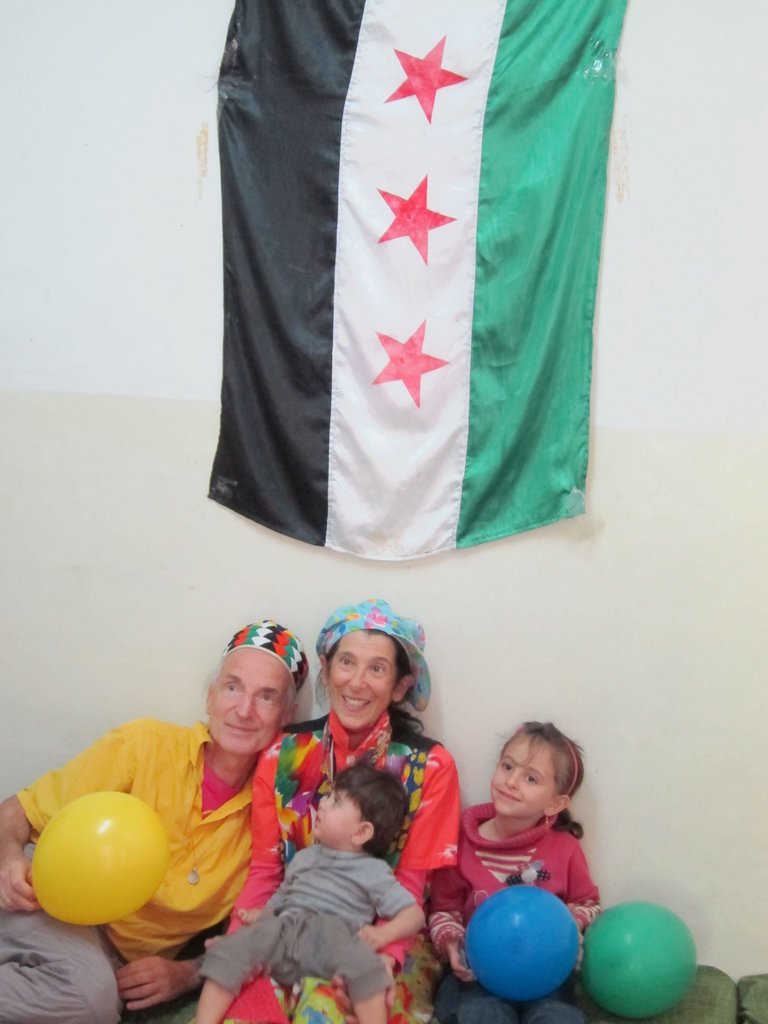
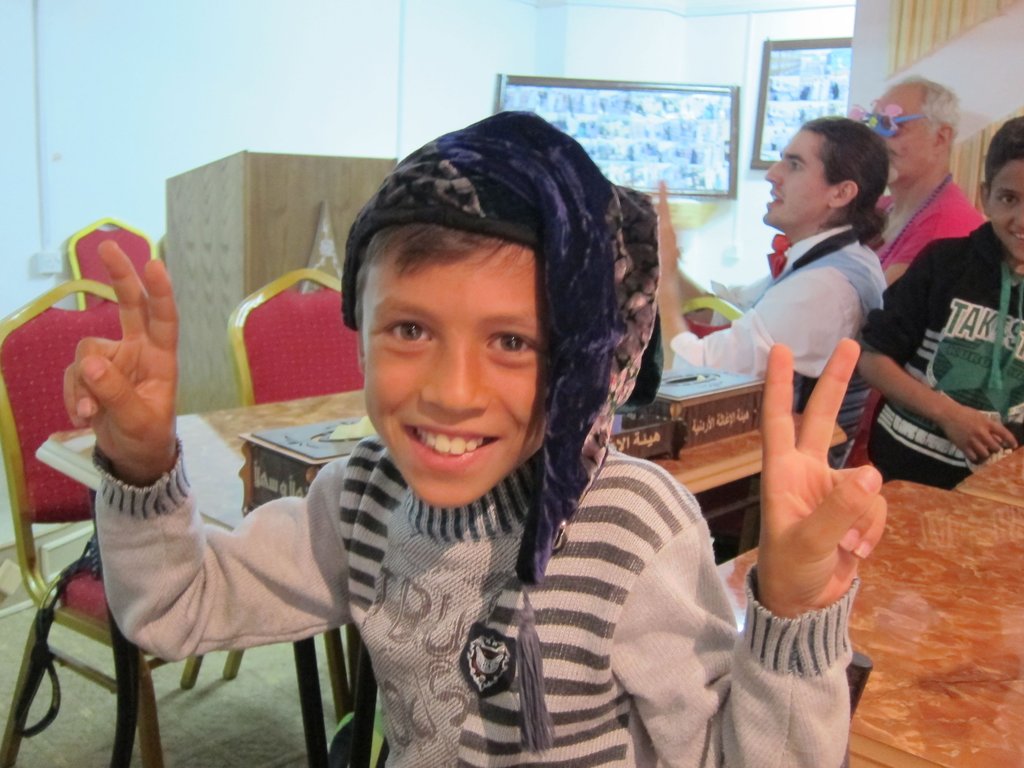
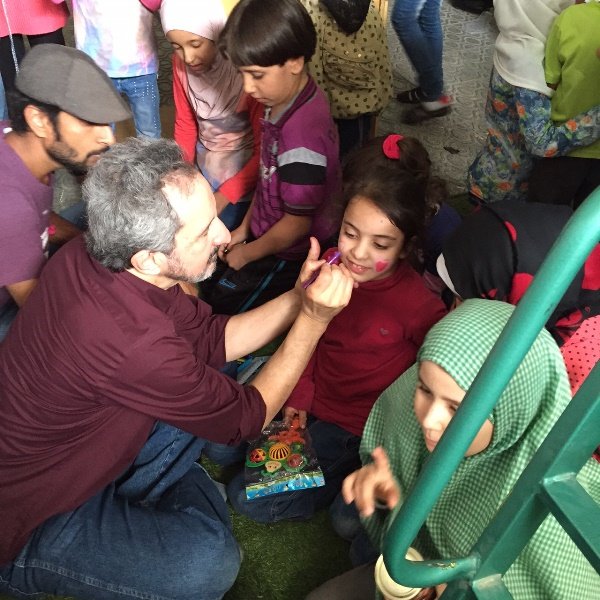
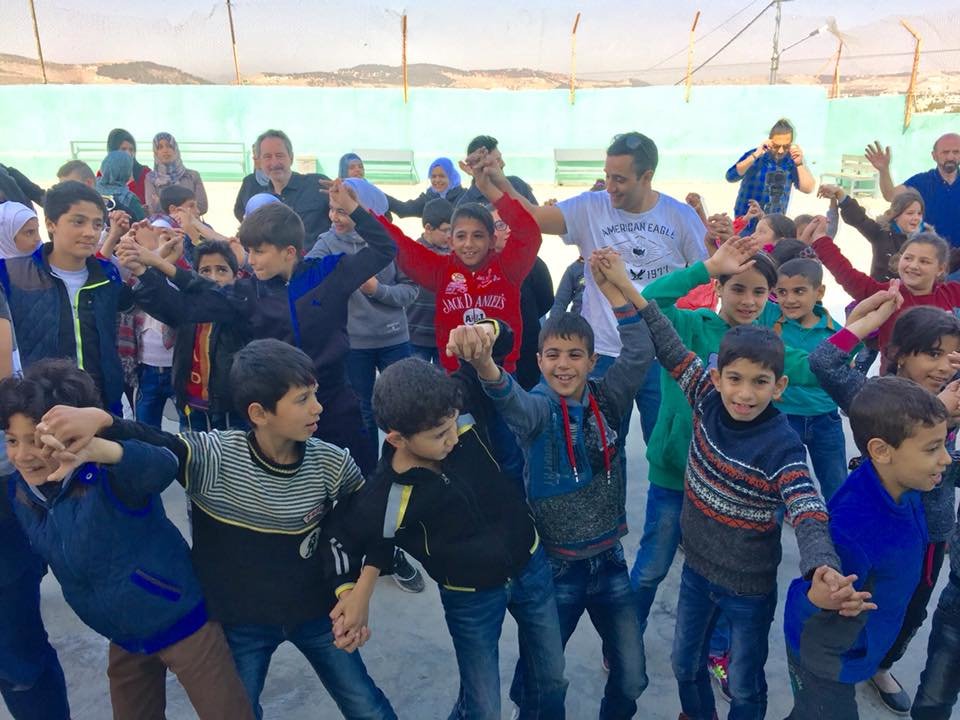
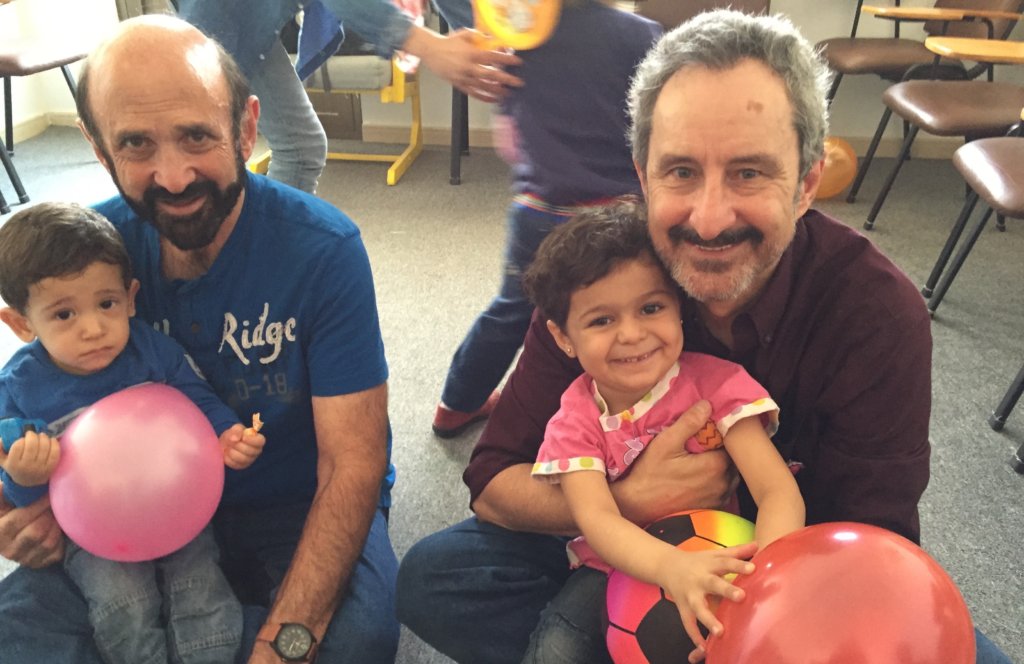
This month SHC is launching an expansion of our services to the Syrian refugees in Jordan. SHC is opening a community psychosocial clinic in an Amman apartment building serving widows/heads of households and their children. SHC staff and profesional psychologist volunteers from the U.S. will join SHC students/volunteers in launching the first week of services offerred through the clinic. The clinic based in a building offering transitional apartments for refugee families will be able to expand offerings in stress management, parenting skills, tools for managing PTSD/anxiety/depression, and specialized support groups.
Additionally, in alliance with Michigan State University Department of Psychiatry, Steve Olweean of Common Bond Institute/SHC joins Dr. Farha Abbasi in offering a training in mental health services for religious leaders and religious teachers serving the refugee population. The religious community is often a source of counseling and support to the refugee community. The training provides information on understanding mental health issues and how religious leaders can provide support and referral as appropriate. The training is based on highly successful program serving Imams in the United States. Dr. Abbasi is a psychiatrist and faculty member in the Department of Psychiatry at Michigan State. Additionally, she is editor of the Journal for Islamic Mental Health.
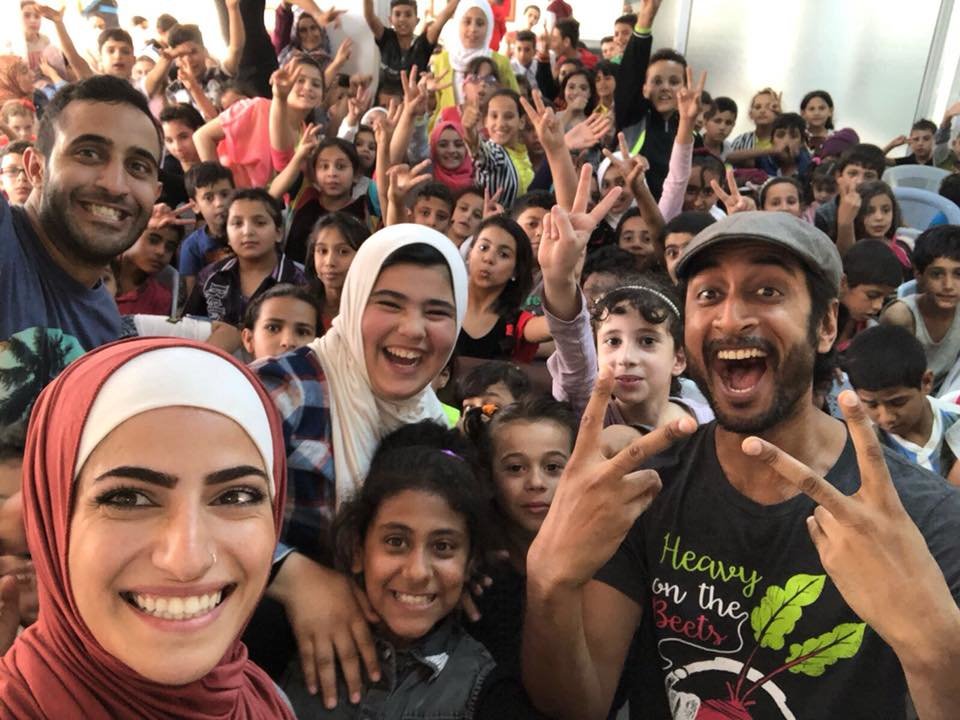
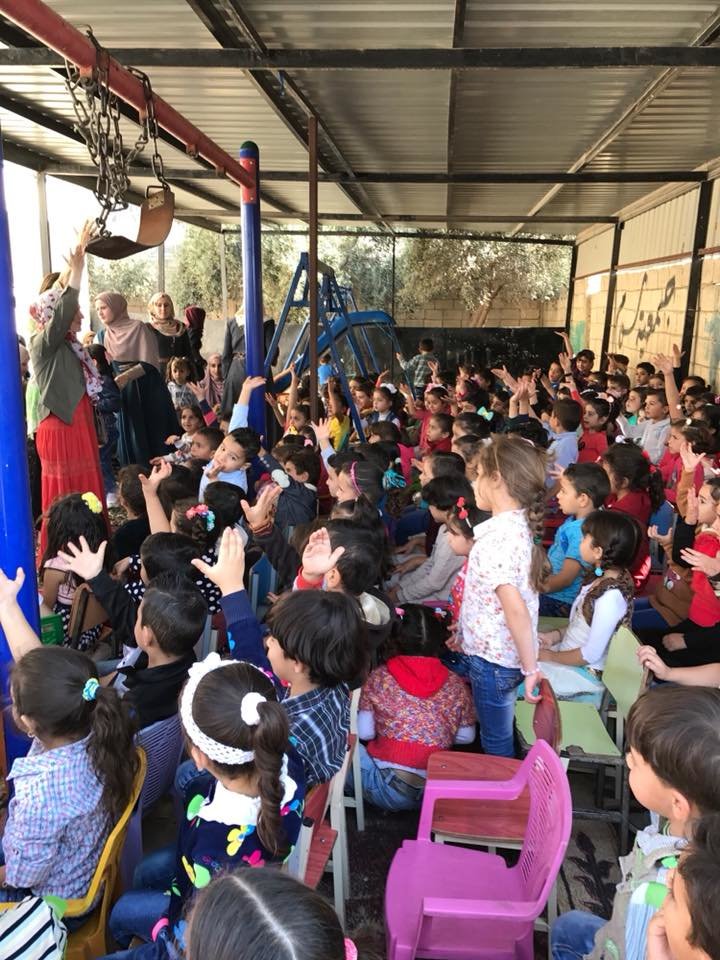
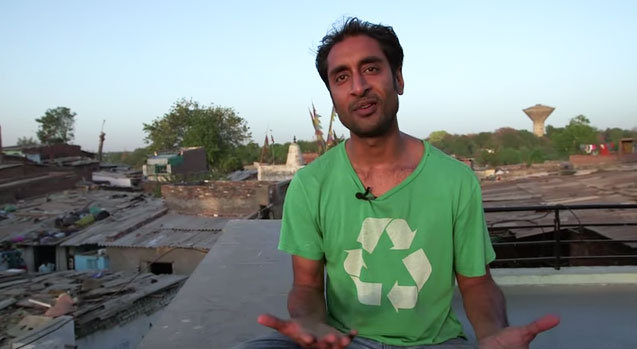
We are pleased to have the presence of Nimo Patel (www.emptyhandsmusic.com) with us in Jordan. He will be providing a number of free concerts in schools,clinics, hospitals, and public areas serving the refugee children. Nimo travels the world in offering his message of peace and healing through music. Nimo's music raises the spirits of all who attend and brings his positive message of hope in the darkest of times.
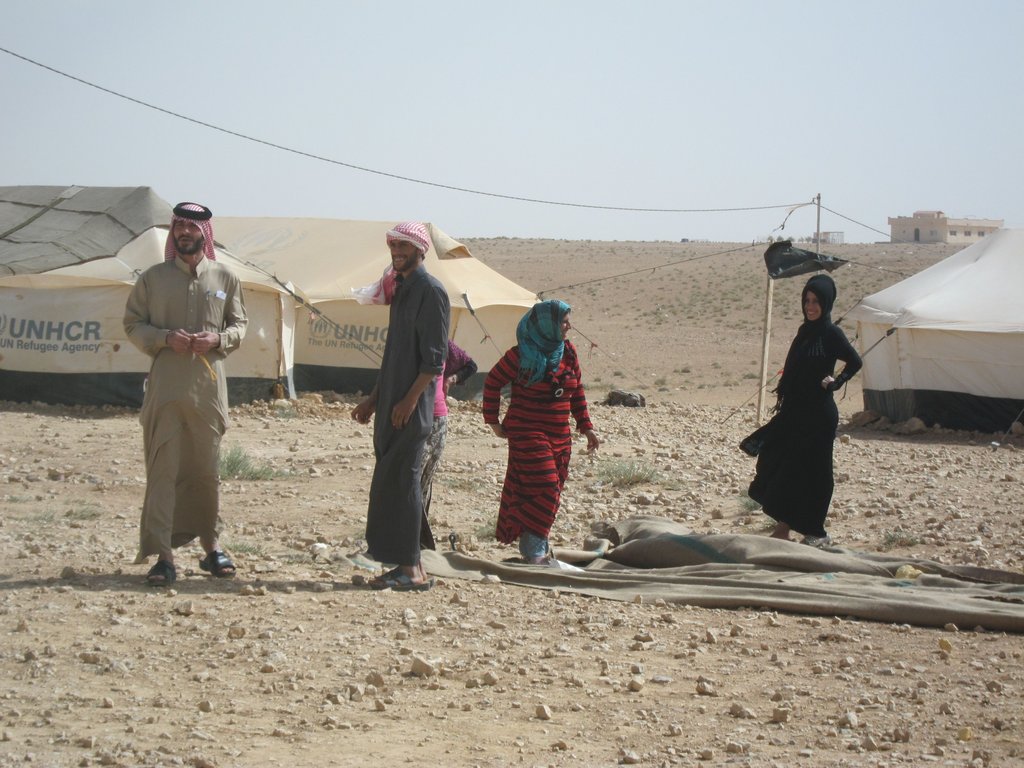
October 21-24 is the annual International Transgenerational Trauma Conference in Amman. The conference offers a wide range of training specific to addressing the mental health issues related to personal and communal trauma of the refugees. A number of sources have raised concerns that the Syrian refugee children are at high risk for being a lost generation, not only because of their exposure to violence, as large numbers have not been in school for years; the loss of their fathers and other family members; the loss of home/community; and being forced to work to help their families survive. In addition to offering real tools for addressing the psychosocial needs of the refugees, the conference raises the question of how do we work to prevent the trauma of this generation being transmitted to future generations. The conference is one tool for bringing together students,volunteers, and professionals seeking to address the massive mental health issues present amongst the refugees.
Project reports on GlobalGiving are posted directly to globalgiving.org by Project Leaders as they are completed, generally every 3-4 months. To protect the integrity of these documents, GlobalGiving does not alter them; therefore you may find some language or formatting issues.
If you donate to this project or have donated to this project, you can receive an email when this project posts a report. You can also subscribe for reports without donating.