By Steve Olweean | President and Program Director
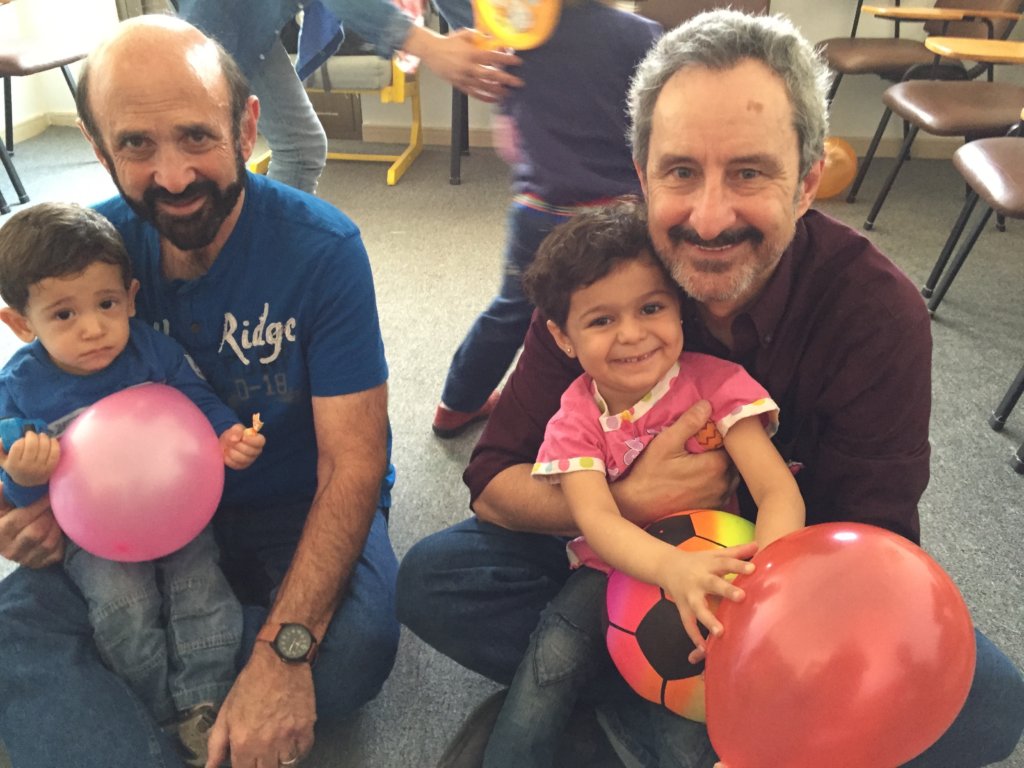
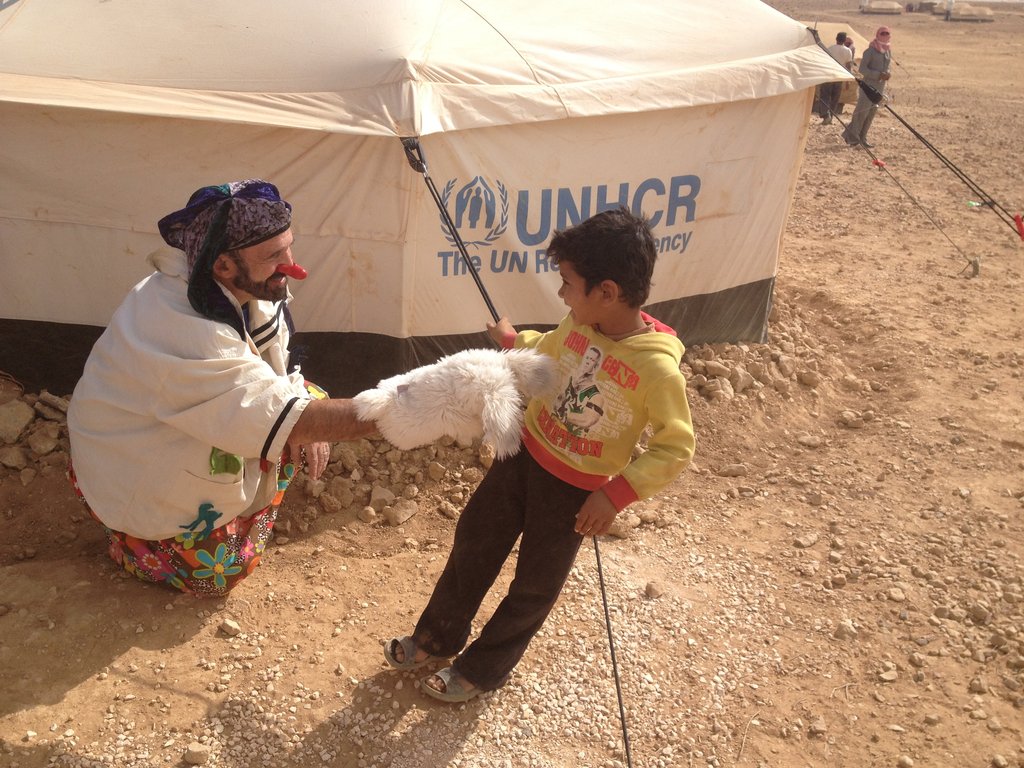
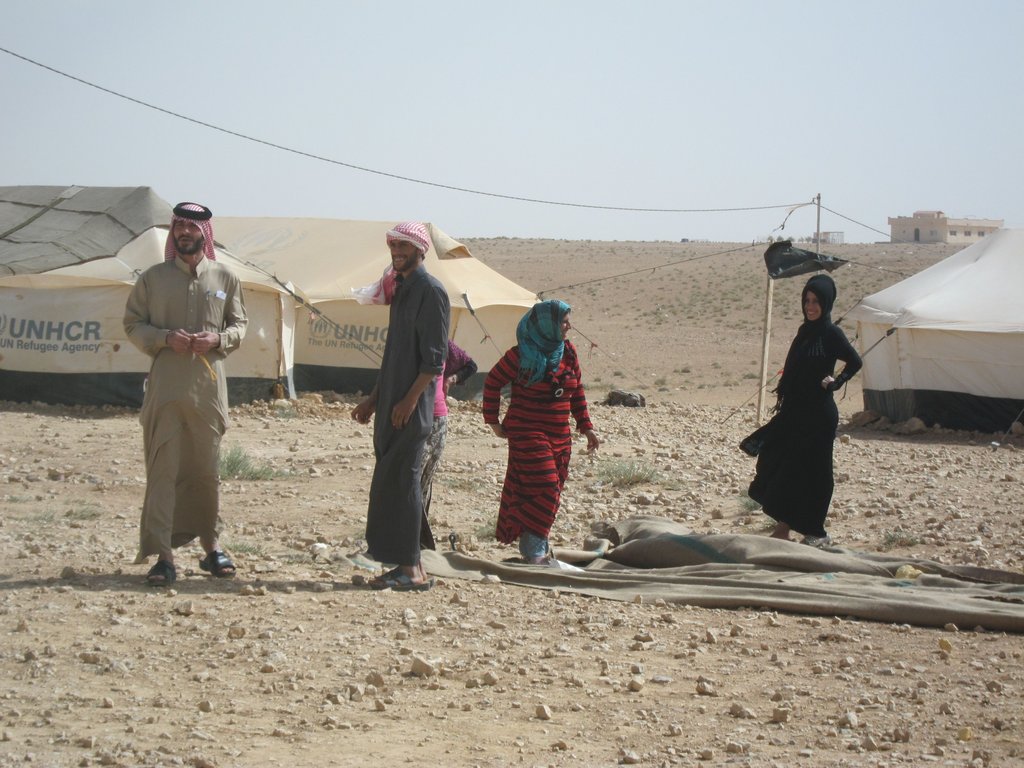
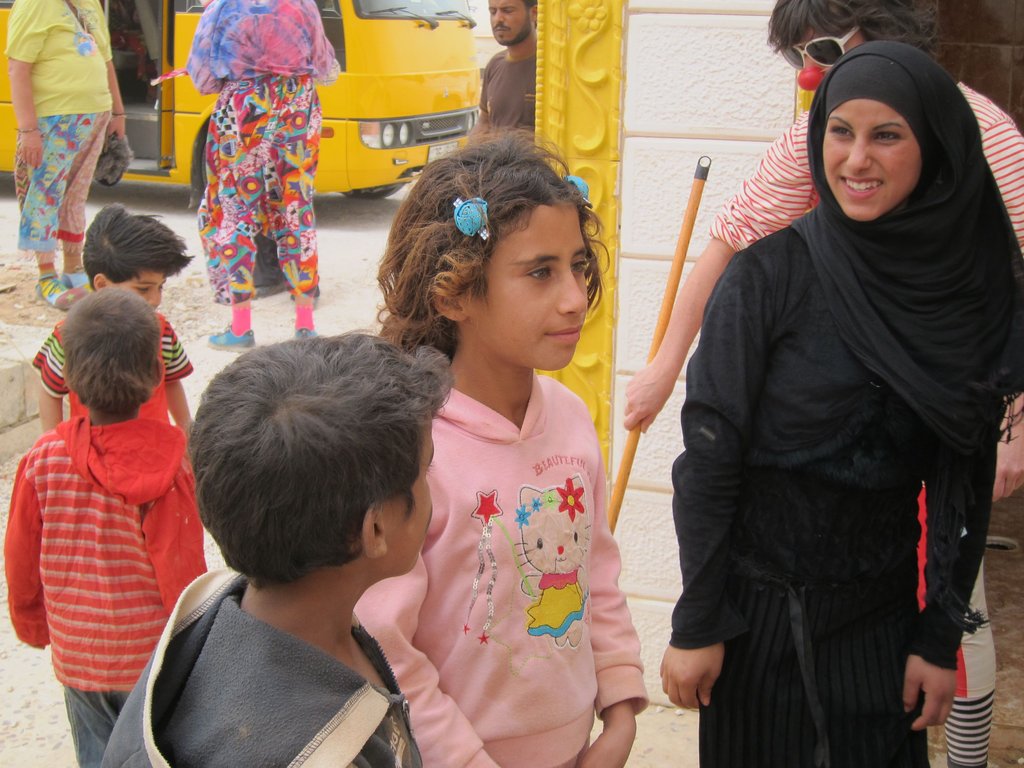
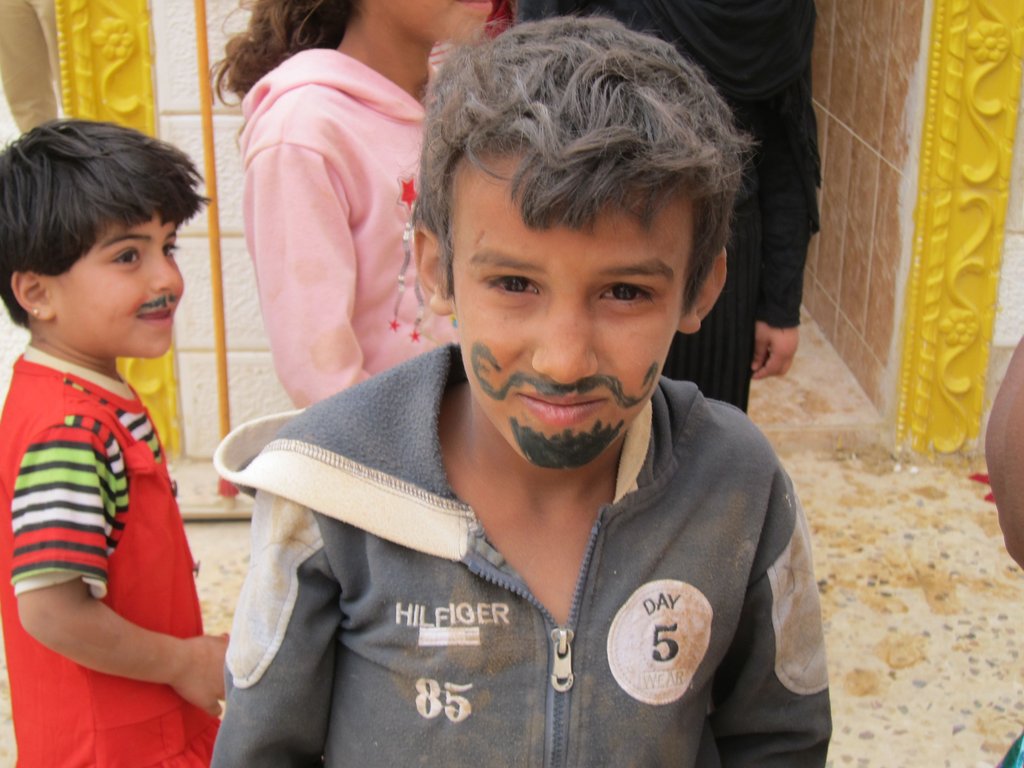
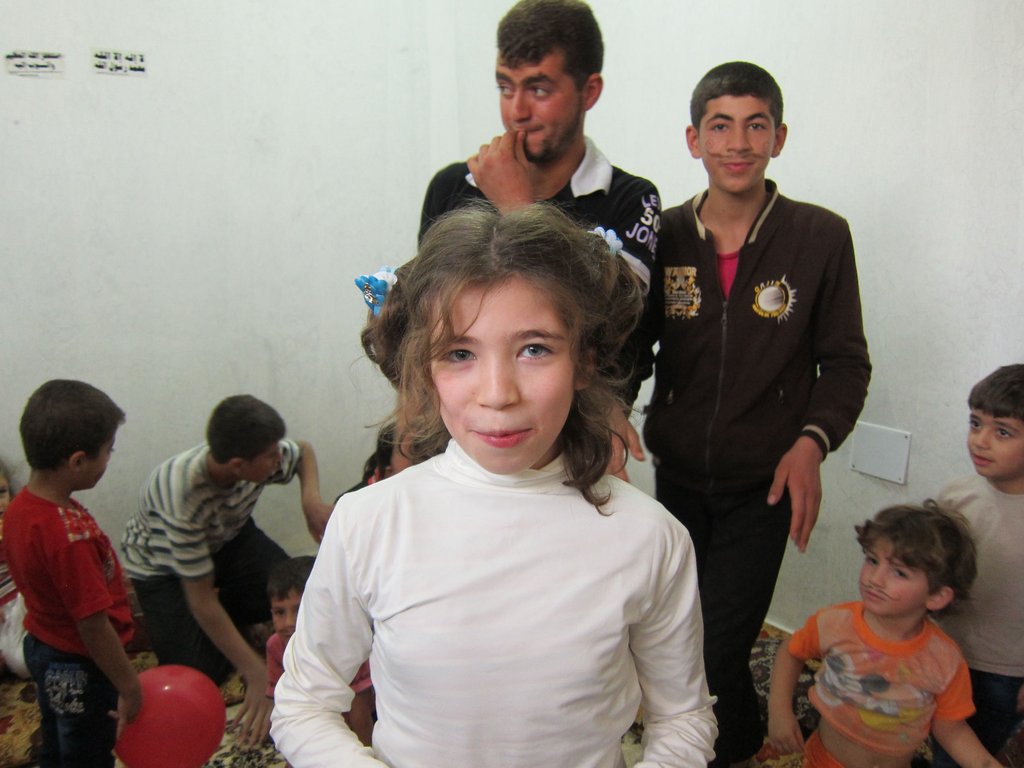
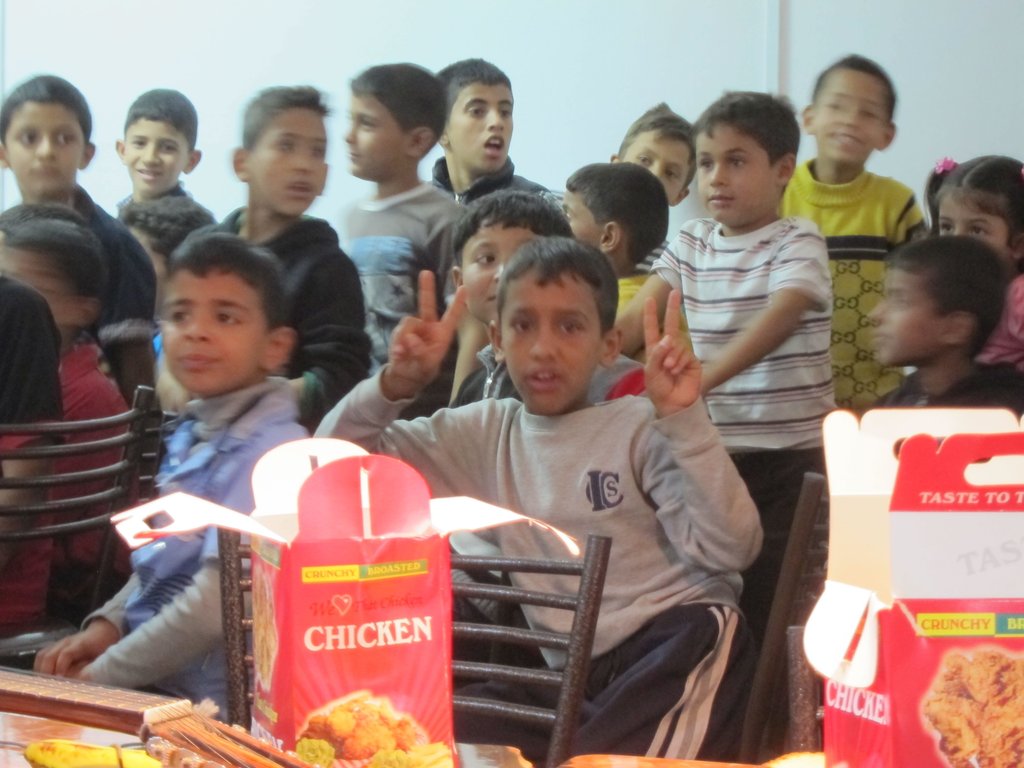
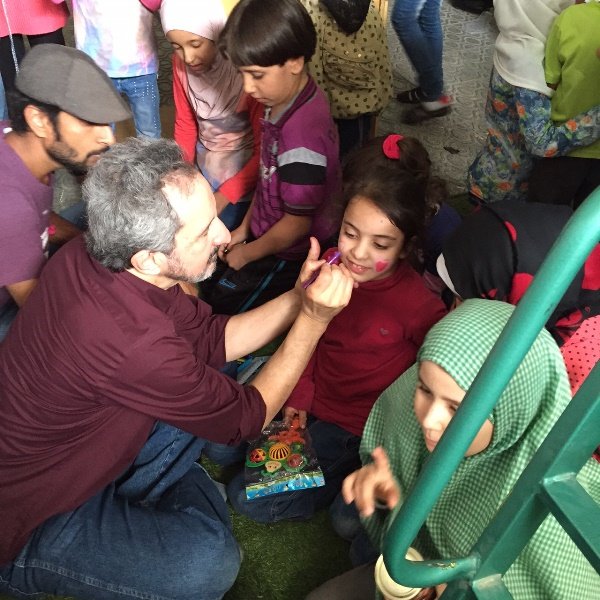
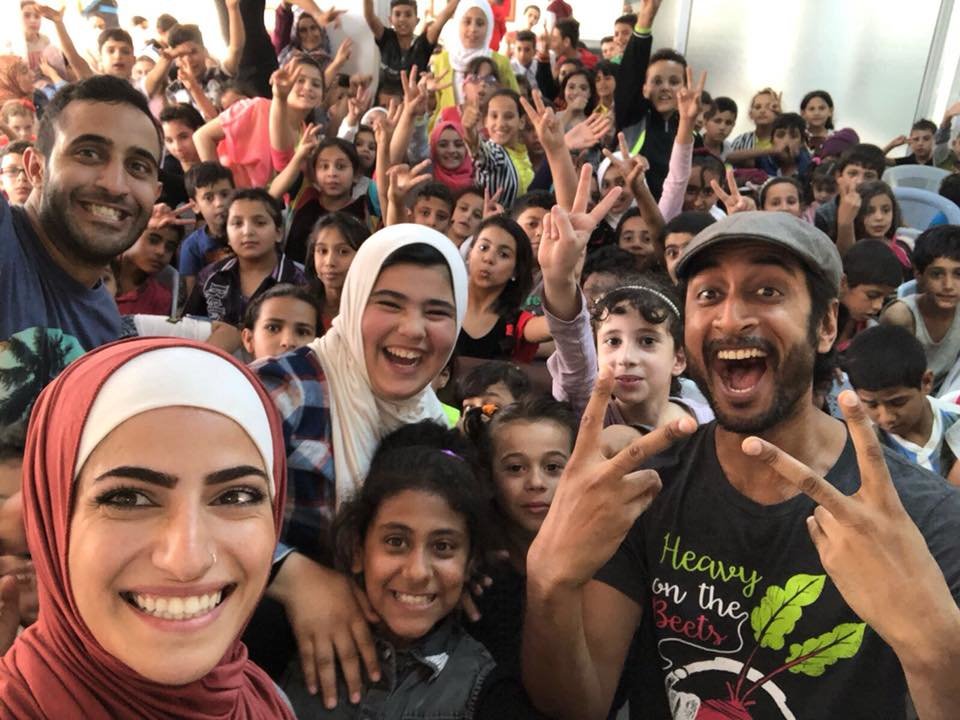
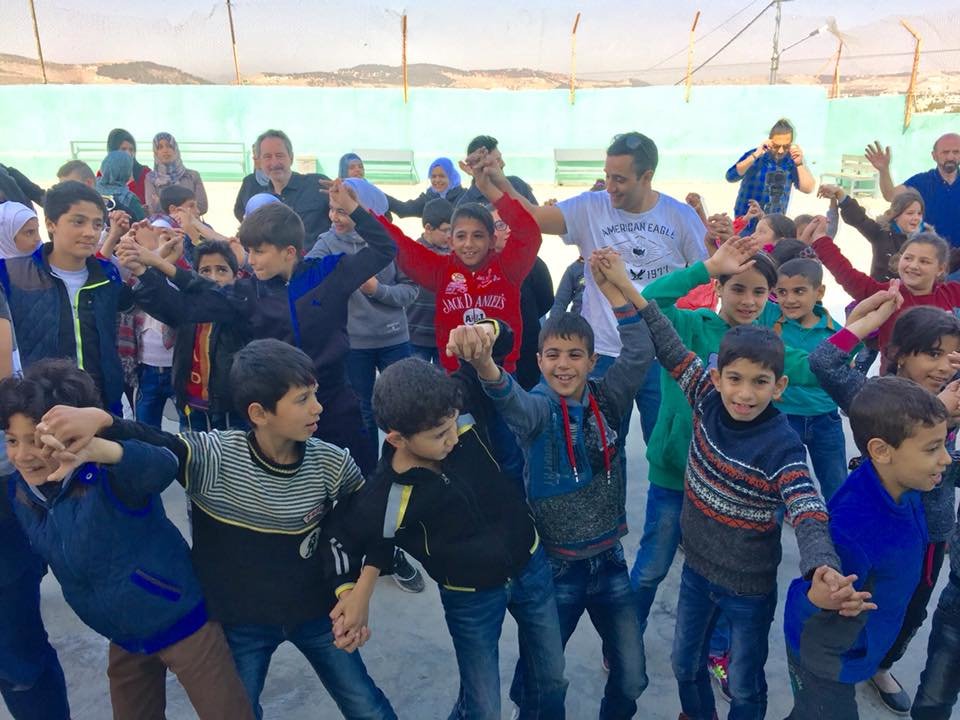
Even as resources needed to cover the basic out-of-pocket costs of delivering our free services have declined, and the need has increased, our devoted volunteer service team continues to persevere in providing life-saving disaster health care services to the most vulnerable of the refugee population in Jordan – and particularly children.
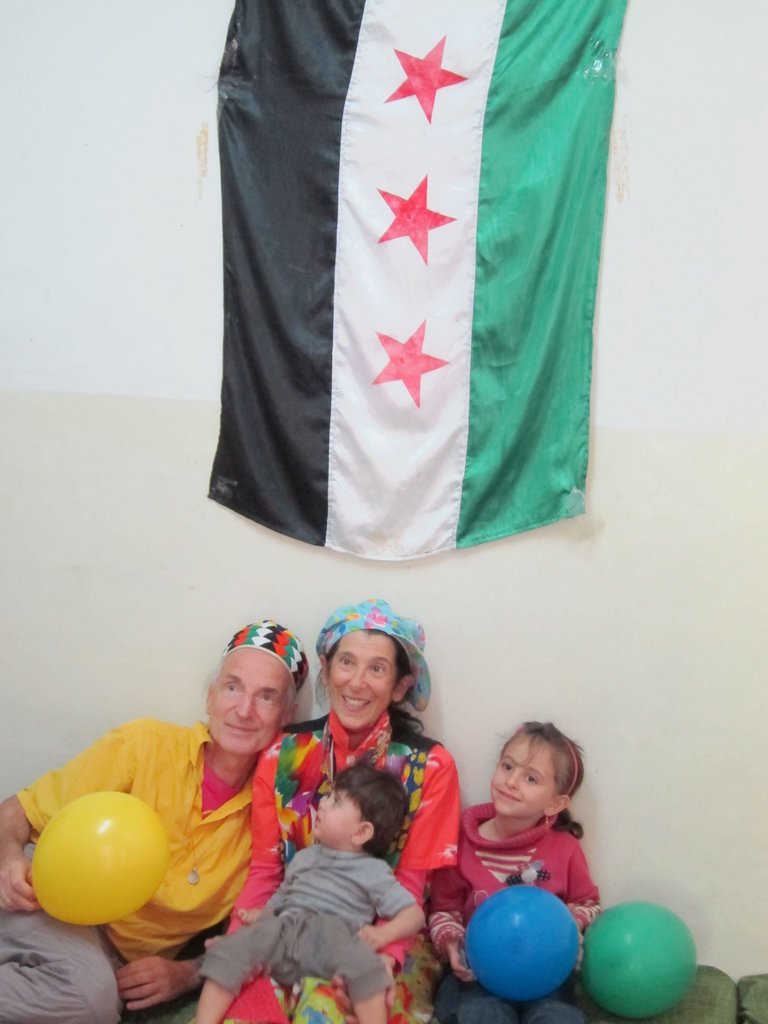
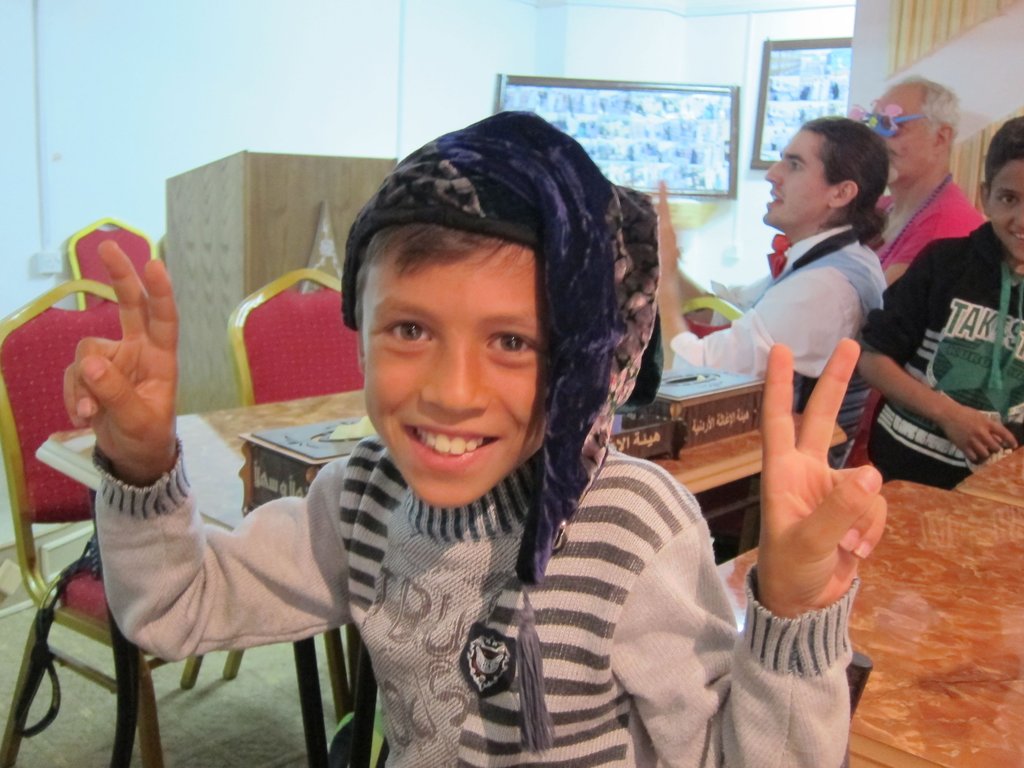
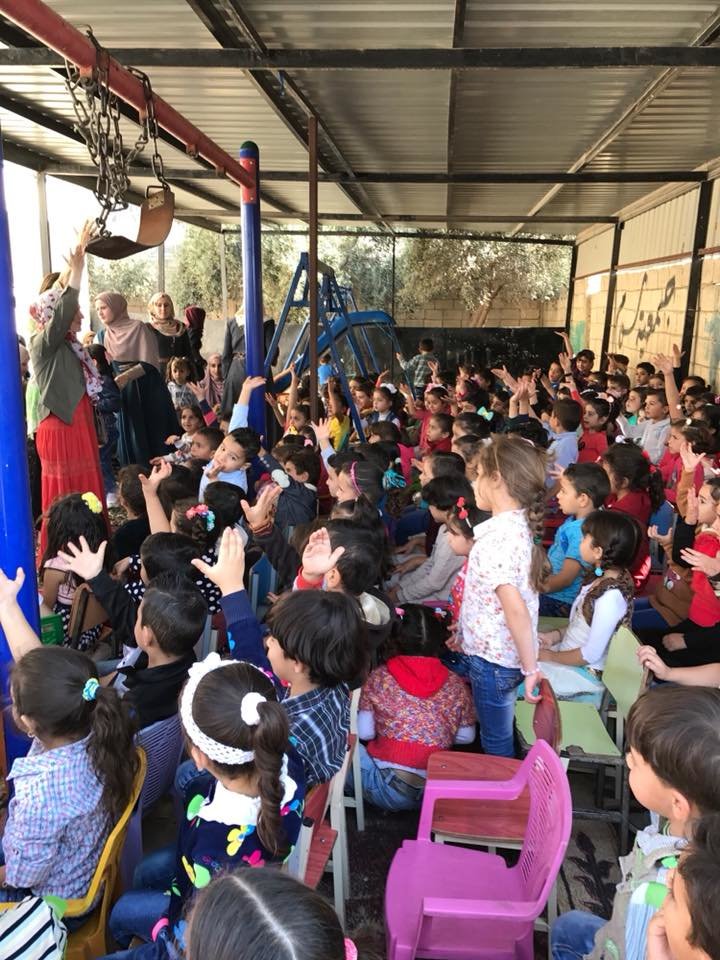
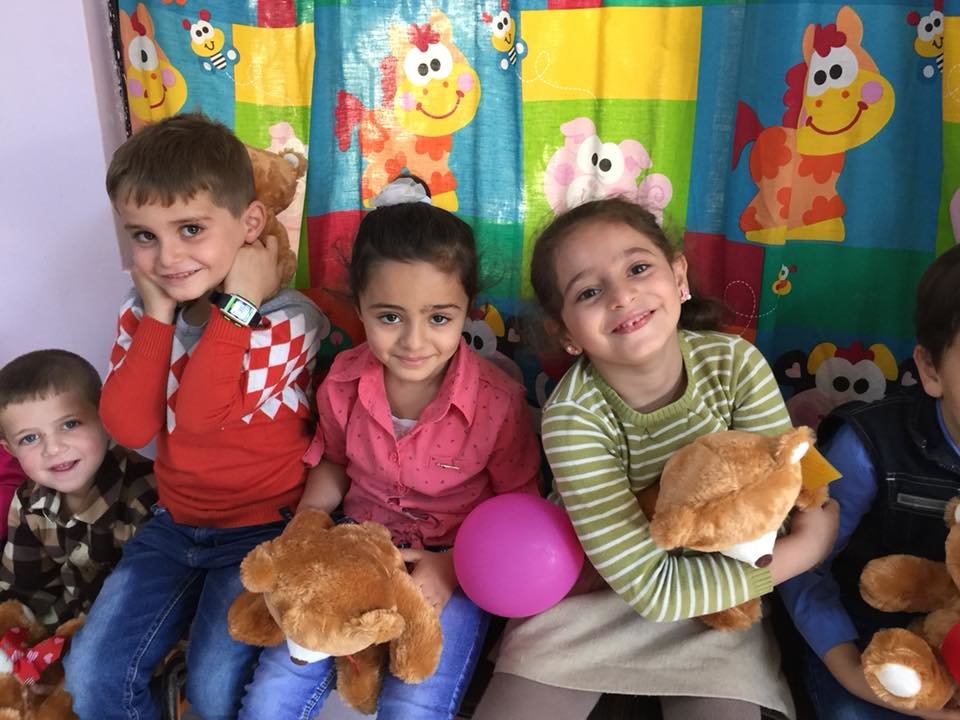
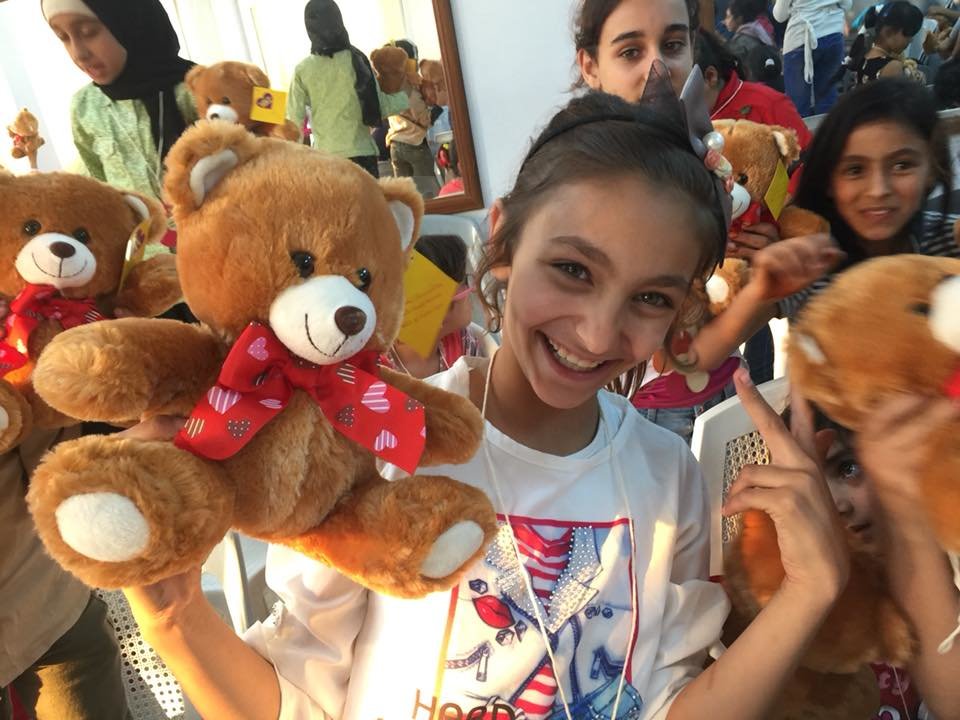
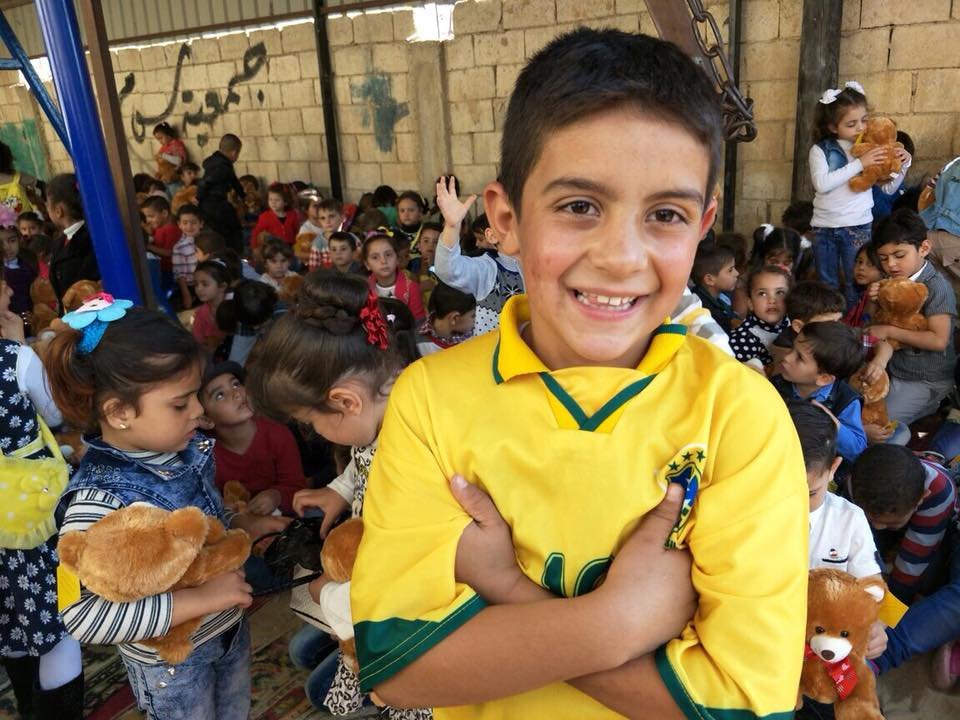
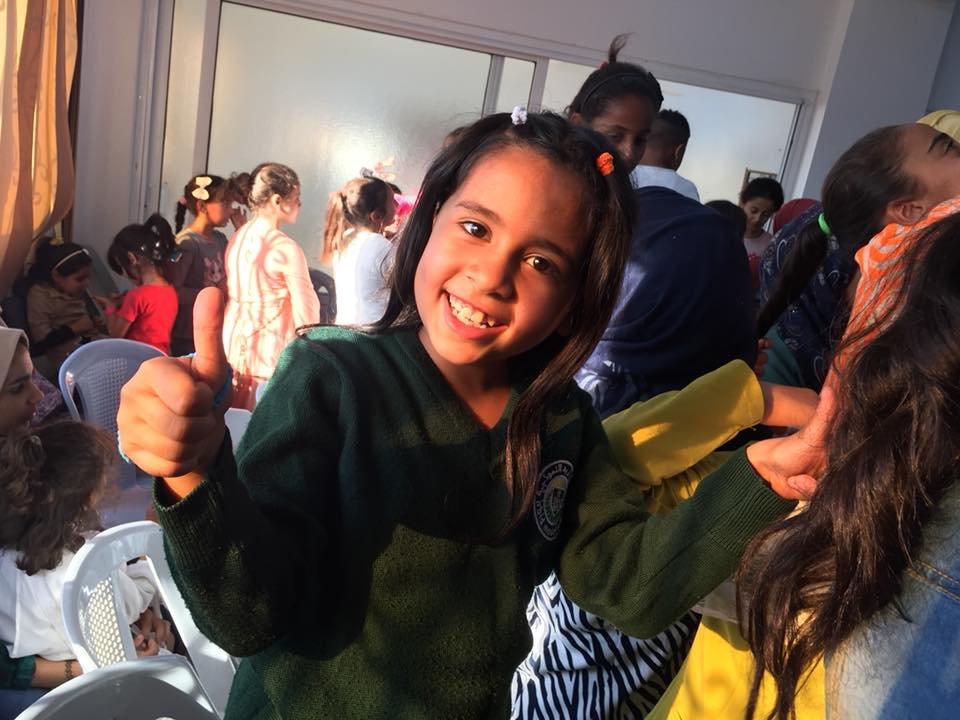
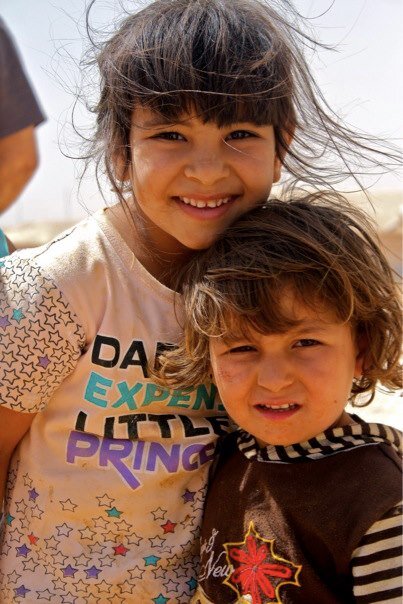
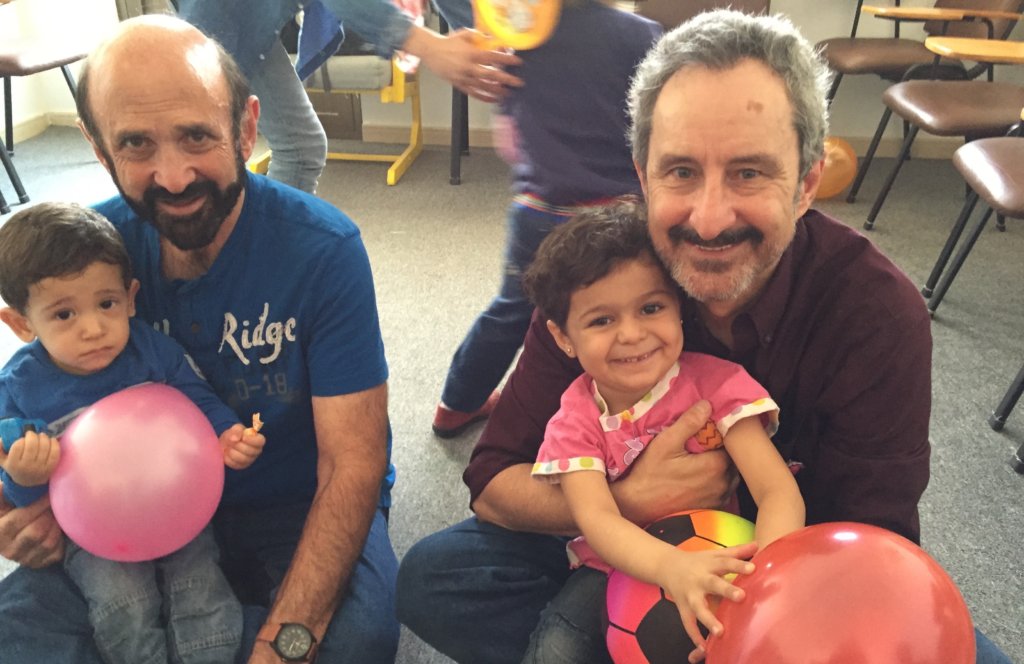
Successes are seen in the eyes of these children, when they can experience learning again through the elementary school we support, or feel safe and secure living in the apartment building we support that houses more than 40 families made up of refugee widows and their children.
Women’s Safe Space services for women and young girls continue to make use of the services and the secure, supportive setting of the Women’s Safe Spaces we’ve created. Our intent is to establish more of these spaces in more areas of Amman and Irbid, and in other cities.
By setting up virtual stations at these sites, refugees are also able to receive tele-health services when direct in-person access is not possible, and especially during this time when COVID is still widespread throughout Jordan and refugees are especially vulnerable with poor access to local health care services.
Equipping local health care service providers and aid workers with psychosocial skills to help them maintain our services to refugees remains a high priority. Regular skills training continues via both on-site and tele-health training sessions conducted throughout each week by our international expert training faculty.
As we strive to compensate for this time when travel to and throughout Jordan is significantly compromised by the pandemic, the resources needed to gear up and sustain a strong virtual treatment and skills training service to fill the gap are essential to the success of our aid to refugees, and to their future. Healing, recovery, and moving forward in life is precarious on their own, and most notably for children, many of who suffer from profound trauma and loss.
The need continues to be great, and our services continue to have a concrete and obviously beneficial impact on meeting the critical health care needs of refugee children and their families.
Our ability to maintain these basic disaster health care services to refugees in Jordan is directly based on how much funding support we receive to help cover out-of-pocket costs of getting these services to them. We continue to appeal for the critical financial support of those who can donate the power of their money to the direct costs of our getting these services to those who need it most, and in time.
HOW YOU CAN HELP US MEET THIS NEW CHALLENGE AND MAINTAIN OUR LIFE-SAVING ASSISTANCE:
Feel free to contact Steve Olweean, SHC Program Director and IHPA President, with any questions or to share your feedback at: SOlweean@aol.com.
Links: Program Details at our nonprofit partner site: Common Bond Inst.
Links:
Project reports on GlobalGiving are posted directly to globalgiving.org by Project Leaders as they are completed, generally every 3-4 months. To protect the integrity of these documents, GlobalGiving does not alter them; therefore you may find some language or formatting issues.
If you donate to this project or have donated to this project, you can receive an email when this project posts a report. You can also subscribe for reports without donating.