By Steve Olweean and Myron Eshowsky | Co-Coordinators
The Challenges:
Over these now several months of the COVID-19 pandemic the most vulnerable and struggling communities in the world are experiencing the greatest life-threatening impact.
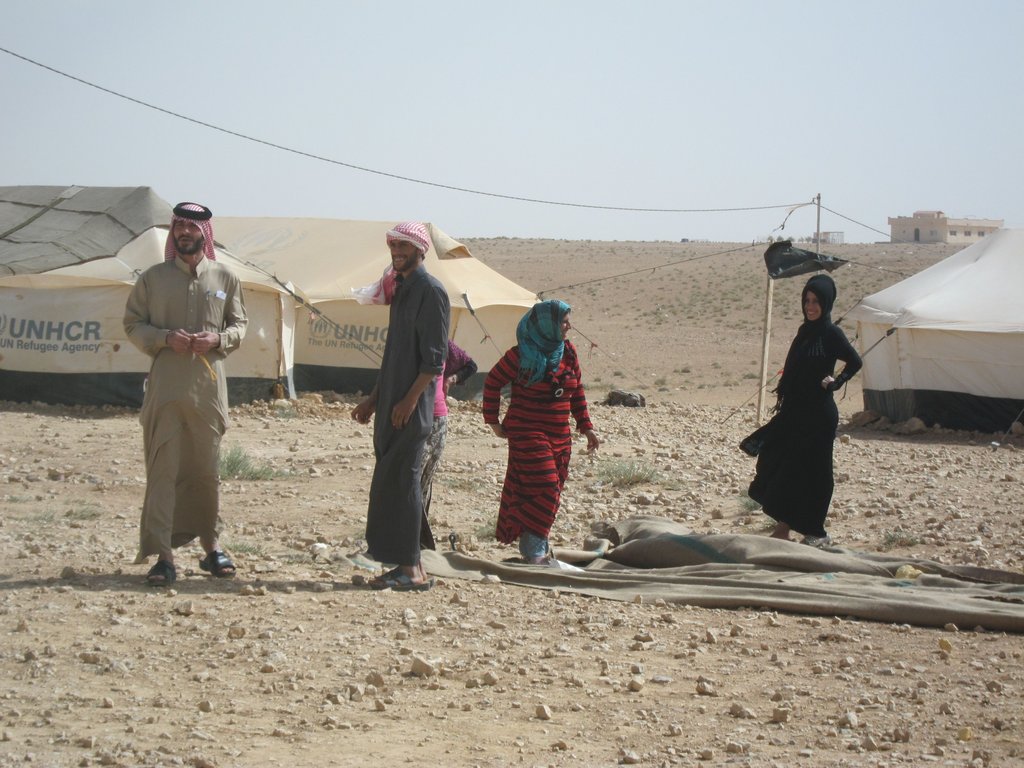
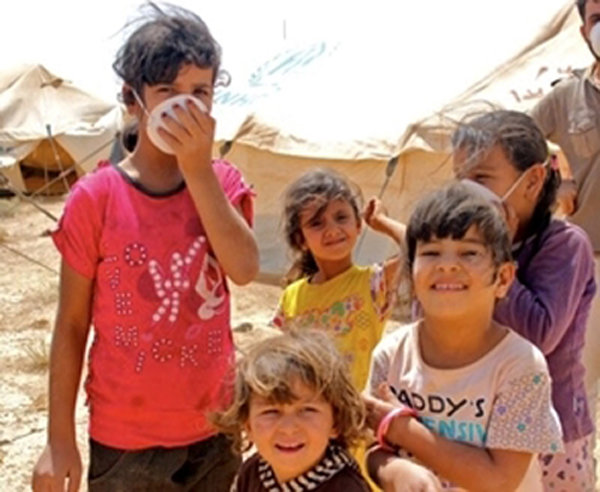
The massive population of refugees we continue to help in Jordan make up one of the most vulnerable, high risk groups among these communities for contracting, dying from, and rapidly spreading the COVID-19 virus. Combined with the devastating trauma and loss already experienced due to the Syrian civil war, these refugees are now faced with even greater risk to their survival.
What this now leads to is the danger that this entire population is on the verge of an eruption of COVID-19 cases, death, and transmission to many more, both within the refugee community and the surrounding region. As such, this threatens to produce a humanitarian catastrophe of even higher proportions than we are witnessing today.
What We Are Doing With The Help Of Donors To Meet This New Level Of Challenge:
In the midst of this pandemic among the most at-risk community in Jordan, and in addition to our on-going psychosocial trauma healing services, health and safety knowledge - and particularly specialized medical assessment, guidance, and instruction personally tailored to individual and family conditions and symptoms - is currently the most powerful asset we have at our disposal. The task has been getting this assistance to those in most need in time for them to benefit from it and help slow the virus.
An effective way we are using to achieve this is through relying more on tele-health. For several years we have already been providing a portion of our assistance as tele-health services in addition to our on-site, face to face assistance. To meet the increased challenges of the pandemic we are now working to rapidly and significantly ramp up our existing tele-health ability by setting up an expanding network of live virtual stations throughout Jordan in apartment buildings, large group homes, and camps where large numbers of refugees are already forced to live in compressed quarters, and where critical life-saving tele-health services can still immediately and regularly reach them.
The services are staffed by our international team of expert health care professionals, our local treatment team, and our large pool of hundreds of local trainees who are medical students and professionals. This is a coordinated virtual treatment, health education, guidance, and psychosocial support system in regions of Jordan with the highest concentration of refugees.
We are currently concentrating on sites in Amman and Irbid, and hope to continue adding sites in these and other regions of Jordan. Each virtual station allows a large number of people to access health care and support. With the critical financial support of generous donors we are purchasing and putting the required computer and internet technology and basic medical self-monitoring equipment in place that is needed to establish as many of these live virtual stations in as many of these compacted population centers as possible to maintain contact, provide health care service, and ensure life-saving help continues to reach refugee children and their families in desperate need.
Links:
Project reports on GlobalGiving are posted directly to globalgiving.org by Project Leaders as they are completed, generally every 3-4 months. To protect the integrity of these documents, GlobalGiving does not alter them; therefore you may find some language or formatting issues.
If you donate to this project or have donated to this project, you can receive an email when this project posts a report. You can also subscribe for reports without donating.