By Myron Eshowsky and Steve Olweean | co coordinators
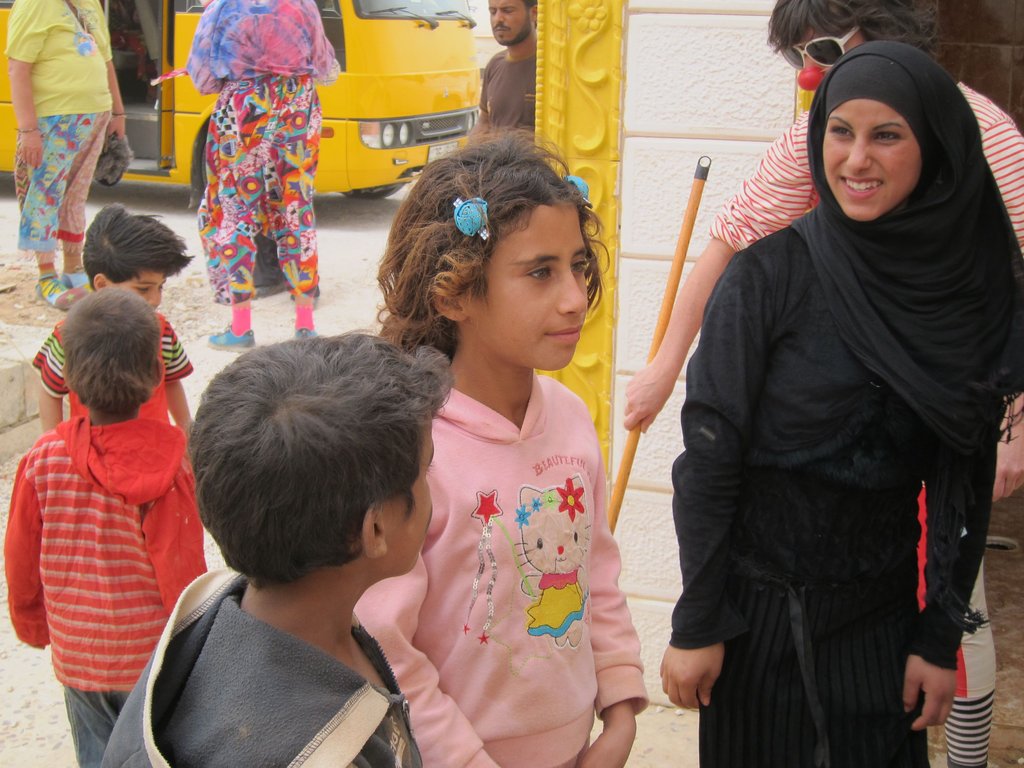
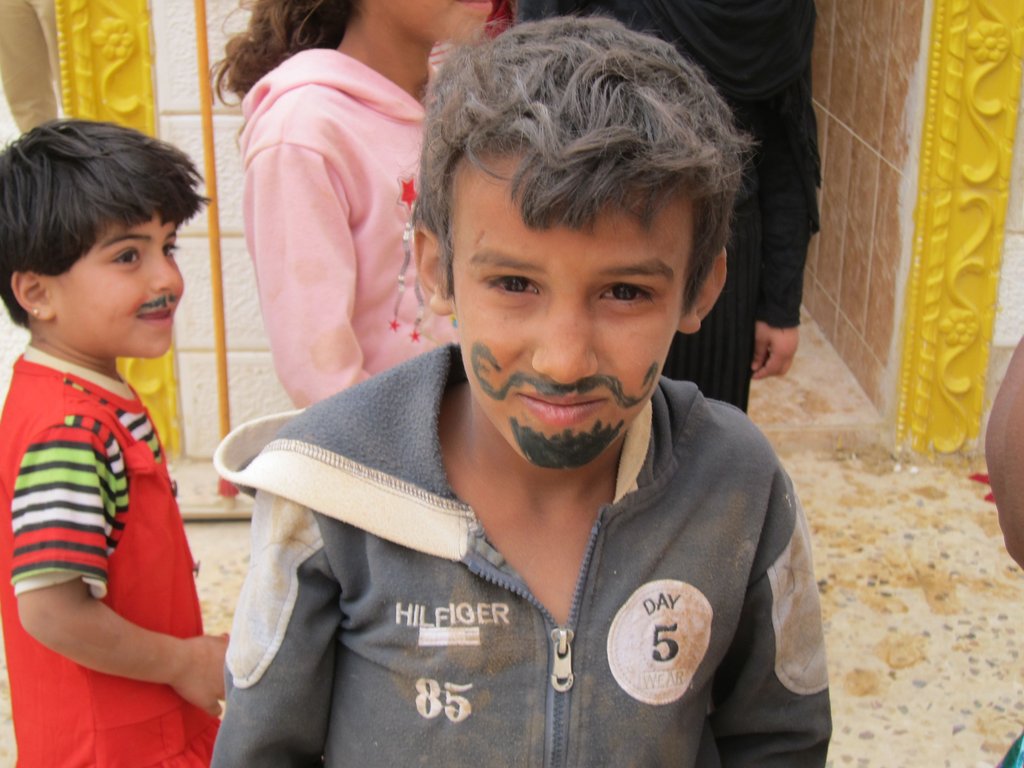
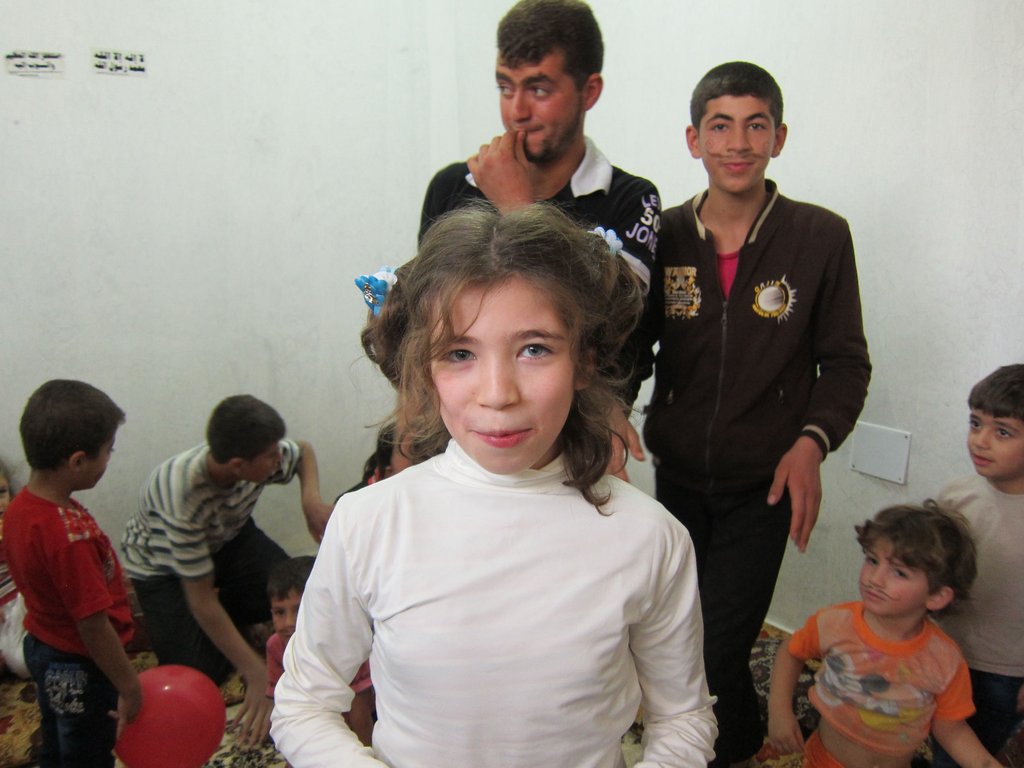
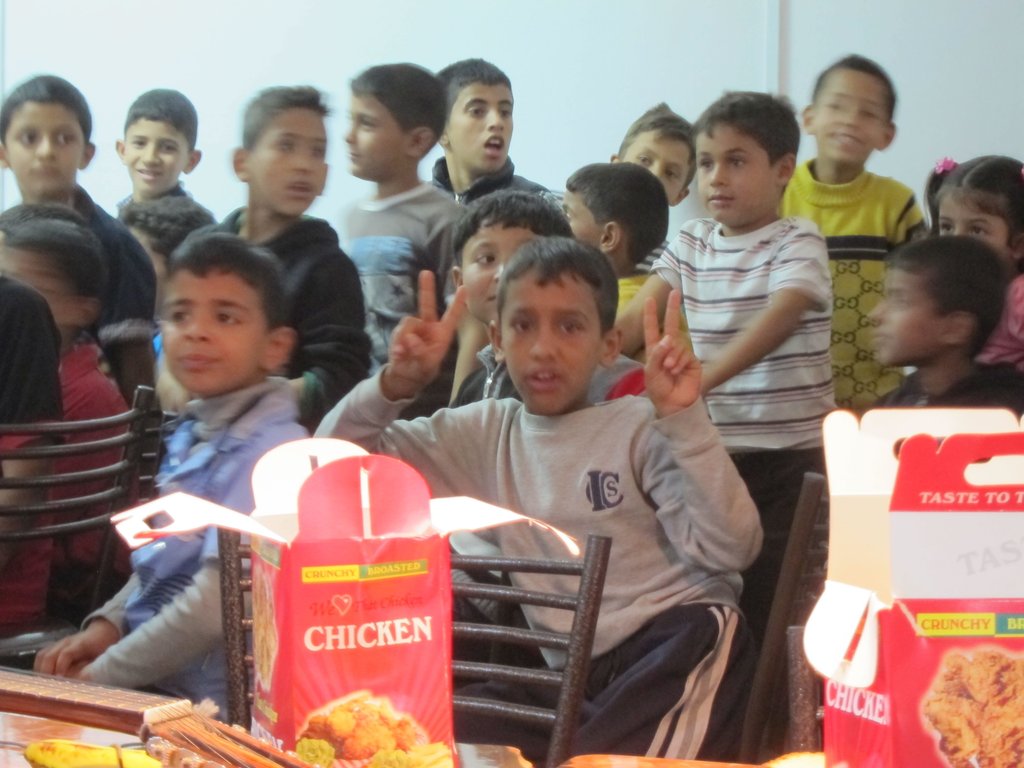
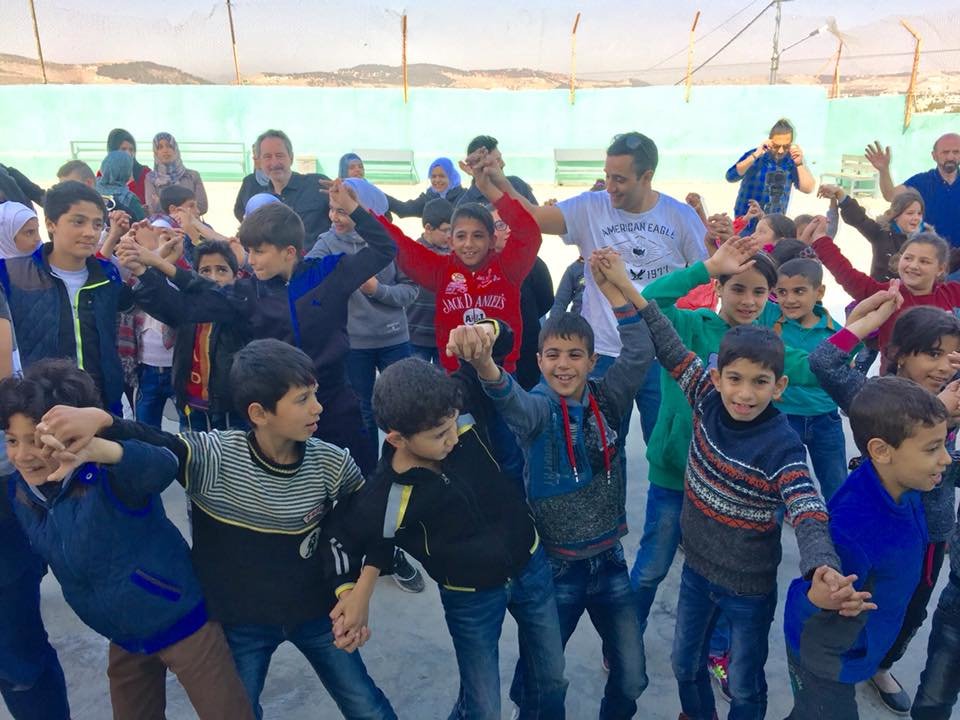
The Syrian civil war is now 8.5 years old and the needs of serving the large refugee community evolves as the realities of long term displacement take hold. In the early years of the conflict, a majority of the Syrian children were not attending school. A significant number (estimated at that time as 10%) of the children crossed the border without an adult relative. Many families kept their children at home out of fear for safety. Prior to the conflicts in Syria, Syria had one of the highest literacy rates in the world. Those numbers have dropped dramatically as a result of the war and mass displacement.
In the earlier years, those children who were going to schools often experienced being treated as unwanted outsiders and being bullied. Over time, in many situations a separate school track has evolved for the Syrian children to avoid these issues. The one consistent thread from the beginning has been the challenges of the schools being able to address the massive trauma healing needs many of these children present. While teachers have training in teaching subjects, most are ill equipped to handle the challenges of working with these children to provide a safe environment for learning. Issues that present themselves include but not limited to : emotional reactivity and fighting; depression; anxiety; suicidality; hyperactivity; inability to focus; lack of self esteem.
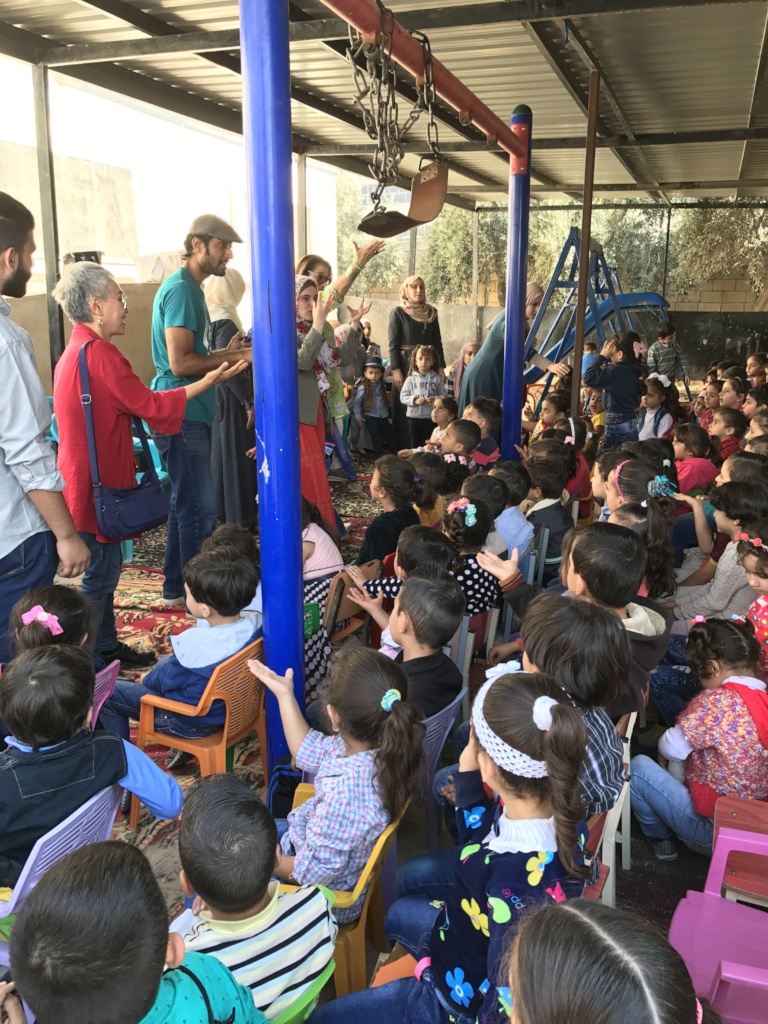
Expanding on our ongoing pilot projects, we are launching a trauma informed education project in one the schools that serves a largely Syrian youth population. Working with teachers and administration, we will provide on site training and virtual training content to raise awareness of the effects of trauma and how to address student needs in an educational setting. Additionally, we hope to make available our staff and volunteers to broaden service availabilty at the pilot project school. All of our pilot projects allow us to develop programming, assess what is working/what is not working, and then transfer those programs to other sites in the region to address refugee needs.
The schools are resource poor. So we have launched a drive to get laptop donations and we'll help with assuring the schools have a strong enough wifi connection for the virtual classes to succeed. Additionally, we are working on projects of U.S.A. children becoming pen pals with children our programs are serving and exploring the possibility of virtual connection of USA teens and Syrian teens.
Project reports on GlobalGiving are posted directly to globalgiving.org by Project Leaders as they are completed, generally every 3-4 months. To protect the integrity of these documents, GlobalGiving does not alter them; therefore you may find some language or formatting issues.
If you donate to this project or have donated to this project, you can receive an email when this project posts a report. You can also subscribe for reports without donating.