Social Health Care for Healing Syrian Refugees

by International Humanistic Psychology Association
Social Health Care for Healing Syrian Refugees

Project Report | Jan 8, 2019
A New Year of Promise and Continuing Life-saving Help

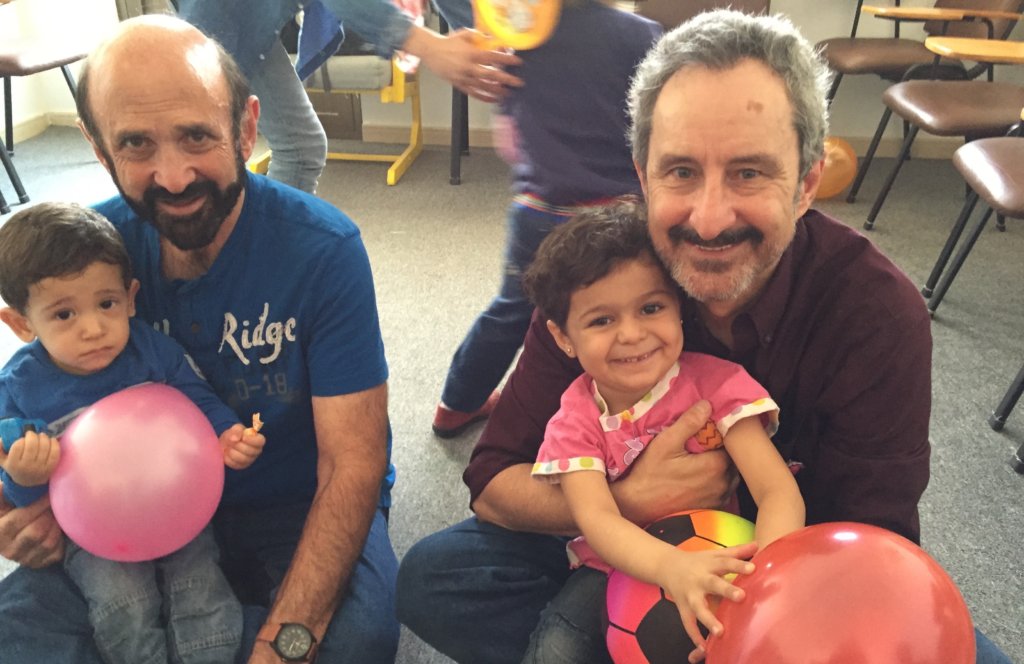
By Steve Olweean and Myron Eshowsky | Co-Coordinators

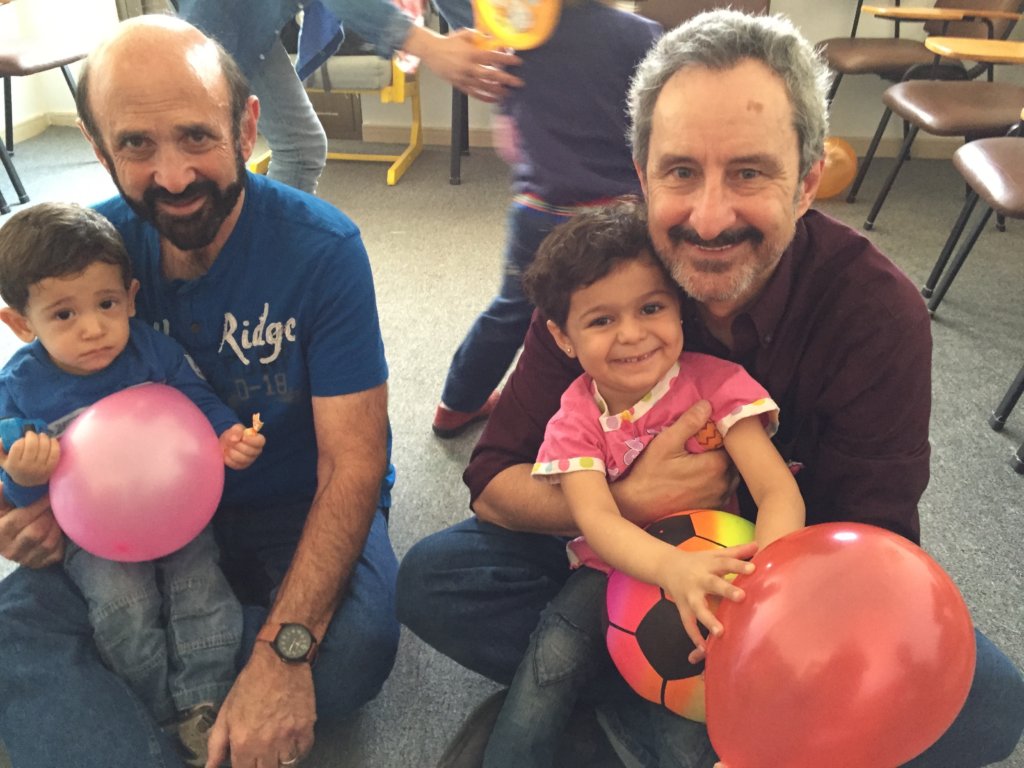
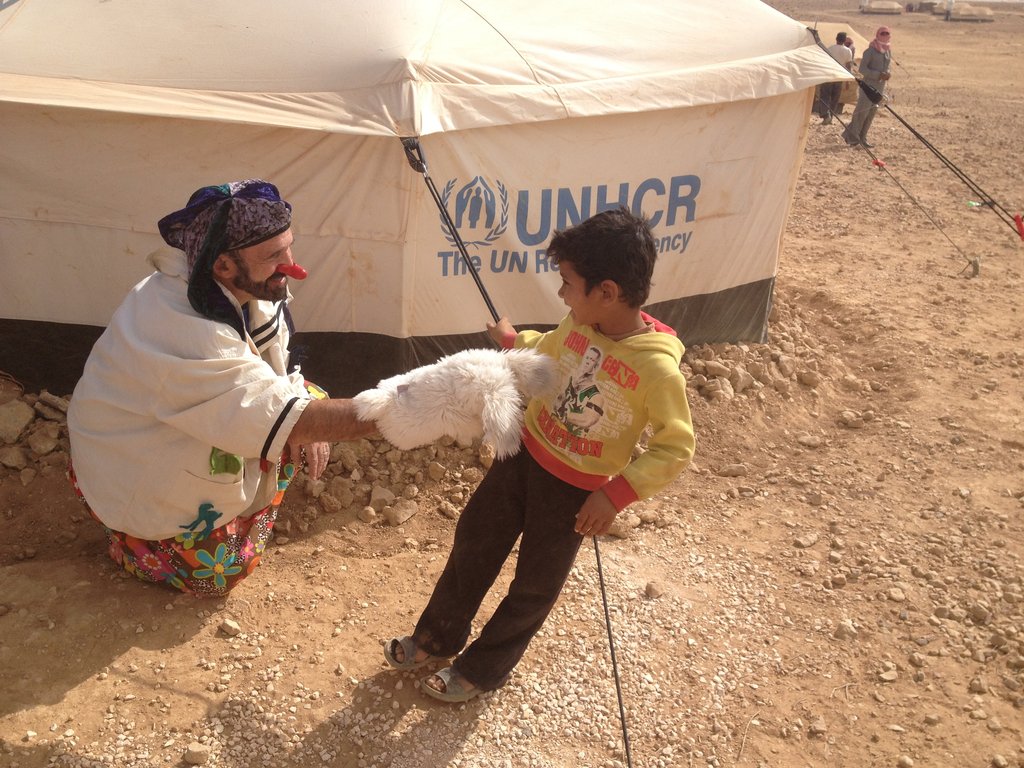
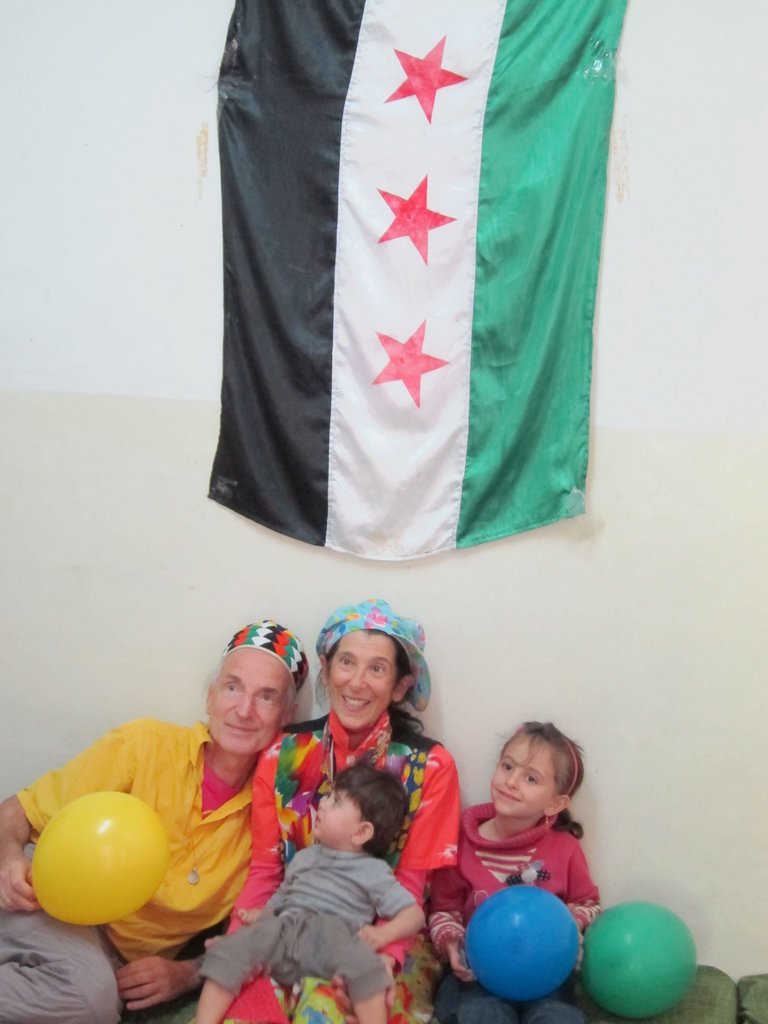
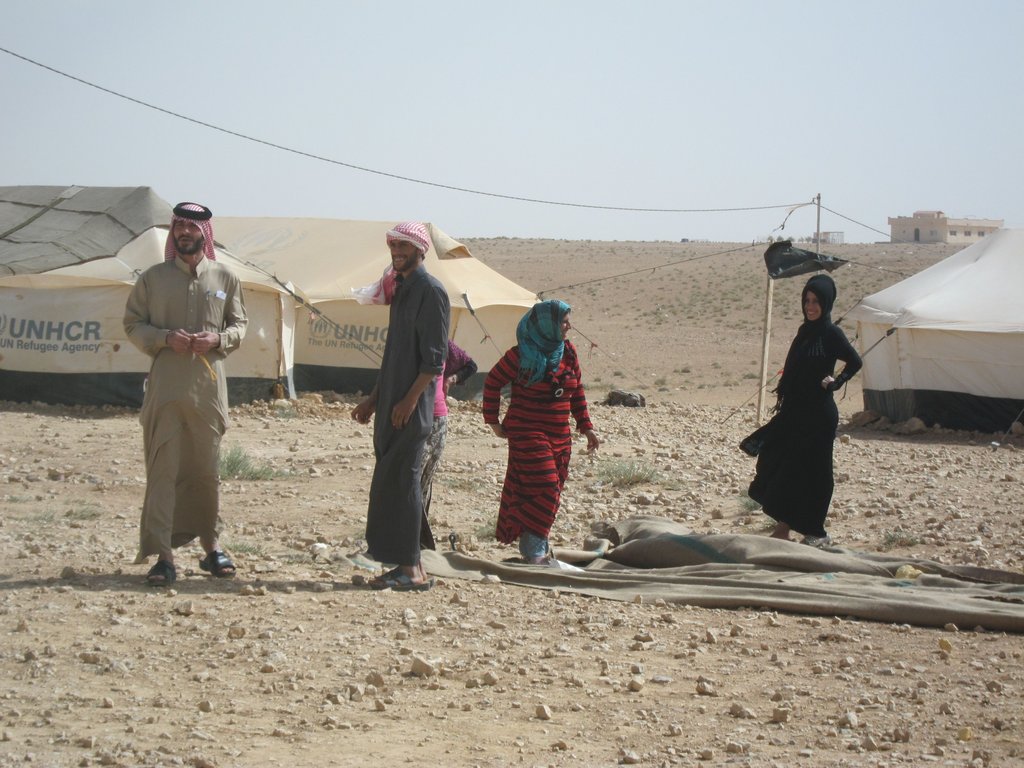
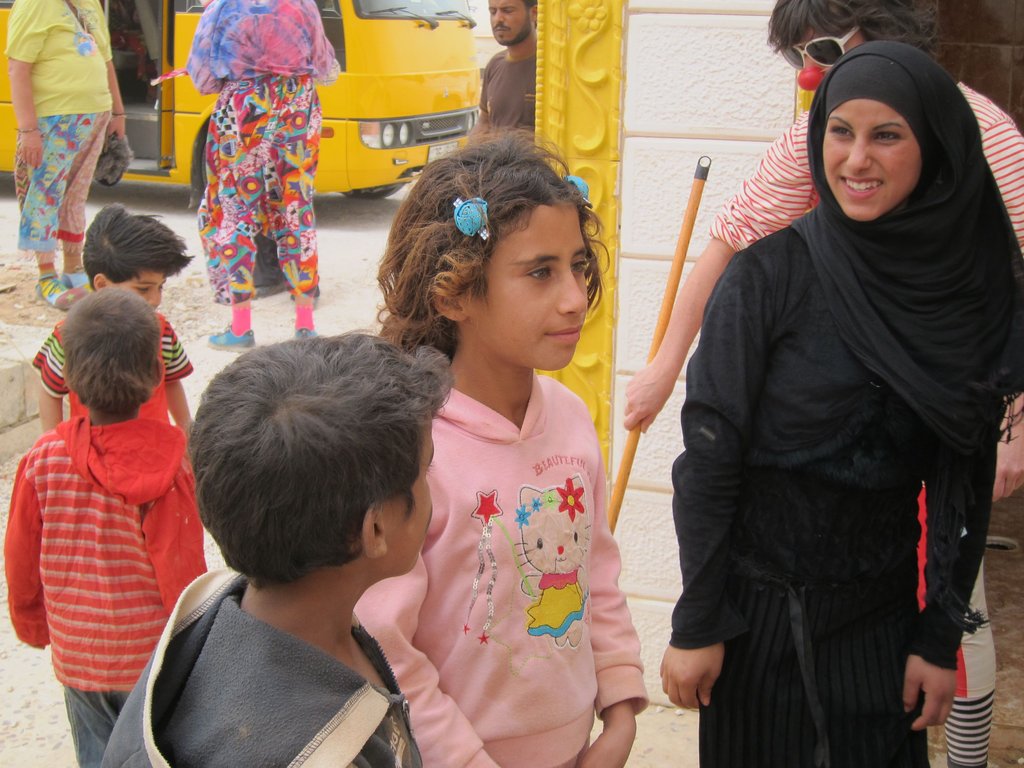
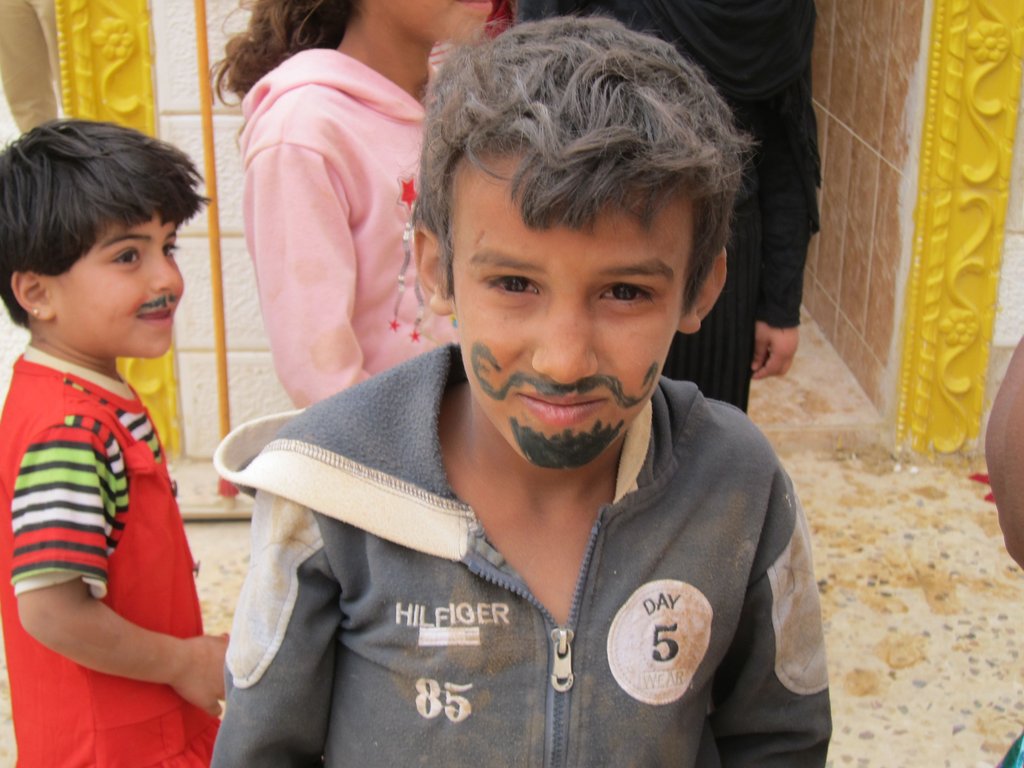
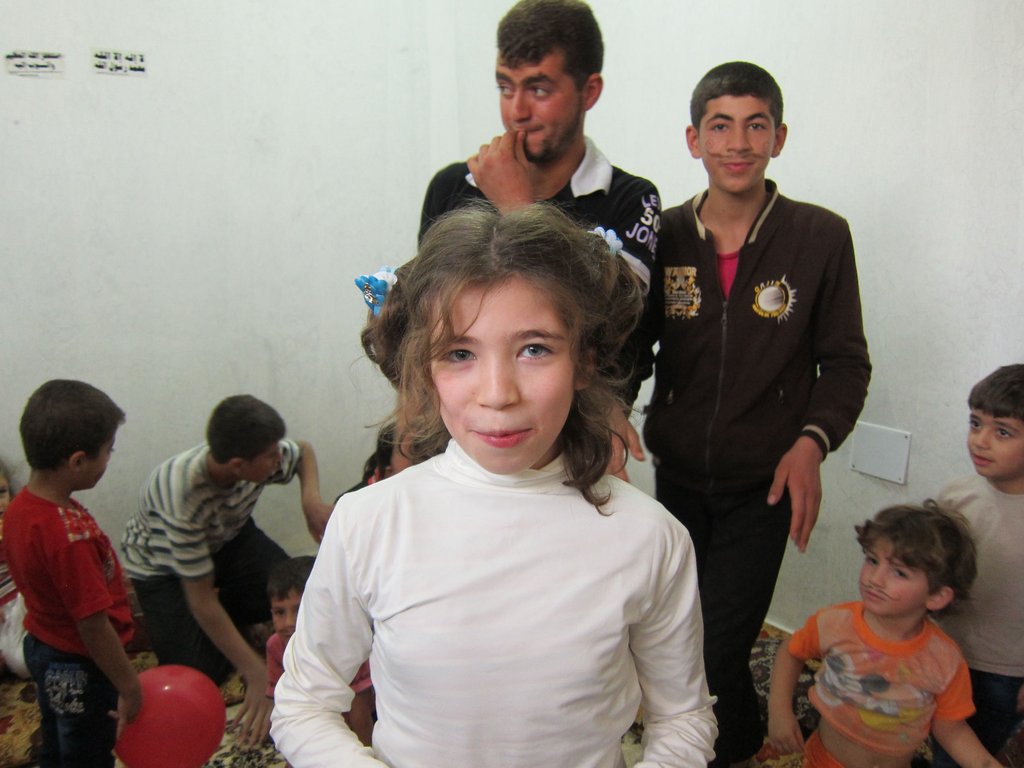
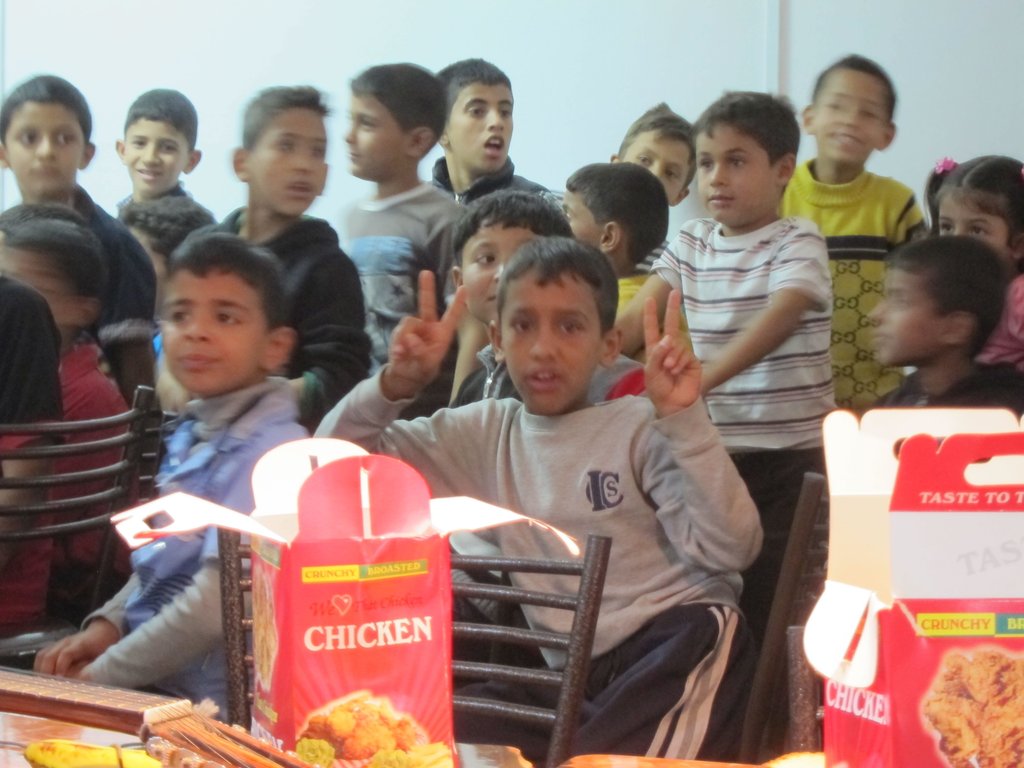
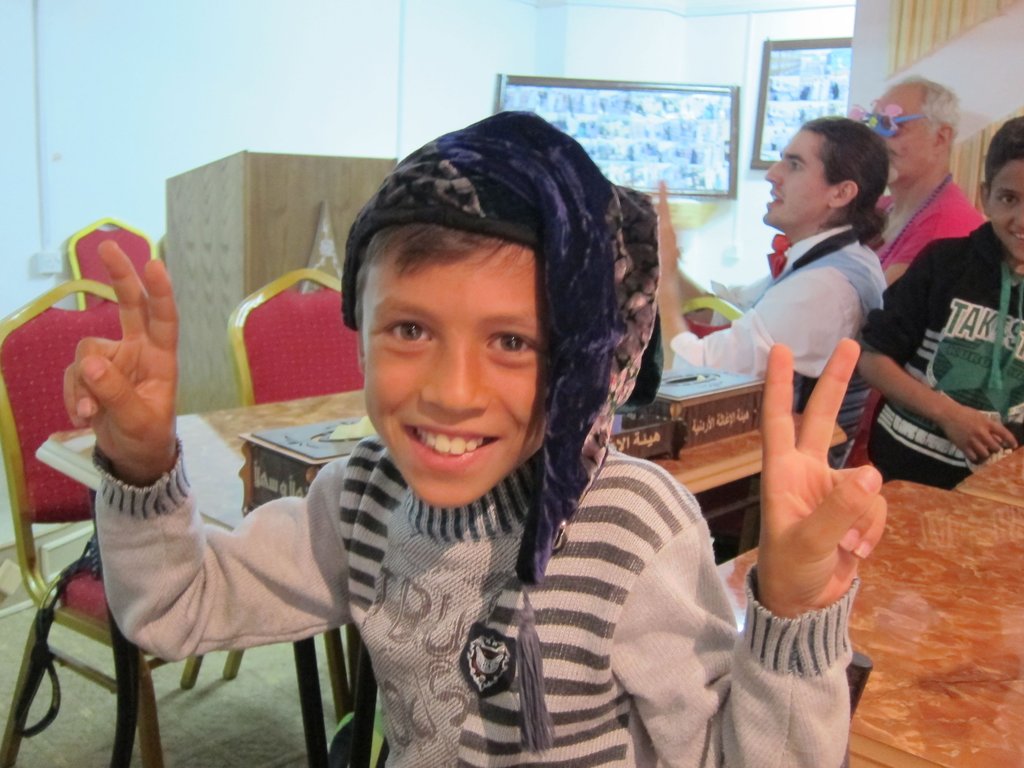
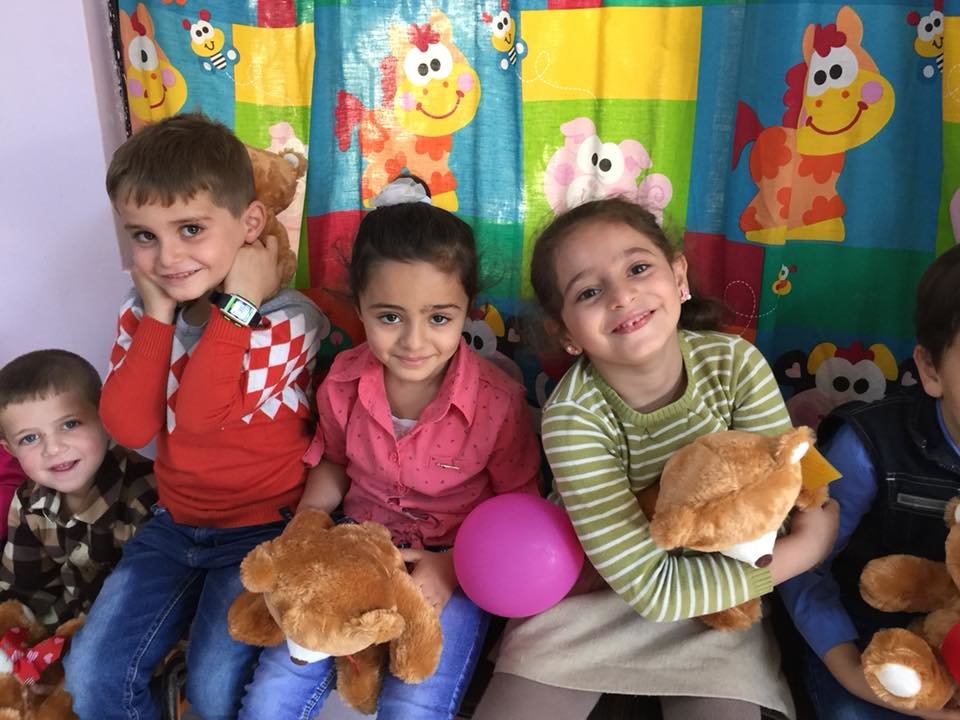
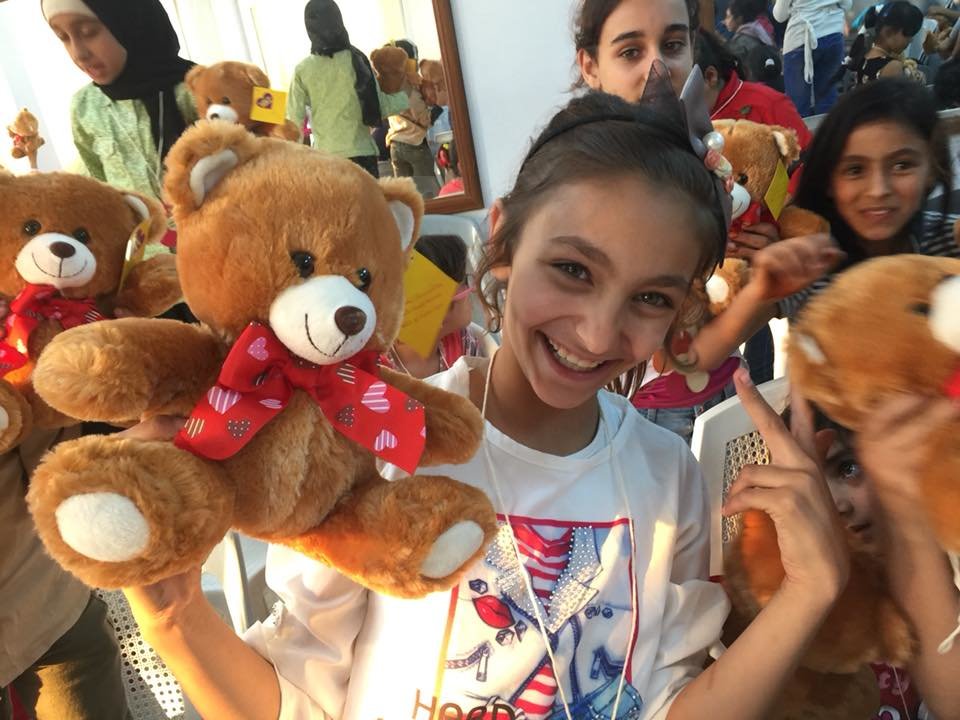
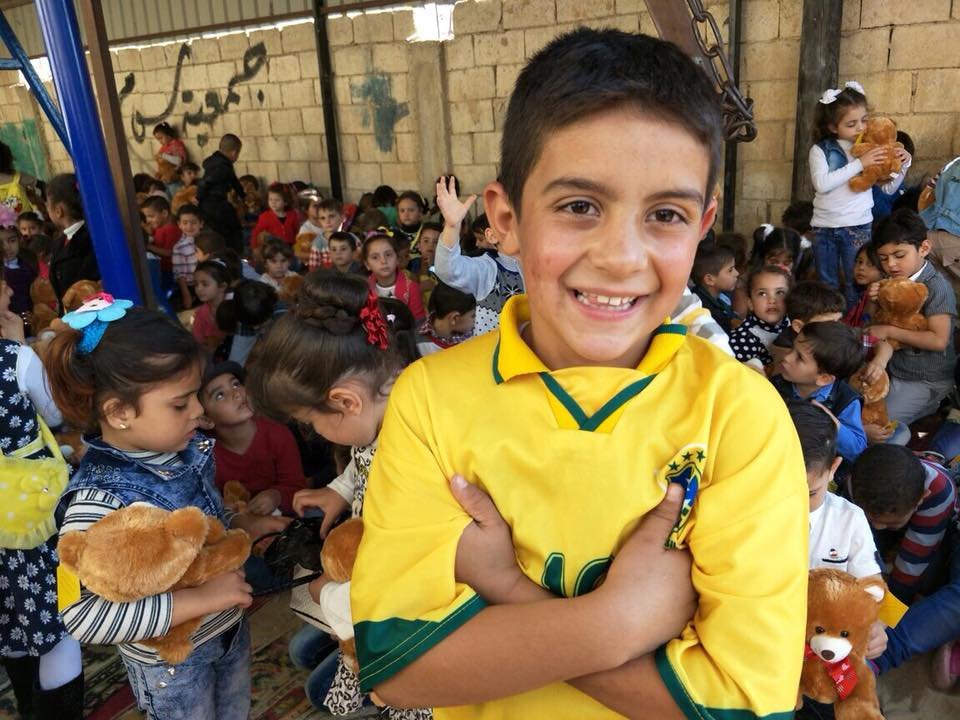
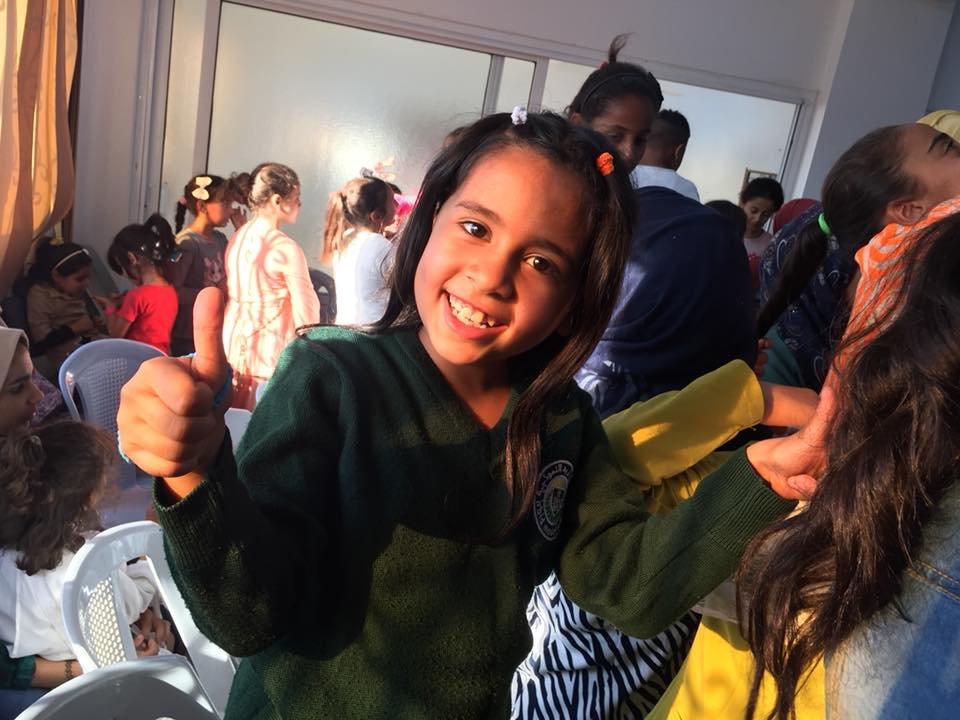
As time goes on the global public attention can tend to shift from focusing on the massive, continuing tragedy of the Syrian refugees crisis in the Middle East to other significant events around the world. However for the millions those caught up in this catastrophe, most of who are children, the daily trauma, misery, and despair continues and becomes further embedded in their life experience.

Our commitment has been and continues to be persisting in doing all we can to aid those most vulnerable - and particularly the children, as well as seeking to keep this tragedy on the public table and in the public consciousness so that they do not feel abandoned or hopelessness.

For us, the path to recovery for those we assist has always been local capacity building, cultural adaptation, strategic collaboration with local partners, and community empowerment - to provide immediately needed direct healing services while helping to equip the victimized community itself by instilling it with the requisite skills and service templates to become the most effective, primary, and sustained provider of it’s own healing and recovery into the future. We see this as essential to the goal of healing, recovery, and dignity for both individuals and the communities they make up.

And so our services are always a purposeful blend of both direct services in the immediate, along with skills training - from self-help to higher level professional treatment - and pilot demonstration service projects that can successfully operate in regions of turmoil with scarce skill and hard resources. Beginning in 2011 our efforts in Jordan have steadily expanded based on these priorities in direct partnership with local colleagues.

2018 was a year of maintaining our level of life saving services to Syrian refugee children and their families, while steadily expanding on these services and training local service providers to increasingly reach more of those in need.

OVER THE LAST 3 MONTHS we have continued to deliver the following healing and recovery services to assist refugees in Amman and Irbid

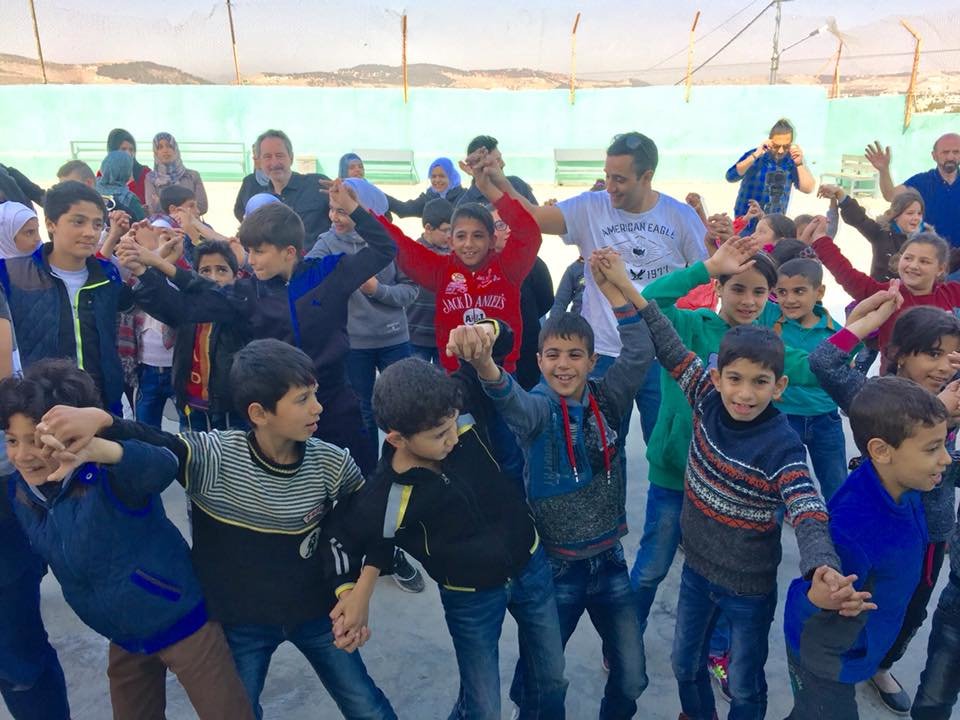
  • Conducted another Disaster Health Care field clinic in Amman and Irbid administered by our visiting clinical staff and local trainees to provide culturally adapted psycho-emotional trauma therapy.
  • Conducted coping and self-help skills training for refugees at our treatment sites in Jordan. Examples included stress and mood management, effective parenting under stressful situations, nonviolent communications, interpersonal relationship and communications, assertive problem solving, decision making, and self-advocacy, English as a 2nd language, and employment preparation.  
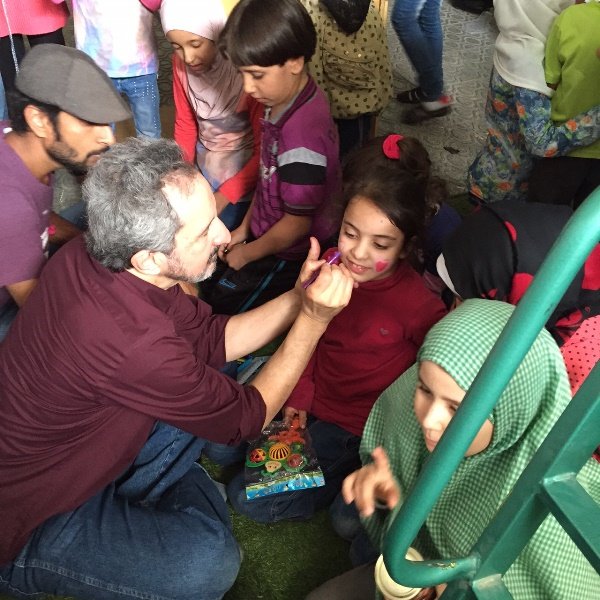
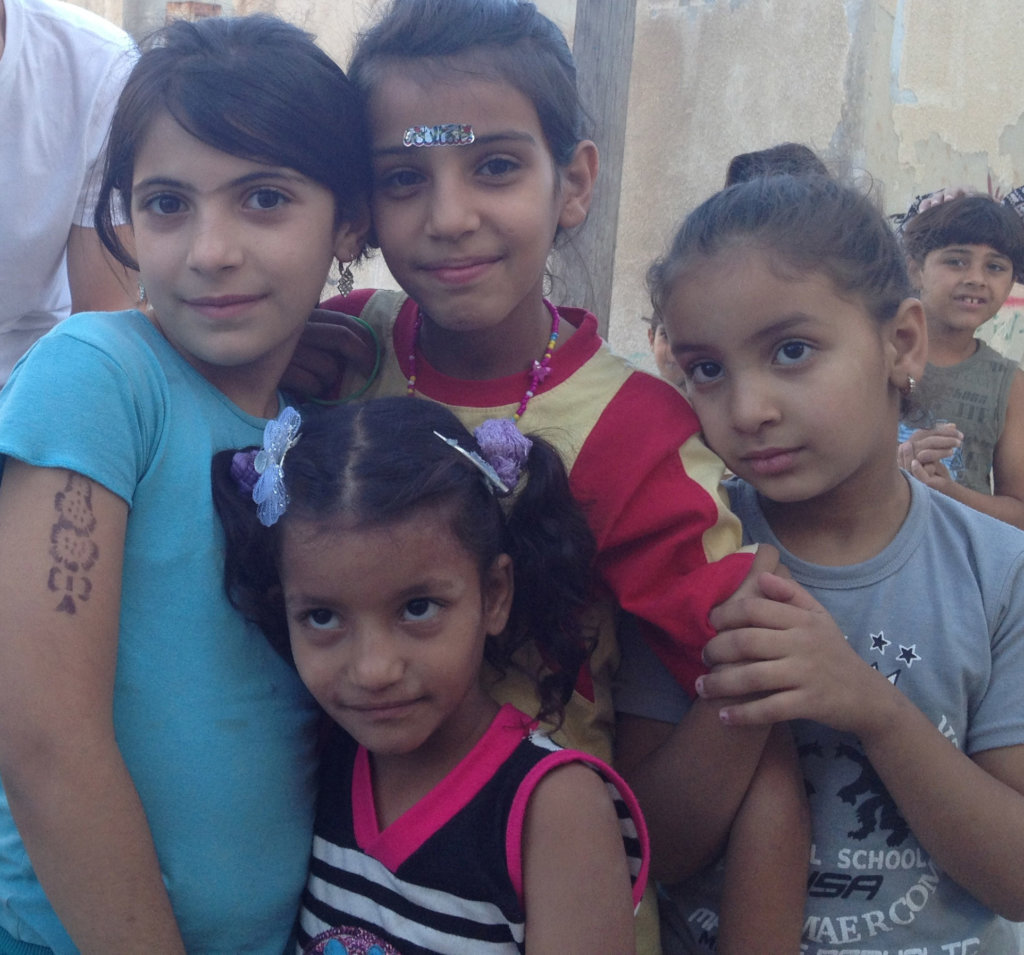
  • Operated the Women’s Safe Space program in Irbid. Safe Spaces are community-based psychosocial programs providing vulnerable refugee women and children with a regularly available, dedicated space where they can feel secure, comfortable, and nurtured while receiving psycho-social treatment and support in their healing and recovery process. Among services are counseling to alleviate trauma symptoms, support groups, medical health care screening and support (including health education, materials, and guidance on women’s health issues), training in personal coping and empowerment skills to promote self-confidence, self-esteem, and resilience, physical exercise, and craft and creative activities.
  • Operated women’s support groups at the residential center in Amman and Safe space in Irbid.
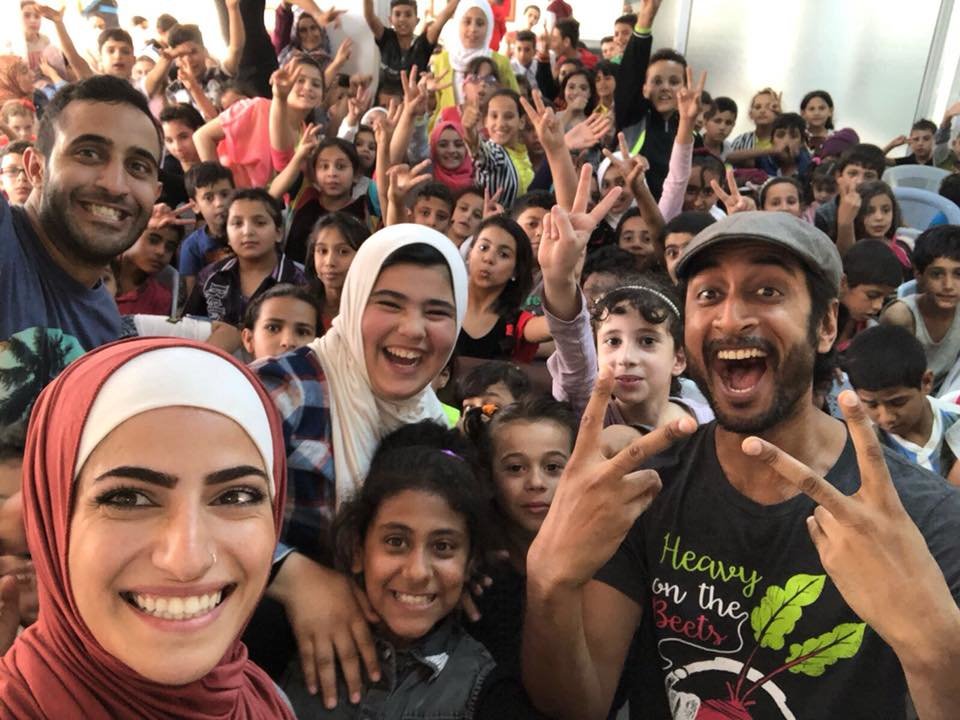
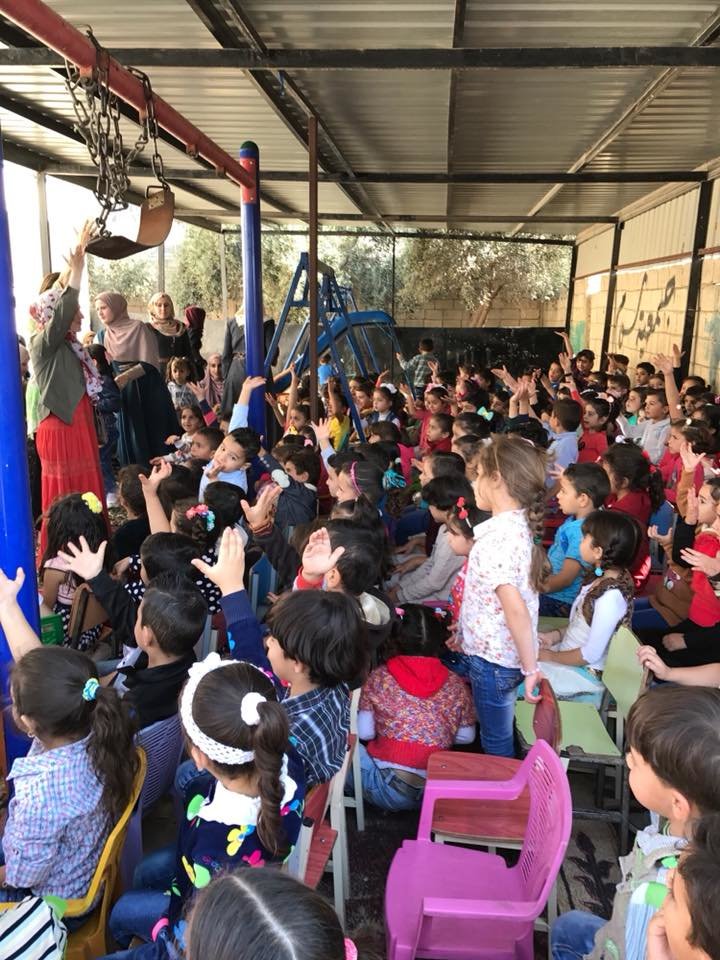
  • Conducted Community Resilience Building events.
  • Supported refugee students and a refugee elementary school in Amman with tuition and basic supplies that are enabling students to remain in school and the school to remain open.
  • Conducted training sessions in practical trauma treatment skills, through our Social Health Care (SHC) training program, to help equip local members of society (students, NGO staff, health care professionals, aid workers, teachers, clergy, and volunteers) with skills at the para-professional and professional level to create a growing pool of psychosocial service providers that can increasingly assist refugees and vulnerable populations into the future. Within the SHC program, in 2017 we established the Psychosocial Specialty Training (PST) program to train all 5th and 6th year medical students in Jordan in psychosocial skills. More recently, in October, 2018 this major landmark program was officially designated as a formal part of medical students studies, in partnership with all Jordanian medical schools and Michigan State University Department of Psychiatry, and significantly expanded. The result will be dramatically increasing the number of medical professionals in Jordan over time equipped with skills that range from basic fundamentals in assessment and supportive mental health counseling and intervention, to advanced therapy.

2019:

As we move into this new year we will be continuing to conduct and further develop the above programs.

IN ADDITION, we are planning and developing new and critically needed services that can significantly increase the benefits to Syrian refugee children and their families, and that we hope to be able to put in place in the coming months based on gaining continued support for our efforts. These planned services include.

   1)  Further developing and expanding on the Women’s Safe Space program to establish a new service site in Amman, with future plans to replicate this program in Karak to reach more women and children.

   2)  Planning to expand the number of support groups to include groups for young girls and young boys

   3)  Planning toward developing a Trauma-informed Educational Recovery Project - a pilot project to demonstrate a model for expanding and sustaining services into the school system. This planned project would provide on-going services and support within the school setting that include:

  • teaching children self-help, coping, and resilience building skills,
  • training teachers and administrators in identifying, understanding, and being sensitive to trauma symptoms, and in basic supportive responses to students and parents, and
  • teaching parents skills in coping and parenting children experiencing trauma symptoms.

HOW YOU CAN HELP MAINTAIN OUR LIFE-SAVING ASSISTANCE:

  • Continue supporting our work with your generous contributions. Every donation amount results in our reaching more children and families to achieve more healing and recovery.

  • Share our story with family, friends, and colleagues to encourage their support by raising awareness of both the need and the concrete good being done.

  • Link our appeal site to your social media sites and ask others to do the same.

  • Learn if your employment offers matching donations for humanitarian causes to multiply our contributions.


Feel free to contact Steve Olweean or Myron Eshowsky with any questions or to share your feedback: SOlweean@aol.com.

Links:

Share on Twitter Share on Facebook

About Project Reports

Project reports on GlobalGiving are posted directly to globalgiving.org by Project Leaders as they are completed, generally every 3-4 months. To protect the integrity of these documents, GlobalGiving does not alter them; therefore you may find some language or formatting issues.

If you donate to this project or have donated to this project, you can receive an email when this project posts a report. You can also subscribe for reports without donating.

Sign up for updates

Organization Information

International Humanistic Psychology Association

Location: Climax, Michigan - USA
Website:
Steve Olweean
Project Leader:
Steve Olweean
Climax , Michigan United States

Retired Project!

This project is no longer accepting donations.
 

Still want to help?

Find another project in Jordan or in Disaster Response that needs your help.
Find a Project

Learn more about GlobalGiving

Teenage Science Students
Vetting +
Due Diligence

Snorkeler
Our
Impact

Woman Holding a Gift Card
Give
Gift Cards

Young Girl with a Bicycle
GlobalGiving
Guarantee

Get incredible stories, promotions, and matching offers in your inbox

WARNING: Javascript is currently disabled or is not available in your browser. GlobalGiving makes extensive use of Javascript and will not function properly with Javascript disabled. Please enable Javascript and refresh this page.