By Bambi Reyes | Executive Director
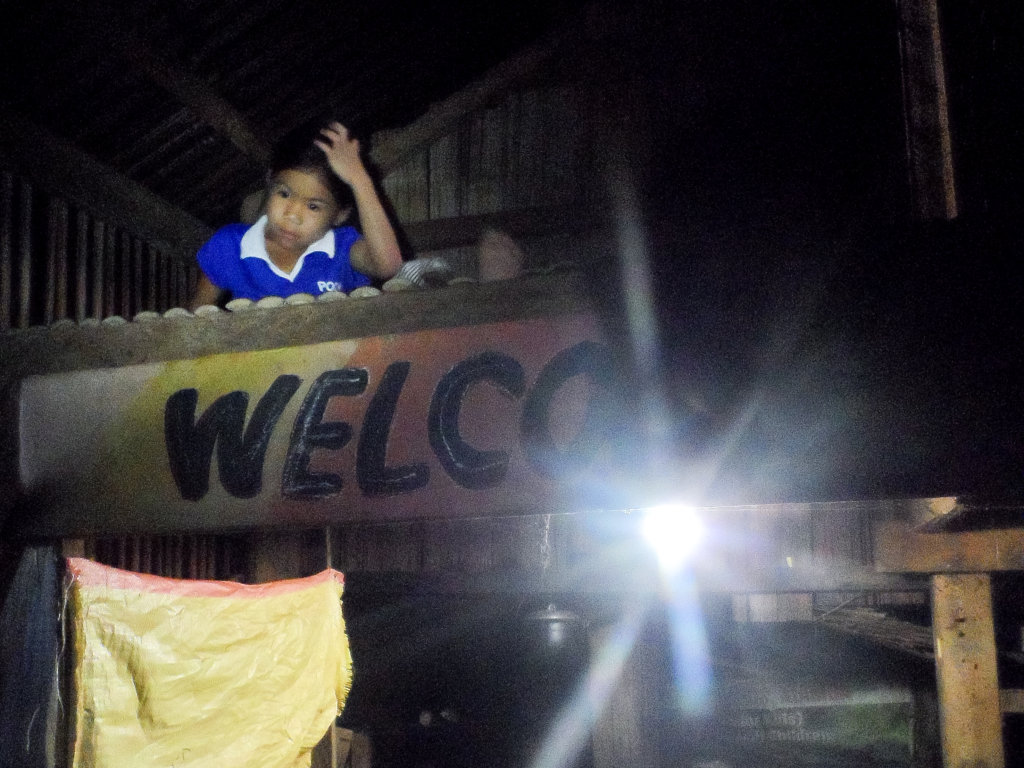
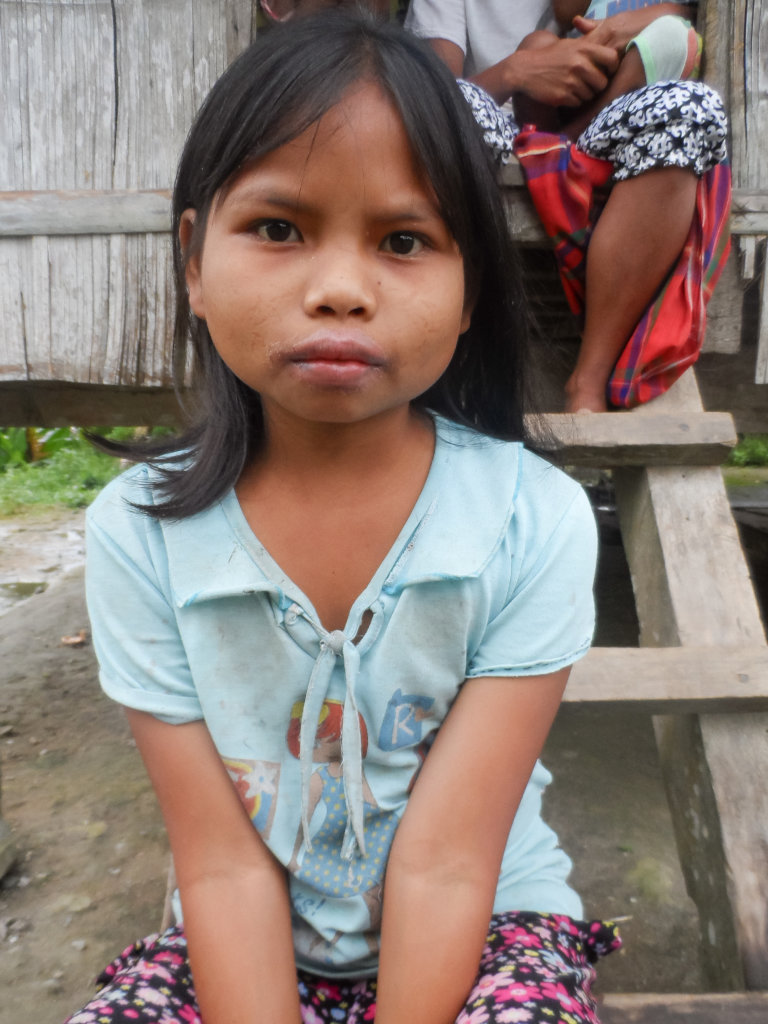
Jocelyn is a 13-year-old Tboli. She’s a fourth grader in Green Valley Integrated School. She lives right in the middle between the the school and the community-built cottage for teachers.
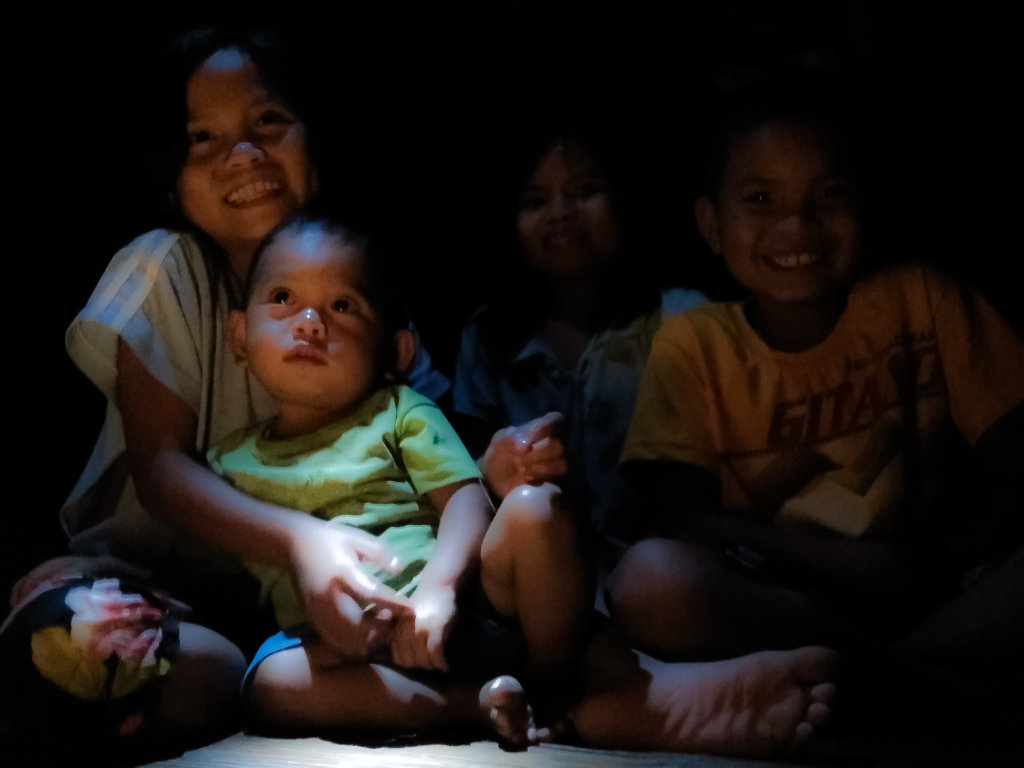
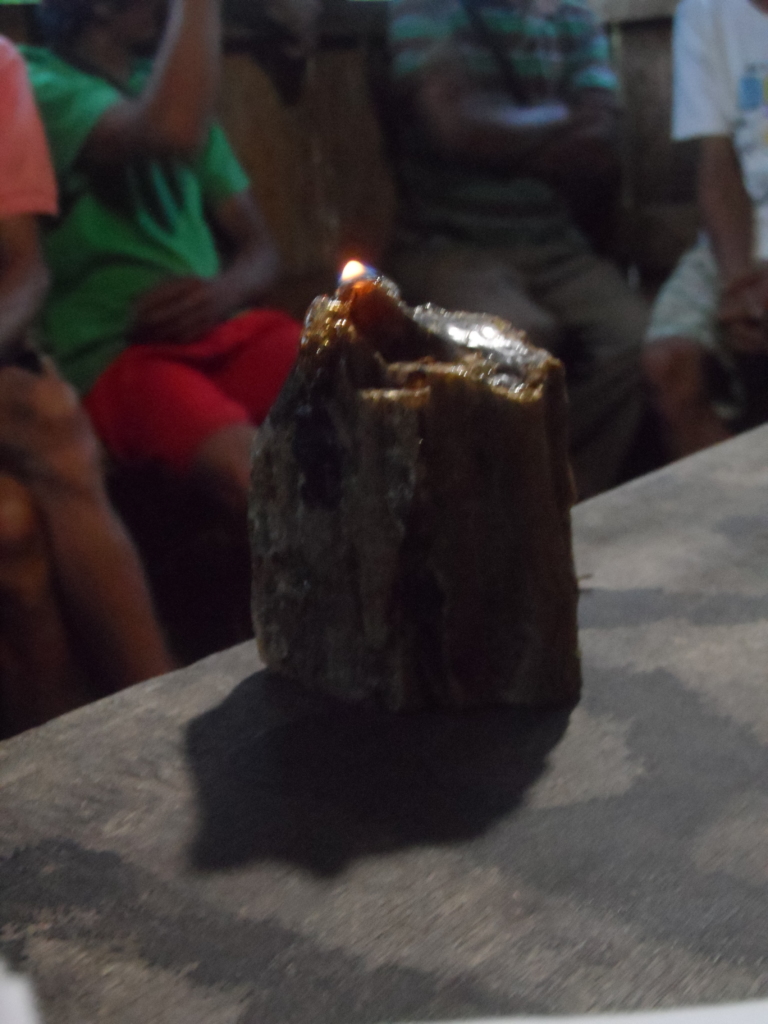
She shares her unelectrified home with her parents, infant sibling and her grandmother. Most nights, their home rely on the very dim light of (tree sap) resin-lighting, but she doesn’t like it because it emits too much smoke. When they have money for fuel, they use kerosene lanterns for night light.
She prefers to hang out at her next-door neighbor's home at night, before everyone goes to sleep right after dinner, because they have a flashlight.
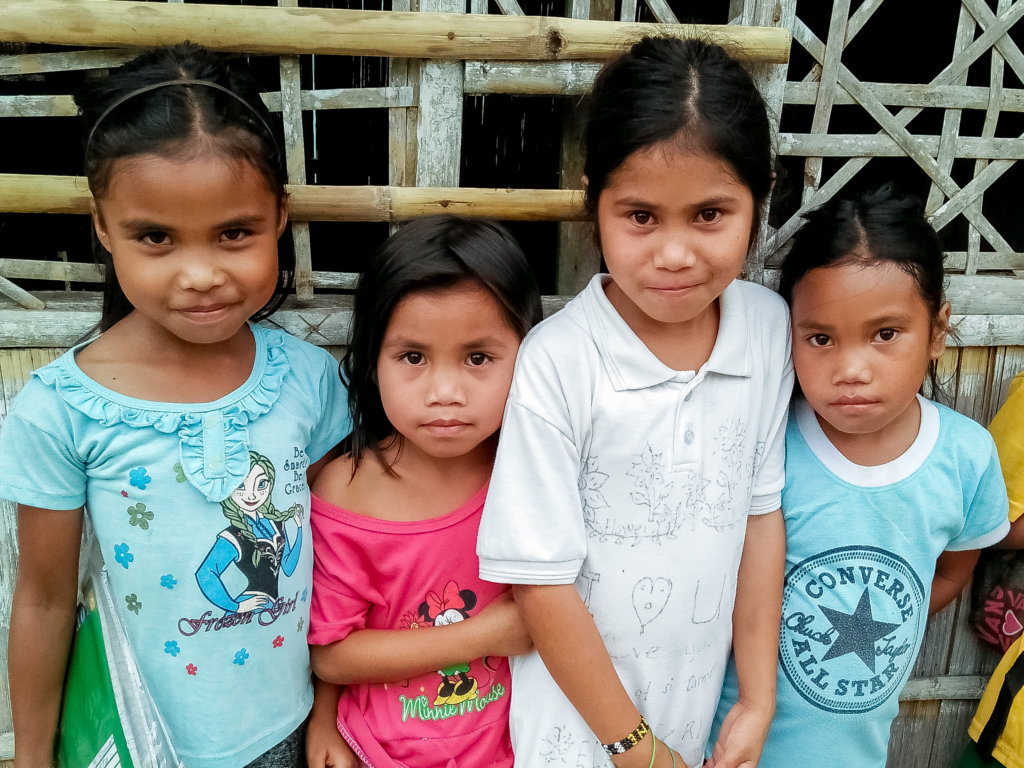
Green Valley Integrated School (GVIS) caters to the education of 230 Filipino children belonging to an upland indigenous group known as Tboli, from five different villages in Kiamba, Sarangani Province in the southern part of the Philippines.
The five villages, locally known as sitios, are: Green Valley, Datalbong, Tulad, Banate and Lahak Awa. All sitios are totally disconnected from the grid, but Banate and Lahak Awa have been recipients of a solar electrification project by the national government. The three remaining sitios: Green Valley, Datalbong, and Tulad still rely on fuel-powered (kerosene or gasoline) lanterns and flashlights for night light when they have money to spare. On nights when money is tight, the Tbolis rely on lights from burning tree saps or from burning sacks (when available).
Most parents report to a weekly expenditure of Php45-50/week (USD 0.90 – USD1.00/week) for a three-hour night light using kerosene lanterns. Some parents reported a Php420/month (USD 8.40/month) budget for flashlight batteries for a three-hour night light.
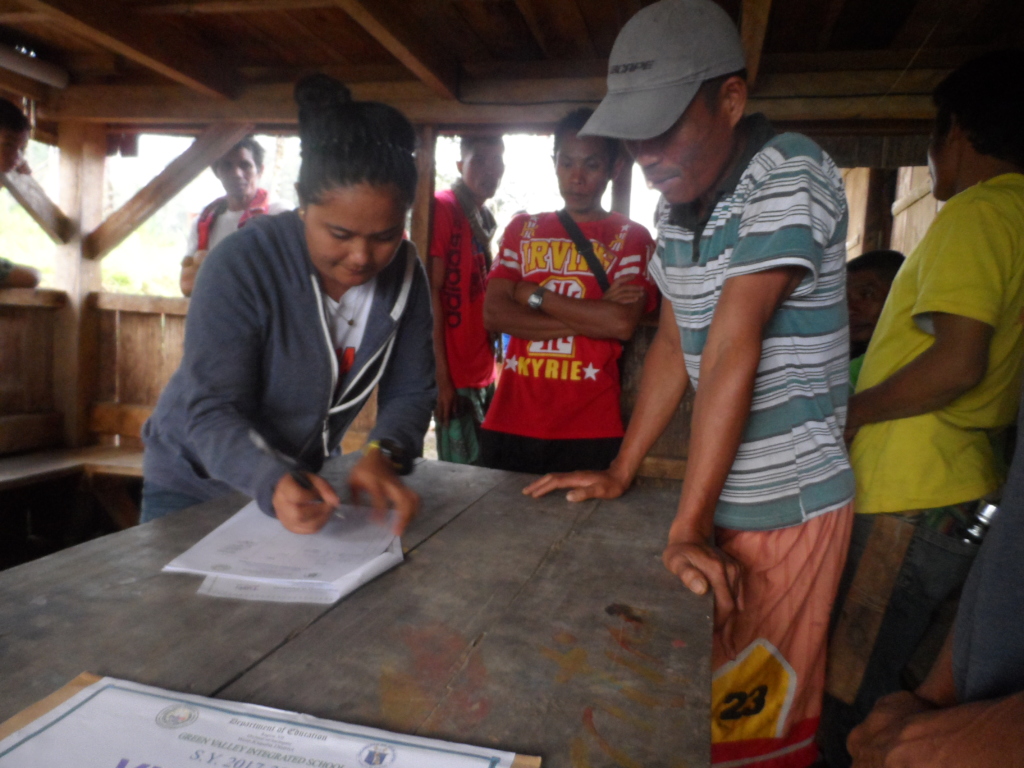
To date, a total of 71 households from Sitios Datalbong and Green Valley had already signed up for the SHINE Green Valley Project, covering a total of 118 GVIS students. Surveys and discussions with Sitio Tulad parents still have to be facilitated. Sitio Tulad requires a three-hour trek from the school, which includes going over mountains and crossing through rivers.
Discussions with the communities (including their tribal chieftains) and the GVIS teachers resulted to the following agreement:
Thank you for your support. If you wish to further help us empower Jocelyn and the GVIS children through their education, donate through the link below. Share the project with your family and friends and help us in #emPOWERinglives.
Links:
Project reports on GlobalGiving are posted directly to globalgiving.org by Project Leaders as they are completed, generally every 3-4 months. To protect the integrity of these documents, GlobalGiving does not alter them; therefore you may find some language or formatting issues.
If you donate to this project or have donated to this project, you can receive an email when this project posts a report. You can also subscribe for reports without donating.