By Steve Mojica | Project Consultant
Lotus Kids’ Club Pre-school Kids Just Playing? I Think Not
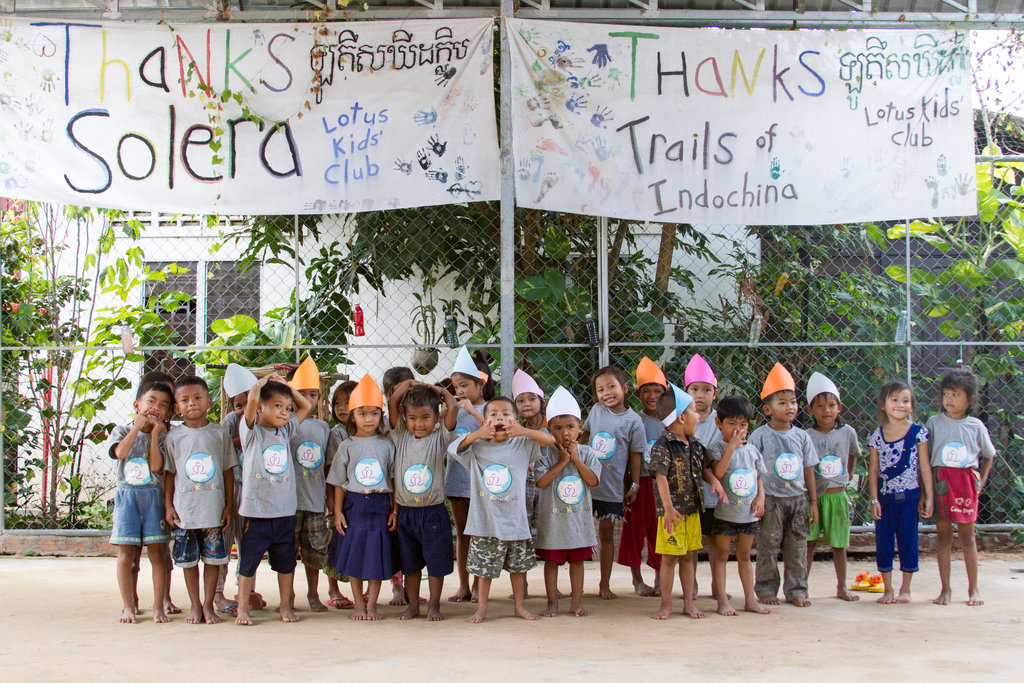
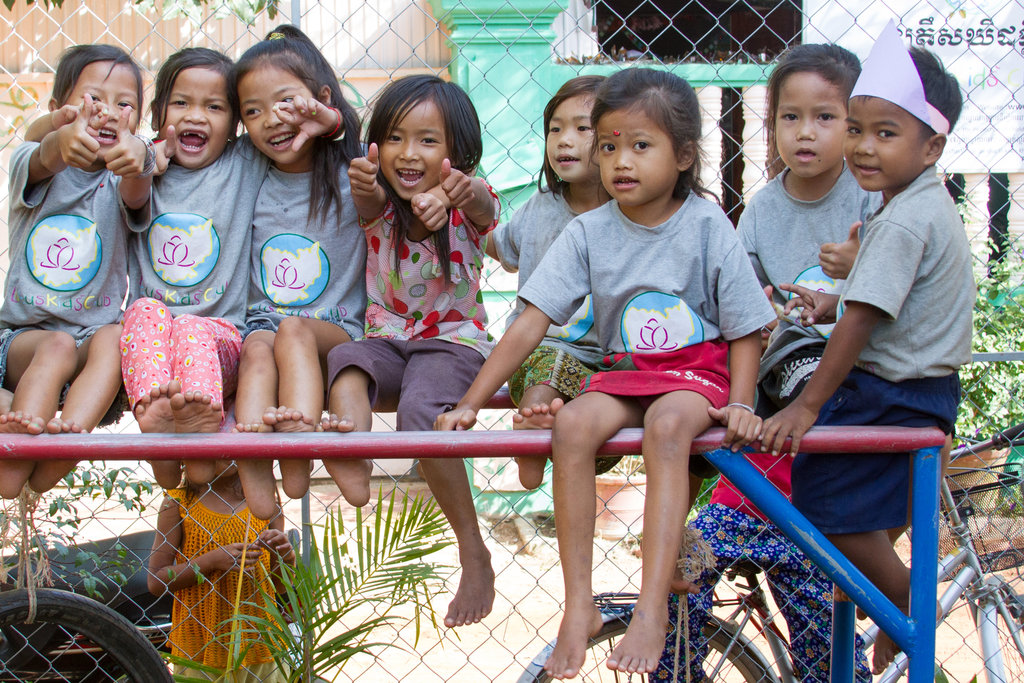
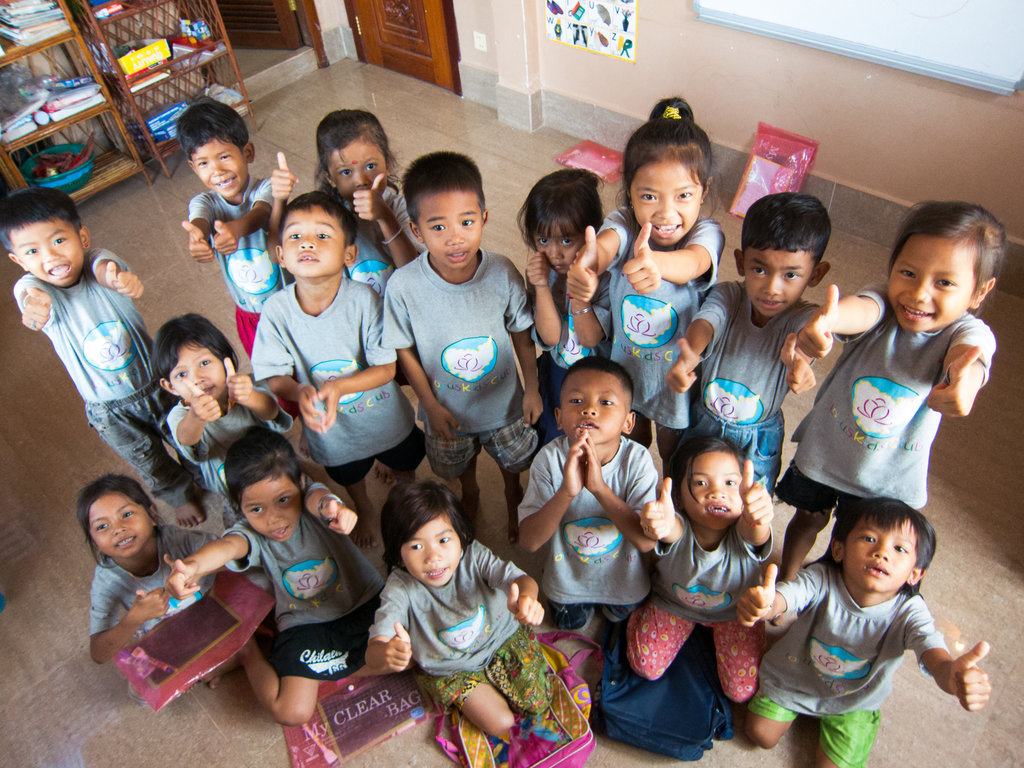
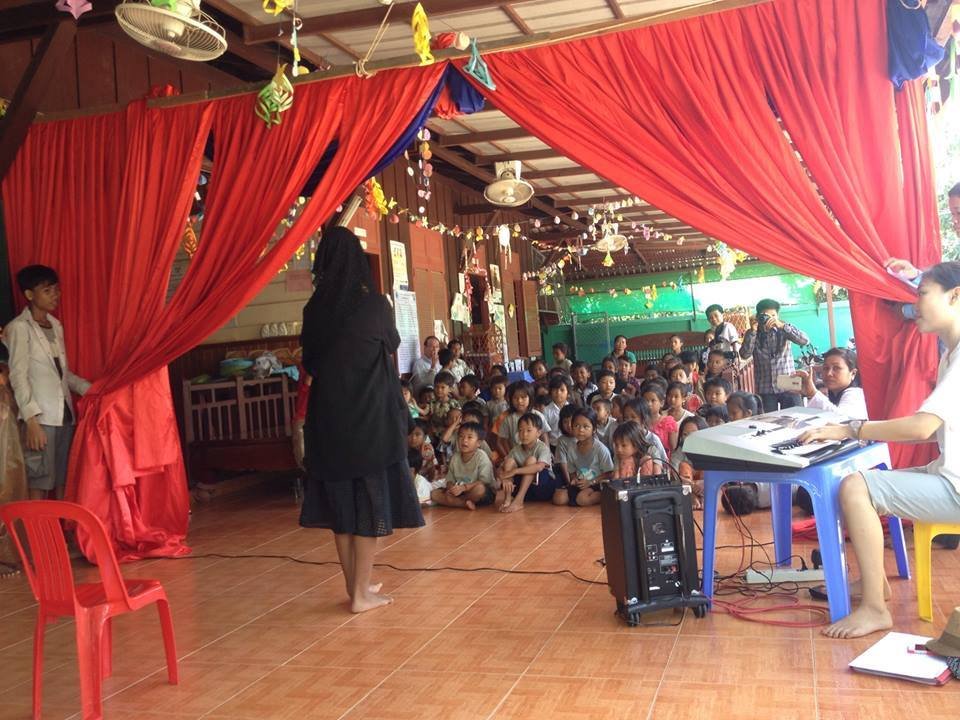
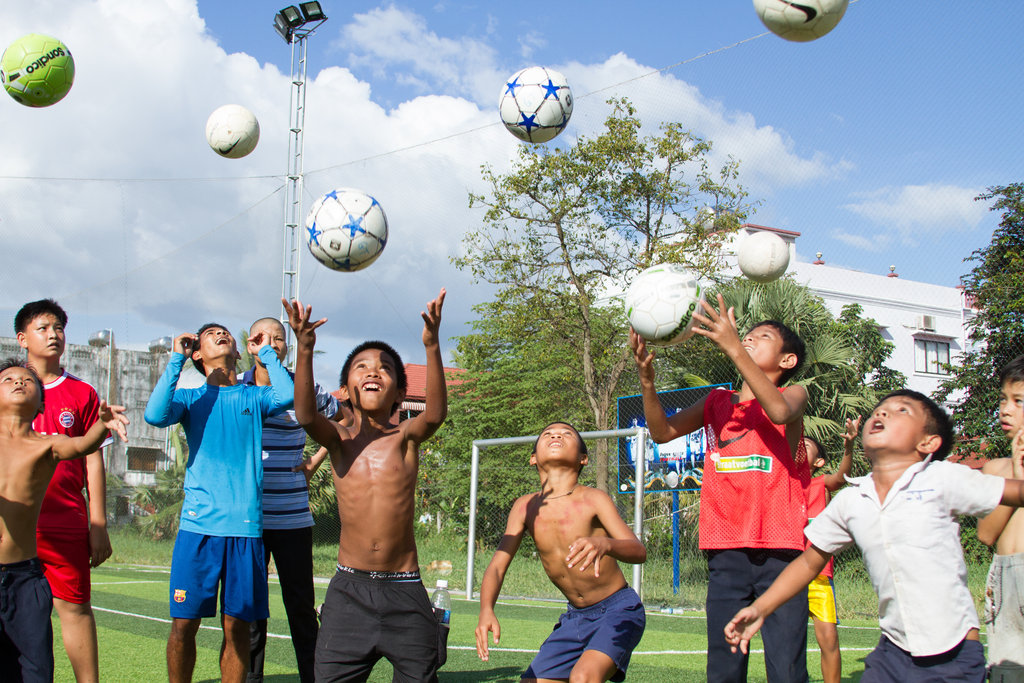
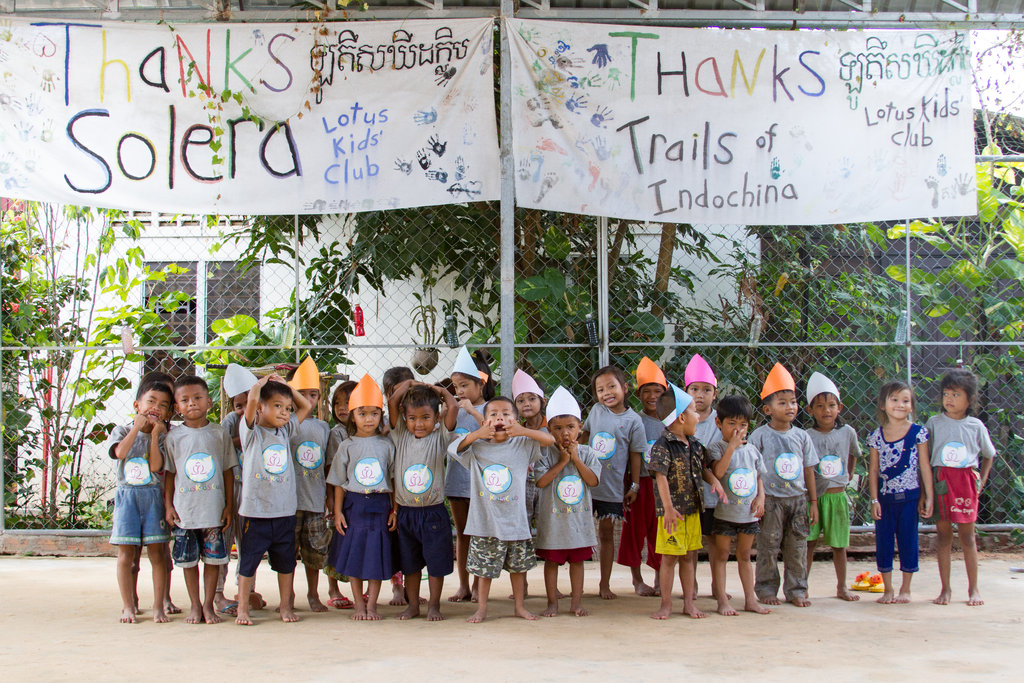
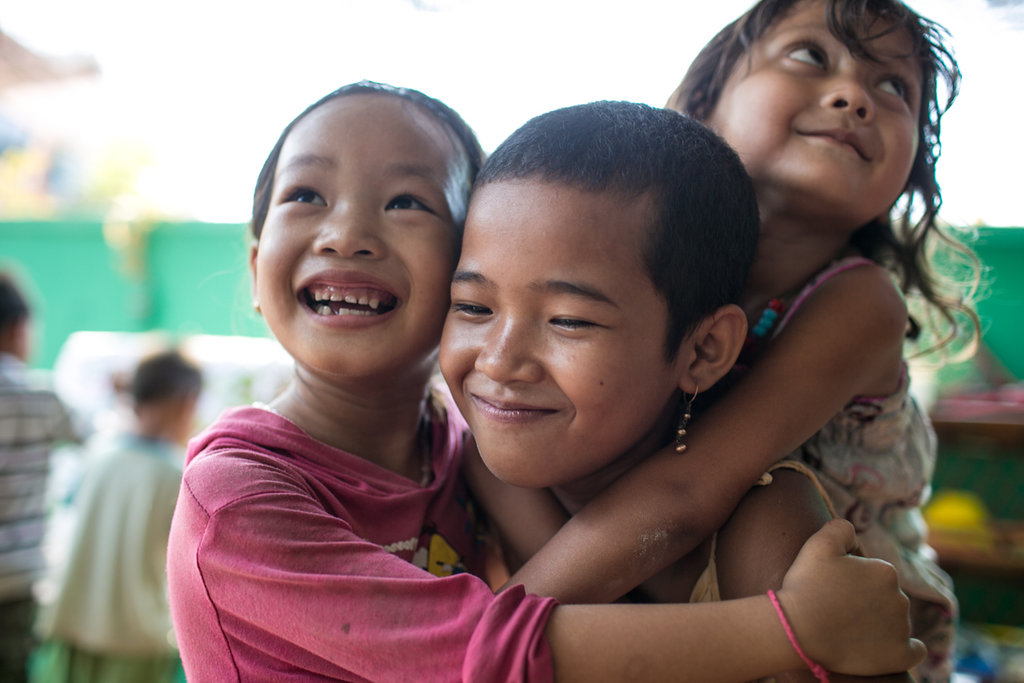
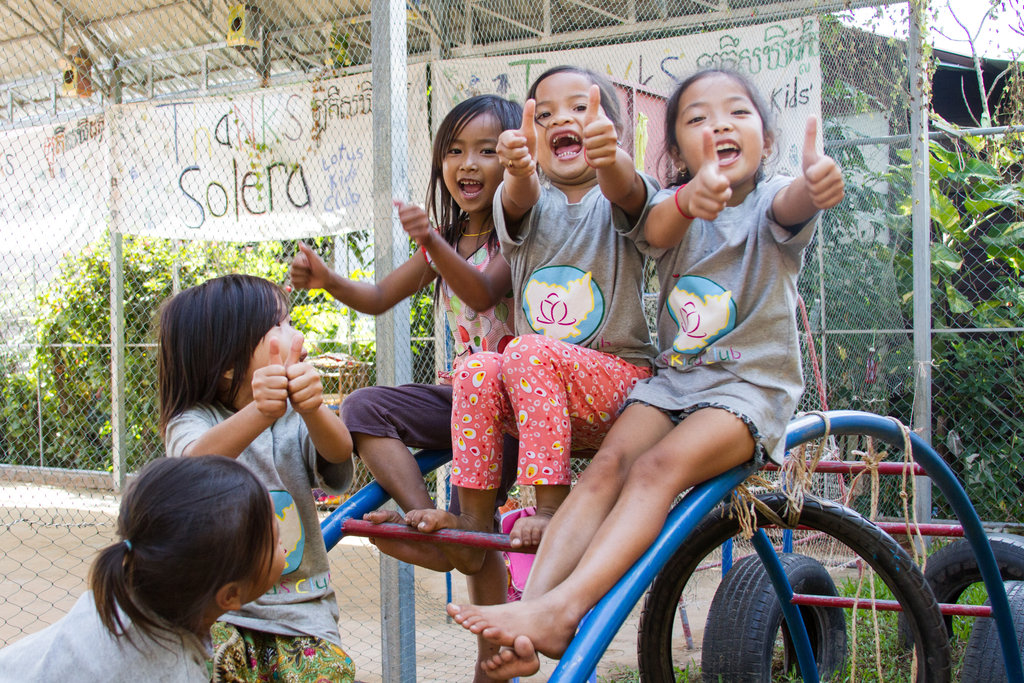
Lotus Kids’ Club is a program within Senhoa and the Pre-school Program is part of that. The children at LKC come from one of the most poverty-stricken areas in Siem Reap, Cambodia. Many of these children would not have a chance at attending school, as it is too costly for many parents. Once they graduate from our program they enter primary school with our support. LKC instills in children a ‘ready to learn’ attitude and prepares them for success.
Below is a write-up from a well-respected, award-winning Early Childhood educator from the USA which beautifully describes LKC. She visited LKC in February of this year.
Observation at Lotus Kids Club Preschool, February 10, 2014
Physical environment
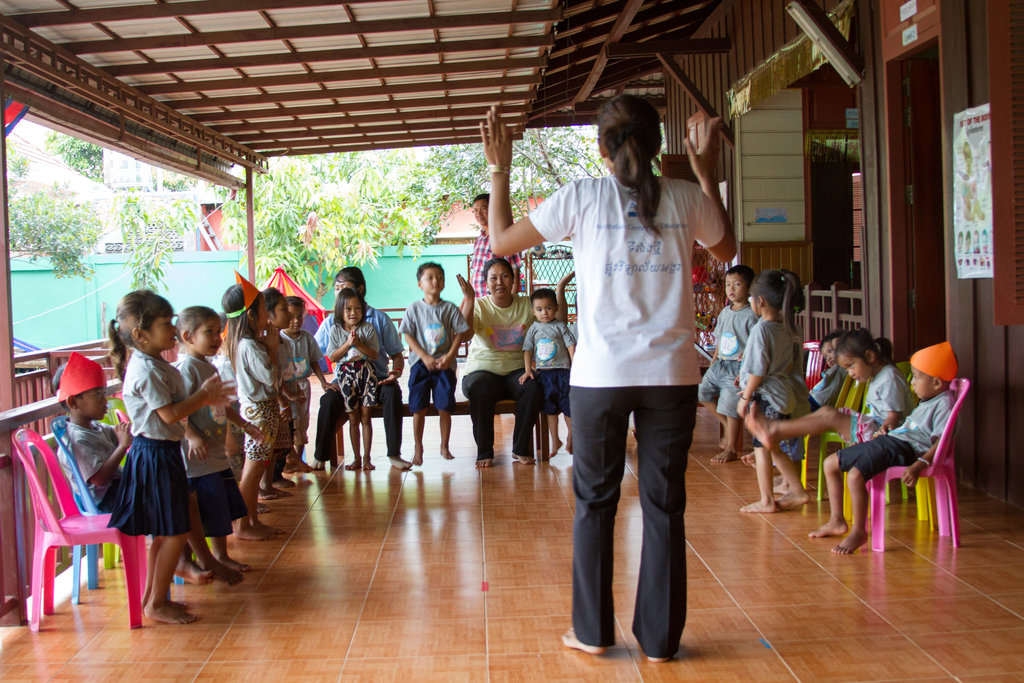
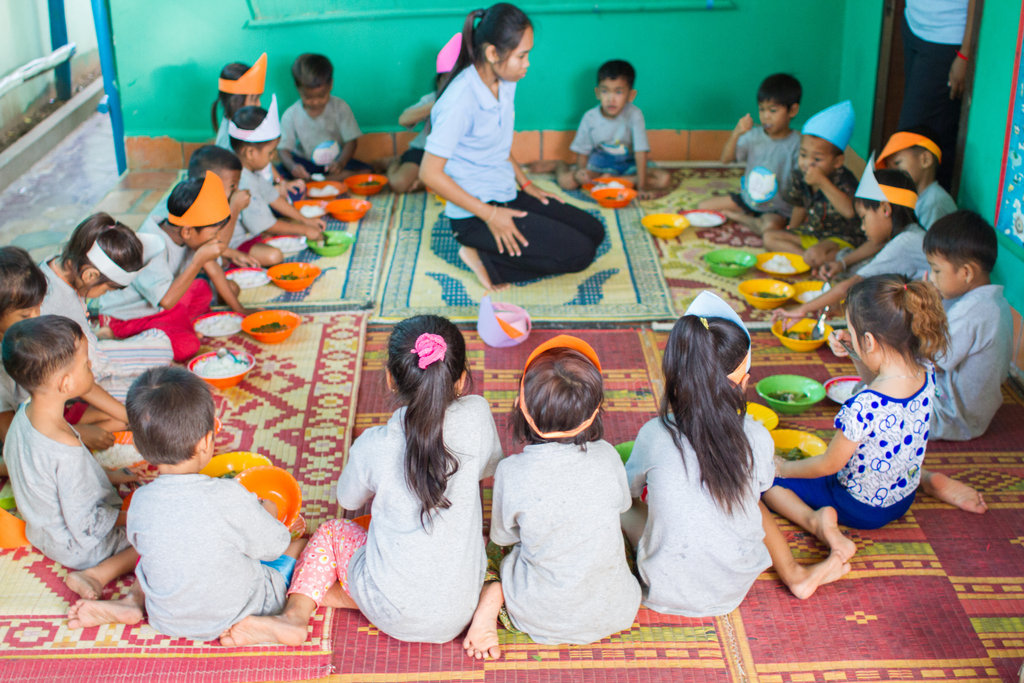
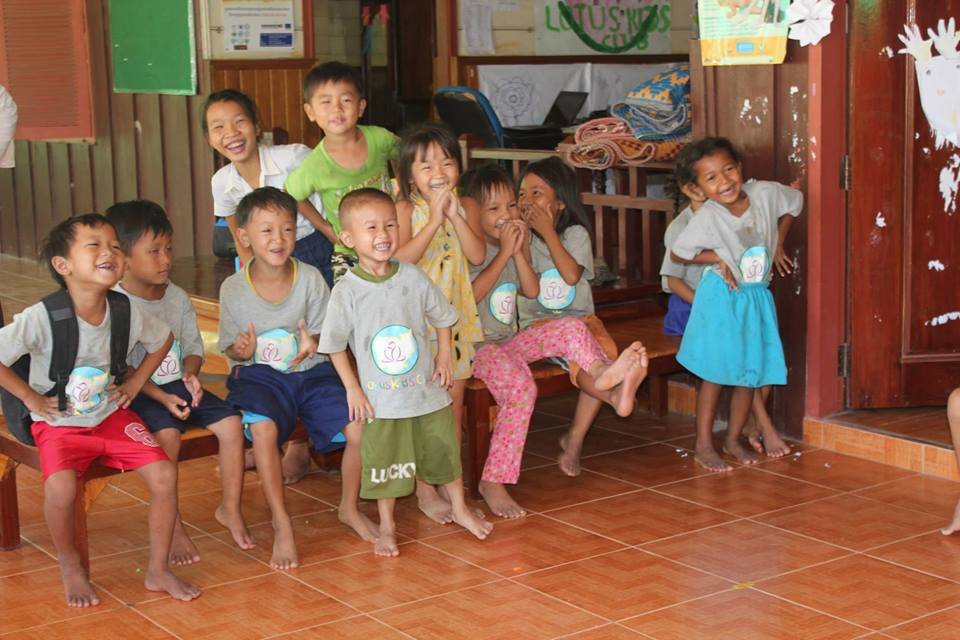
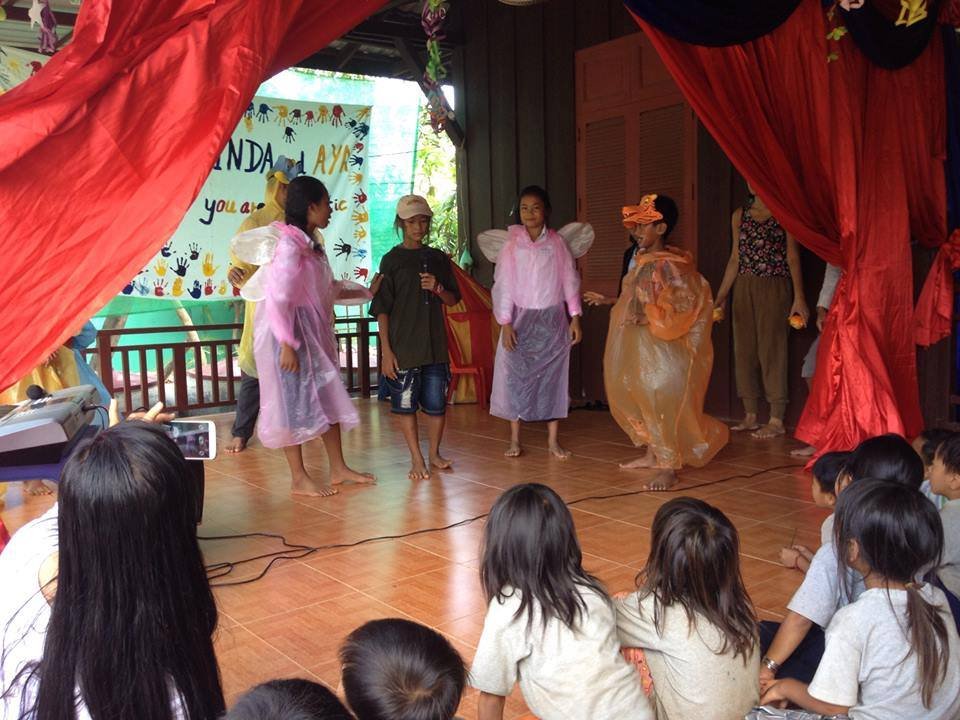
The physical environment was beautiful and interesting and offered a wide range of age-appropriate learning activities. A very partial listing of options that day includes: painting, sponge painting, water play, trains, dress up, group games, equipment for climbing, crown making, etc.
I started to categorize these options by what area of child development each supports but the outstanding quality of LKC is a deep (maybe nonverbal) understanding that children’s learning doesn’t segment like that. A child involved in a teacher-facilitated group game is developing her physical body, learning concepts, developing language, and learning to cooperate. A child playing alone at the water table is developing problem solving skills, math concepts, early physics concepts, fine motor coordination, and developing concentration and focus.
The environment was spacious, areas for different types of play were clearly delineated without being rigidly adhered to. Teachers were very much on top of the large amount of housekeeping required to keep a classroom space interesting and play productive.
Excellent use was made of repurposed and home-made materials (two examples are the funnel board and the use of toothbrushes as bubble blowers.) This sort of material is great for developing problem solving and ingenuity (and, although this is less important in your setting, for fighting consumerism).
Finally, and most importantly, the children were accompanied in their day by s smiling, helpful and emotionally available adults. When we smile, the body relaxes and our minds can absorb new information more easily.
Behavior management
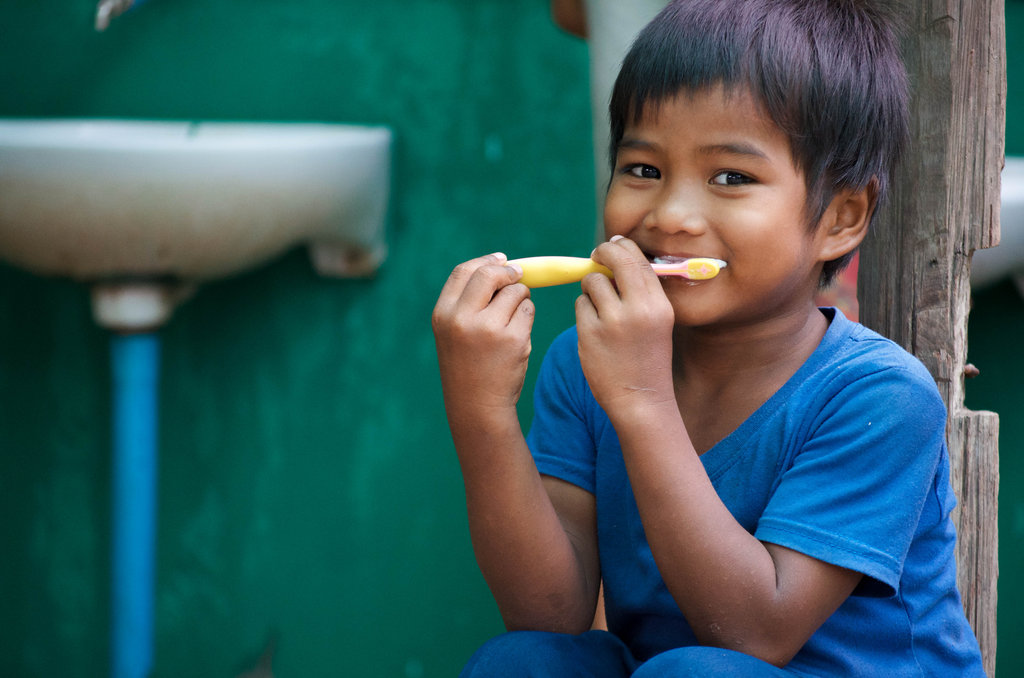
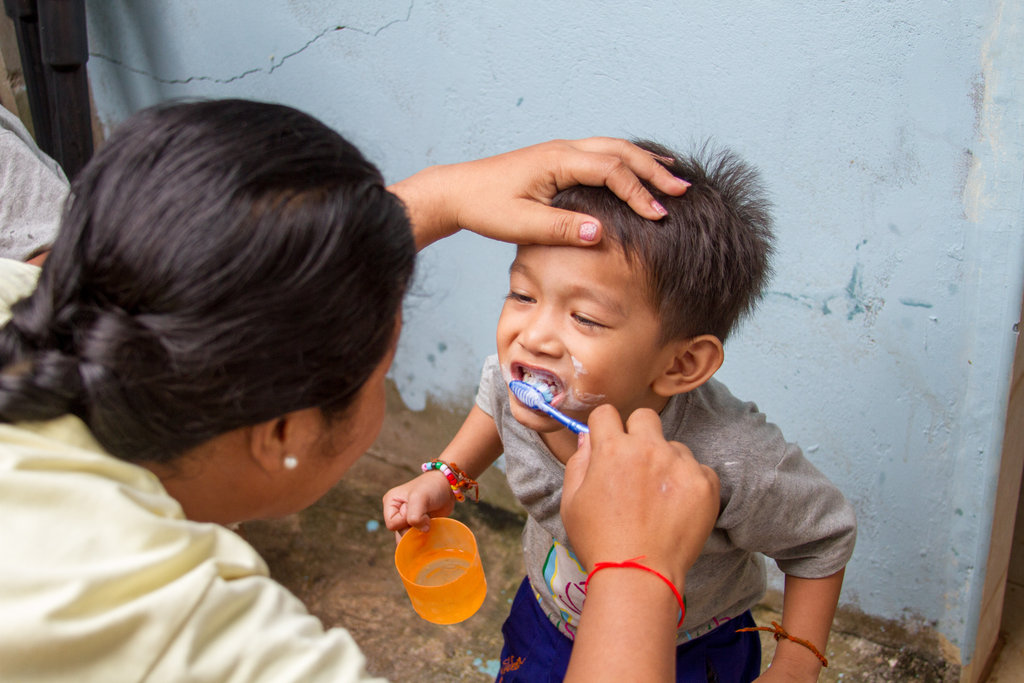
Challenging behaviors decrease when children are within an interesting and age-appropriate environment. They decrease even more dramatically when teachers focus on the positive—what we focus on strongly tends to be what we get more of. The LKC teachers had both of these aspects working wonderfully. Some other aspects were also noteworthy. Teachers frequently were providing extra support to enhance participation of a child who was somewhat shy and withdrawn or to calm and focus a child who could be overly boisterous. Nothing was done that would identify to the child and her classmates, “This is a troublemaking kid!” just a look, word, gesture, touch or invitation to sit on a lap, a willingness to join with that child in doing something. When a child was stuck on using and not sharing a particular truck, an invitation to the water table soon had him happily re-engaged. When a child threw her crown on the ground, a teacher’s gentle hand on her shoulder encouraged her to pick it up and get it to the trash. Teachers were very available to the children, frequently squatting to talk with them at eye level. Transitions were very well managed with children doing something (singing, talking, etc.) as opposed to trying to “wait quietly!” An example of this would be at tooth brushing time when one teacher helped children brushing their teeth, another led activities for children who had finished and another talked with children who were still eating.
Overall pacing of the day, as well as pacing of particular segments was a pretty perfect mix of repetition and novelty. Finally teachers simply seemed to have the knack of being in the right place at the right time: moving into a game so that more children would be included or to keep the game interesting by introducing a new element, moving out of a game to notice what the children could integrate, being available for conversation which is the real cornerstone of second (and first) language learning, keeping the environment interesting and organized, noticing and moving close to a child who might soon come undone, etc, etc.
Mindfulness
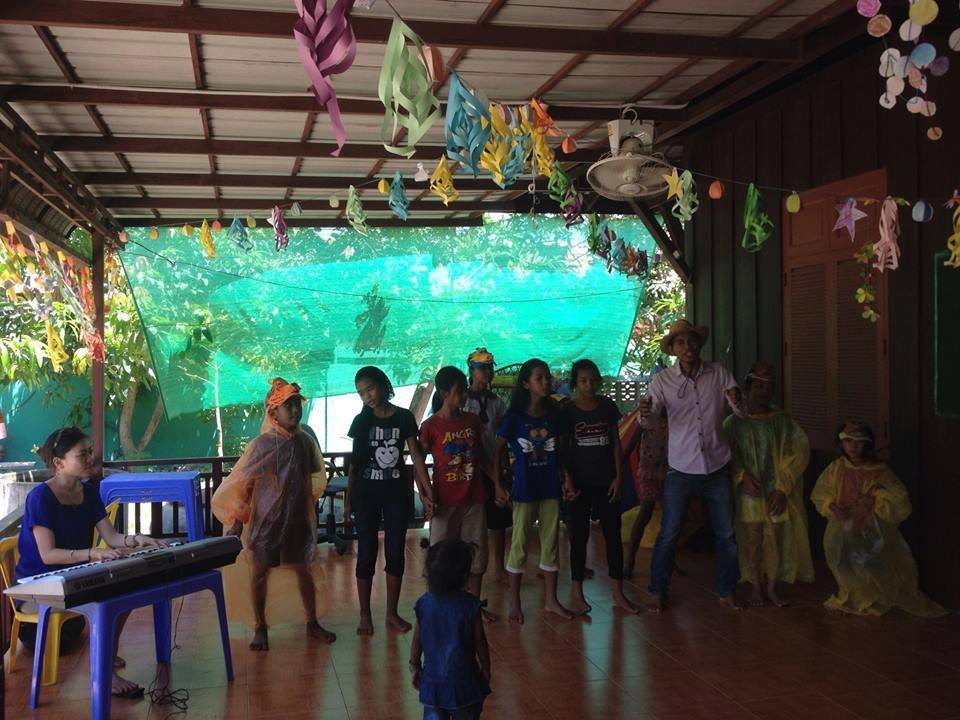
This leads to what in the USA we are calling mindfulness education for children—it’s the hot “new” thing here and LKC is probably doing it better than any preschool in this country. Science keeps providing evidence that a calm, happy child will learn more effectively than a fearful, worried child and that teachers can help children learn techniques to become more calm and happy. Techniques such as: being aware of your breathing, being appreciative of your food, your friends, other good things in life, focusing concentration on the sounds around you—all things I observed during one brief morning at LKC. Research also shows that doing something like singing together enhances subsequent cooperation within a group—think of how often and how joyously LKC children sing together.
By Stephen Mojica and Lisa T.D. Nguyen | Technical Consultant and Executive Director
Project reports on GlobalGiving are posted directly to globalgiving.org by Project Leaders as they are completed, generally every 3-4 months. To protect the integrity of these documents, GlobalGiving does not alter them; therefore you may find some language or formatting issues.
If you donate to this project or have donated to this project, you can receive an email when this project posts a report. You can also subscribe for reports without donating.