By Mohamed Abdille | Field Officer
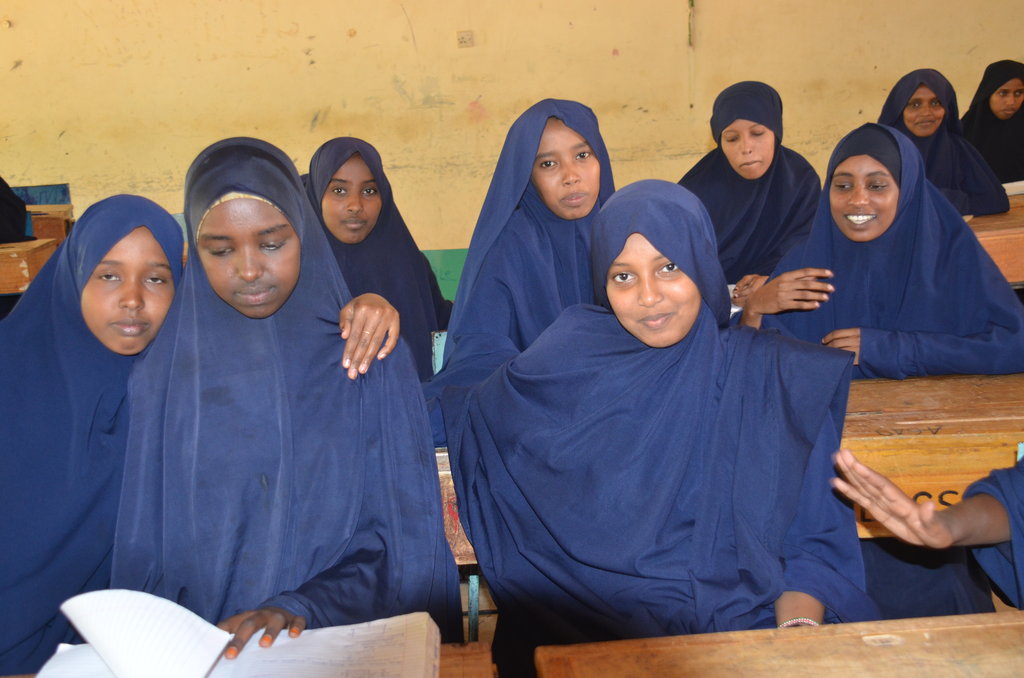
Education is a basic human right that should be exercised fully in our nation but for many girls in Garissa, attending school is not an option. A girls’ education is an essential starting point in establishing equality everywhere. Despite the Kenya constitution guaranteeing equality before the law and non-discrimination on the basis of sex in the country. There are schools, but most girls do not attend, often because of religious reason or cultural pressure.
Many countries have been successful in reducing school fees since the installment of the UN Millennium Goals, and attendance has skyrocketed. However, the expense of the school uniform is still preventing too many girls from the benefits of an education. Uniforms remain an unaffordable luxury, though, for many families in Garissa County. The cost could be very expensive. Although their educational purpose is essential, the value of a uniform naturally ranks lower in the household budget than, say, the next meal. So, if uniforms are so detrimental to the access of education, then why are they still in place? Many parents support them because they encourage good behavior in the classroom and qualify students for reduced fees on public transportation.
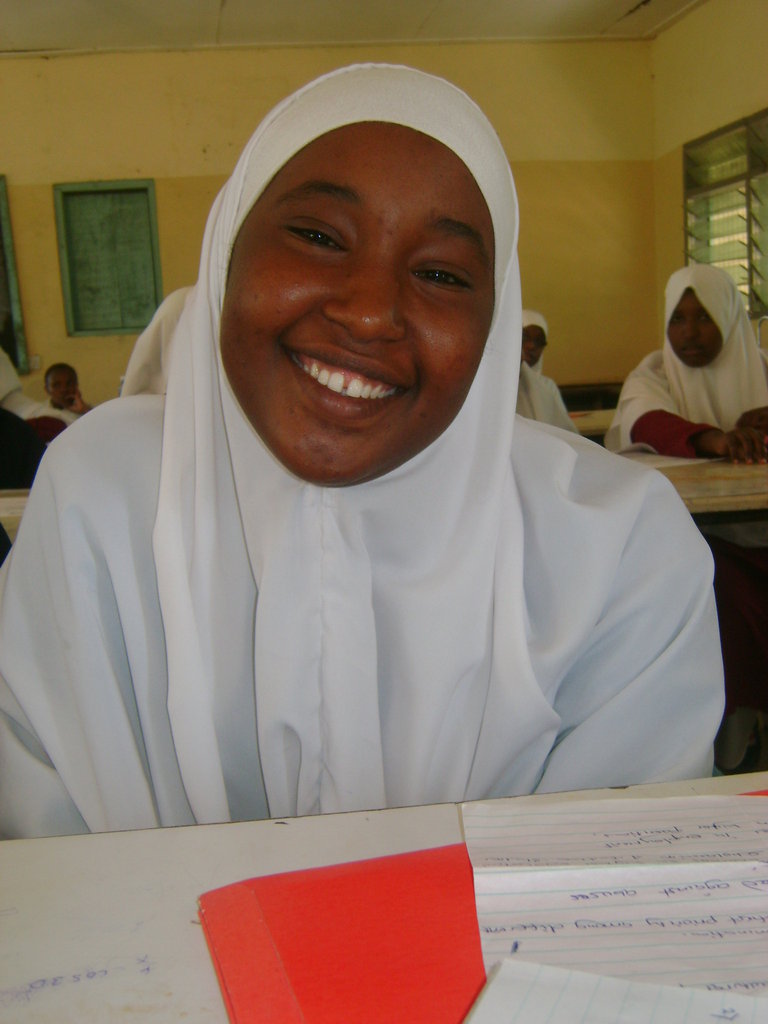
It is a wide spread but acknowledged problem that menstruation and lack of sanitary products is a barrier to girls’ schooling. It is established that many girls in Garissa County stay at home because of menstruation. Regular absences can lead to gender imbalances with male student attending more classes than the female student and rising higher in the class rankings. Gender disparity and routine absence often lead to female students falling behind or dropping out of school entirely shrouded in mystery, menstruation for young girls in Garissa county end up being a stumbling block for their education. Many girls reach the state of puberty having no idea of what is happening to them when they begun menstruating. They are ignorant about sexual reproductive health because their parent does not talk to them about puberty and menstruation. “Before learning that menstruation is a natural thing that every girl goes through it, I used to be absent from school for all days of my period,” Said Samo, 15, Iftin Girls Secondary School.
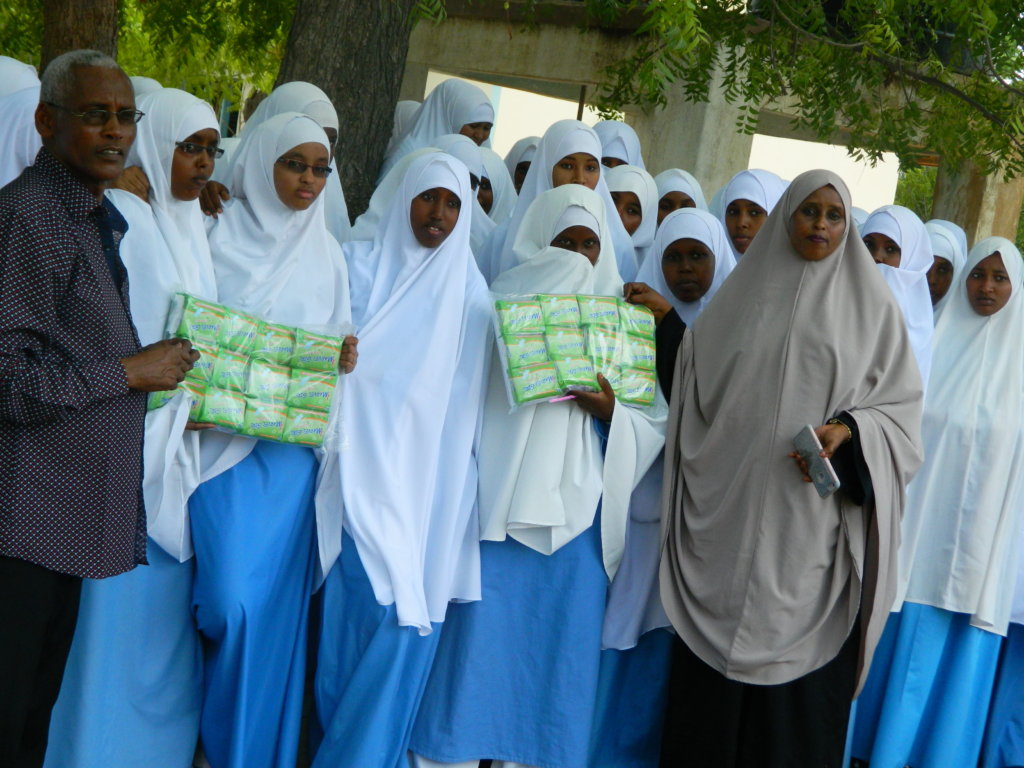
After receiving funds this quarter we managed to procure full school uniform and sanitary pads for 100 girls. The lack of uniform and sanitary pads greatly inhibits education and encourages dropout rates since it forms the foundation for learning. The impact of these projects on girl child education is extra ordinary. Many girls who could not afford uniform and sanitary pads benefited from the project this term. At the turn of send 200 girls to school PGI will ensure that by vision 2030 there would be as many girls as boys in school.
Project reports on GlobalGiving are posted directly to globalgiving.org by Project Leaders as they are completed, generally every 3-4 months. To protect the integrity of these documents, GlobalGiving does not alter them; therefore you may find some language or formatting issues.
If you donate to this project or have donated to this project, you can receive an email when this project posts a report. You can also subscribe for reports without donating.