By Rici Team | Rici Team
I. Empowering Educators: Deepening Psychological Expertise
This month, our project team supported the professional development of our partner educators by sponsoring 2 teachers to attend a Cognitive Behavioral Therapy (CBT) training camp and 9 teachers to participate in a Narrative Therapy workshop. Participants reported that the curriculum was highly practical, offering valuable insights that directly enhance their teaching and student support capabilities. Moving forward, these teachers will lead internal workshops to share their acquired skills, ensuring these therapeutic techniques are effectively integrated into daily classroom practices.
II. Classroom Snapshots: Guarding Growth Through Presence and Practice
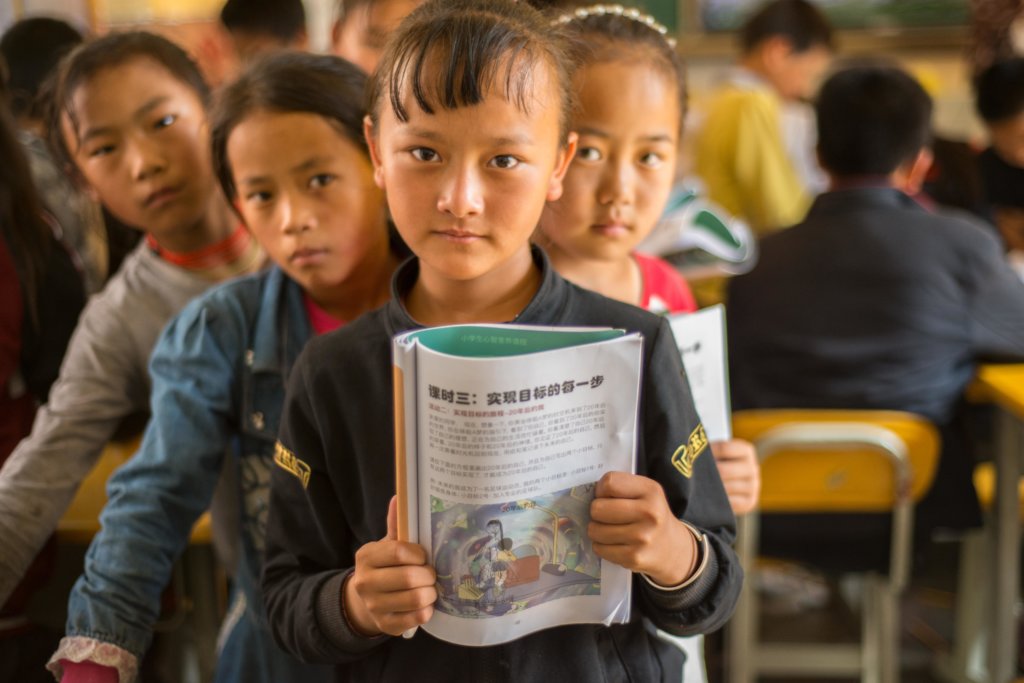
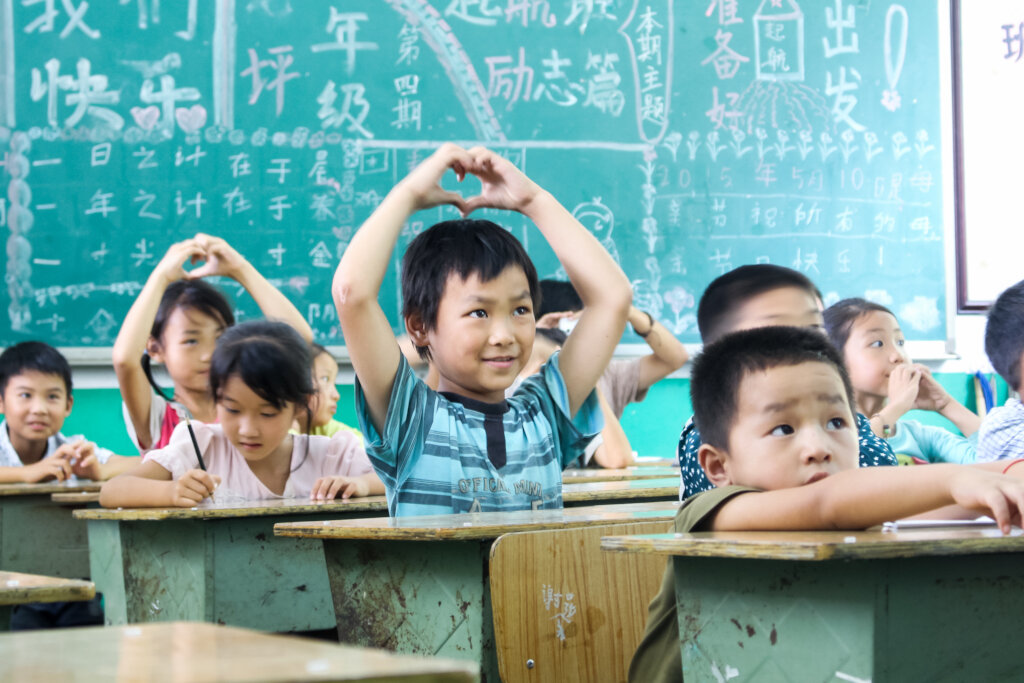
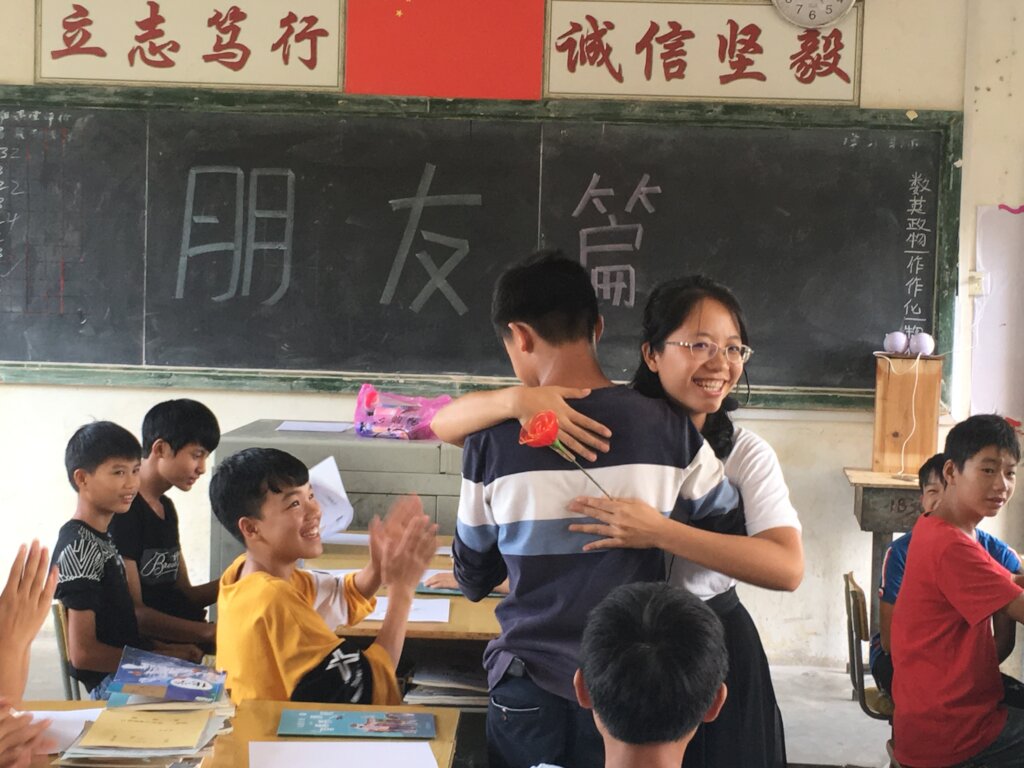
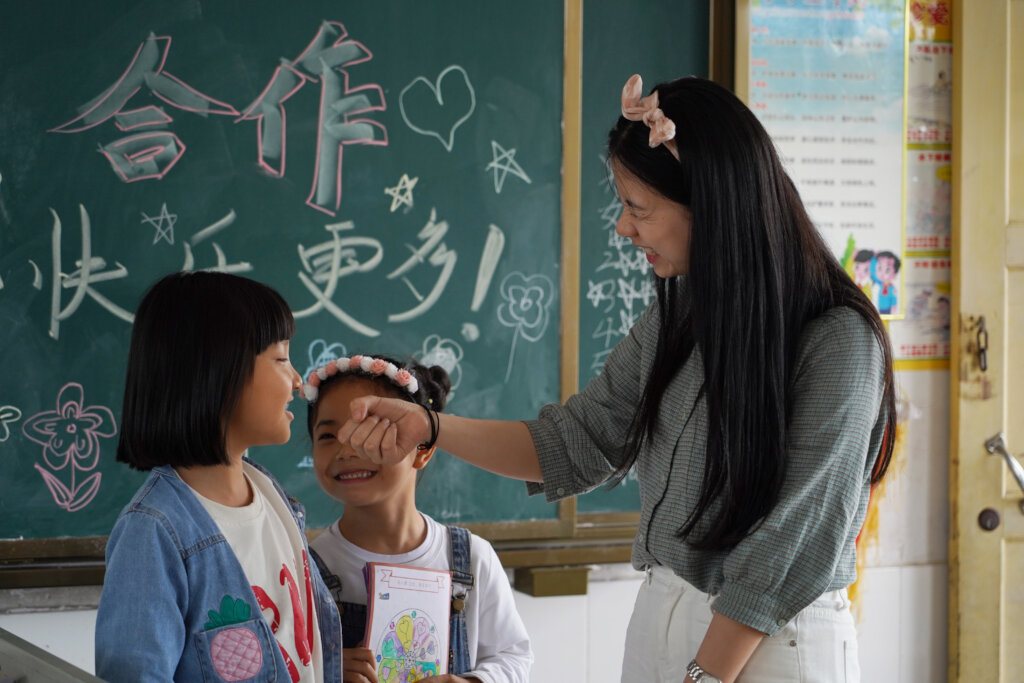
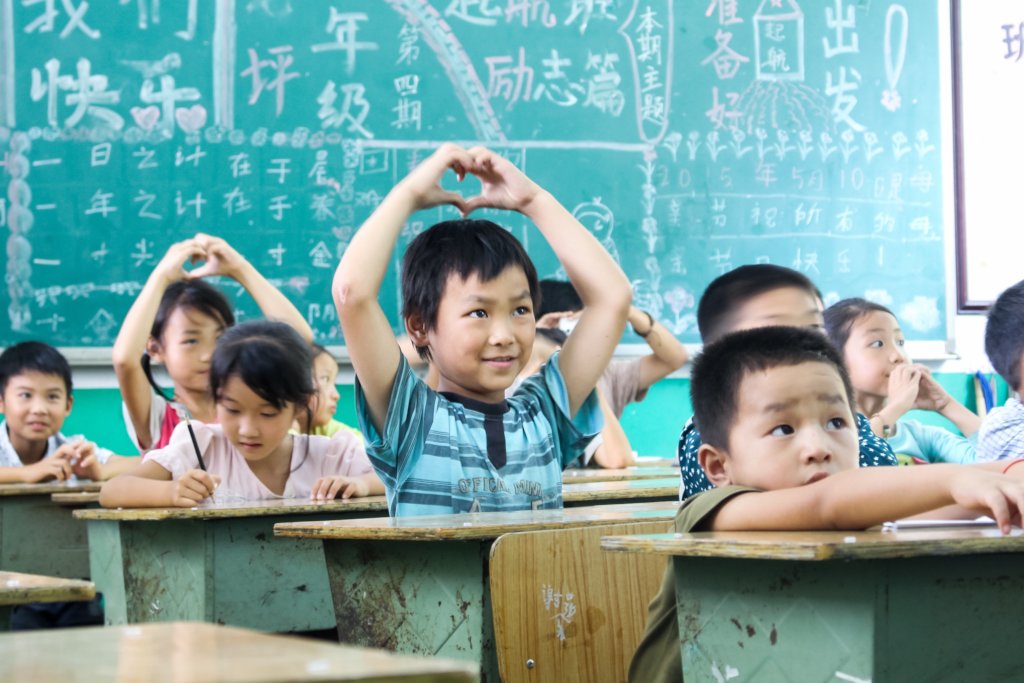
Our mental health SEL curriculum continues to thrive in schools across various regions. By grounding our lessons in the unique realities of the students, teachers are cultivating transformative moments. Here are two highlights from this month’s classroom activities:
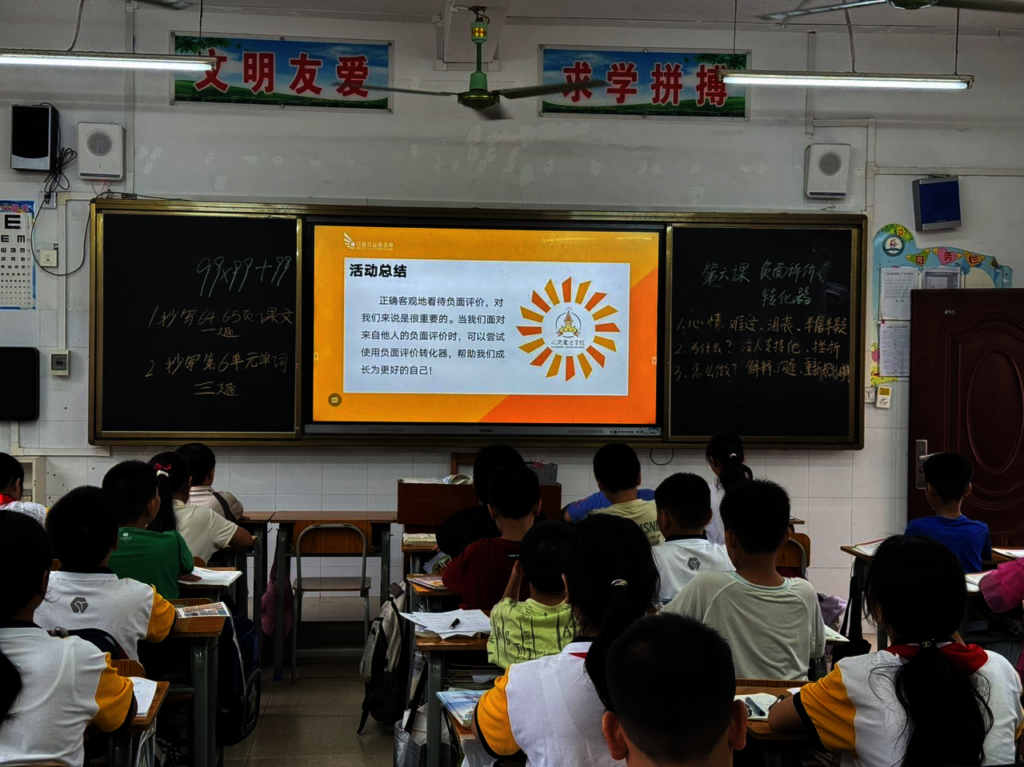
1. "The Negative Feedback Transformer"
The lesson began by tapping into the students' lived experiences, inviting them to share moments when they felt criticized or misunderstood. The room quickly filled with stories, revealing a common thread: many children had felt trapped in a loop of self-doubt and fear of making mistakes after receiving negative comments. To navigate this, the lesson introduced three practical methods for "transforming" feedback. Students learned to distinguish between objective, constructive advice and subjective, emotional bias. By arming themselves with this discernment, they began to reclaim their internal narratives and build a more stable, resilient sense of self.
Teacher’s Reflection: Fourth-graders are particularly sensitive to external opinions. In future lessons, I will emphasize encouraging feedback to reinforce this "transformative thinking," consistently nurturing their confidence and resilience in everyday scenarios.
2. "Defusing the Stress Volcano"
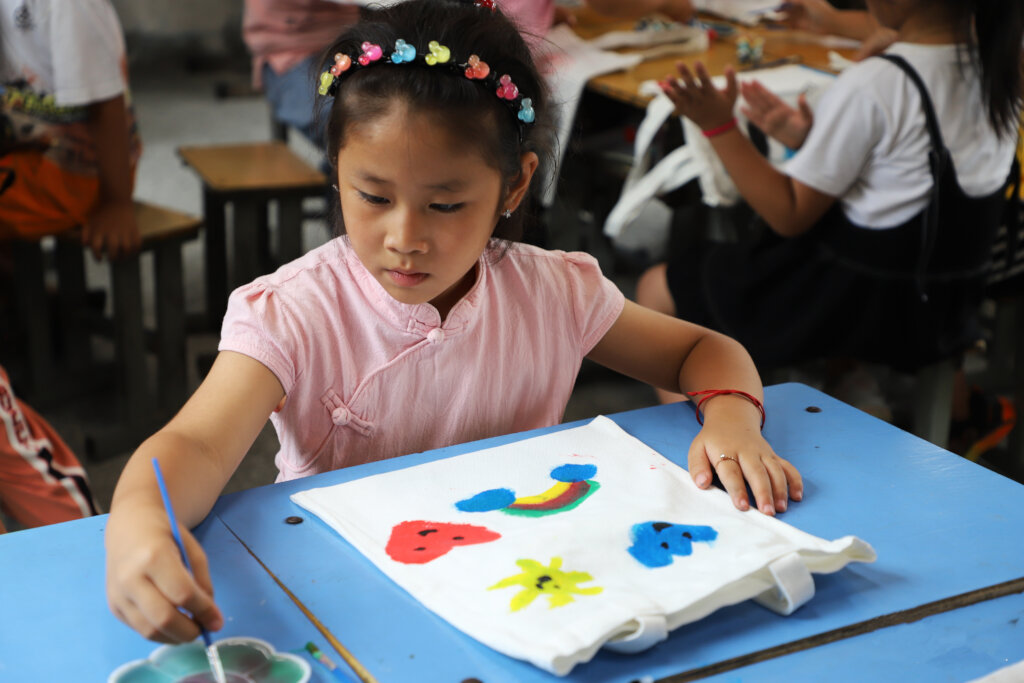
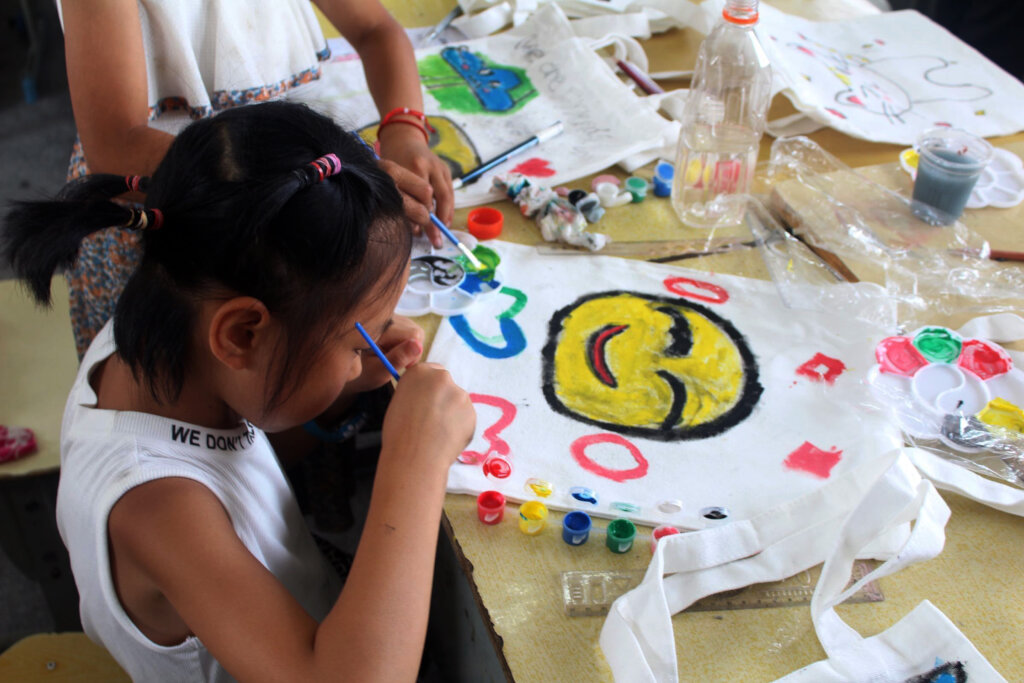
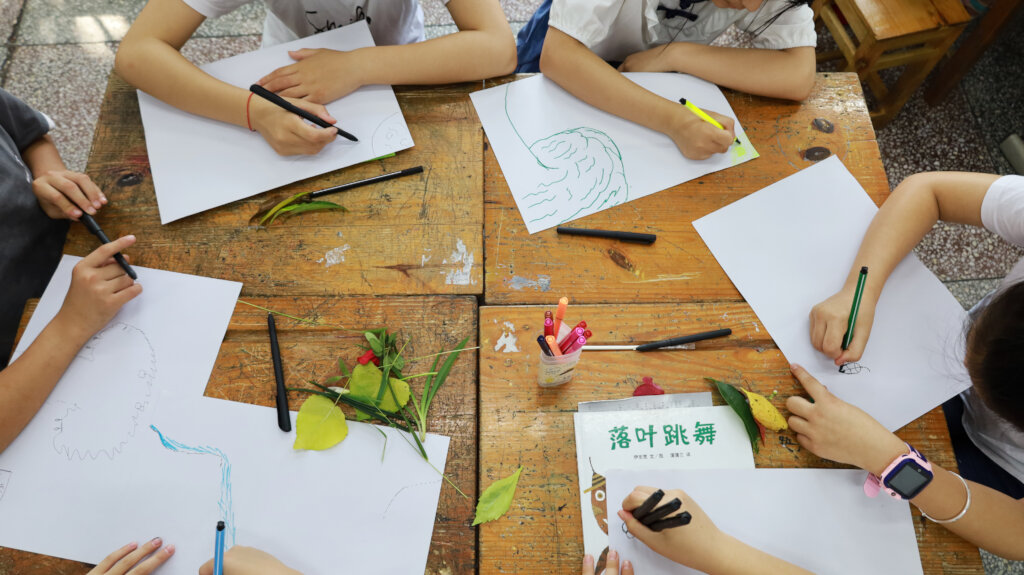
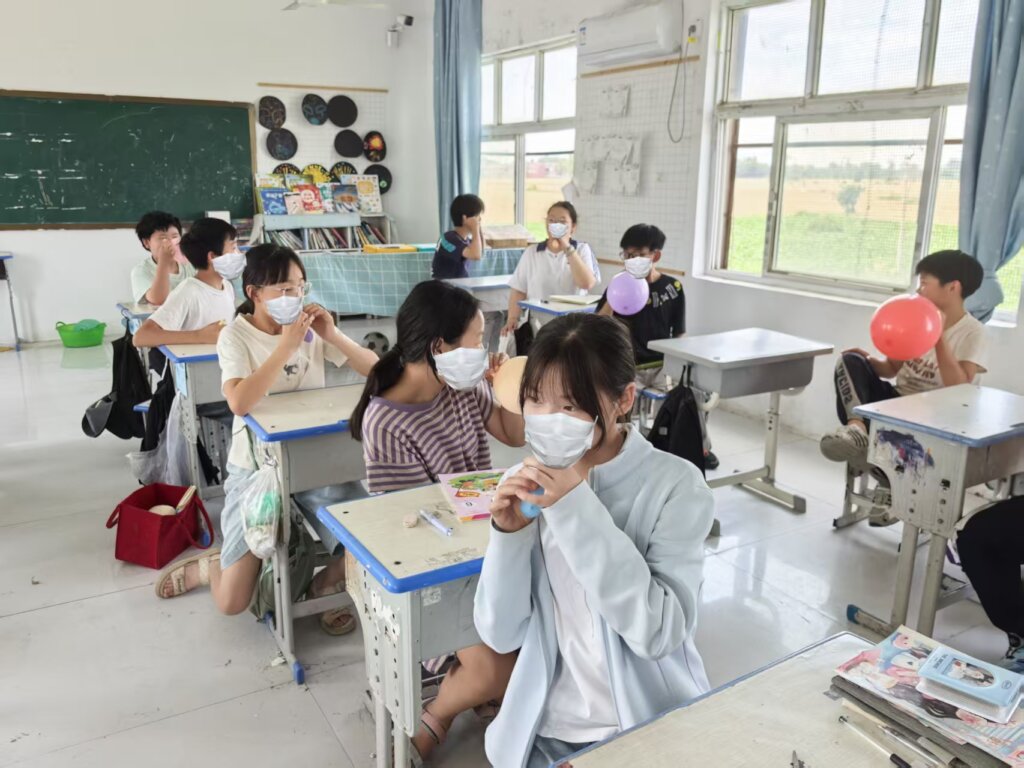
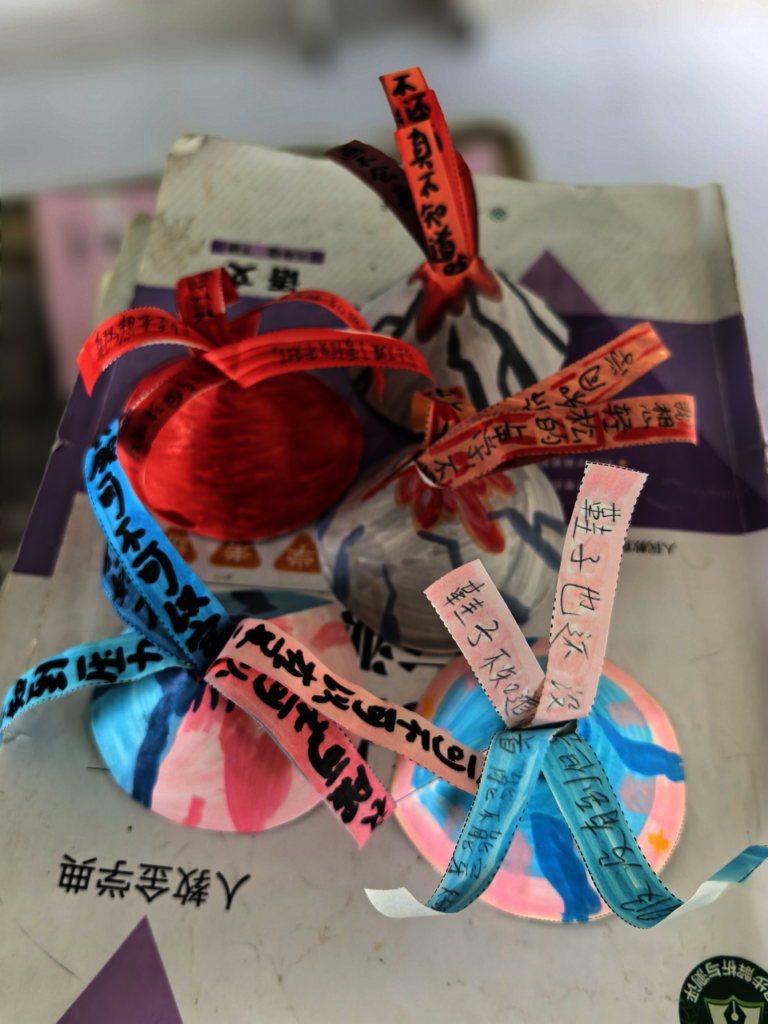
The class opened with a lively balloon experiment: as students blew air into their balloons until they popped, the tension in the room mirrored the hidden pressures building up inside them. This tactile experience served as a powerful metaphor, helping students intuitively grasp the consequences of suppressed emotions. After a reflective reading session, students crafted "Stress Volcanoes," physically writing down their worries before metaphorically releasing them.
Teacher’s Reflection: Sixth-graders often harbor silent, invisible stress from academic and social burdens, yet they are rarely comfortable speaking about it directly. Moving forward, I plan to incorporate more hands-on crafts and games to normalize emotional expression, helping them develop healthy, lifelong habits for managing stress.
III. Campus Activity Kits: Bridging the Resource Gap
In recent years, more schools have begun organizing large-scale mental health awareness events, especially during the annual "May 25th" Mental Health Month. However, many schools—particularly those without full-time counselors—often find themselves at a crossroads: How can they design activities that are both scientifically sound and engaging? How can teachers without psychological backgrounds facilitate these sessions effectively? With limited resources and time, how can they make these events truly impactful?
To address these challenges, the Renci Foundation, guided by the National Guidelines for Mental Health Education in Primary and Secondary Schools and the framework of Social Emotional Learning (SEL), has developed the "School of Mind Magic: Psychological Carnival — Middle School Activity Execution Manual." This manual offers practical, ready-to-use activity plans, empowering non-specialist teachers to foster self-awareness, emotional management, and peer connection in their students through lighthearted, experiential learning. Our vision is to cultivate an campus-wide atmosphere that prioritizes well-being, turning every school into a warm harbor for student development.
In May, we were thrilled to fulfill nearly 300 requests for these digital resources. Furthermore, we selected five schools for their outstanding commitment and provided them with physical kits for their primary-school-level mental health days, empowering them to host truly impactful events.
Project reports on GlobalGiving are posted directly to globalgiving.org by Project Leaders as they are completed, generally every 3-4 months. To protect the integrity of these documents, GlobalGiving does not alter them; therefore you may find some language or formatting issues.
If you donate to this project or have donated to this project, you can receive an email when this project posts a report. You can also subscribe for reports without donating.



Support this important cause by creating a personalized fundraising page.
Start a Fundraiser