By Isabel Chandoqui | Project Leader
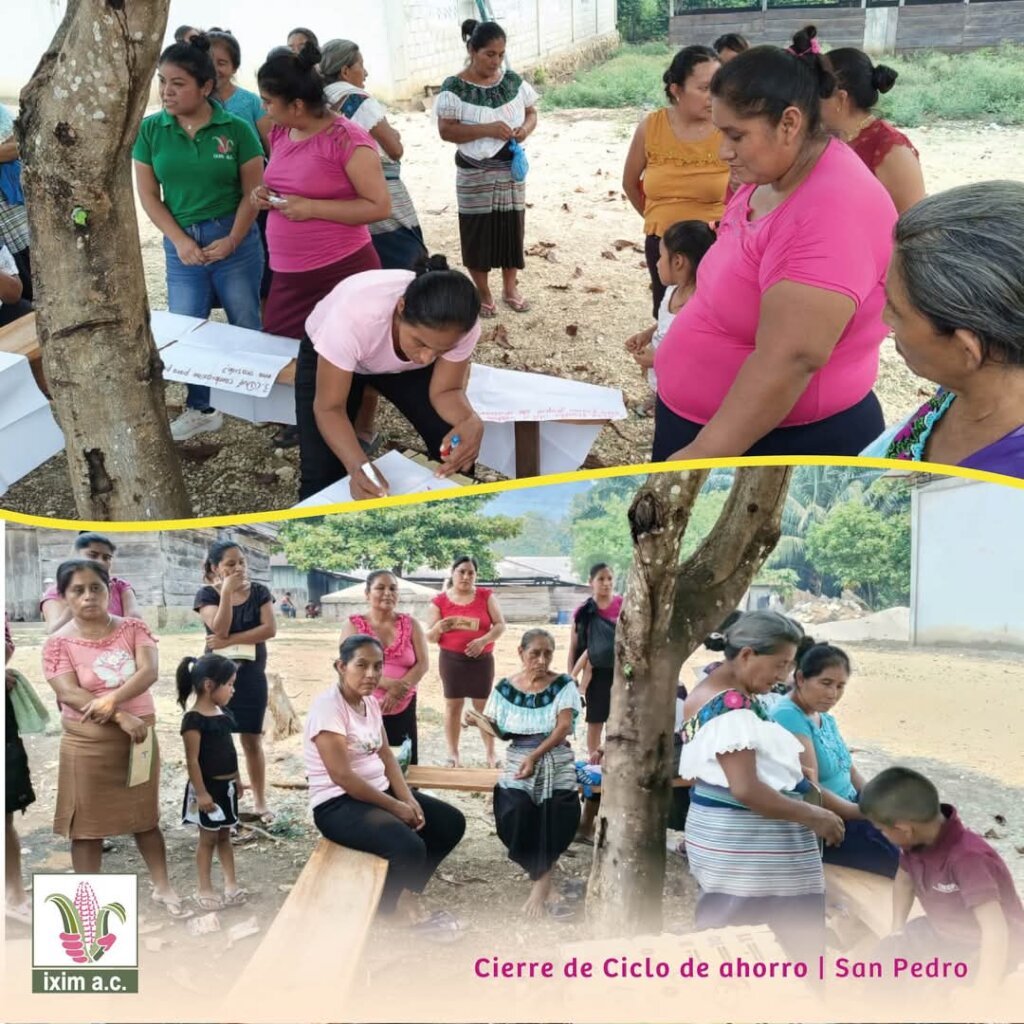
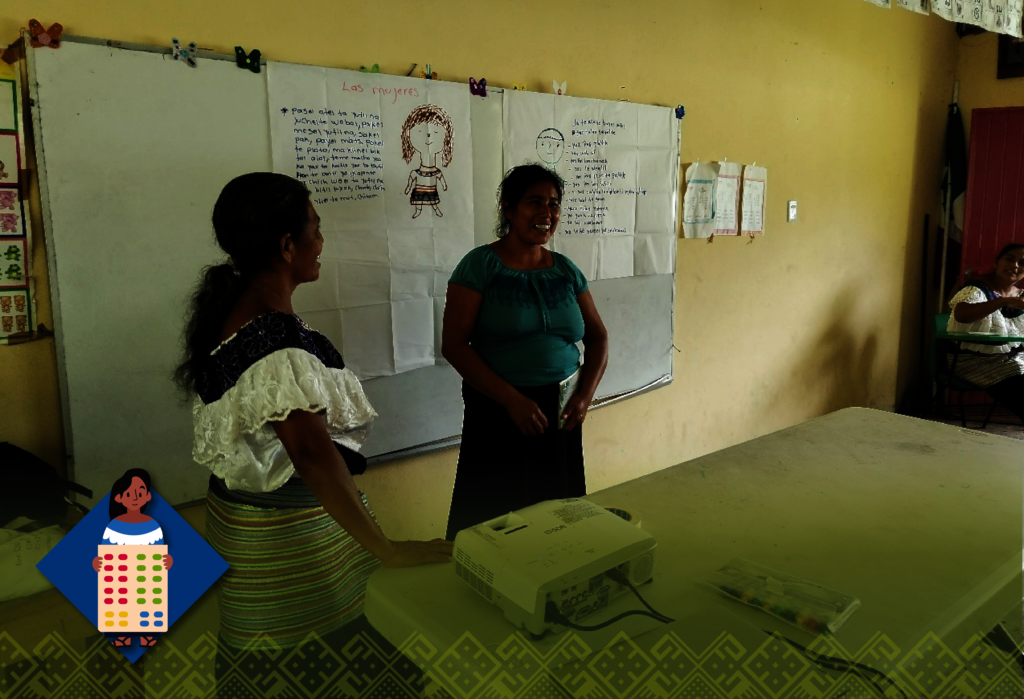
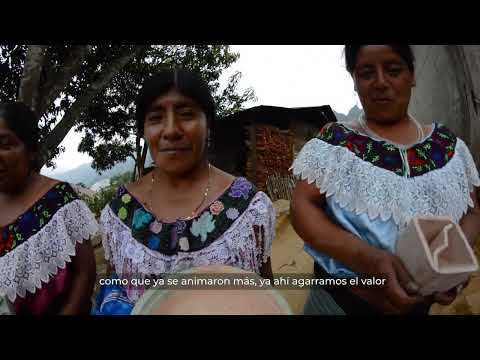
Durante este periodo continuamos acompañando a 14 mujeres tseltales de San Pedro en el desarrollo de su emprendimiento colectivo. Como parte del proceso, recibimos la visita del equipo de SETEM, a quienes las mujeres presentaron su trabajo, los avances logrados y los retos que todavía enfrentan.
Durante el encuentro, las participantes explicaron cómo se organizan y mostraron el funcionamiento de la tostadora y las demás herramientas que están aprendiendo a utilizar. También realizaron una demostración práctica en la que tostaron maíz con la máquina y cacao en el comal. Después explicaron las distintas etapas para elaborar pinole: selección de los ingredientes, tostado, molienda y preparación del producto final para el consumo de las familias.
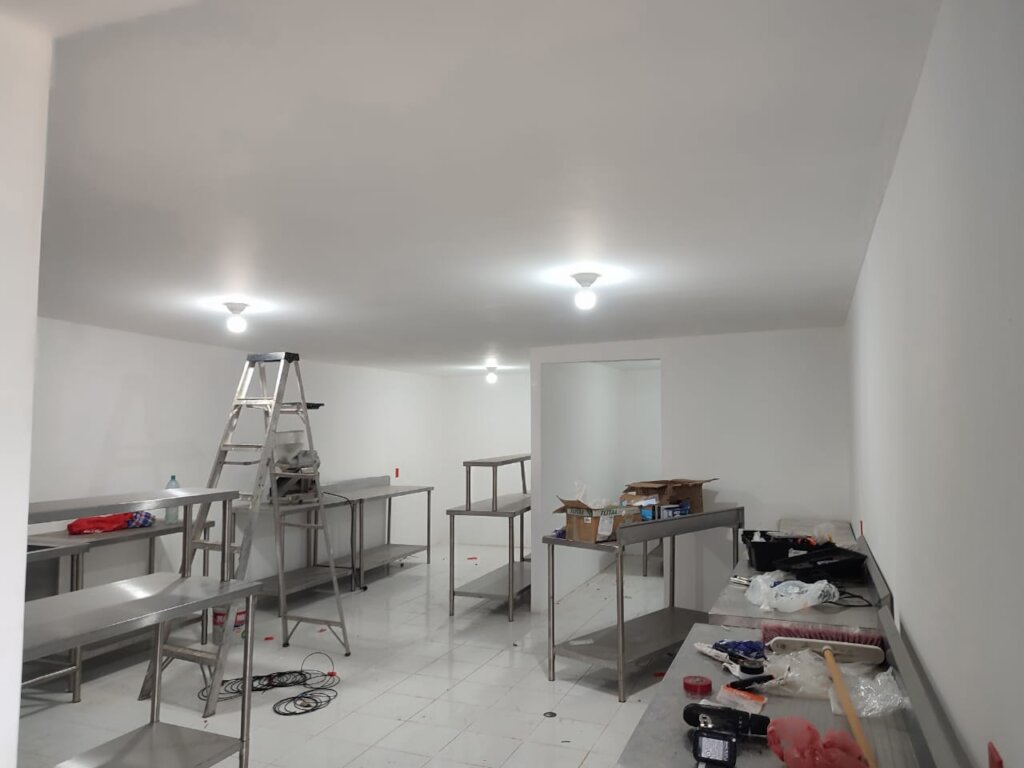
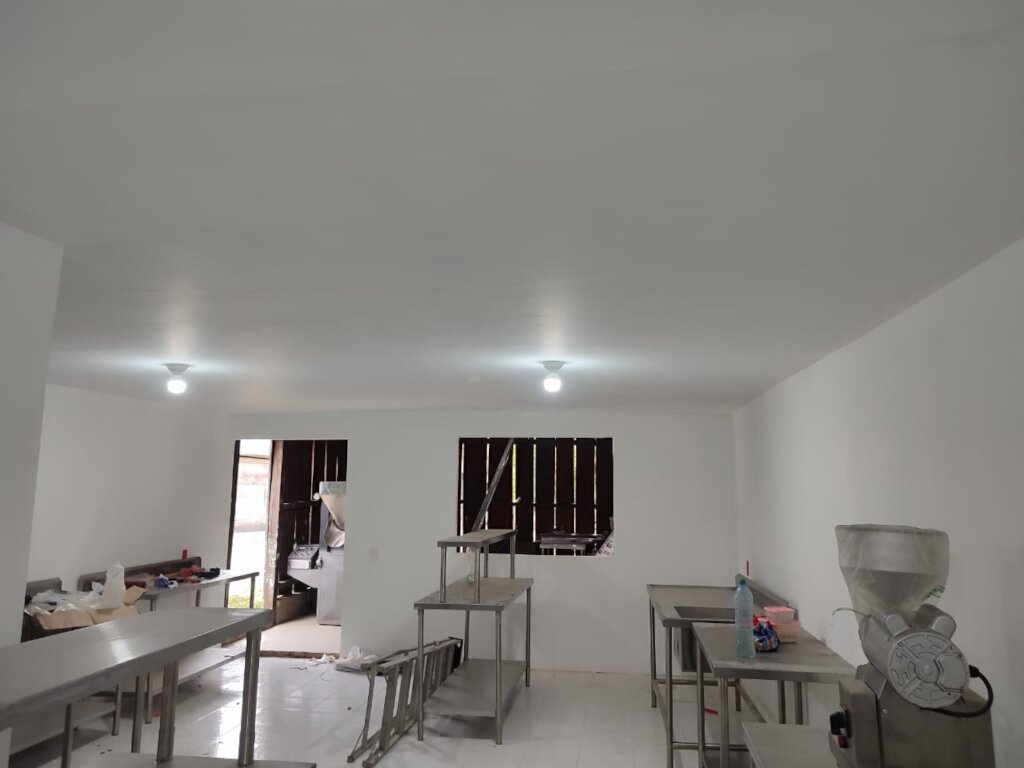
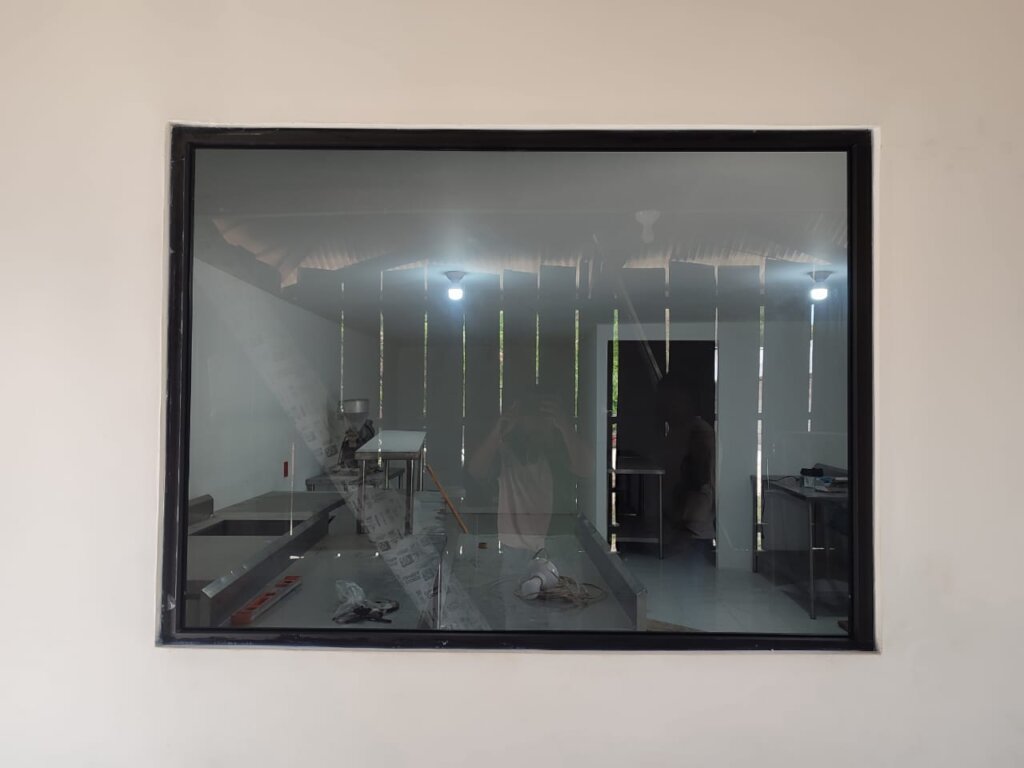
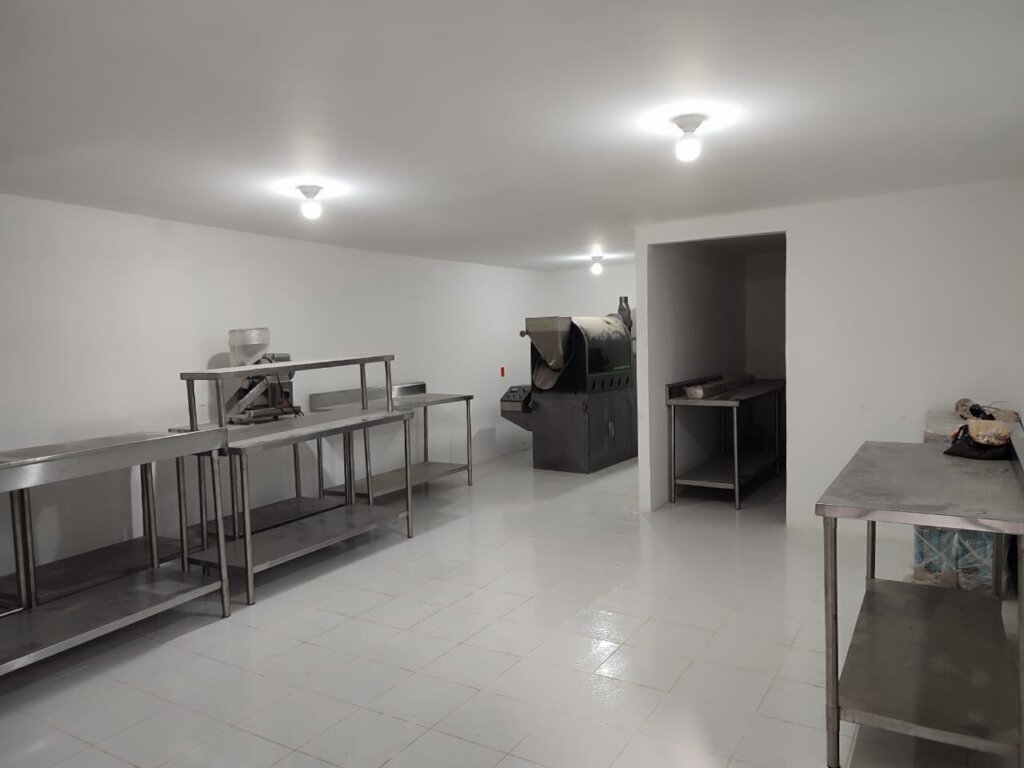
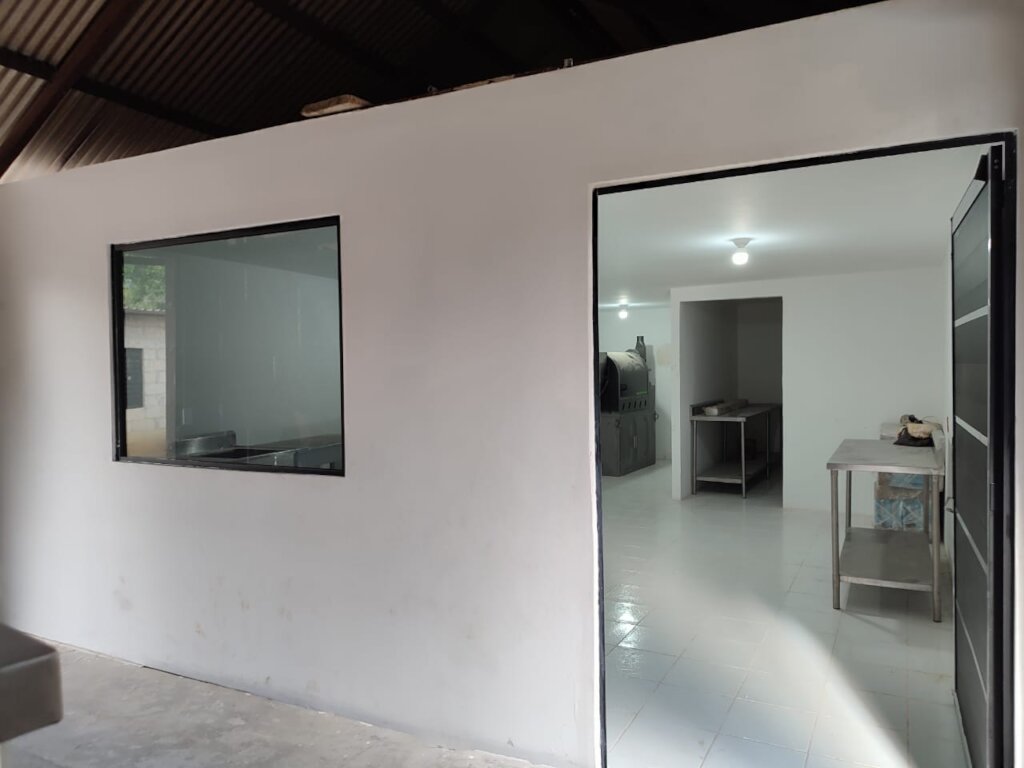
Las mujeres compartieron que, al principio, sentían temor e inseguridad al utilizar las máquinas. Sin embargo, gracias a las capacitaciones, los ejercicios prácticos y el apoyo entre compañeras, poco a poco han ganado confianza y fortalecido sus habilidades. Actualmente continúan reuniéndose para practicar y conocer mejor cada parte del proceso de producción. También están por concluir el acondicionamiento de su espacio de trabajo, un paso necesario para comenzar una producción de alimentos más formal, segura y de calidad.
Para nosotras, verlas explicar y demostrar lo que han aprendido representa un avance importante. Cada práctica fortalece su organización, autonomía y confianza para convertir sus conocimientos y productos locales en una oportunidad de desarrollo económico para ellas y sus familias.
_________________________________
During this period, we continued supporting 14 Tseltal women from San Pedro as they developed their collective enterprise. As part of this process, we welcomed a visit from the SETEM team, to whom the women presented their work, the progress they have made, and the challenges they still face.
During the visit, the participants explained how they organize their work and demonstrated the roasting machine and other equipment they are learning to use. They roasted corn with the machine and cacao on a traditional griddle. They also explained each step involved in making pinole: selecting the ingredients, roasting, grinding, and preparing the final product for their families.
The women shared that they initially felt afraid and uncertain about operating the machines. However, through training, hands-on practice, and support from one another, they have gradually gained confidence and strengthened their skills. They continue meeting regularly to practice and better understand each stage of production. They are also close to completing their workspace, an important step toward producing food in a more formal, safe, and consistent way.
For us, seeing the women confidently explain and demonstrate what they have learned represents significant progress. Each practice session strengthens their organization, independence, and confidence, helping them transform local knowledge and products into an opportunity for economic growth for themselves and their families.
Project reports on GlobalGiving are posted directly to globalgiving.org by Project Leaders as they are completed, generally every 3-4 months. To protect the integrity of these documents, GlobalGiving does not alter them; therefore you may find some language or formatting issues.
If you donate to this project or have donated to this project, you can receive an email when this project posts a report. You can also subscribe for reports without donating.



Support this important cause by creating a personalized fundraising page.
Start a Fundraiser