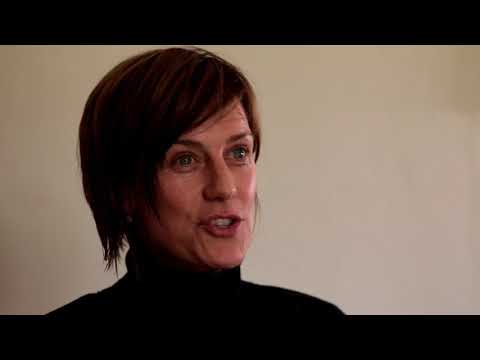
By Lisa van Dongen | Monitoring & Evaluation specialist
This report is from an independant Monitoring & Evaluation expert:
You don’t need a social scientist to tell you that the COVID-19 lockdown and associated economic recession is having significant negative impacts on the livelihoods of people in South Africa (and the world, for that matter). But it is often interesting to hear what the social scientists can tell us about how these impacts are being experienced at a human level. When looking here, we have been heartened by what our research is telling us.
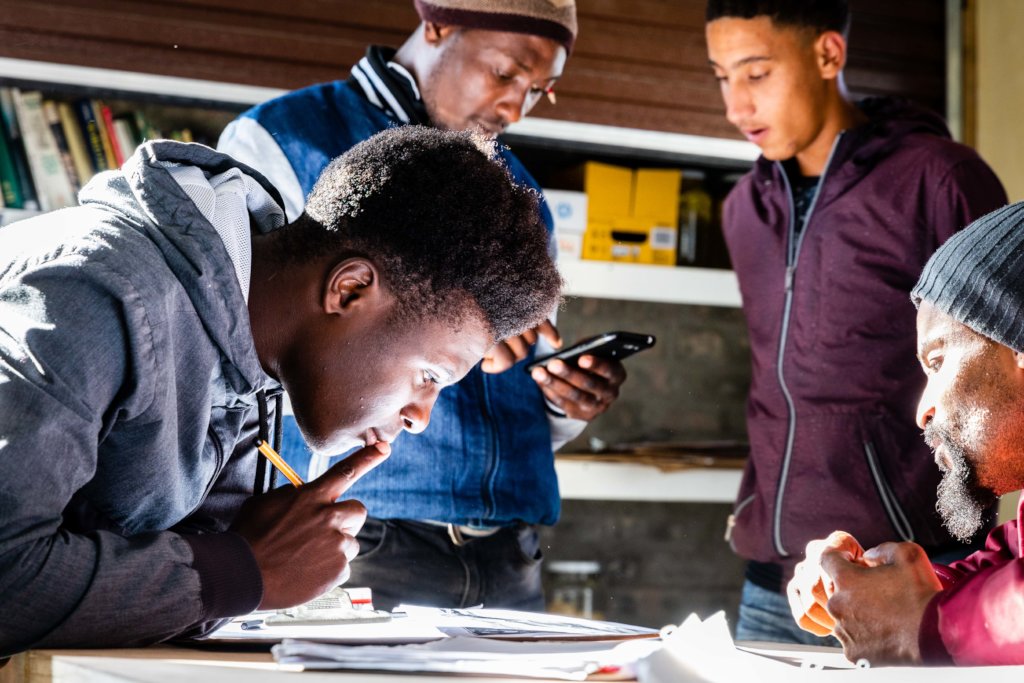
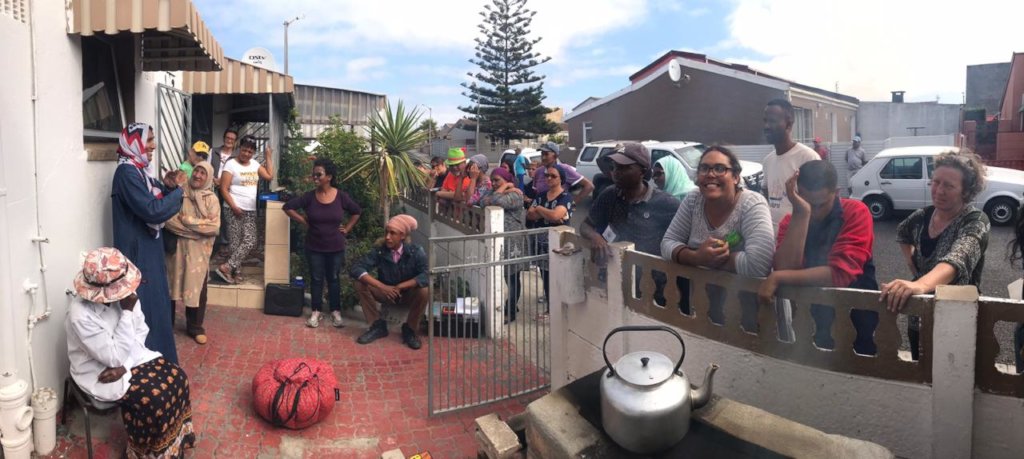
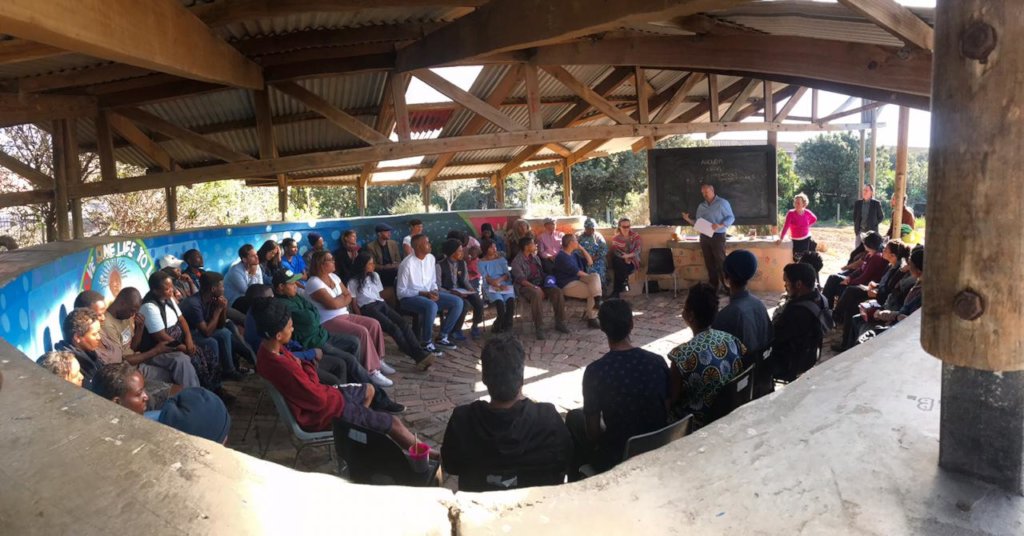
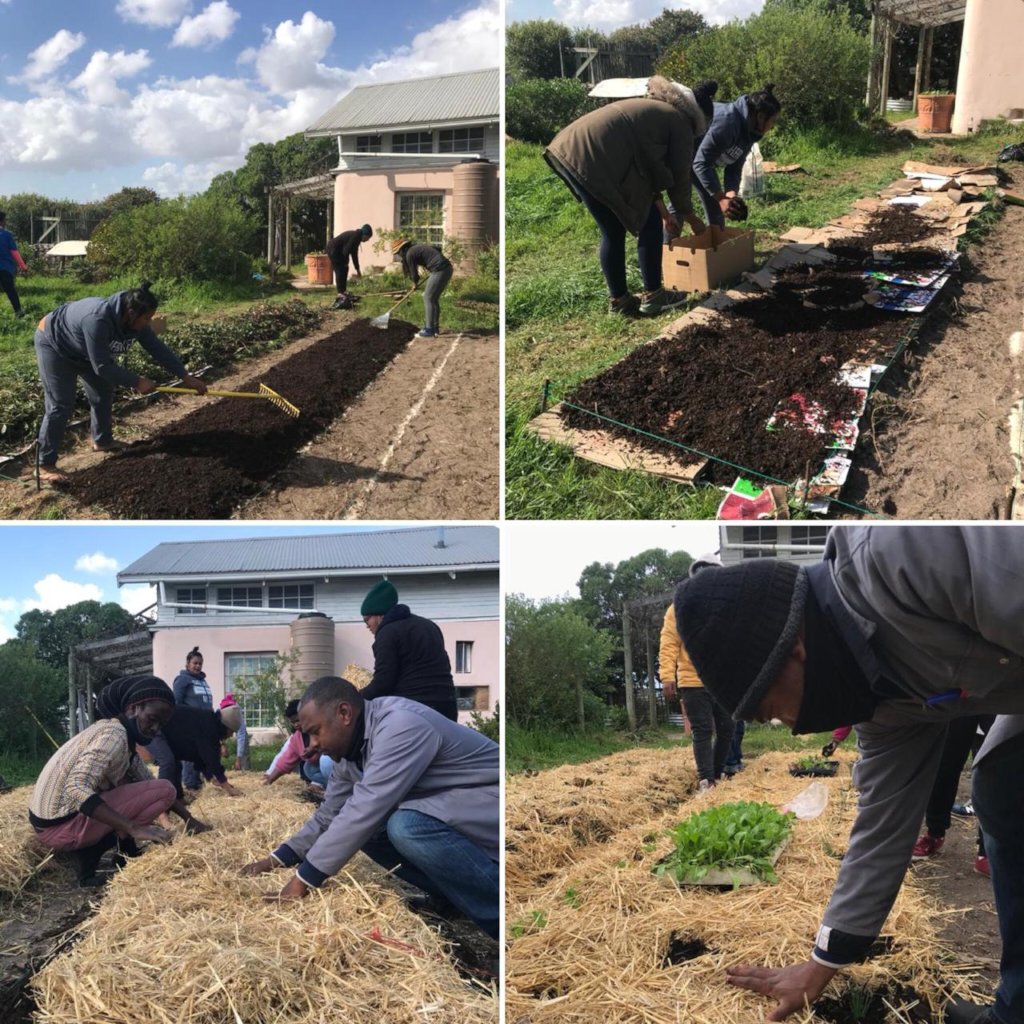
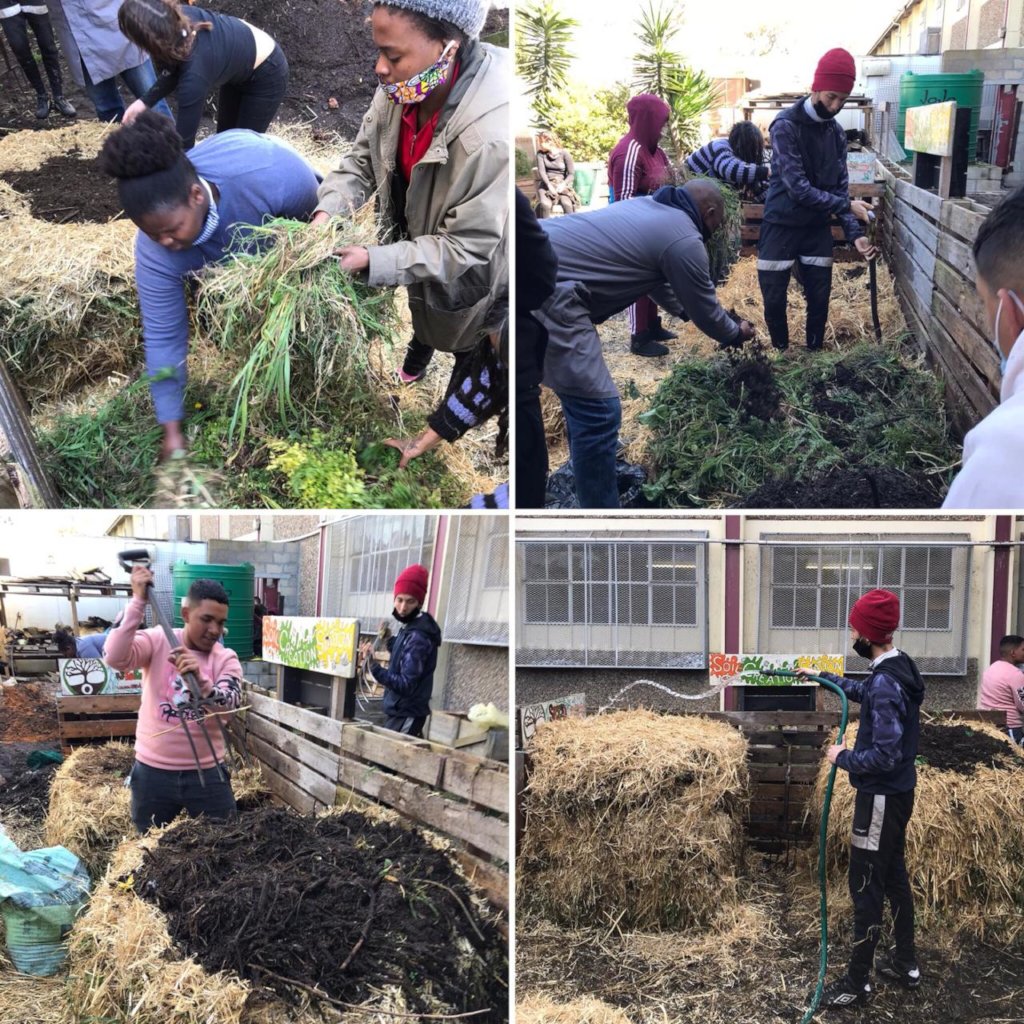
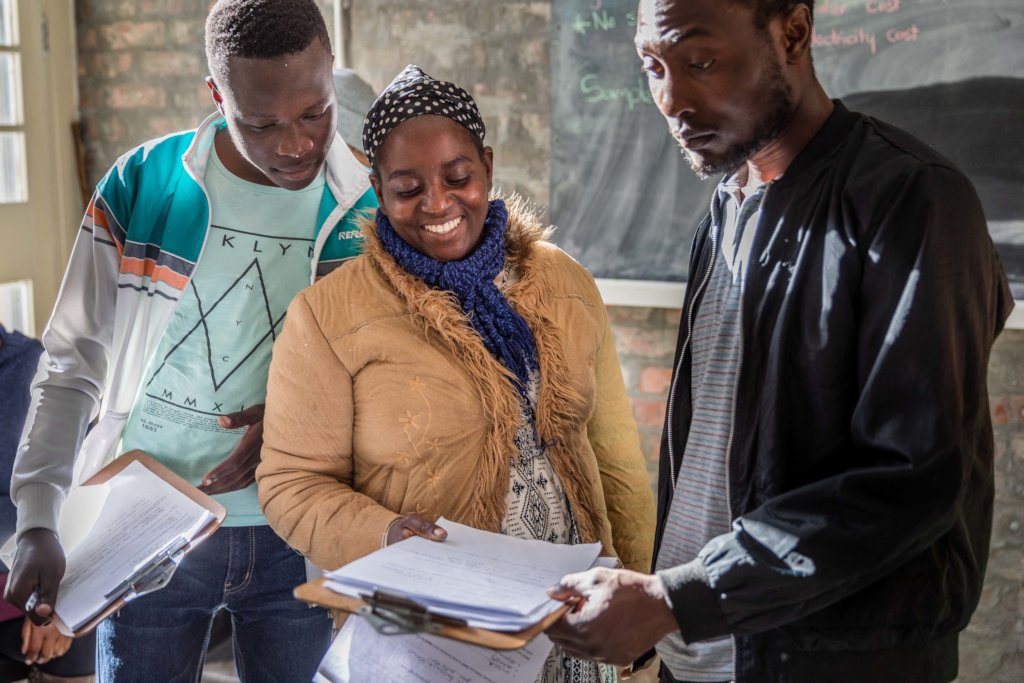
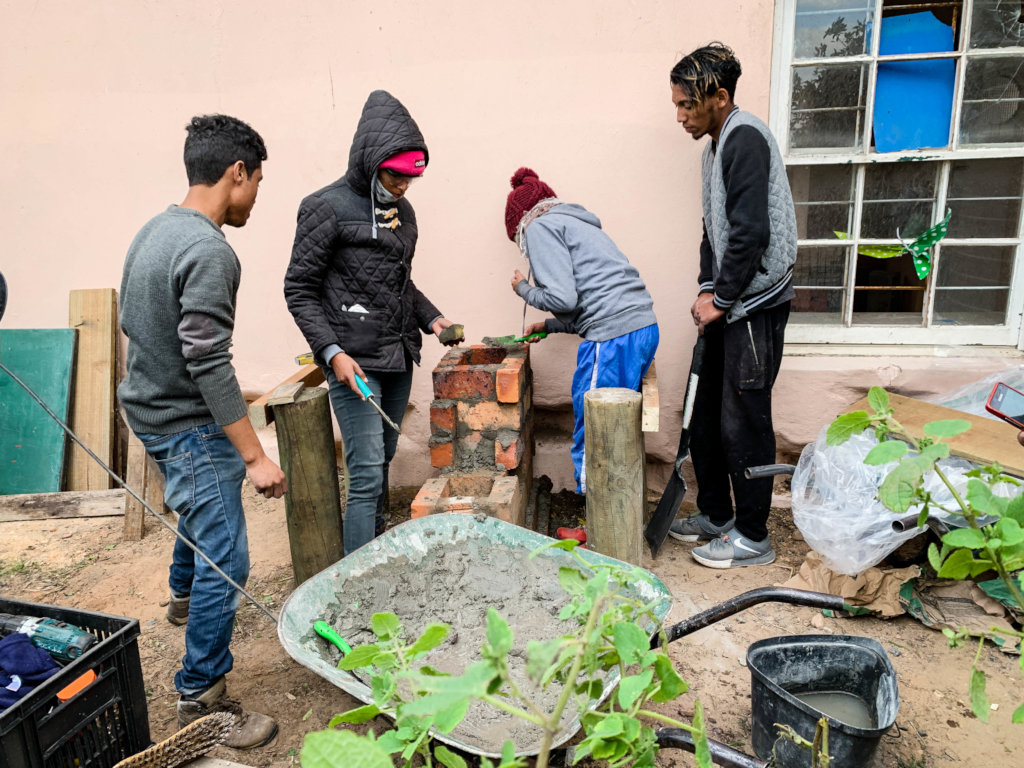
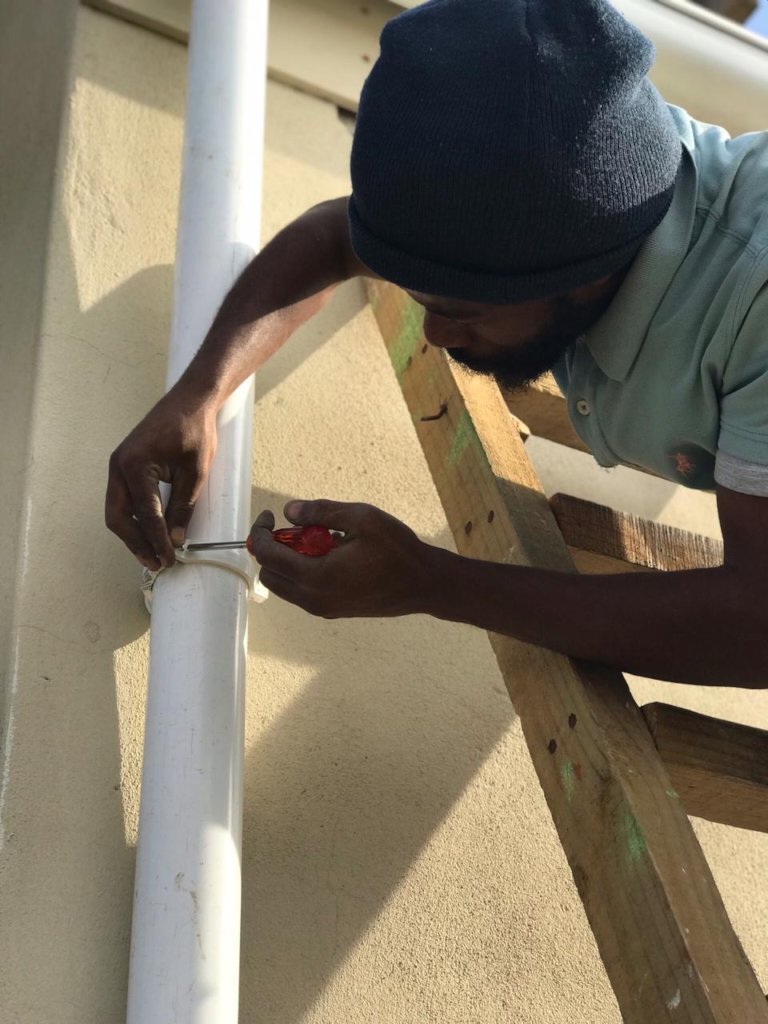
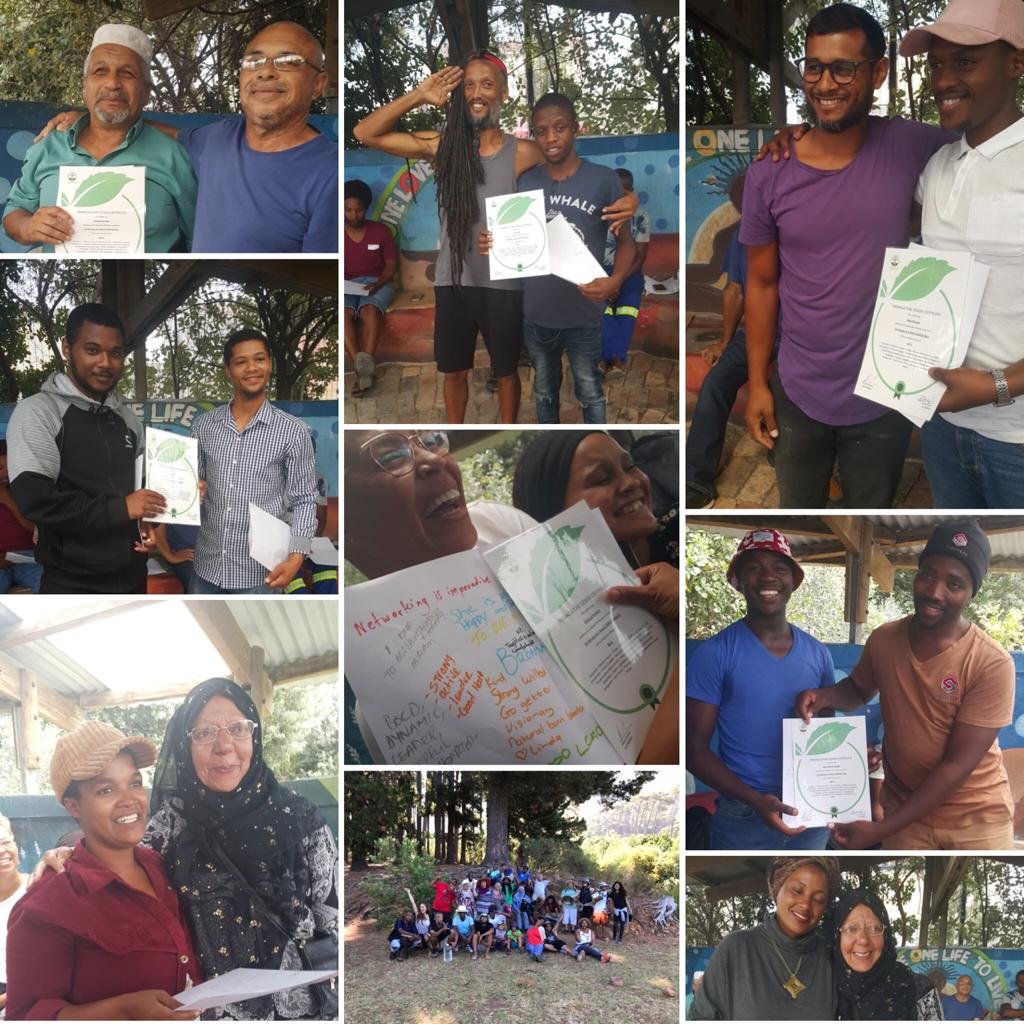
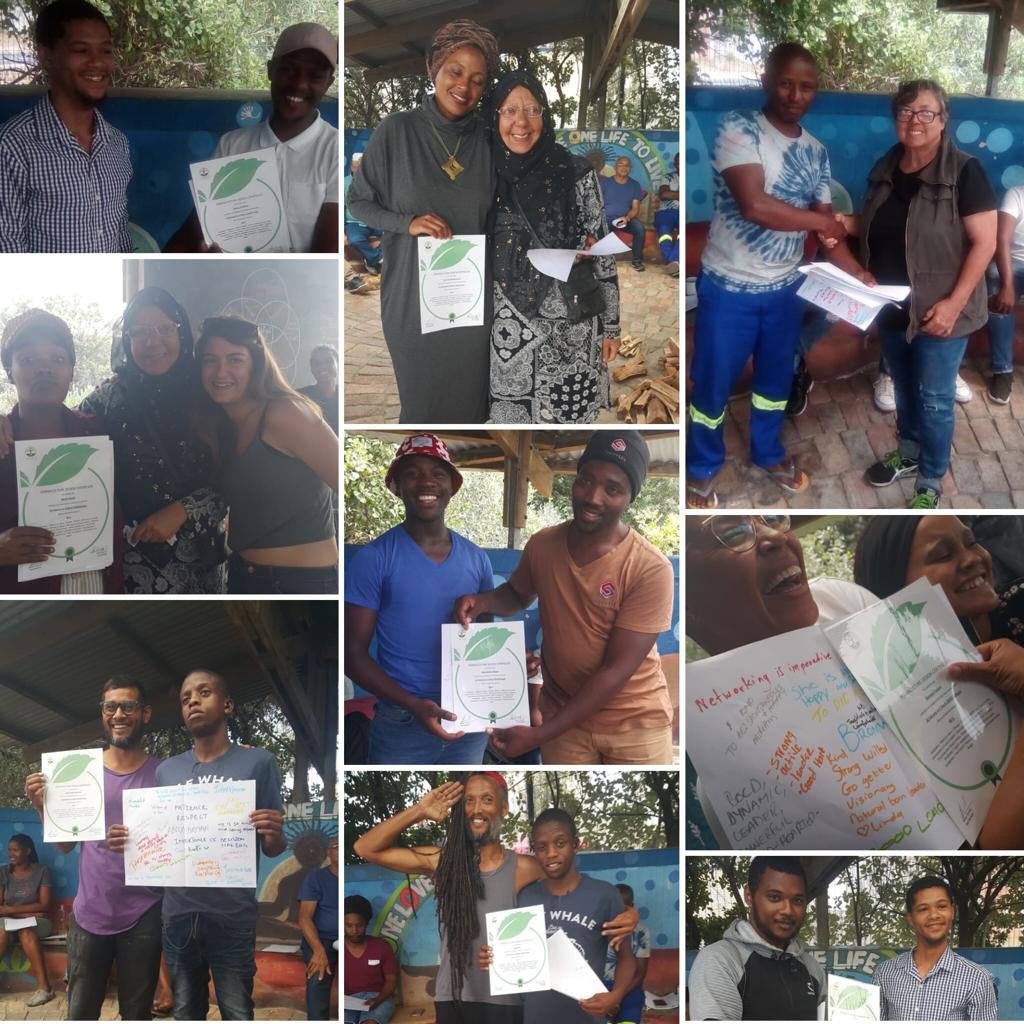
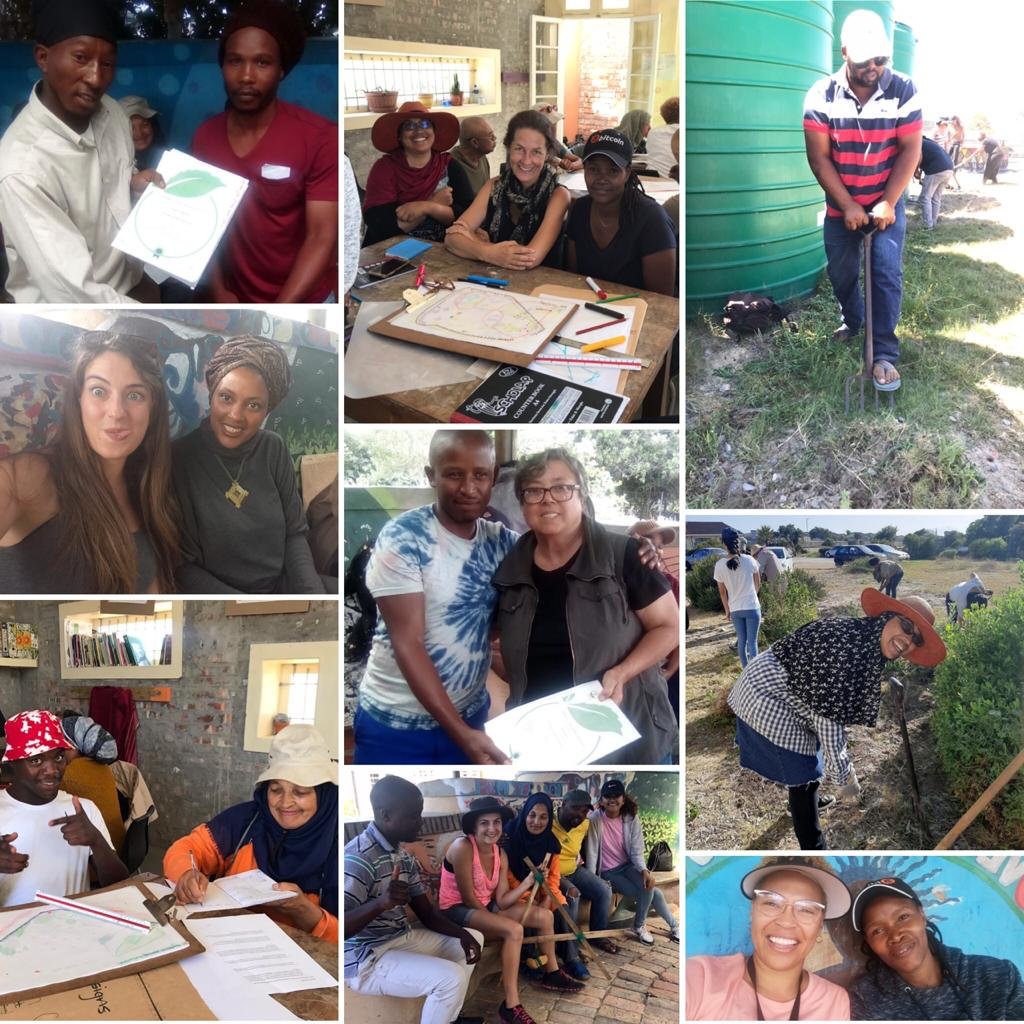
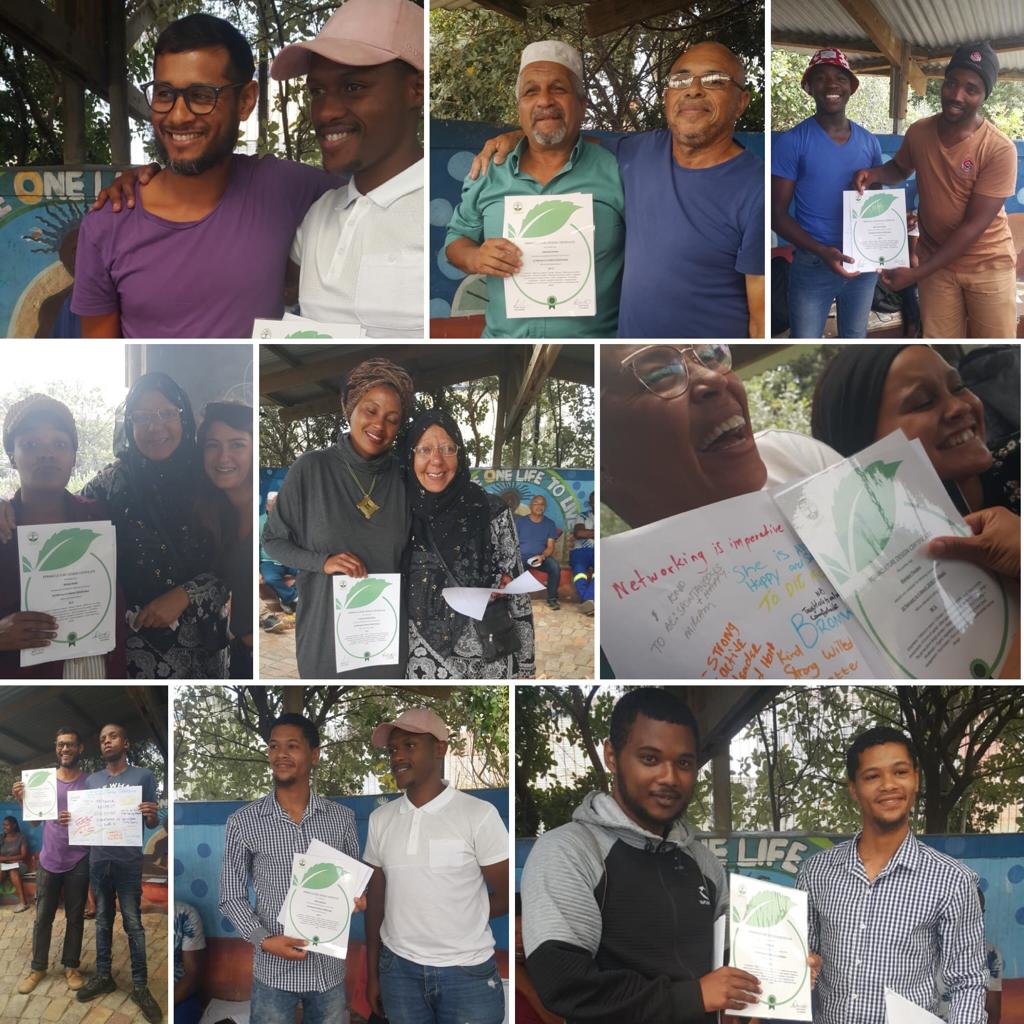
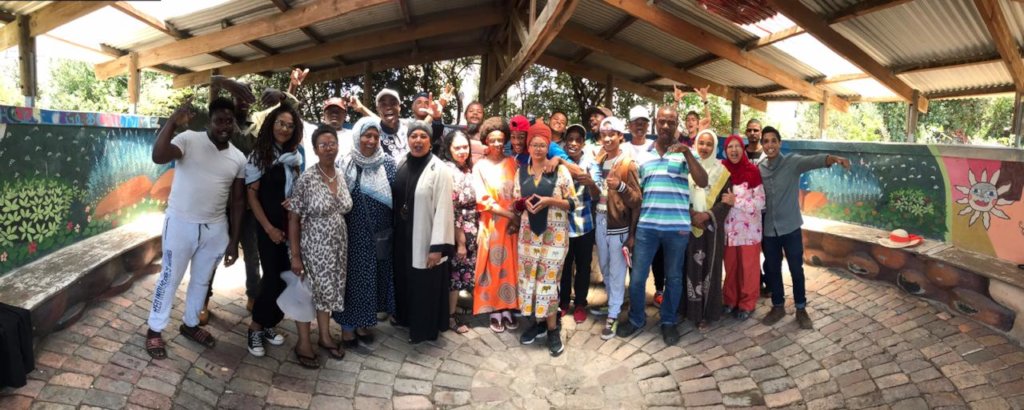
My team have been measuring the resilience of a group of youth in Mitchells Plain over the past year. As independent monitoring and evaluation specialists, we were appointed to provide services to SEED - a permaculture NGO with a (20) year legacy working out of Rocklands Primary School. Through our most recent round of monitoring and evaluation research, we were able to find out a little more on how the students from past courses have been responding to ‘Corona’.
While our statistics can’t be seen as representative of any large sample, behind each number is a human story. These are the stories we want to showcase.
The economic impact has been devastating. Our results have found that 58% of students found a job after completing the course; a feather in the cap of the course convenors when understood in relation to the 11% employment rate amongst the control group. Of these, about a third of these newly employed workers had reported never having worked before. SEED have found a formula to promote the employablility of their students. It has been devastating to learn then that more than half of their employed students lost their jobs at the beginning of lockdown. Only about a quarter have been able to continue to work through the lockdown. Worse still, the losses seem permanent for most where only 2 students (13%) told us that their employers were paying their full salaries and holding their jobs.
A similarly bleak picture is sketched for the course’s entrepreneurs. 16 new businesses were started by students after leaving the course. Of those interviewed since COVID, 64% (7) reported closing their doors as a casualty of the lockdown.
And the impacts have not only been economic. Even those few who were able to keep their job through lockdown speak of the hardships of not being able to visit their families over this period.
However, the COVID story is not exclusively one of ruin. About a third of students reported extreme distress (the 2 lowest possible score); but just over a third indicated that COVID changed their life in positive ways too. Similarly, about half of the students indicated that they felt very well equipped to deal with the crisis, something many attributed to the course.
Some have found positive in the way that the crisis has forced innovation. One entrepreneur spoke of adapting to online marketing strategies while another spoke of migrating to internet currency systems. Others report having used the time under lockdown to invest in their communities or their permaculture activities (e.g., food growing). Others can’t claim the same levels of resilience but noted that the crisis has passed them by – as they continue to be cared for by others or the state. These members were not part of the formal economy and as such haven’t (yet) experienced the effect of its recession.
This research humbles us again, reminding us to listen beyond the headlines and sound bites. The economic collapse and human health crisis are part of the story but it also has another side. And as we listened to the strategies of a set of students who have been schooled in resilience, we have been reminded again that we will all wake up the day after “the worst” happens - and find a way to adapt.
“I feel empowered after all the information I learnt at SEED. The course has changed my life and helped me to take care of myself and my community. I am proud of my food garden and compost system. I am a social auxiliary worker and always encourage my clients to live “green”. I work as a volunteer in my community, teaching women who have been through trauma how to do gardening. The course has helped me to deal with the COVID crisis, being able to sustain myself”.
More on SEED’s Training Programme:
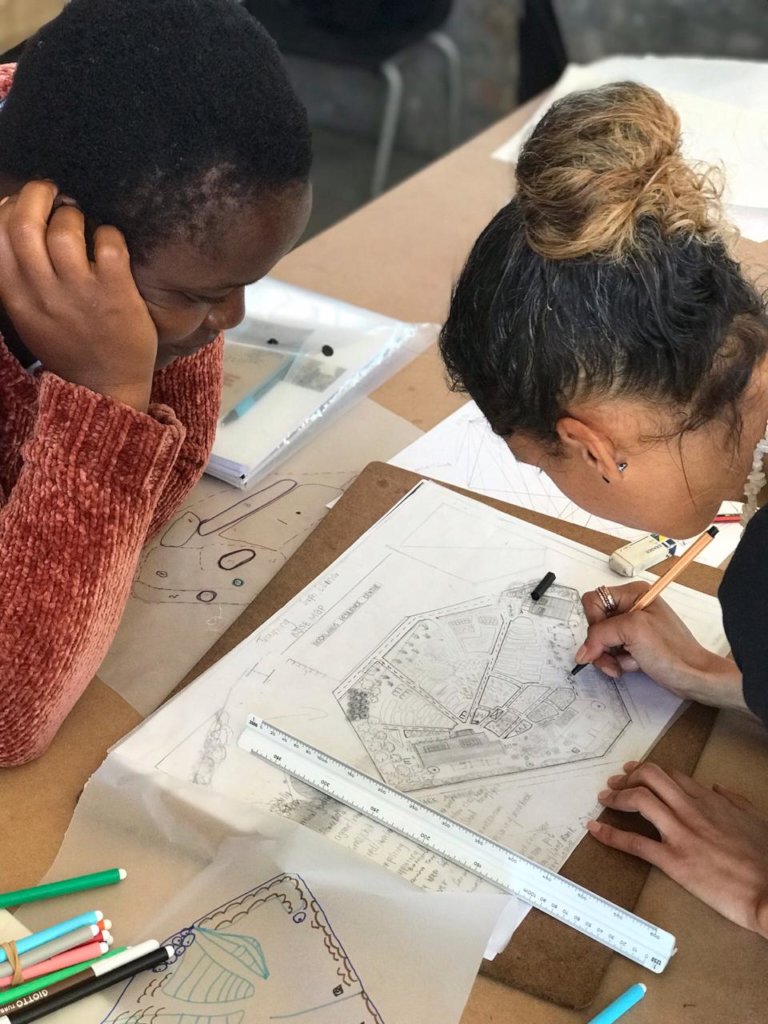
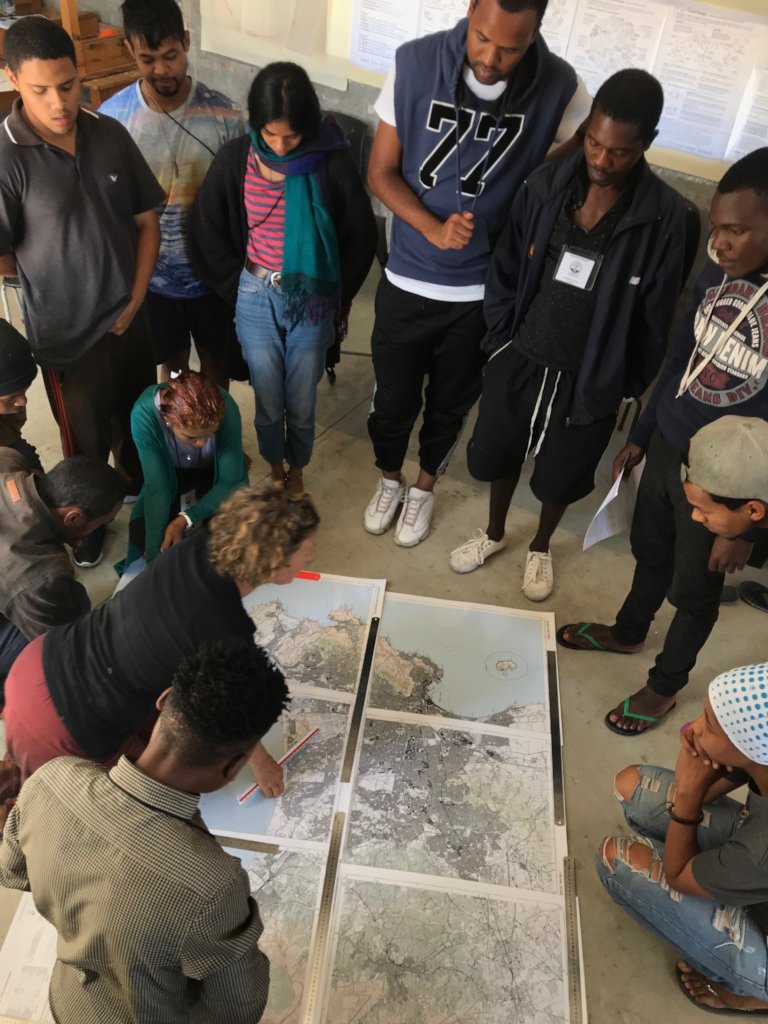
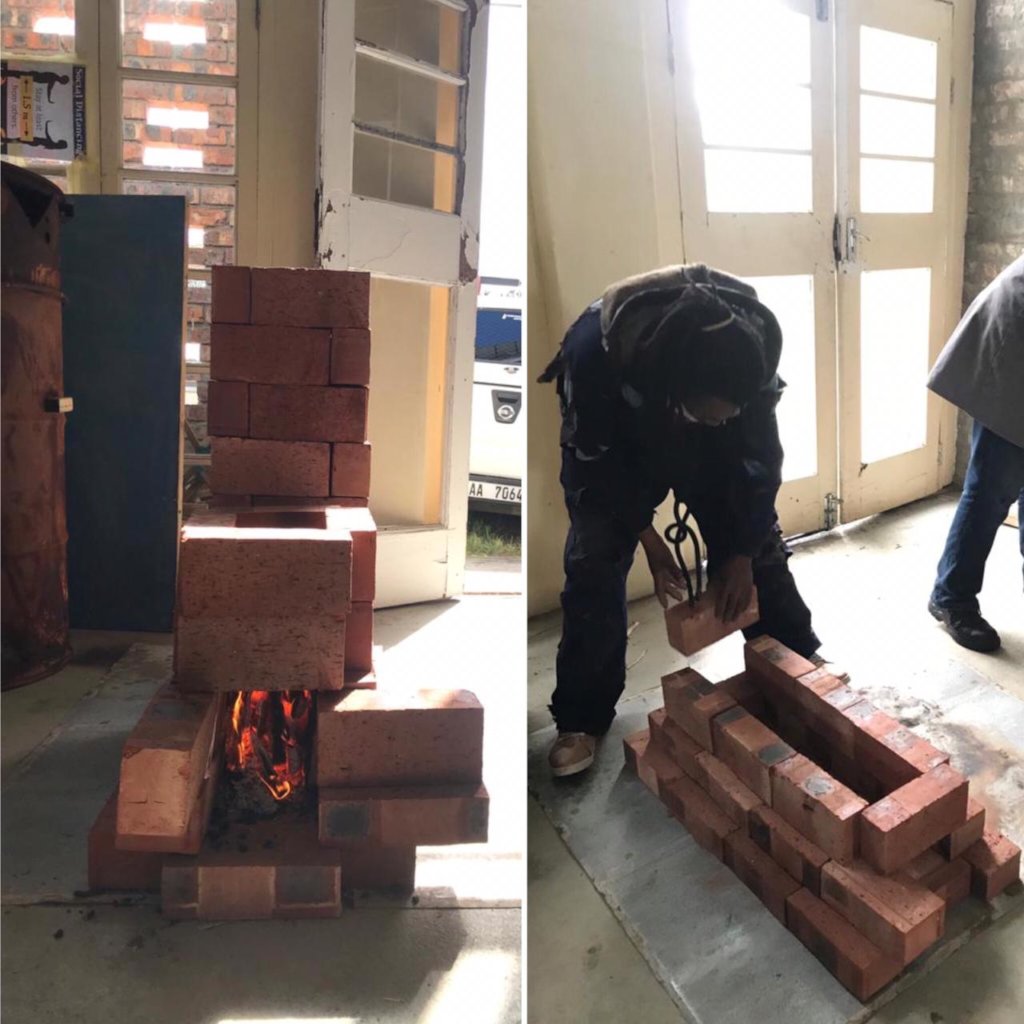
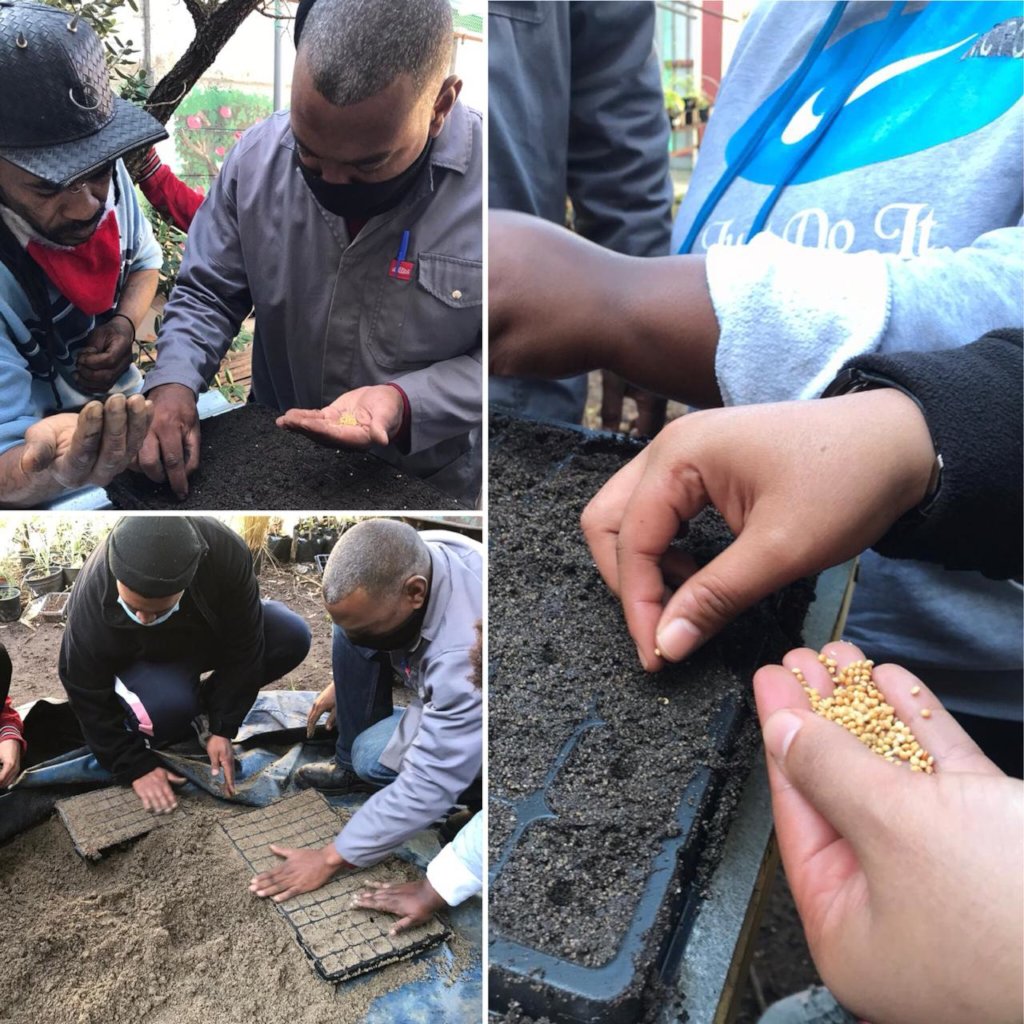
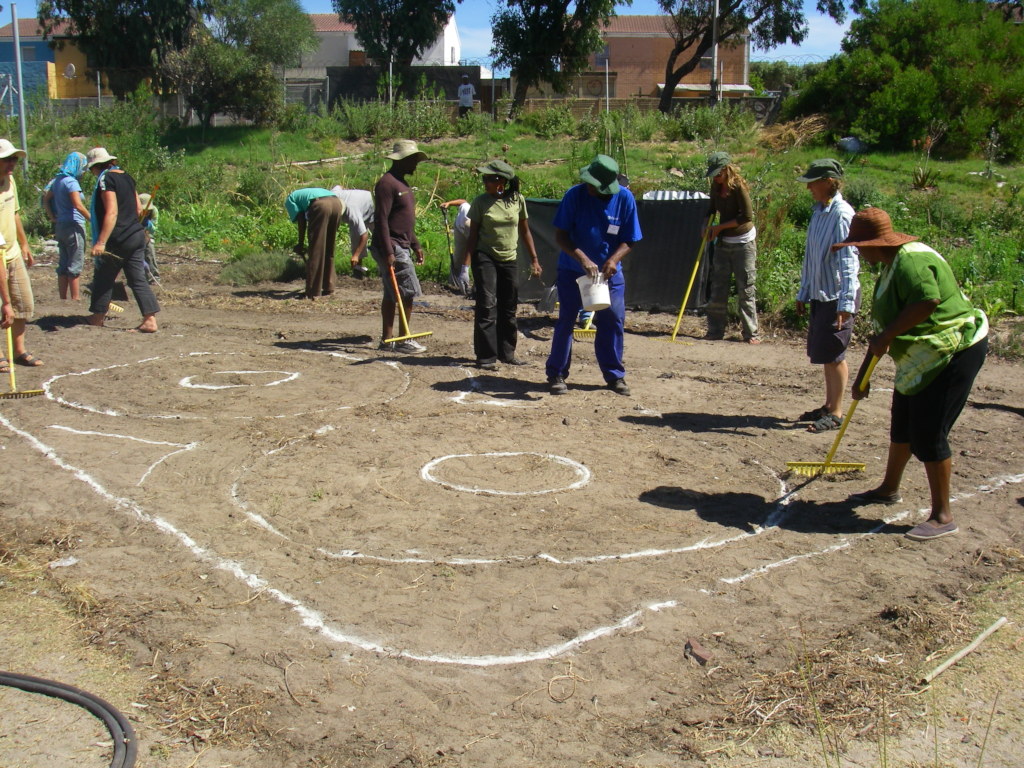
Results of our research have shown that the Seeding Futures programme has significant positive impacts on personal development, empowerment and resilience of students who move through their programme. While teaching permaculture principles, the programme has been shown to effectively support students build coping mechanisms to withstand shocks, improve their self-knowledge and self-appreciation and develop practical skills. These have been designed to improve the personal, household and economic resilience of students.
By Leigh Brown | Activist
By Leigh Brown | Director
Project reports on GlobalGiving are posted directly to globalgiving.org by Project Leaders as they are completed, generally every 3-4 months. To protect the integrity of these documents, GlobalGiving does not alter them; therefore you may find some language or formatting issues.
If you donate to this project or have donated to this project, you can receive an email when this project posts a report. You can also subscribe for reports without donating.