By Diana Karanja | Project manager
1. Overview
This quarter has been very exciting for our SEAM children. It is a period that incorporated both school terms and holidays. Although a good proportion of the participants were in boarding schools, the participants who attend day-schools had had a very interactive and practical and enjoyable period. We registered a total attendance of 673 (409 girls and 264 boys) participants during this quarter. Girls always have a higher attendance rate than boys.
2. Early Childhood
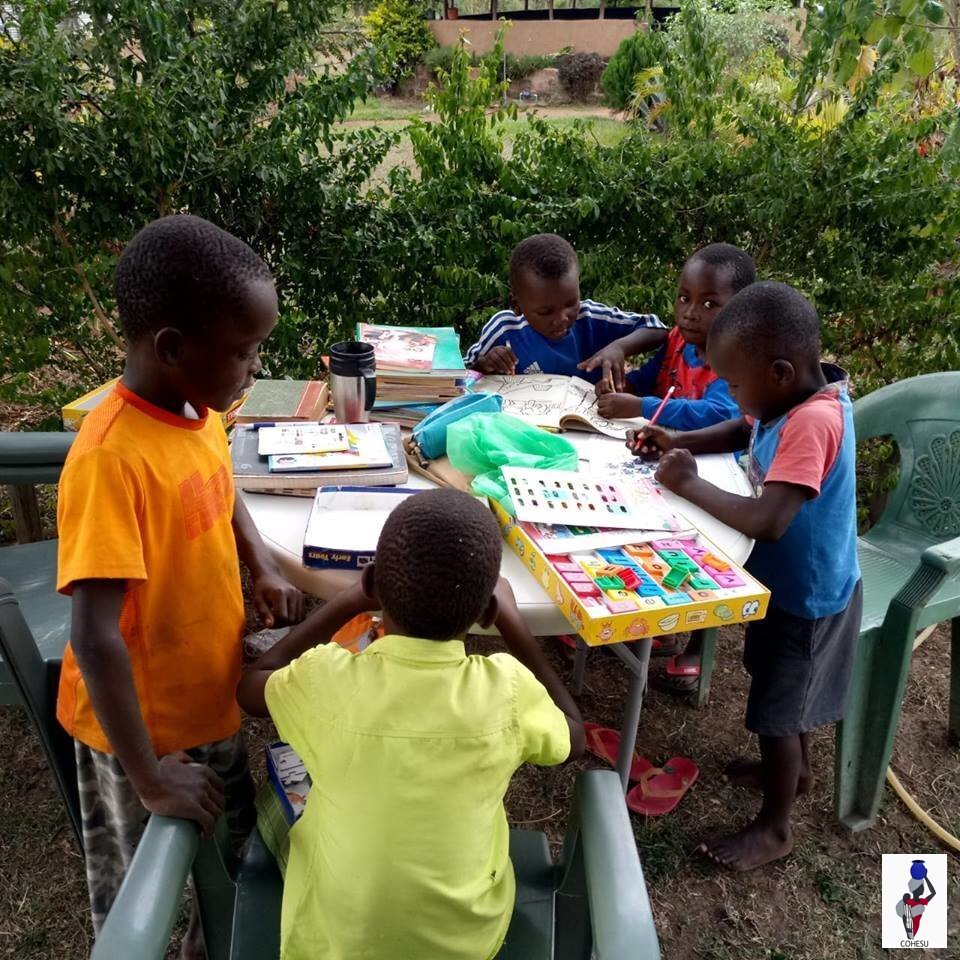
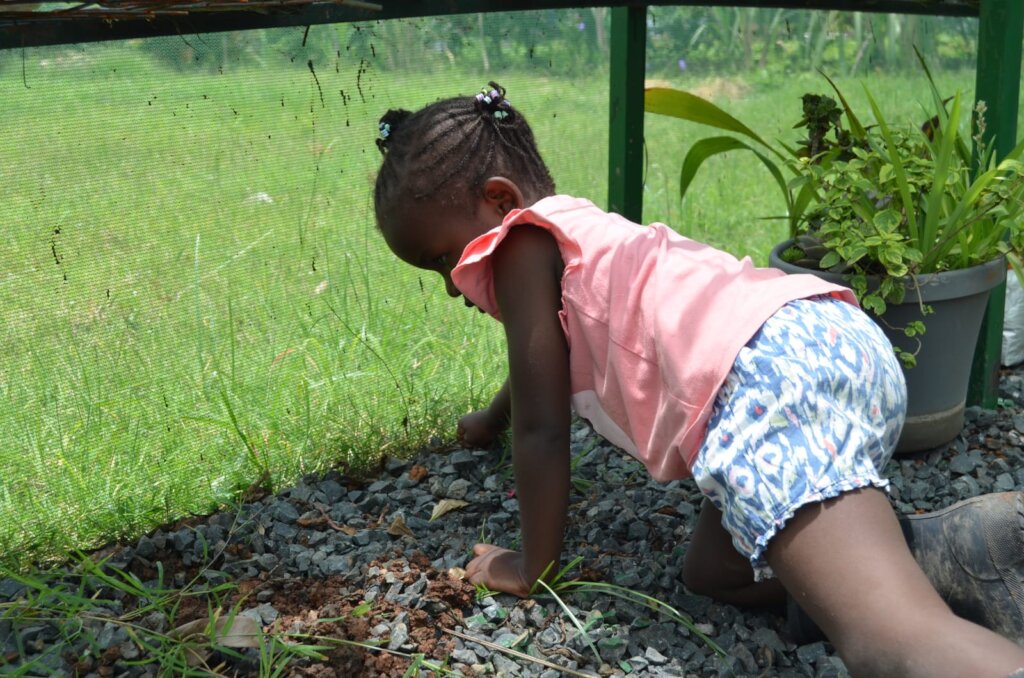
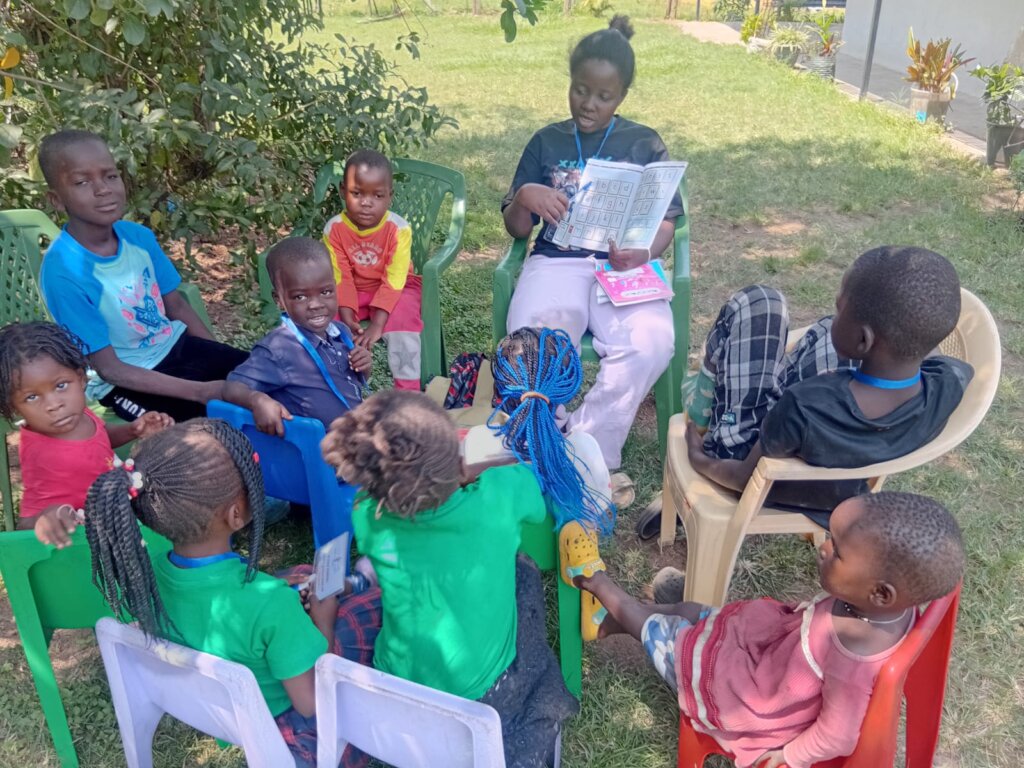
The early childhood group comprises children aged between 2 years to 8 years old. We work with this group of participants to strengthen their reading, academic and social skills, with a lot of playtime. This quarter we had an average of about 20 early childhood children every Saturday. This group forms the Cohort from which members move on to join the other activities groups as they grow older. We had a lot of playtime and storytelling in the garden. The children loved the outdoor activities.
3. Environmental Group
SEAM’s environmental education program aims to equip our participants with knowledge, practical skills, and habits that lead to a deep appreciation for nature and environmental conservation. Our hands-on learning approach helps the children develop a better understanding of the natural world around them. We aim to empower them to recognize and respond to environmental challenges like pollution, biodiversity loss, and climate change. A key highlight this year was the celebration of World Environment Day, held at the COHESU grounds. The event provided an exciting opportunity for participants to learn from three distinguished members of the Kisumu District Kenya Horticultural Society (KHS)—Ruth Abir, Oby Obyerodhyambo, and Hilda Nyamwaya—who shared their knowledge
and experience in horticulture and environmental conservation.
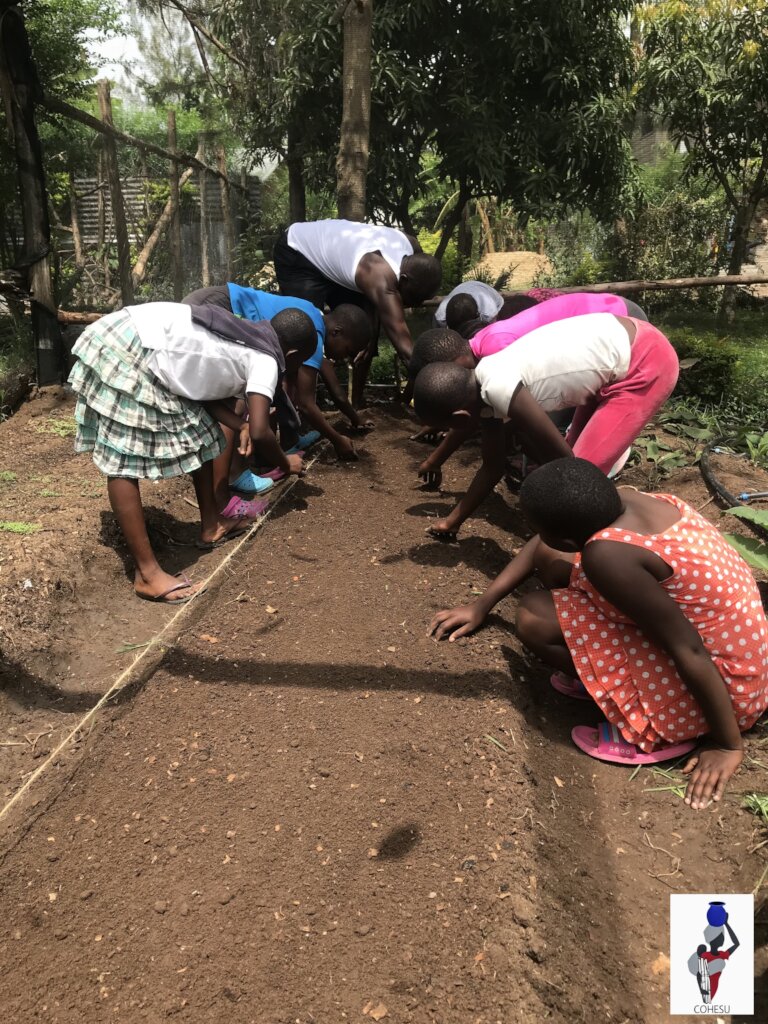
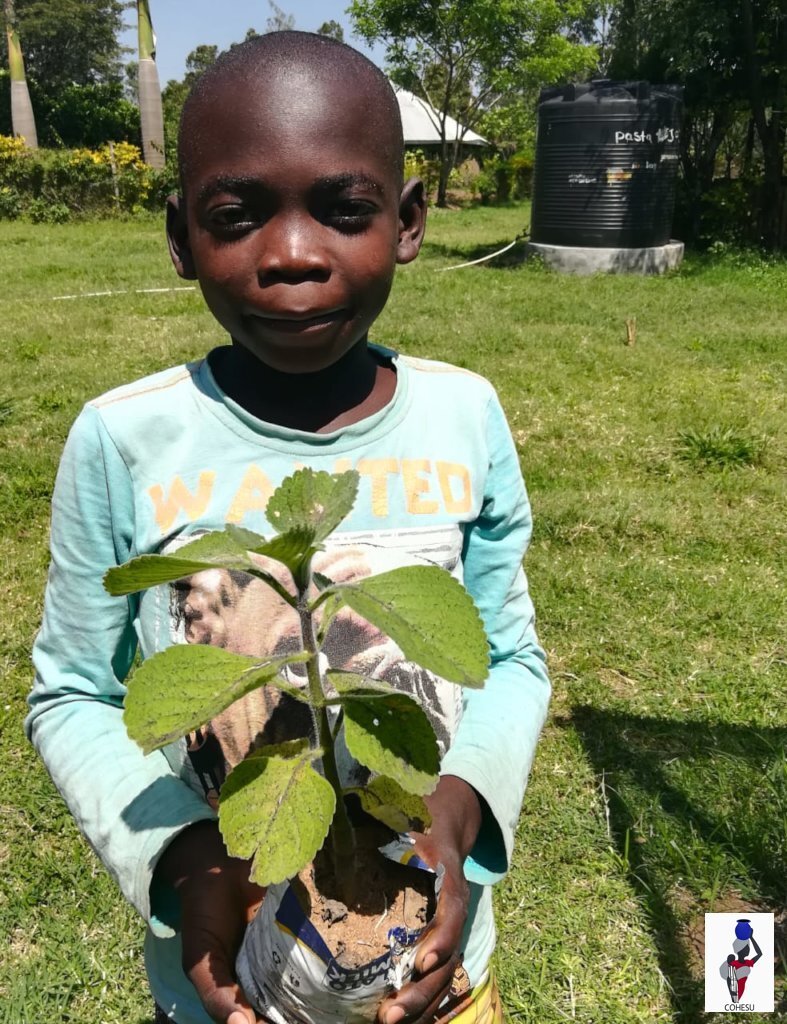
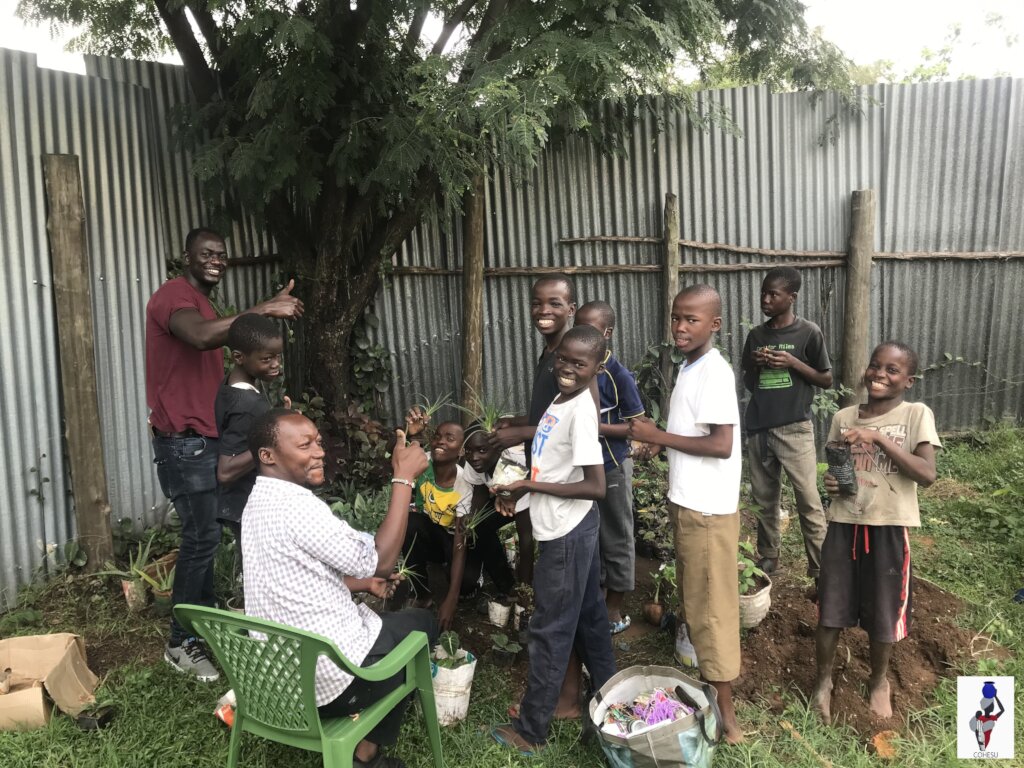
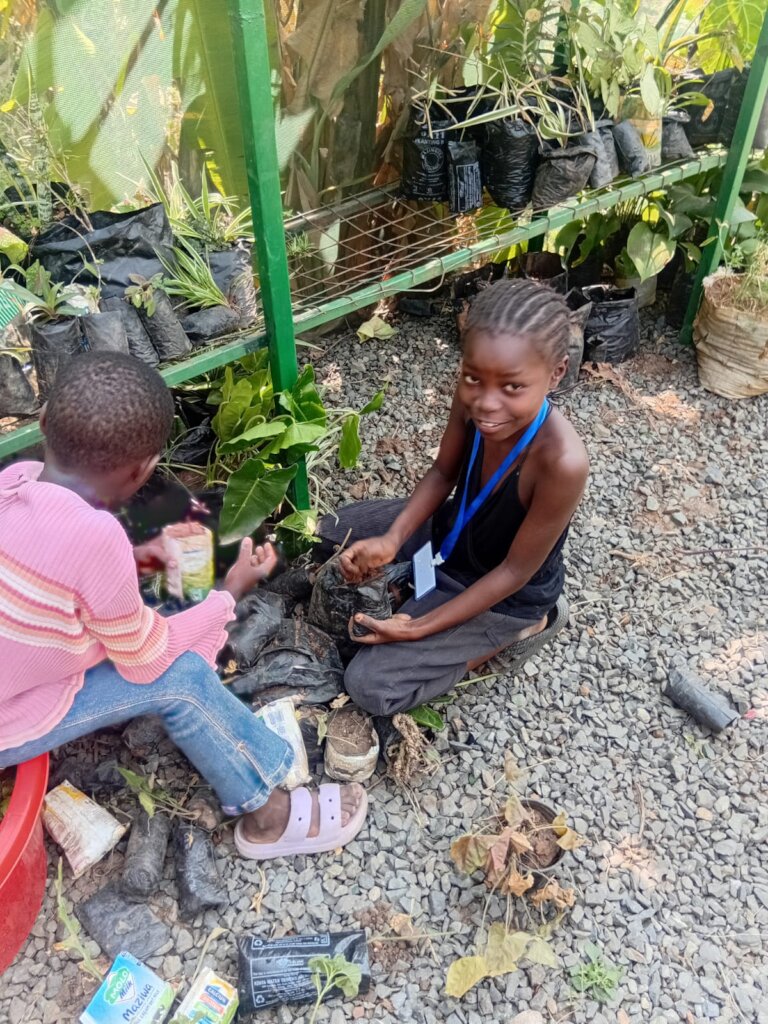
The children interactively and enthusiastically participated in identifying, planting, and caring for indigenous trees, fruit trees, and flowers. Beyond learning how to plant and nurture different species, they were introduced to their botanical names, uses, and benefits. Particular attention was given to indigenous and herbal plants, helping the children appreciate their ecological, nutritional, medicinal, and cultural value. The practical nature of the activity made environmental learning both enjoyable and meaningful. By actively engaging with plants and trees, SEAM participants are developing a sense of responsibility and stewardship for their environment.
4. Arts and Crafts
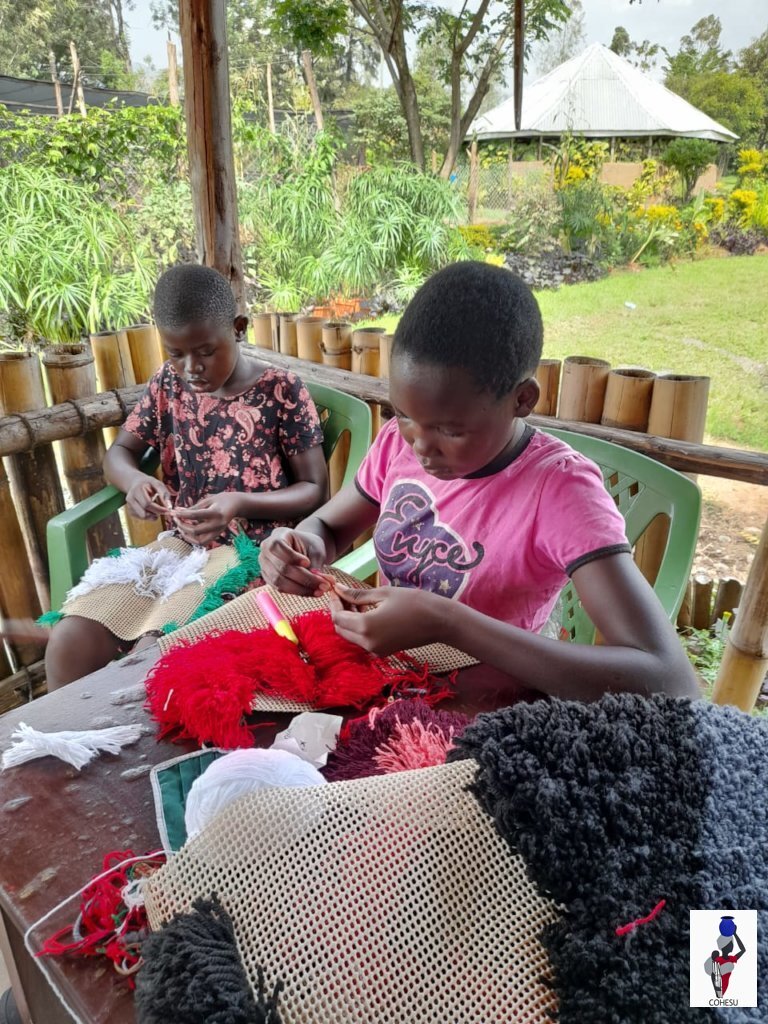
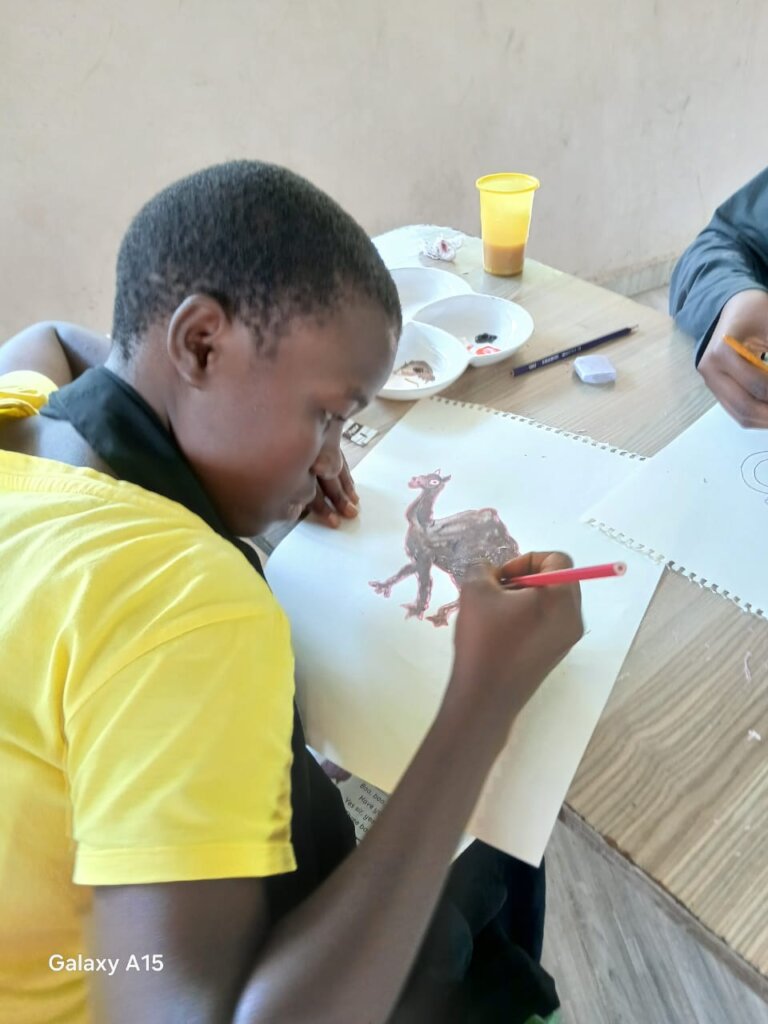
We use Arts and Crafts not only to help build creativity and self-expression in the SEAM participants, but also to teach skills that can be used later for income generation. During this period, this group was very excited to begin harvesting seeds from the Job’s tears (Coix lacrymajobi) plant that they had planted earlier. They are now able to harvest beads for nacklaces and bracelets, which they hope to sell during their open day in December.
5. Floriculture Club
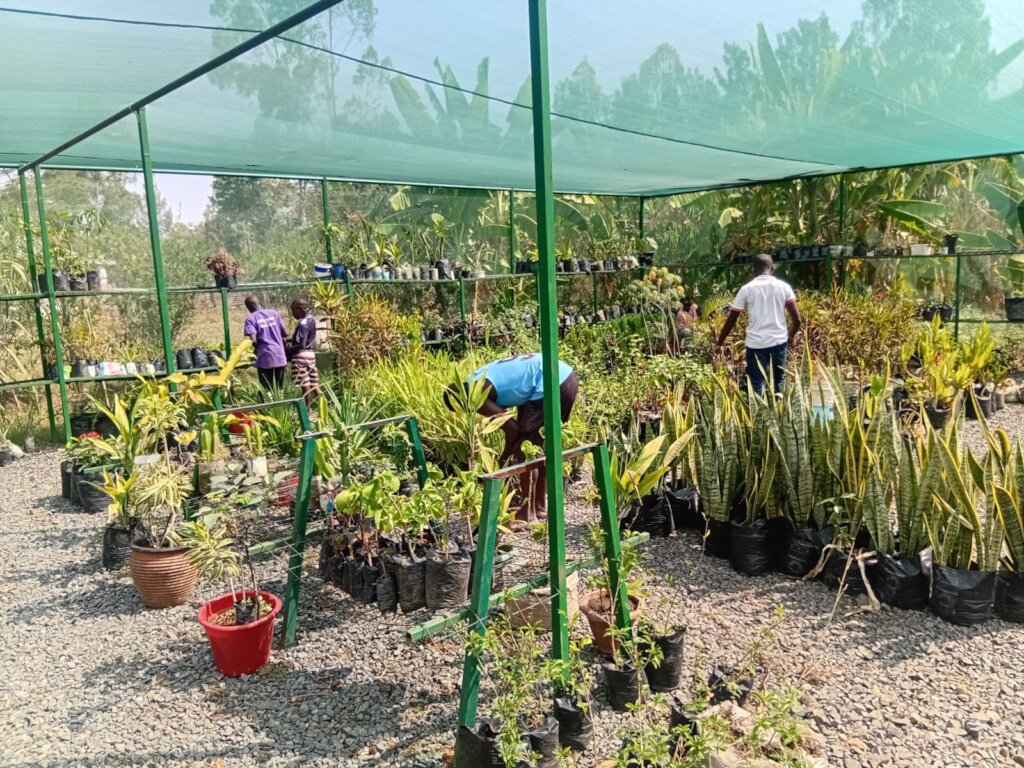
The children continue to work very hard to increase the species of new flowers that they can grow in the shed-net for the Floriculture Club. Their flower sales are increasing slowly with the increased attention from the community. The floriculture participants have now been allocated individual shelves in the shednet so that each participant can showcase their favourite flowers and learn the discipline of
taking care of their own space.
6. Gardening Outpost
Our strengthening of the community family vegetable, fruit and tree gardens under the Outpost program continues to grow. The second quarter of the year involved mostly management and harvesting in our outpost families and the community at large. An interesting discovery for this group was how to make a popular kind of broom from the leaves of palm trees. This lesson will also help raise finances for the children through the sale of the brooms.
7. Sports Development
We had a lull in the skating program after losing the teacher. We are in the process of looking for a new volunteer to train the children, even as we look around for funds that can not only build a larger space for the sport, but also pay a teacher. We still hope to raise funds to create a larger, safer skating space for the children.
Expanding the skating area will allow more participants to skate comfortably at the same time, reduce the risk of injury, and provide an environment that supports structured training as well as free practice.
8. SEAM Lunch and the Lunch Buddy Program
SEAM LUNCH initiative is a central component of our programs. We have so far served a total of 1004 lunch meals to the children this year. We appreciate the support of our partners and individual supporters participating in the Lunch Buddy Program. We have launched a fundraiser for the lunch buddy program as the numbers of children rise. This program addresses the nutritional needs for the day, and allows the children the ability to focus, participate actively, and fully benefit from learning and sports activities..
9. Outcomes and Impact
Strengthening Early Learning for the little children
Strengthened food security through Outpost program
Improved physical and social skills among children participating in skating
Enhanced environmental and agricultural learning through the new floriculture shed-net
Strengthened entrepreneurship and financial literacy skills via the floriculture program
IMPACT REPORT: Featuring Ephy Ndati's journey from uncertainty to
opportunity(Summary). By Brian Ogembo
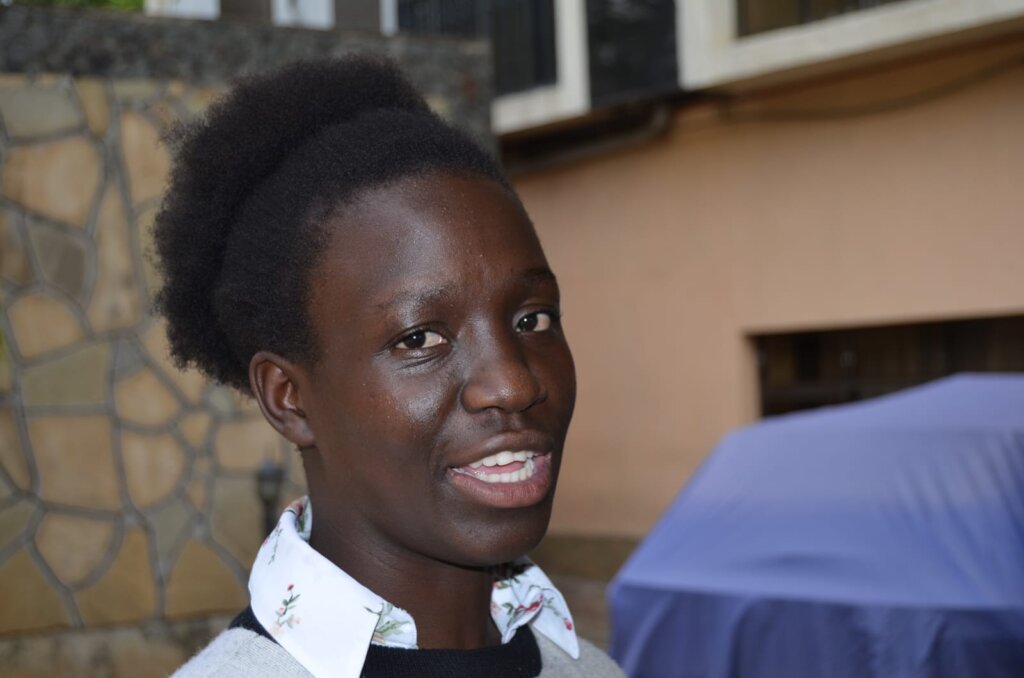
At a time when many young girls are forced to shrink their dreams to fit the limits around them, Ephy Ndati chose quietly, stubbornly to keep hers alive. Her journey did not begin with certainty or comfort, but with questions, small hopes, and days that often felt heavier than they should. There were moments of doubt, moments when the future seemed like something meant for others, not her. Yet, like threads patiently woven together, she began to piece her life into something stronger.
Ephy’s story began to change around 2014, when she joined the COHESU SEAM program. At the time, she was a young girl navigating uncertainty, like many others in her community. The future was not yet clear. Opportunities felt fragile. But within SEAM, she found something rare, a place where she was seen, guided, and given room to grow. Her voice softens when she recalls her best memory: the day she was recognized as an innovative girl. It was not just the award that stayed with her, but the feeling that came with it the realization that her ideas mattered, that her efforts were being noticed. Later, being awarded as one of the most focused students in SEAM became another defining moment. These recognitions were not just certificates; they were affirmations that she was capable, disciplined, and deserving of a brighter path.
Yet, behind those proud moments are quieter, more intimate scenes; hours spent learning how to weave mats, carefully stitching bags from both modern and traditional materials, and discovering the discipline of saving even the smallest coins. There were days when things did not come easily, when mistakes felt heavy, and progress seemed slow. But SEAM taught her something deeper than skills. It taught her persistence.
“I learned how to face challenges,” she says, her words carrying the weight of experience. Not to run from them, but to meet them with courage. Today, Ephy is pursuing an IT course at KCA University, stepping into a future shaped by technology and innovation. It is a remarkable transition from working with her hands to now navigating the digital world but for her, it feels like a natural continuation of the journey she began years ago. She is also a valued SEAM champion who volunteers her time to teach the younger children during her free time.
10. Way Forward
COHESU’s SEAM mission of youth development through a holistic approach of integrating sports, environmental learning, and entrepreneurship continued to be strengthened to create engaging pathways for children to learn beyond the classroom. Planning is ongoing for increased activities for the new quarter, which includes school holidays, and anticipated increased participant numbers. We are looking for funding to also put up a gallery where we can display the children’s products.
Project reports on GlobalGiving are posted directly to globalgiving.org by Project Leaders as they are completed, generally every 3-4 months. To protect the integrity of these documents, GlobalGiving does not alter them; therefore you may find some language or formatting issues.
If you donate to this project or have donated to this project, you can receive an email when this project posts a report. You can also subscribe for reports without donating.



Support this important cause by creating a personalized fundraising page.
Start a Fundraiser