By DR KRISHNA R MURTHY | PROJECT LEADER
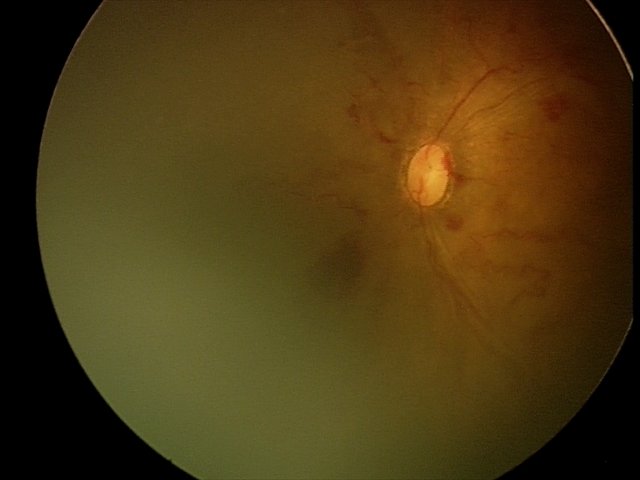
Retinopathy of prematurity (ROP) is related to oxygen-regulated vascular endothelial growth factor and to insulin-like growth factor. The natural course of ROP leads to blindness, causing a social and financial burden on the community. Irreversibly impaired vision may also hinder cognitive and psychomotor development of the affected children.
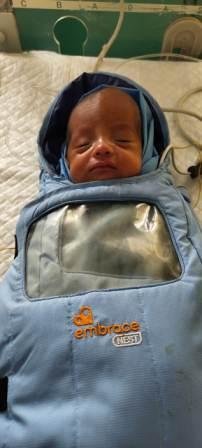
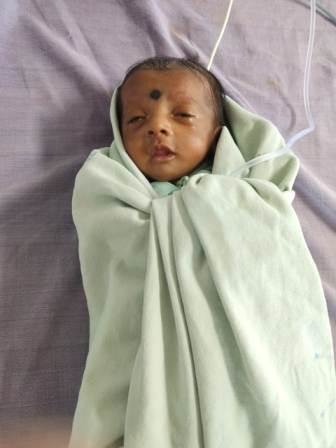
ROP may be prevented by providing health care for the infant during their stay in the Neonatal Intensive Care Unit (NICU). Oxygen-therapy may be potentially toxic to several organs and tissues, including the still immature retina. Preterm infants are more prone to the effects of oxygen toxicity, since they were used to low oxygen tensions during intrauterine life. After premature birth, there is a dramatic increase in oxygen concentration, which may lead to sustained hyperoxia that may overproduce vascular endothelial growth factor (VEGF). High levels of VEGF stimulate neovascularization of the retina, which in severe cases may result in retinal fibrosis and retinal detachment
Screening programs to detect ROP, including systematic fundus examinations at NICU in infants at risk for ROP, provide the best possibility of diagnosing the disease in order to establish an appropriate treatment prior to progression to more advanced stages and blindness.
Project reports on GlobalGiving are posted directly to globalgiving.org by Project Leaders as they are completed, generally every 3-4 months. To protect the integrity of these documents, GlobalGiving does not alter them; therefore you may find some language or formatting issues.
If you donate to this project or have donated to this project, you can receive an email when this project posts a report. You can also subscribe for reports without donating.