By Heather Heckel | Director
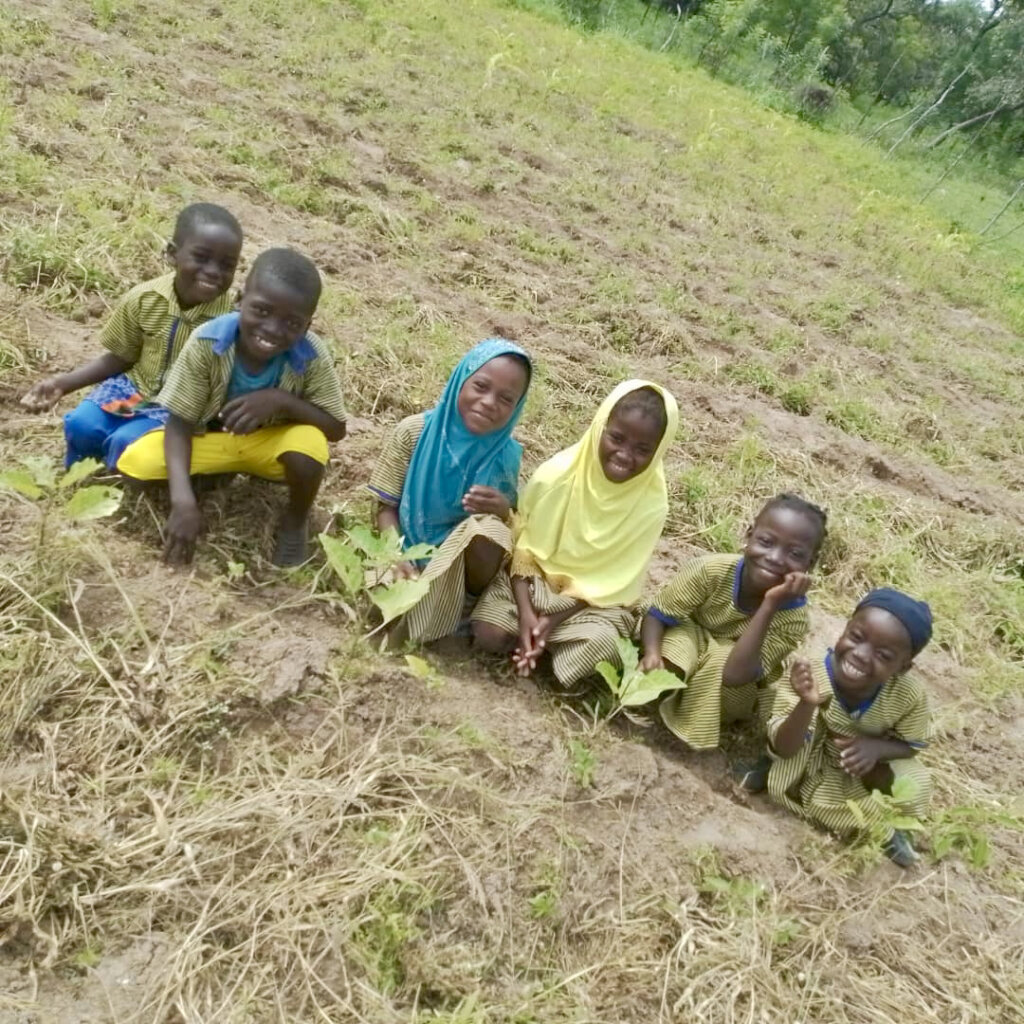
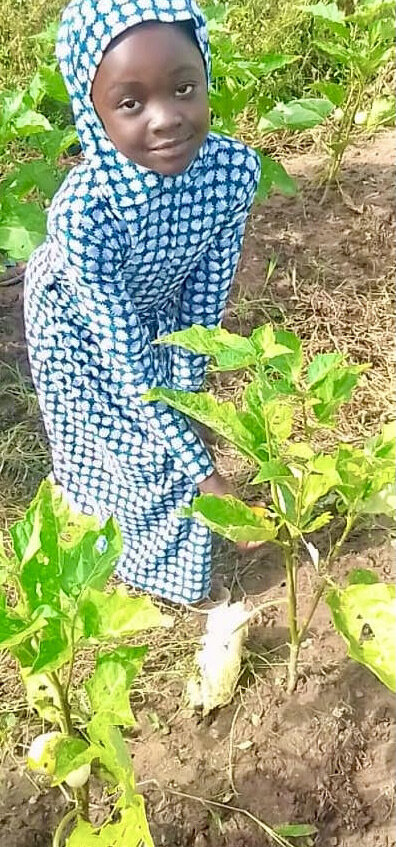
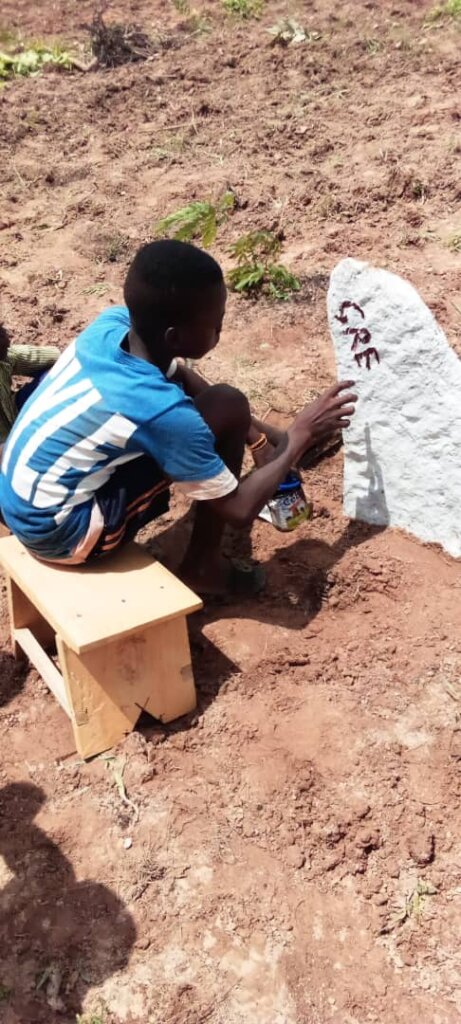
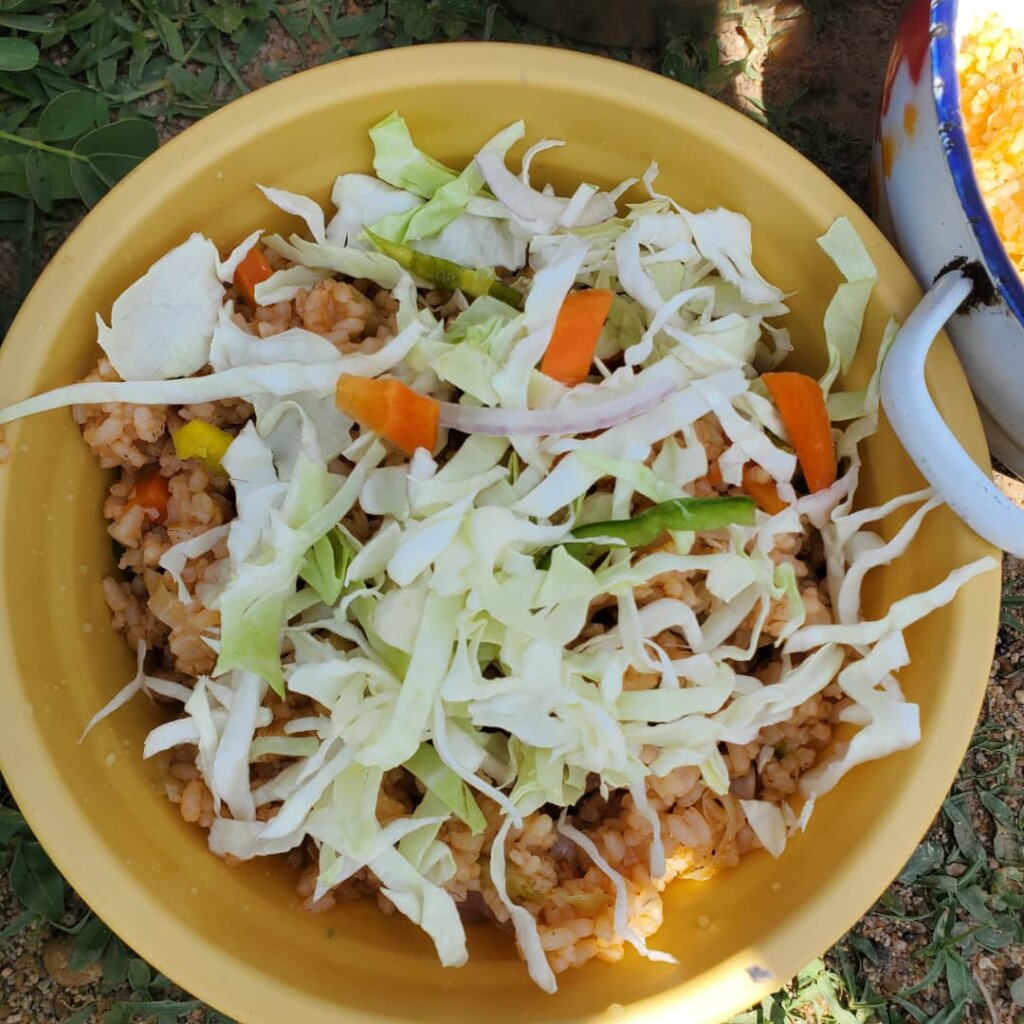
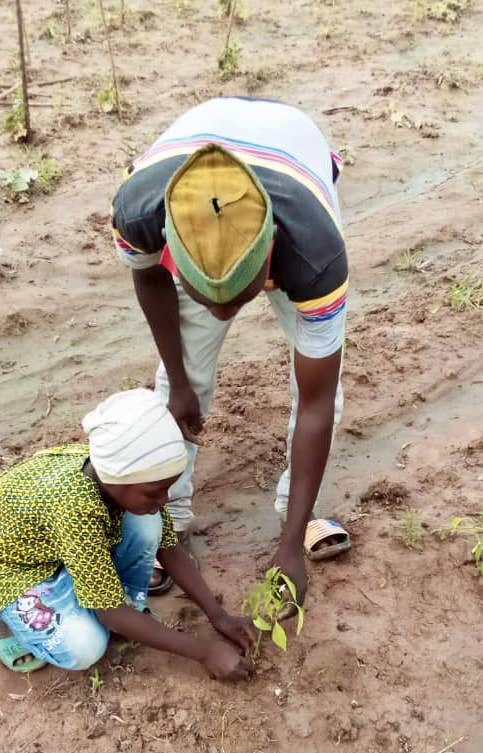
This month, we are working to plan two school gardens. These gardens are part of our food security priority, described below. We hope that the schools can harvest food - especially beans, carrots, and leafy green vegetables - to help increase child nutrition in the face of rising food shortages. Our school gardens will also be used as models for women farmers, who we are encouraging to plant small home gardens, when possible.
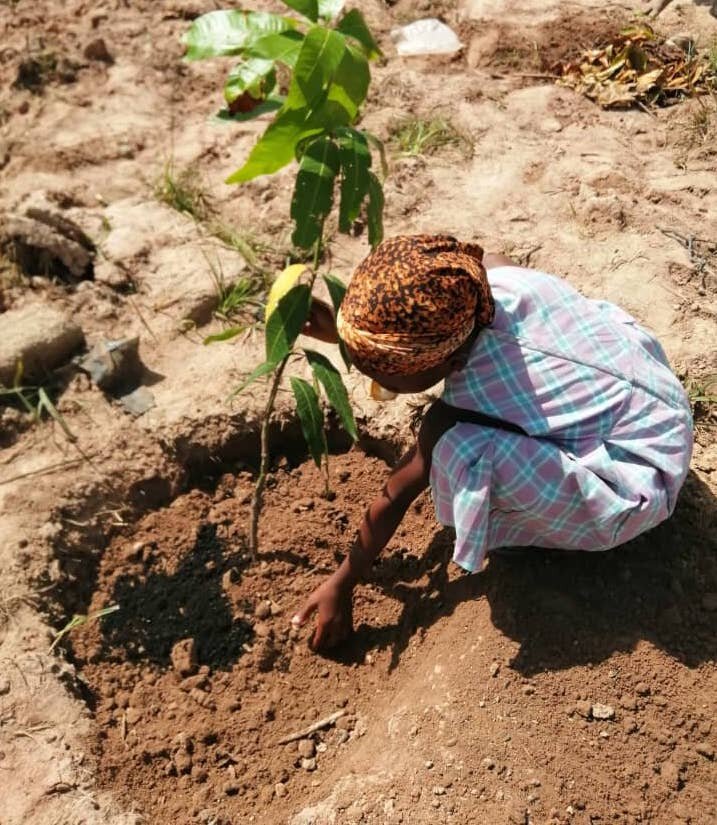
During our recent trip to Ghana we met with Ibrahim, who is coordinating the school garden effort, and discussed some new strategies for traditional irrigation. He will be experimenting with Zai pits - a method used in Southern Africa - to see if it can help more plants (and trees) survive.
Our communities in rural northern Ghana are facing rapidly increasing food insecurity.
Several global and regional factors are converging in ways that are reducing food availability now and are expected to cause severe food shortages later this year. Below, we have shared we are seeing and how we are responding.
Why we are concerned
Conflict in the Middle East is disrupting global fuel and fertilizer systems, which disproportionately impacts low-income regions and nations. At the same time, global food and health aid, which in the past might have helped in this situation, has experienced large funding cuts.
Communities, like our partners, living in extreme poverty, are among the most vulnerable. In rural villages, food security depends on both fuel to transport food from coastal regions and fertilizer to grow crops.
Food prices are already rising rapidly. And, unfortunately, there is little to no fertilizer available to purchase for the planting season which begins in May. Recent studies of small holder farms in Ghana suggest that without fertilizer farmers will lose 50% or more of their harvests.
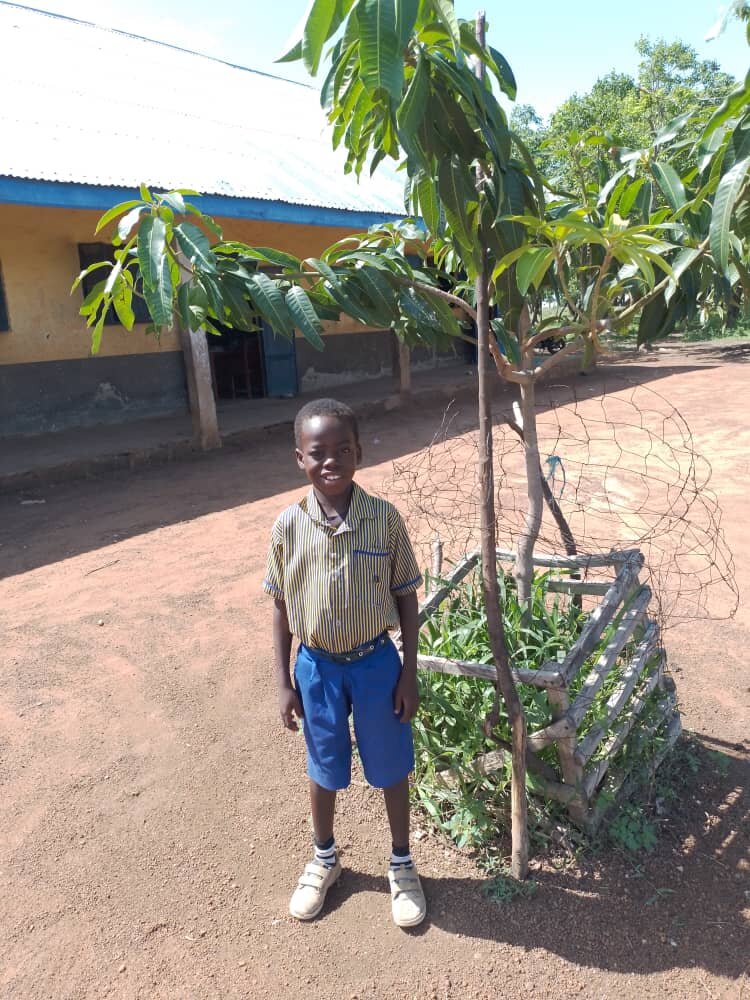
For young children, like the students in our schools, the impacts may be especially high. Even short periods of food insecurity can affect health, growth, and the ability to learn.
Engage Globally is not typically an emergency response organization. Our focus is long-term, community-led development. However, food insecurity can quickly reverse progress in education, health, and economic stability. We believe early action and strong partnerships are needed to ensure that children and families have what they need during this challenging time.
Other efforts beyond school gardens:
This is a moment where early investment can make a meaningful difference allowing us to act quickly, increase nutrition, stabilize food access, and help minimize the severity of fertilizer shortages for the upcoming farming season. We welcome the opportunity to discuss this effort. Please feel free to reach out at engage@engageglobally.org.
Links:
Project reports on GlobalGiving are posted directly to globalgiving.org by Project Leaders as they are completed, generally every 3-4 months. To protect the integrity of these documents, GlobalGiving does not alter them; therefore you may find some language or formatting issues.
If you donate to this project or have donated to this project, you can receive an email when this project posts a report. You can also subscribe for reports without donating.



Support this important cause by creating a personalized fundraising page.
Start a Fundraiser