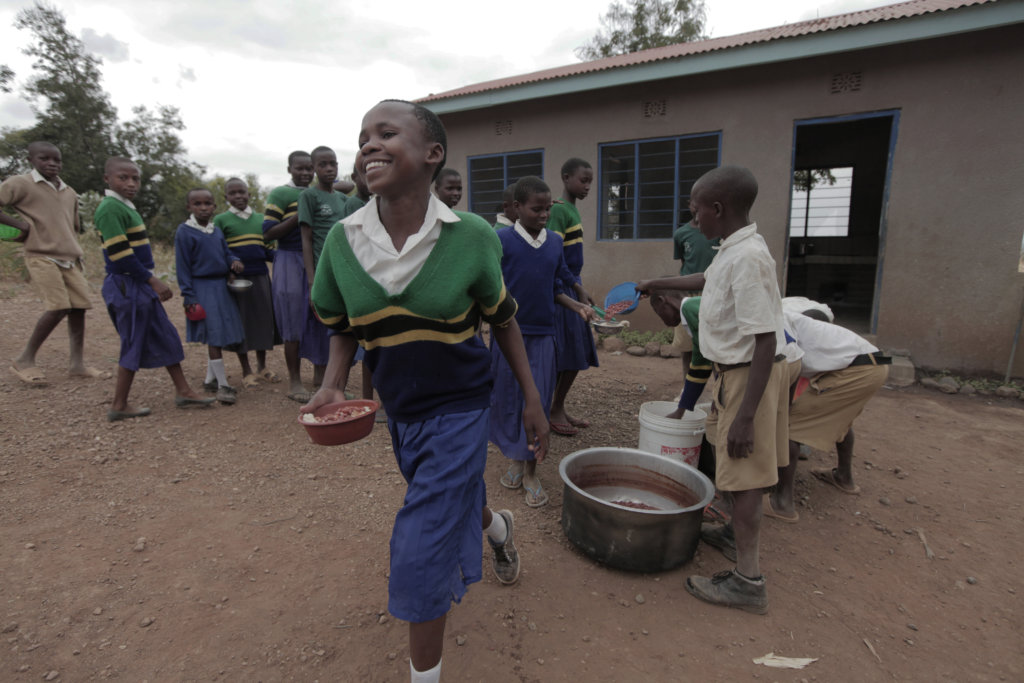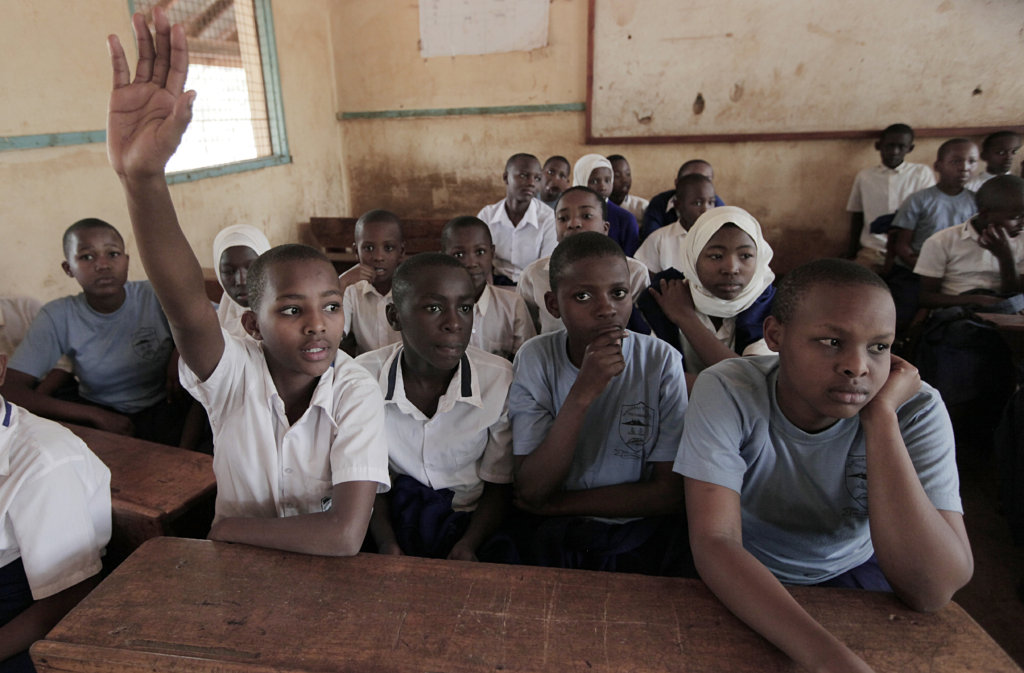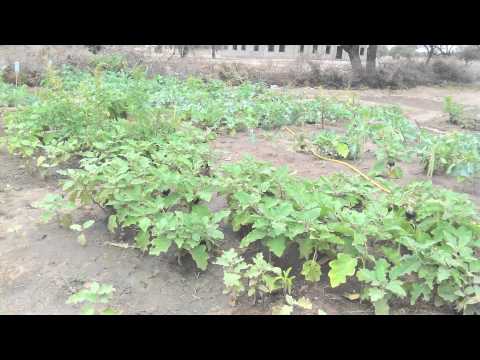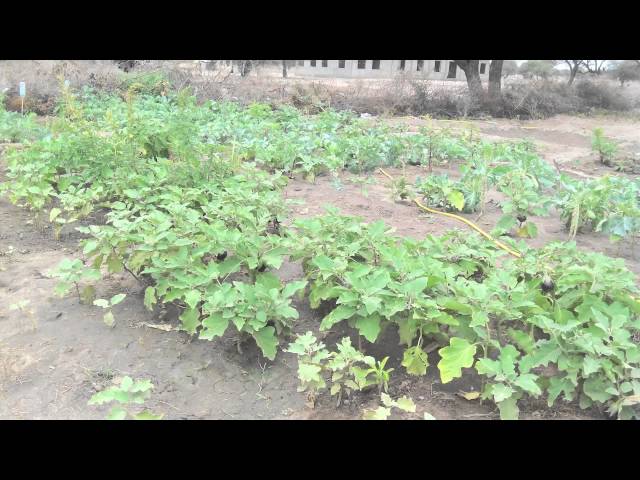
This project will reduce child hunger and increase attendance of 5,000 children at 10 schools in Kilimanjaro, Tanzania, through establishing school farms which will provide hot and nutritionally-balanced school lunches. School meal programmes have many benefits: they provide a powerful incentive to send children to school and keep them there, while ensuring students receive the nutrients they need to concentrate and learn more efficiently.
Poverty in Tanzania is widespread and acute, with 67.9% of the population living below the poverty line. Families struggle to produce enough food, and usually every family member who can, will work in order to supplement the family's income. This often results in children dropping out of school, or failing to attend altogether. Of 198 children surveyed at the 10 schools, 93.4% were found to be malnourished. Diet deficiencies were common and students' alertness during lessons was found to be low.
The promise of a nutritious meal each day is known to boost attendance and improve students' concentration, while simultaneously combatting hunger and malnutrition. In schools this project has previously worked in, attendance rates have risen to 92%, the average percentage of pupils passing their final exams has increased from 45% to 76%, and the percentage of underweight children has shown a significant decrease from 20% to 7%.
Through providing children with a nutritionally-balanced lunch, this project will combat malnutrition and improve long-term nutritional health. Additionally, by incentivising children to attend school regularly, the project will also contribute to the long-term economic development of Kilimanjaro.