By Emmanuel Ihechi Asonye | CEO/HOP Global
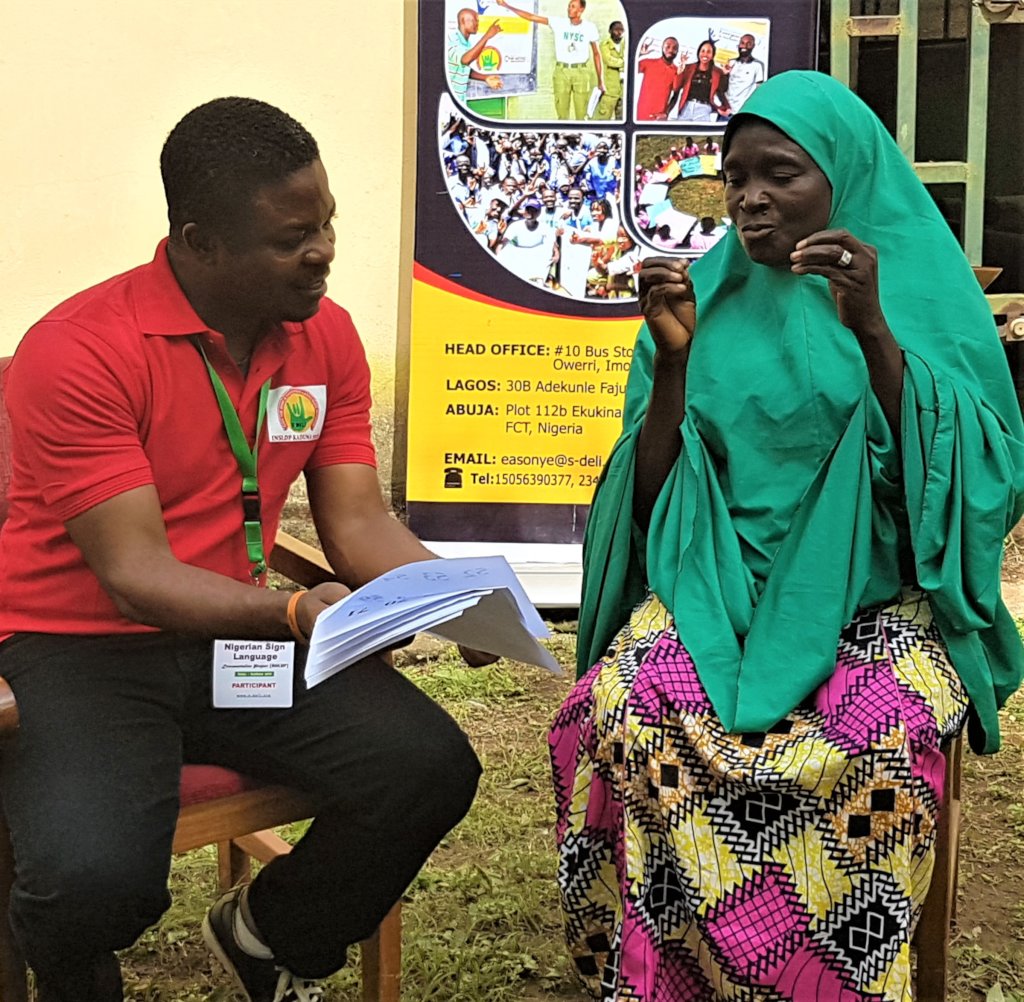
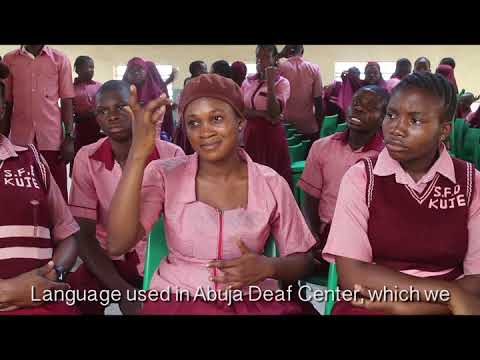
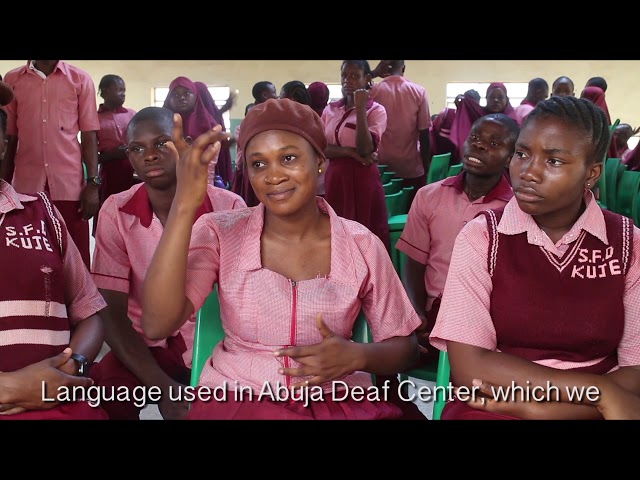
Soon after the initial documentation of indigenous Nigerian Signed language variety from Magajingari Deaf Community, Kaduna North in 2018, part of our immediate concern was how to make the general public understand the importance of our work and to prepare their minds for its acceptance and adoption. This is because, the underlying purpose for the documentation of indigenous Nigerian signed language is to create language access to over 75% of deaf children across Nigeria, most of whom are born in hearing families, who lack access to signed language in the first five years of their lives. Consequently, the documentation of indigenous Nigerian signed language and the promotion of it for Deaf education should serve to the benefit of these deaf children and their families.
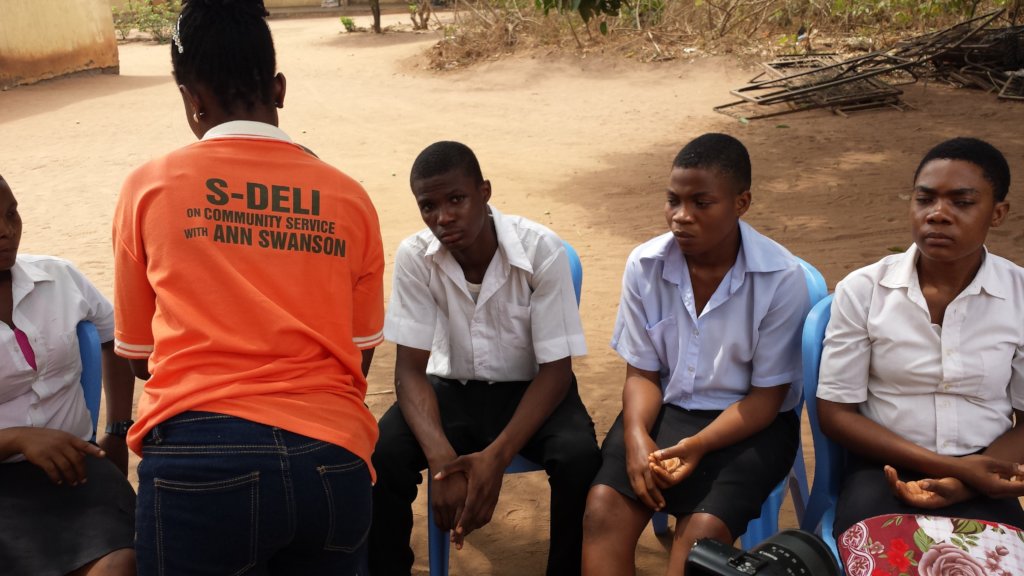
Across the world, the importance of raising children in their indigenous languages (signed or spoken) is being emphasized at all levels. In addition, various communities and countries seem to have emotional attitude toward raising their children in their indigenous language because it is their cultural identity. However, it is unfortunate that many people in Nigeria and perhaps some other countries, irrespective of their attachment to their own languages are not aware of the fact that indigenous signed language is the linguistic (and in fact, human) right of deaf children. With this in mind, it became important for us to seek to create this awareness while we continue to document and develop the indigenous signed language for Deaf literacy.
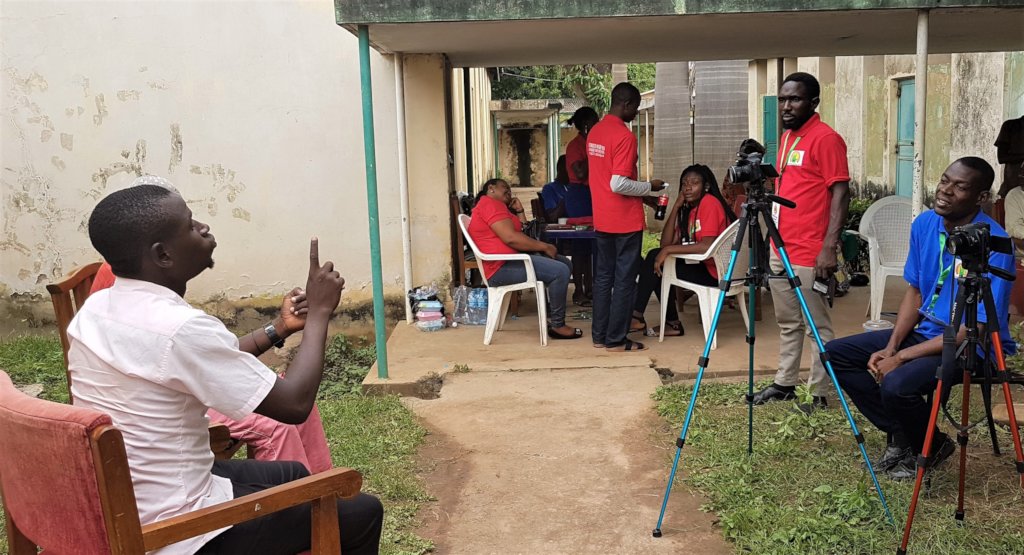
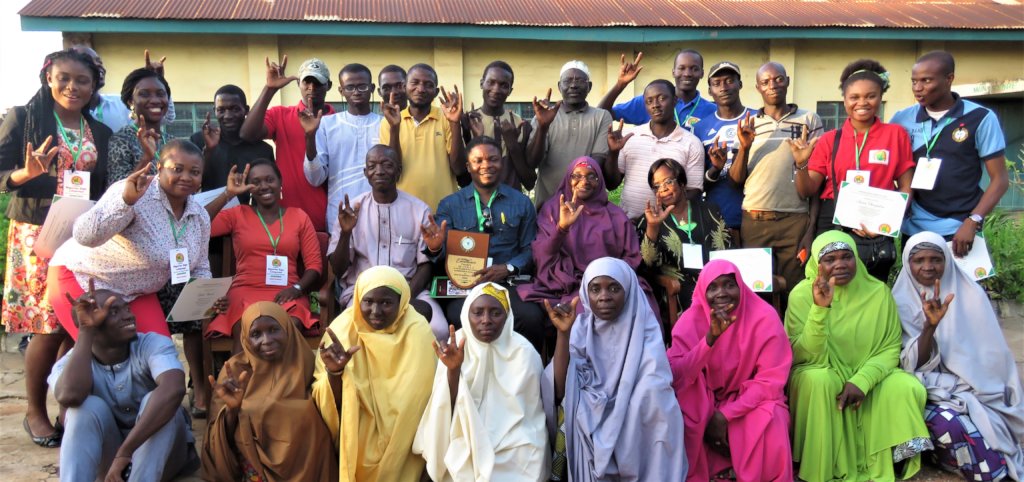
Consequently, we held a public online Summer training on African signed language linguistics in which 500 people registered and about 459 participants completed the 8weeks training. During that Summer class, a lot of examples were drawn from the documented indigenous Nigerian signed language from Magajingari Deaf Community and participants confessed to the fact that the information they received from the class about indigenous signed languages was new and an eye-opener. Furthermore, the participants in that training were in demand for more of such training and knowledge. As a result, a second online course on African signed linguistics and interpreting has been scheduled to kick off in January 2020.
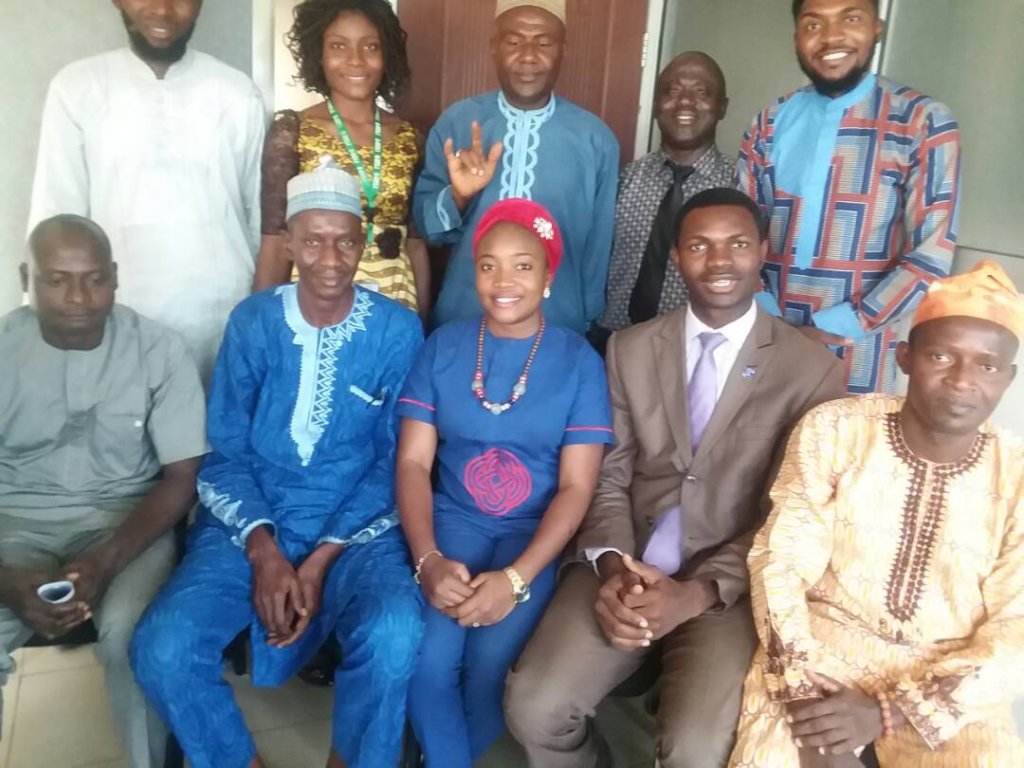
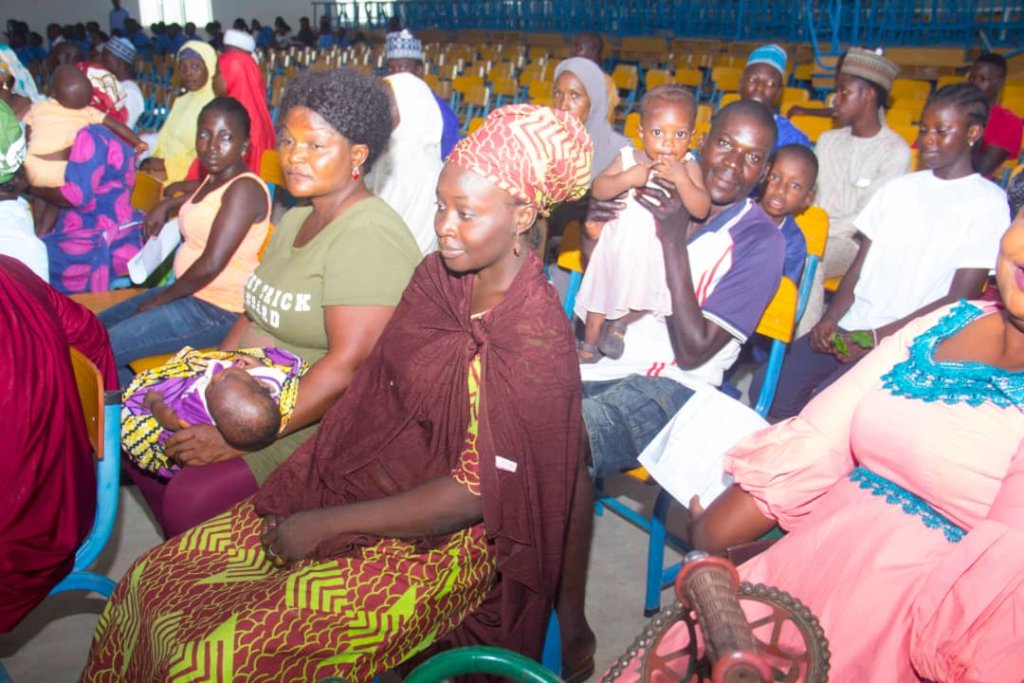
In addition, another public lecture was organized in several cities in Nigeria in commemoration of the International Day of Signed Languages (IDSL) in which over 500 people were reached. The lecture targeted members of Nigerian Universities and staff and functionaries of the government ministries. This is because, deaf children in school are under the Ministry of Education, while people with disabilities in general are under the care of the Ministry of Women Affairs and Social Development. Several individuals from the various cities signed up to volunteer with S-DELI during that lecture.
We hope to intensify advocacy and create more awareness to the public about indigenous African signed languages as we continue to document. We hope to have more public lectures in the year 2020 targeting different groups of people. We also hope to begin the process of producing pedagogical materials for deaf students from the documented language elements. All these require funding, which we continue to seek.
Project reports on GlobalGiving are posted directly to globalgiving.org by Project Leaders as they are completed, generally every 3-4 months. To protect the integrity of these documents, GlobalGiving does not alter them; therefore you may find some language or formatting issues.
If you donate to this project or have donated to this project, you can receive an email when this project posts a report. You can also subscribe for reports without donating.