By Dr. Oliver Kemp | Monitoring Volunteer
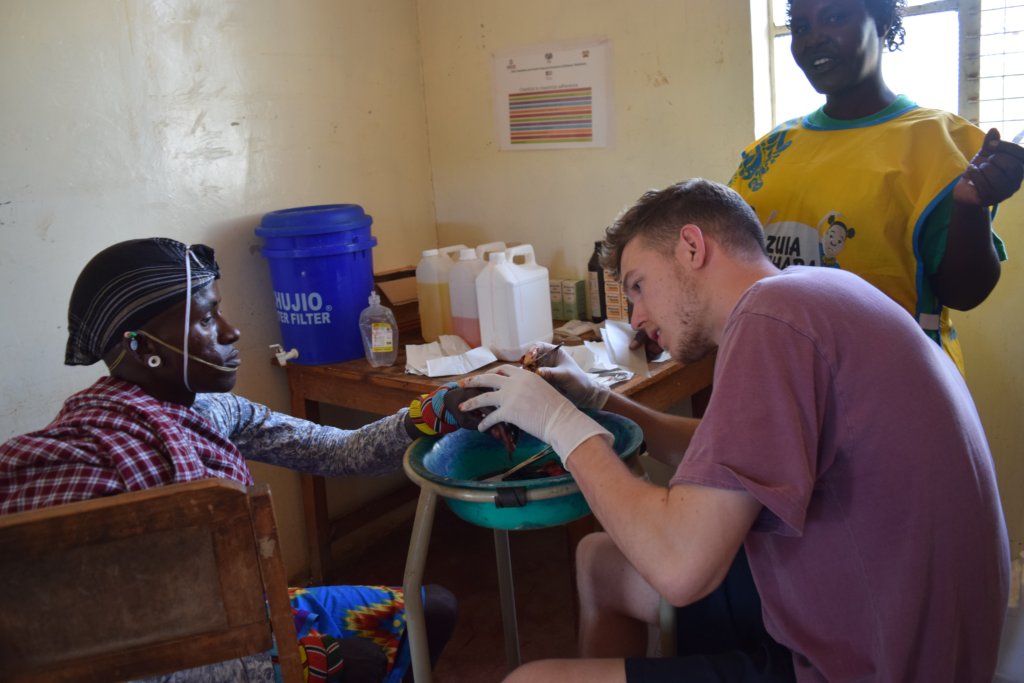
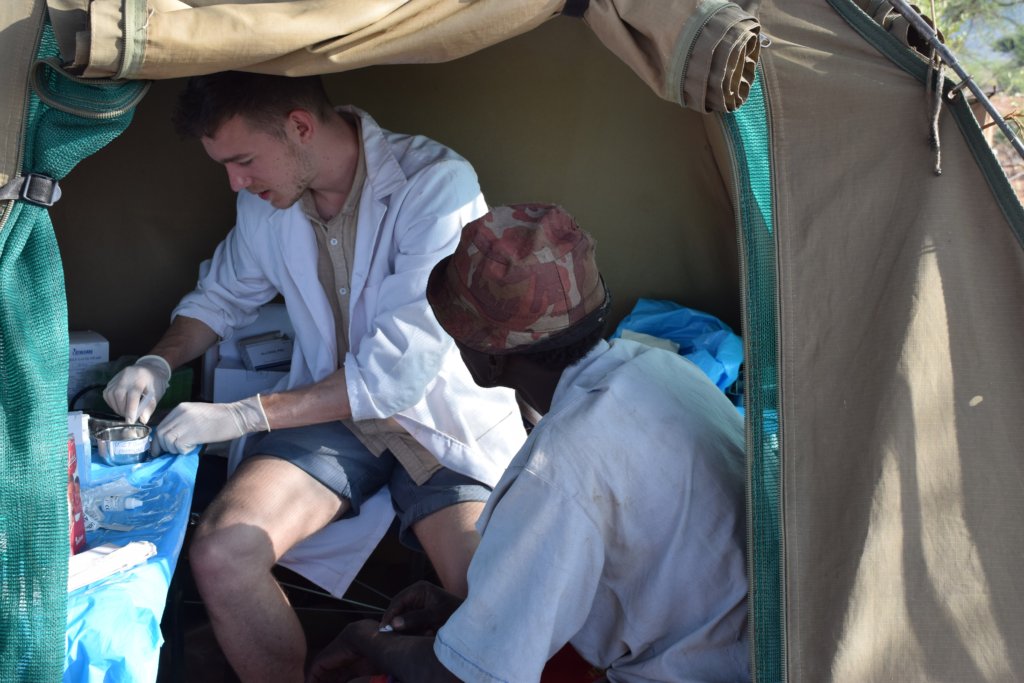
After 5 weeks I found myself sat in the beautiful surroundings of the charity’s base outside Nanyuki town, faced with the formidable challenge of compiling all my experiences and emotions into a semi-lucid dialogue. From London and having just graduated as a medical doctor I opted to volunteer with Communities Health Africa Trust (CHAT). One job was to monitor CHAT’s activities.
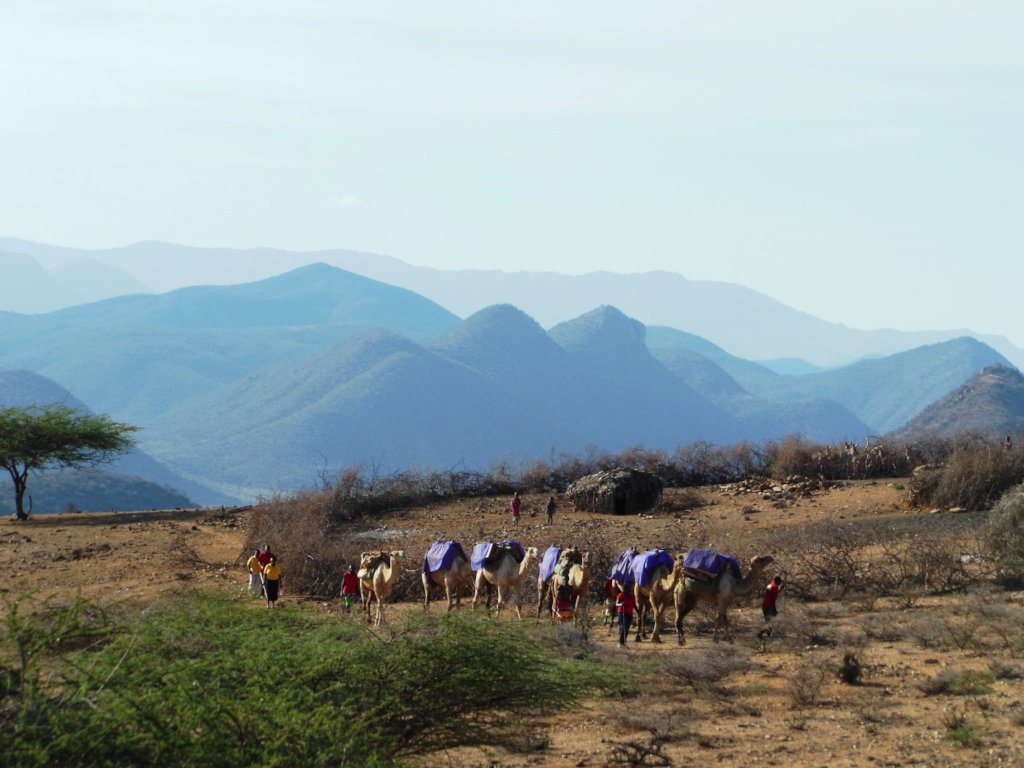
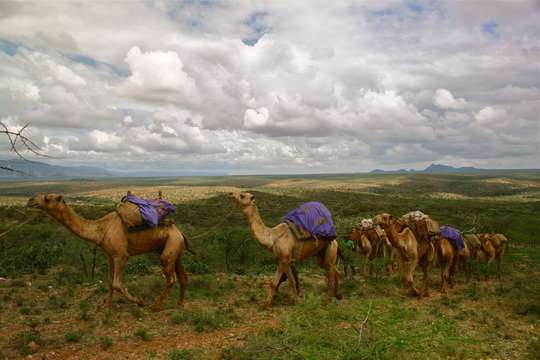
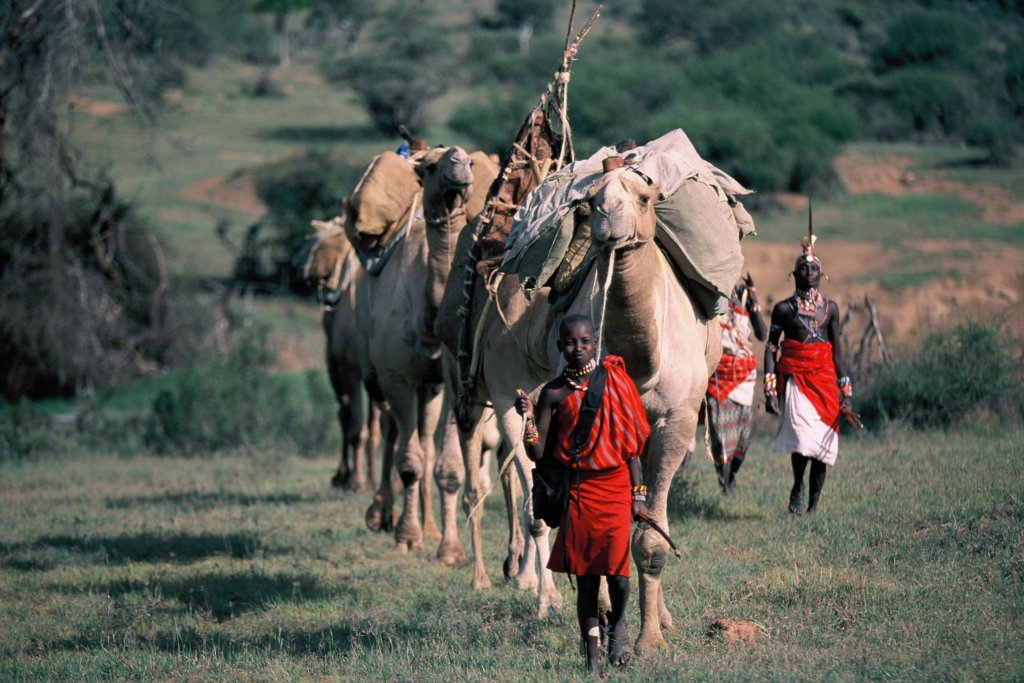
My first time to understand the extent of need in the undeserved communities that CHAT visits was in my first 14 days accompanying the motor mobile clinic team. We reached 7 communities dotted over great distances within Samburu County in northern Kenya.
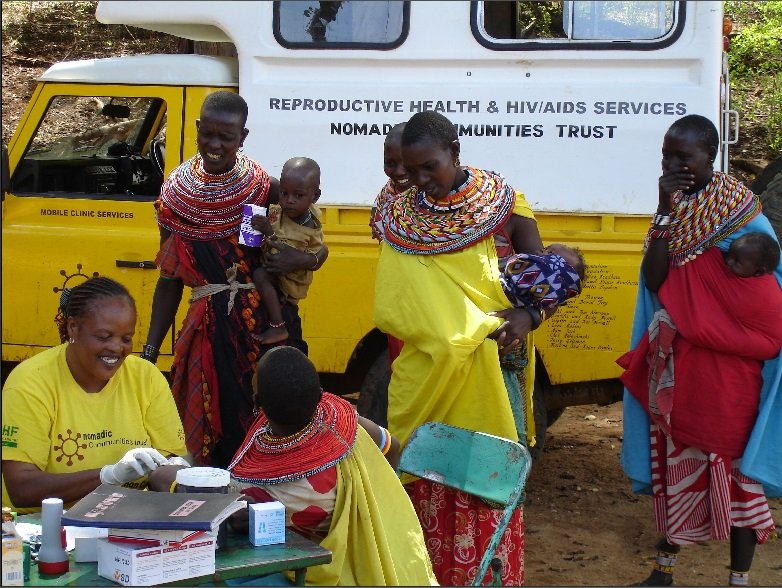
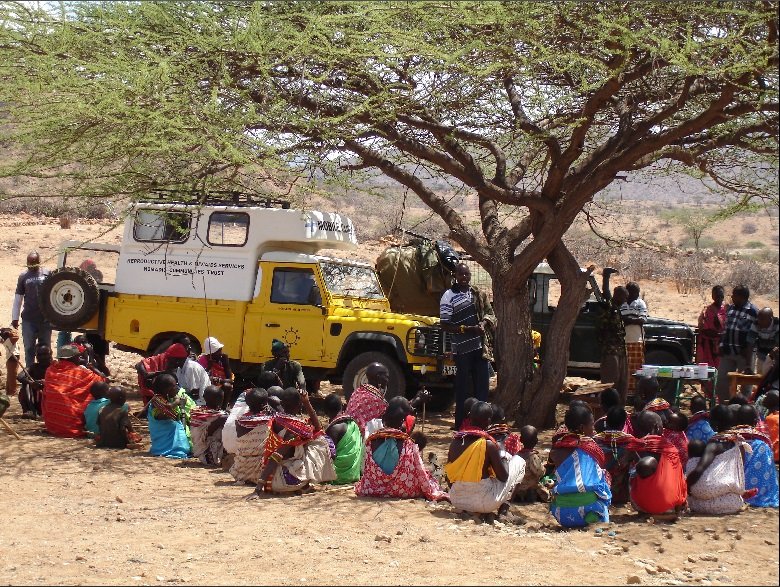
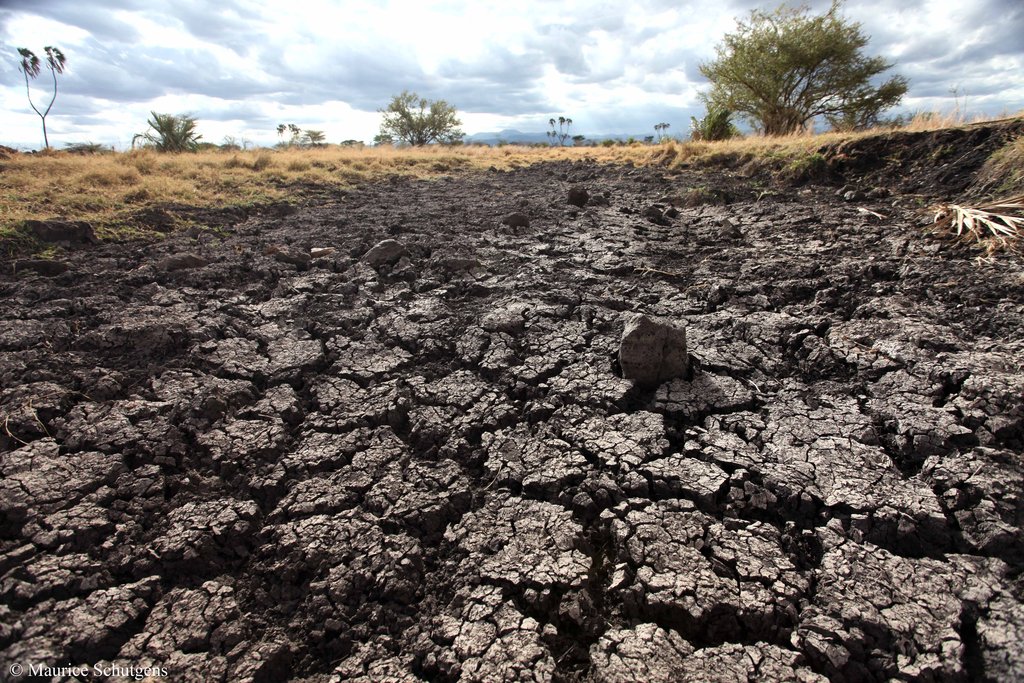
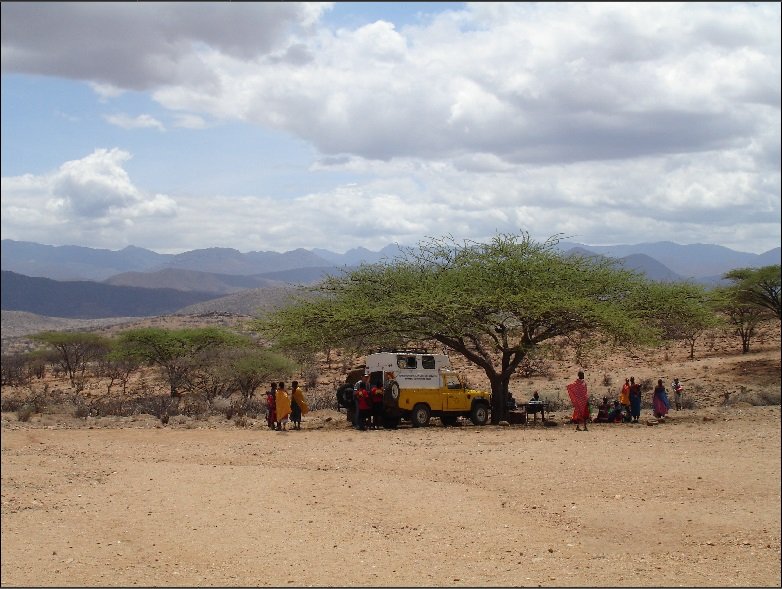
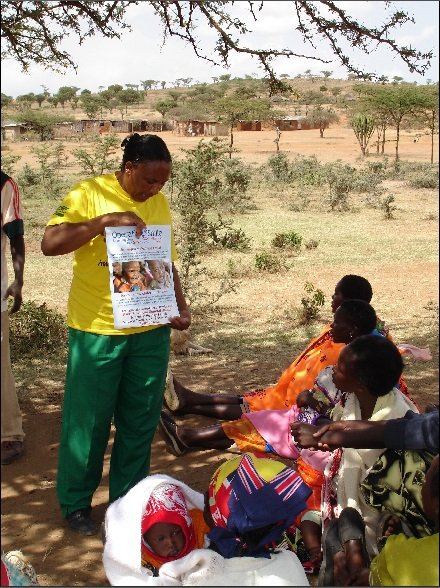
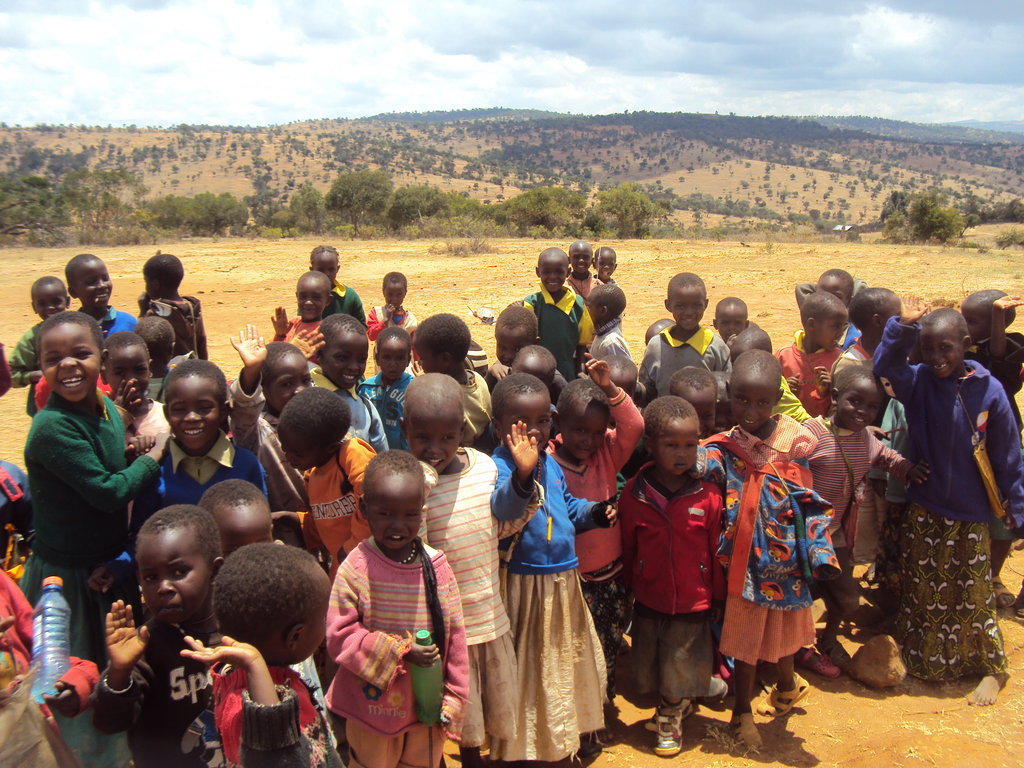
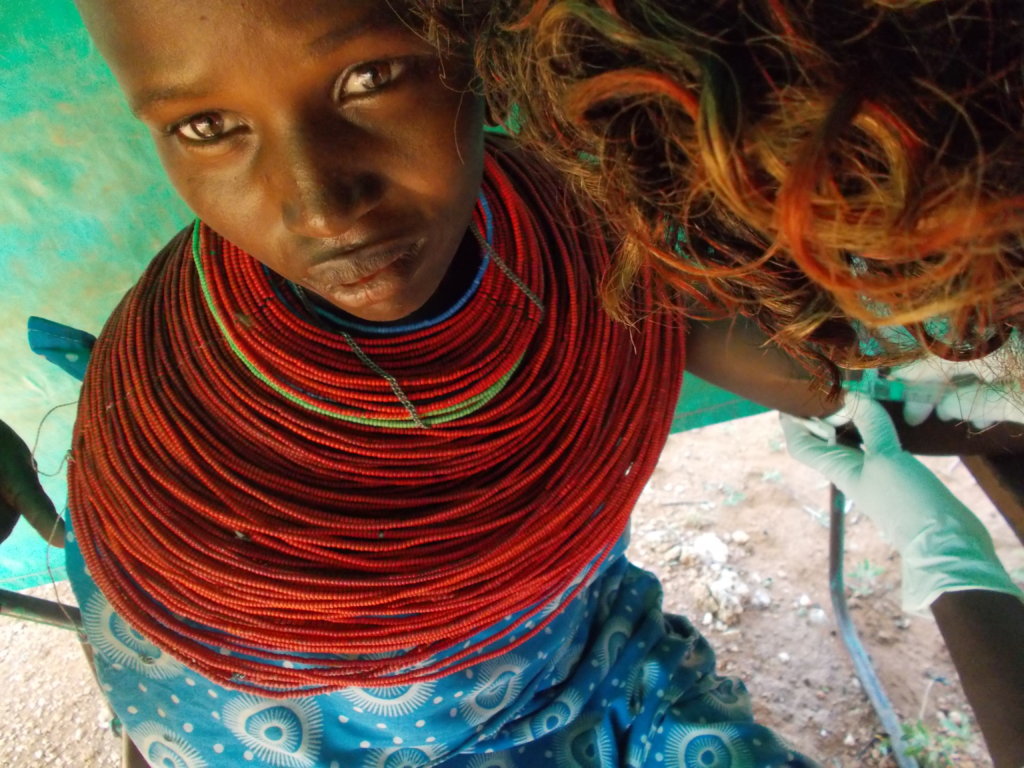
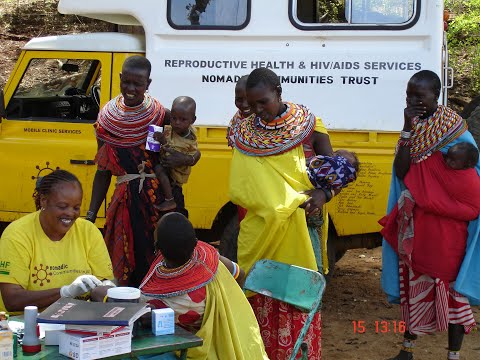
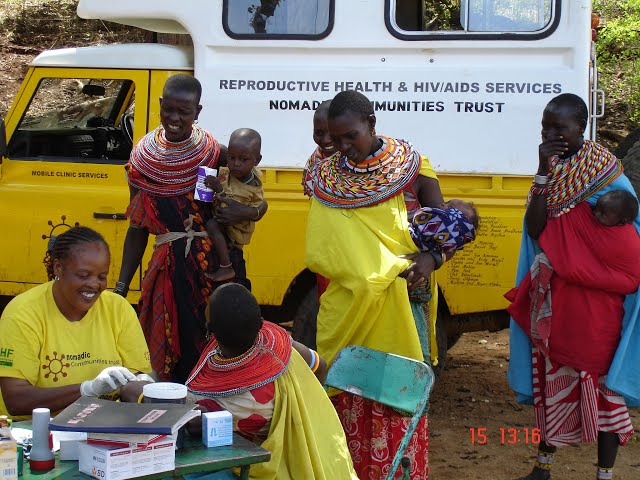
On reaching a very dry remote community “Ol Donyo Nasipa”, I felt a palpable sense of satisfaction as we started unloading medicine to begin the day's work. Even before setting the tables, clients & patients had surrounded the whole team ready to receive services, with rogue children running around aimlessly, excited by the commotion. We worked the full extent of the daylight. FPCORPs mobilizing and educating communities about integrated Family Planning (FP) with ecological awareness, the driver assisting in weighing children with a comedic scale device that wouldn't look out of place in a British fish market, the nurse immunizing children both small and large & the clinical officer providing basic treatment to patients as well as working together with the nurse in provision of FP contraception methods.
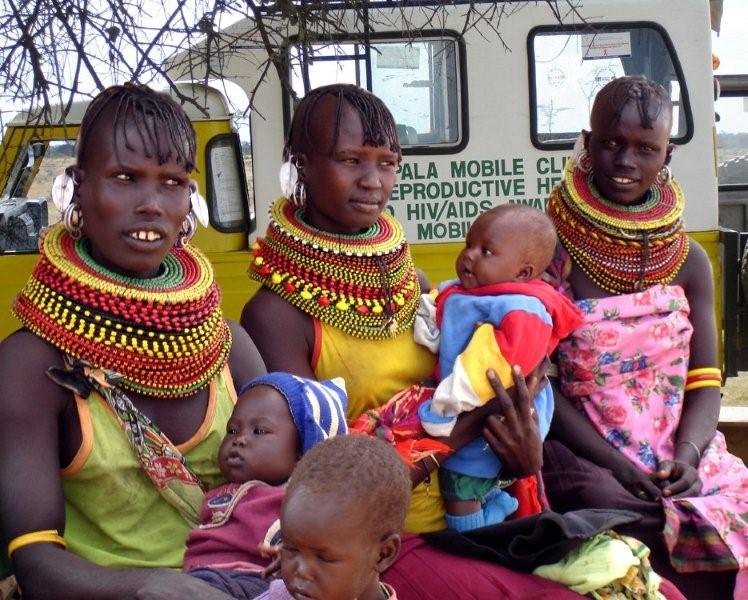
It was with this kind-hearted and truly unflappable nurse that the most obvious need for CHAT was found, as she spent the entirety of her day literally encircled by mothers who were awaiting impatiently for their child's turn; adding a soundtrack to the scene was a chorus of betrayed children screaming their disapproval at the countless needles the nurse was working her way through - surprisingly there were some as old as 4 years who had not yet received any vaccinations, a grave-risk to their young lives.
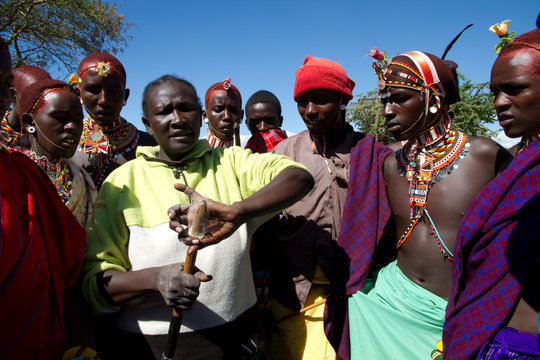
Meanwhile the FPCORPs, using Samburu’s local dialect provided information about FP contraception methods to families that had even up to 12 children. For those ready to receive free FP contraception methods of their choice were provided there and then.
For many, these services are normally 2 days walk or an unaffordable motorbike ride away, conditions I can imagine you would not welcome when sick. This of course is only the journey there, next is the question of where they can stay if not an inpatient, and how will they afford the small costs of interventions and consultation as well as who will look after any children or cattle which they care for, in their absence. Barriers such as these are toppled with the hard work of CHAT and as I sat on a bumpy ride back to our camp I felt I had a good appreciation of just how vital this charity is.
I realized that CHAT uses the Population Health & Environment (PHE) approach and since family planning is a strategy of balancing population growth with economic development for sustainable use of natural resources, the PHE approach leads to an increased FP access and reproductive health services in the underserved & remote communities, as it integrates the environment into reproductive health and FP programs -prompting not only greater participation of women and adolescent girls, but also encourage men and adolescent boys to get involved, hence leading to a more effective and sustainable solution to the population and environmental issues.
”Population growth is straining the earth’s resources to the breaking point and educating girls is the single most important factor in stabilizing that, plus helping women gain political and economic power and safeguarding their reproductive rights” Al Gore.
CHAT reached 15,938 individuals with fp/ecological awareness information, of which a total of 1,609 patients were treated for different conditions; 7,448 women chose different FP contraception methods in 10 counties where CHAT operates in the last 6 months.
CHAT is simply an amazing inspirational charity created by Kenyans for Kenyans.”
Project reports on GlobalGiving are posted directly to globalgiving.org by Project Leaders as they are completed, generally every 3-4 months. To protect the integrity of these documents, GlobalGiving does not alter them; therefore you may find some language or formatting issues.
If you donate to this project or have donated to this project, you can receive an email when this project posts a report. You can also subscribe for reports without donating.



Support this important cause by creating a personalized fundraising page.
Start a Fundraiser