By Paula Murira | CORPs Supervisor
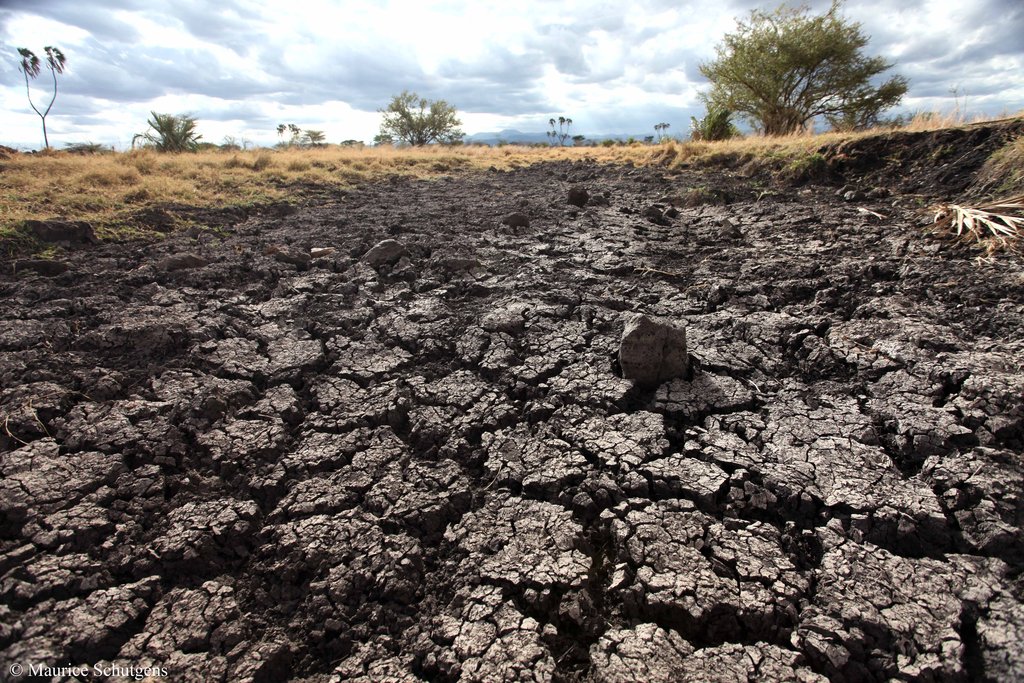
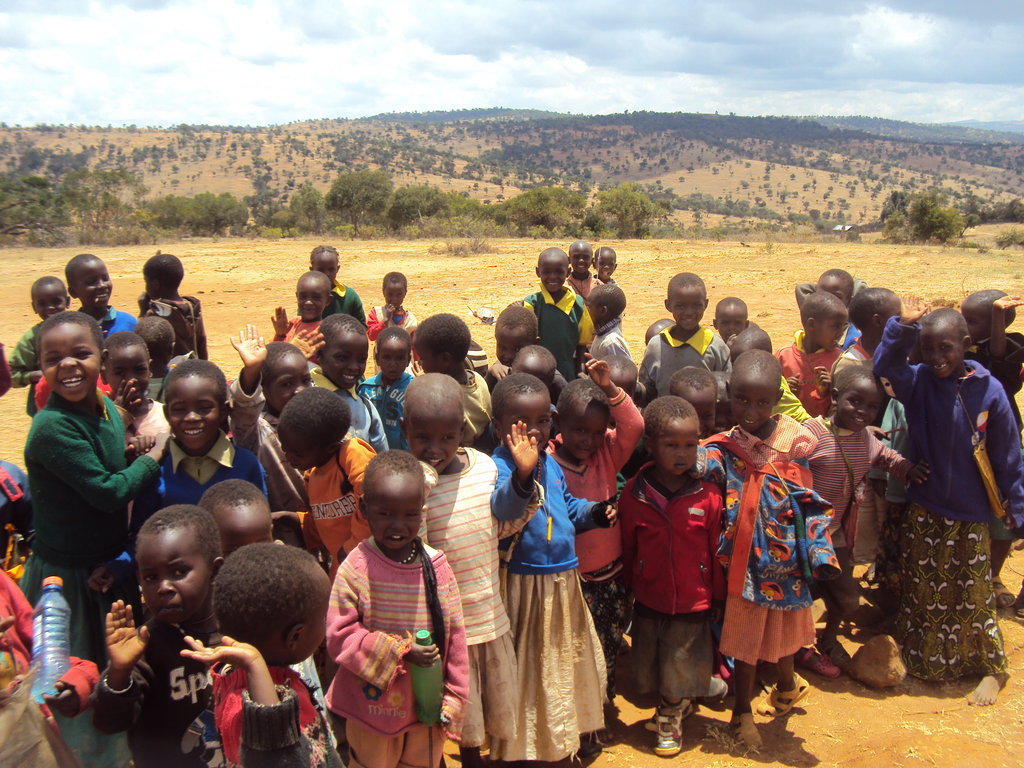
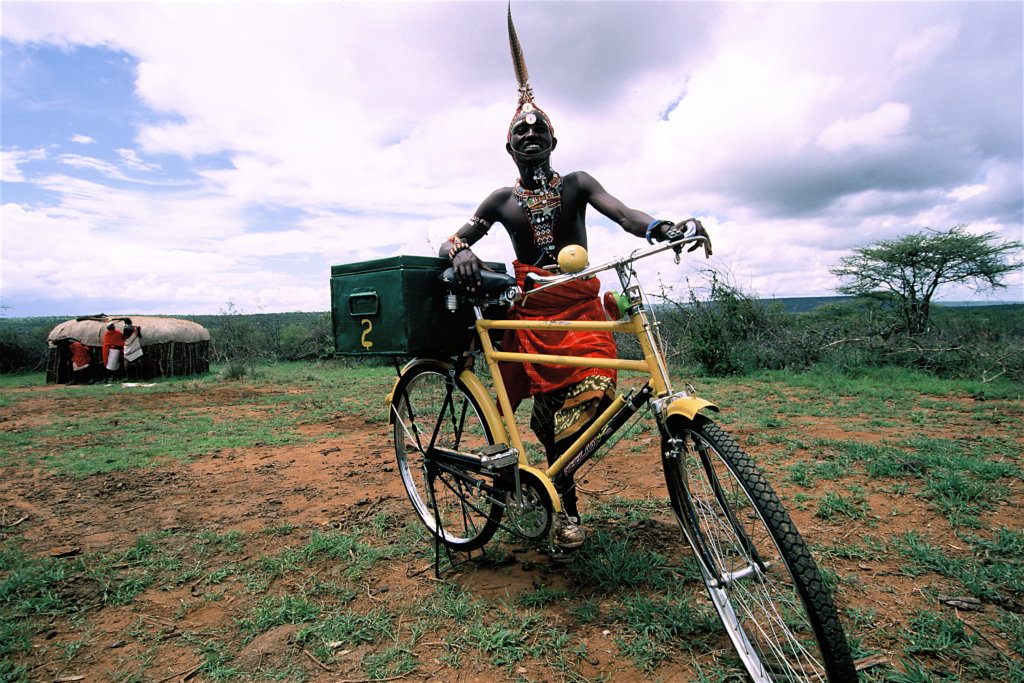
About 73% of Kenya’s population lives in rural areas and mainly depend on natural resources for their health and livelihoods. The rapidly increasing population is putting more pressure on natural resources and leading to environmental degradation, increased conflict, and amplified community-wildlife conflicts. Some of the key environmental issues affecting Kenya’s rural communities and ecosystems include deforestation, overgrazing, and land degradation. Population increase and depleting resources can lead to poverty cycles for many communities, creating significant barriers for individuals to exit poverty on their own.
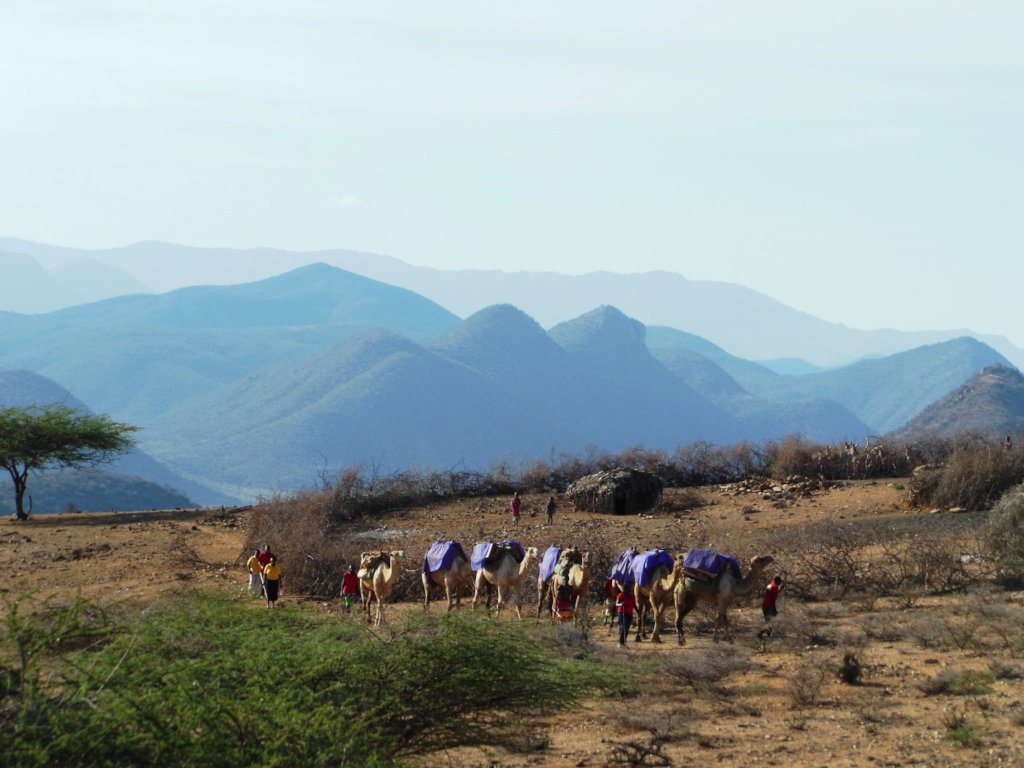
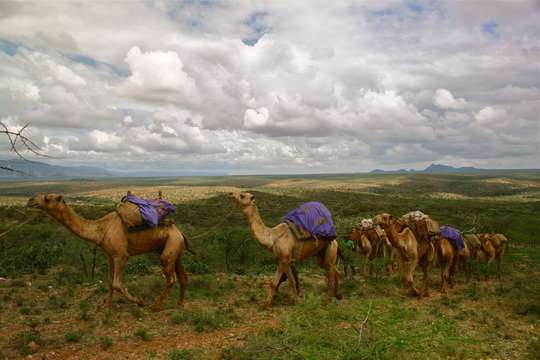
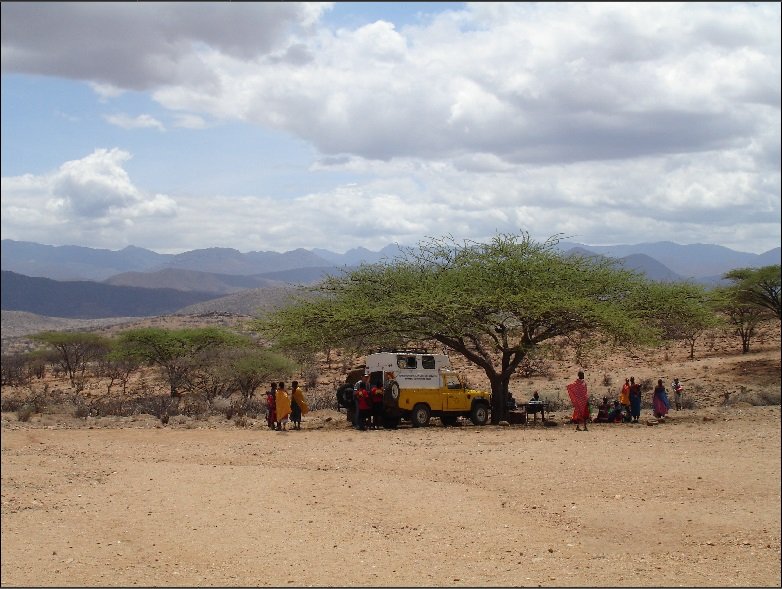
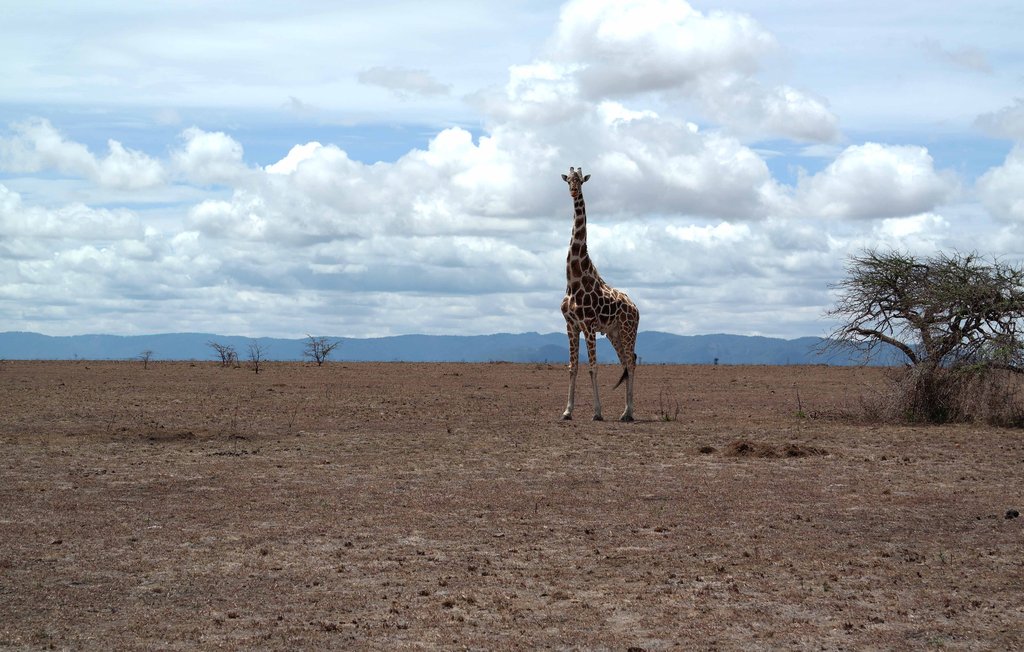
CHAT focuses their work where people and nature co-exist within fragile ecosystems. These areas include a variety of ecosystems from mountains to acacia woodlands to dryland savannah to riverine areas, and include regions bordering conserved areas, or within community conservancies. Within these ecosystems, population growth and density are unsustainable for the health of communities and the environment. As the natural resources people rely on for their livelihoods, these become degraded. Communities experience a deepening cycle of poverty and suffering.
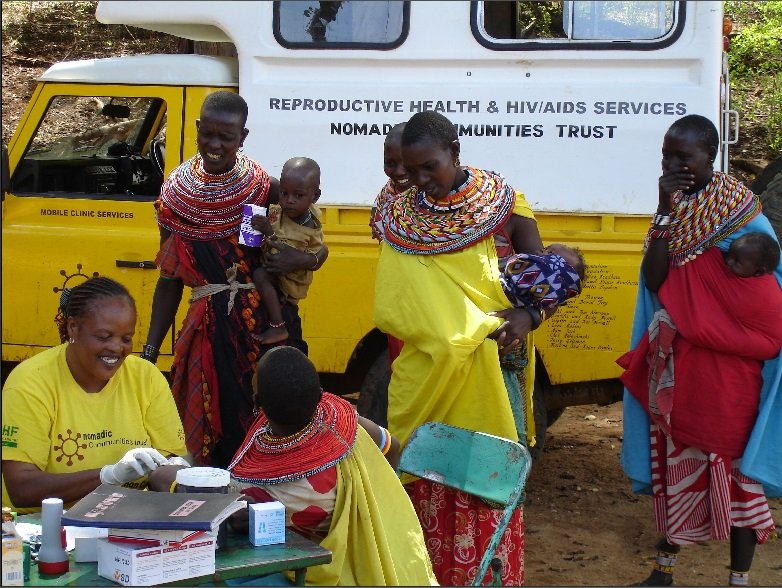
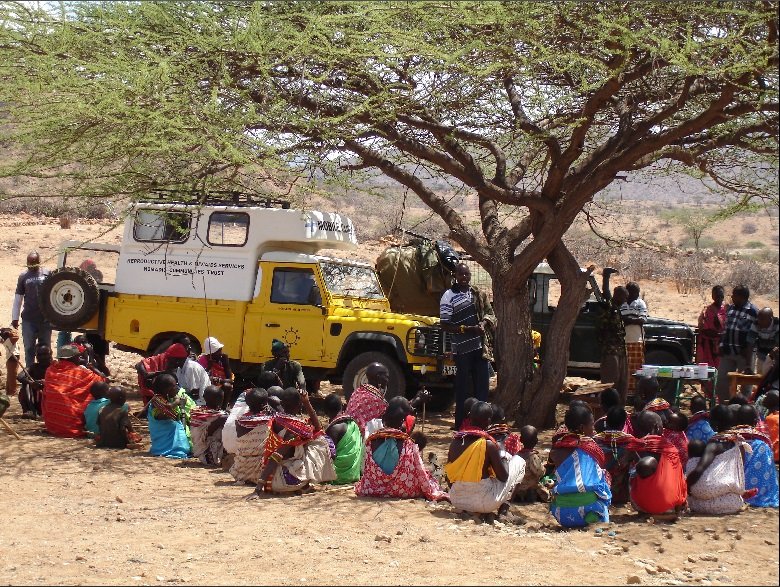
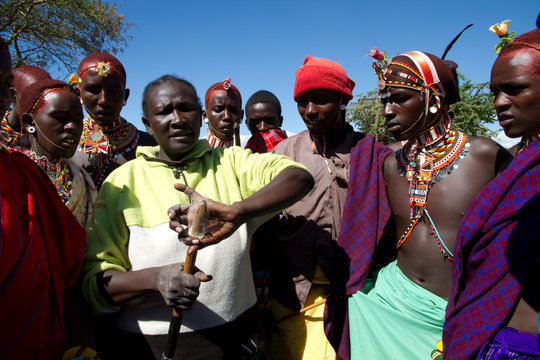
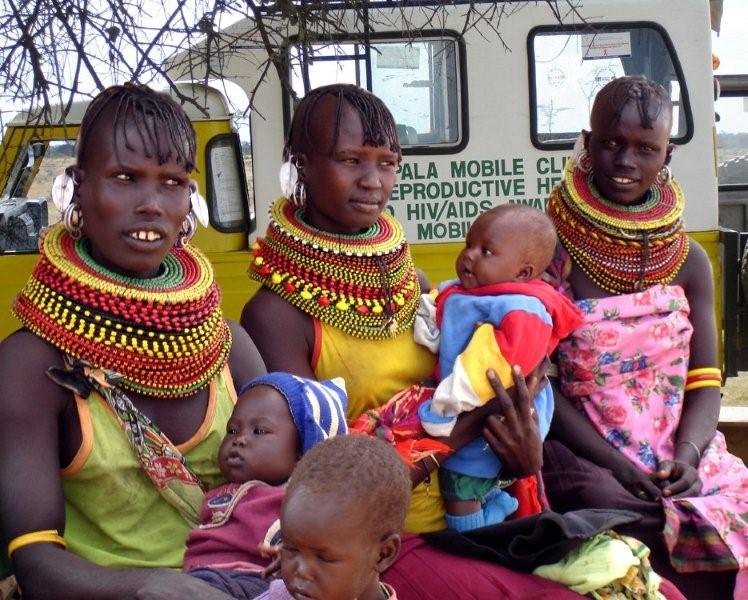
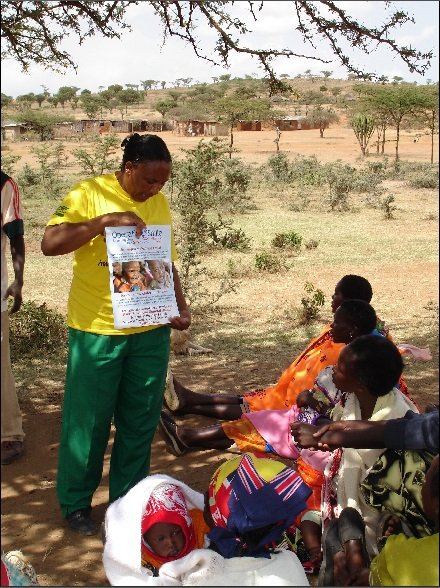
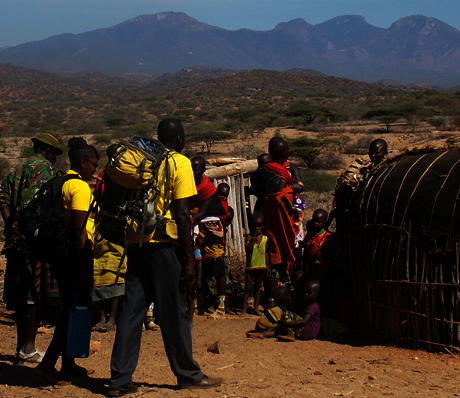
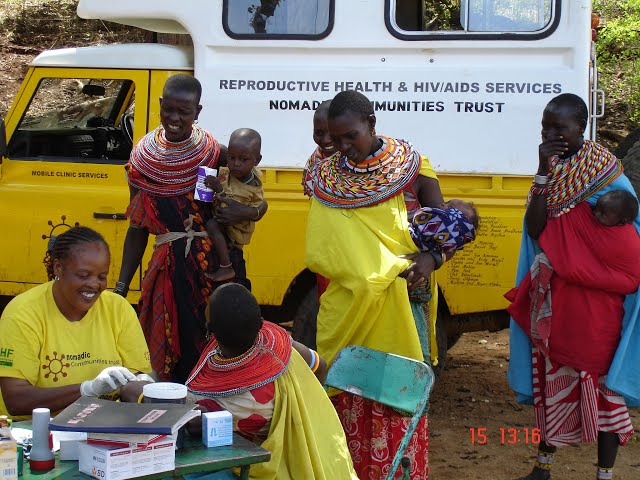
CHAT believes that empowering individuals to have control over their health and family size is key to the sustainable management of natural resources which is essential for rural development and poverty reduction and in this way, their work is guided by the PHE approach. A PHE approach recognizes the complex interconnection between people, their health, and the natural resources on which they depend. It provides a framework for understanding and addressing these issues holistically, on the assumption that the outcomes for both human welfare and the environment will be greater than if these issues are addressed separately. CHAT’s PHE approach uses a behavior change sensitization via a door to door strategy, with information giving and building the capacity of grassroot advocacy.
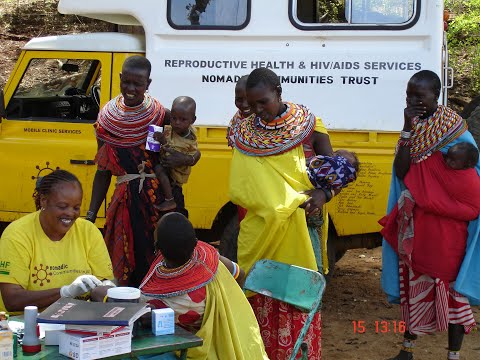
In the past three months, our donors have made it possible to reach 35,085 individuals with behavior change information about Family planning using CHAT’s PHE approach and 7,850 chose & took different methods of contraception.
Project reports on GlobalGiving are posted directly to globalgiving.org by Project Leaders as they are completed, generally every 3-4 months. To protect the integrity of these documents, GlobalGiving does not alter them; therefore you may find some language or formatting issues.
If you donate to this project or have donated to this project, you can receive an email when this project posts a report. You can also subscribe for reports without donating.



Support this important cause by creating a personalized fundraising page.
Start a Fundraiser