By Paula Murira | CORPs Supervisor
* Not real names
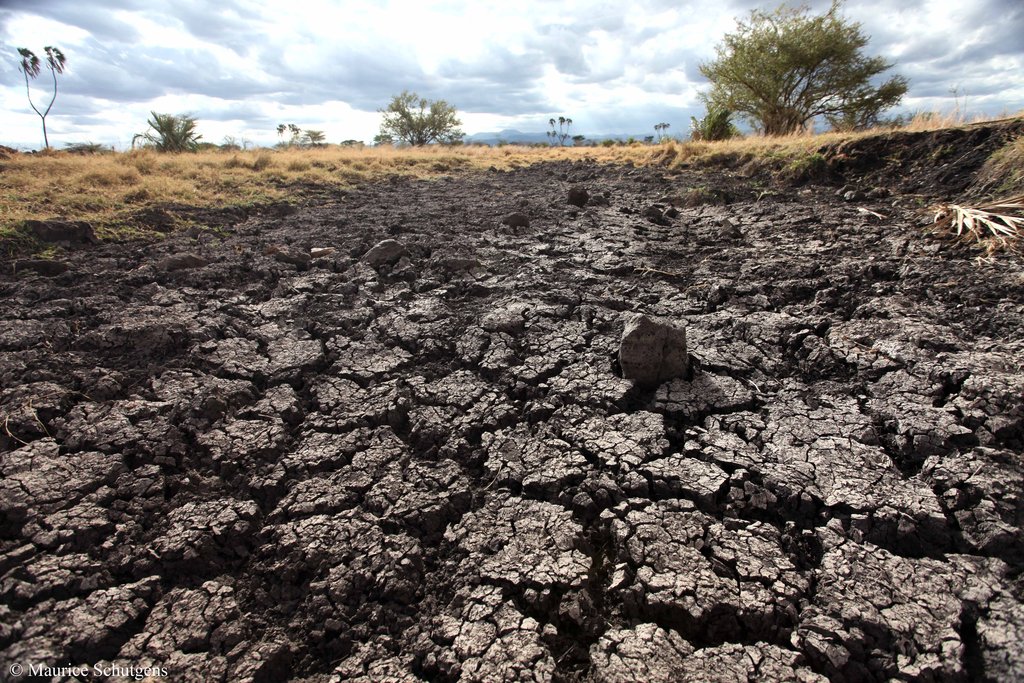
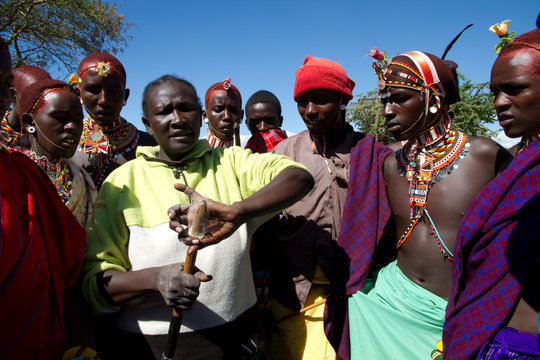
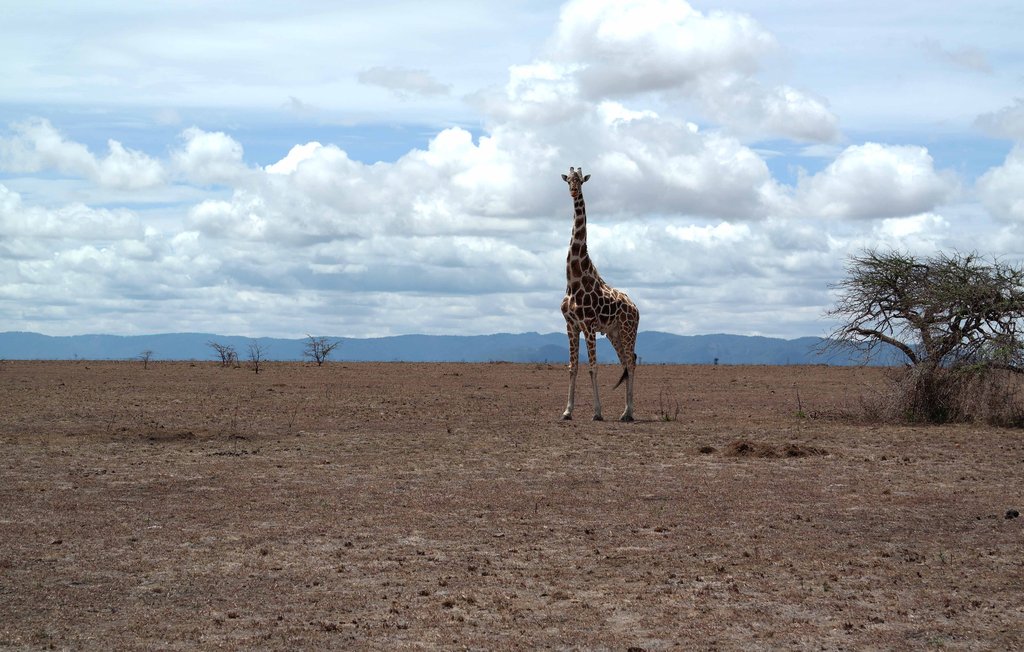
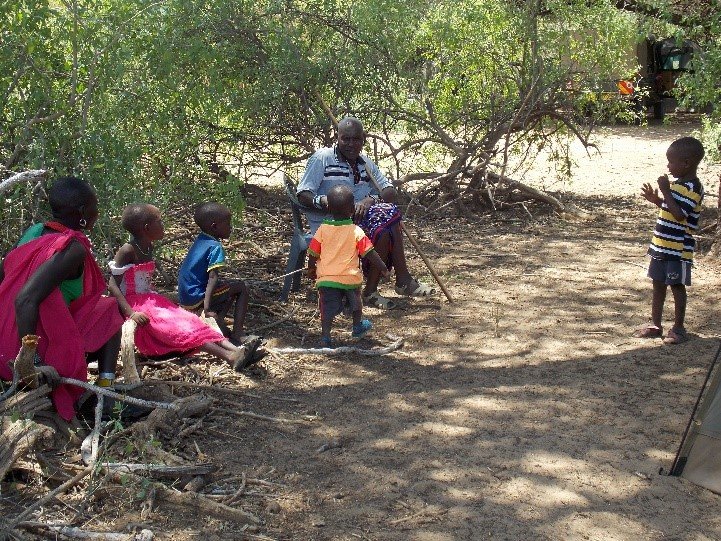
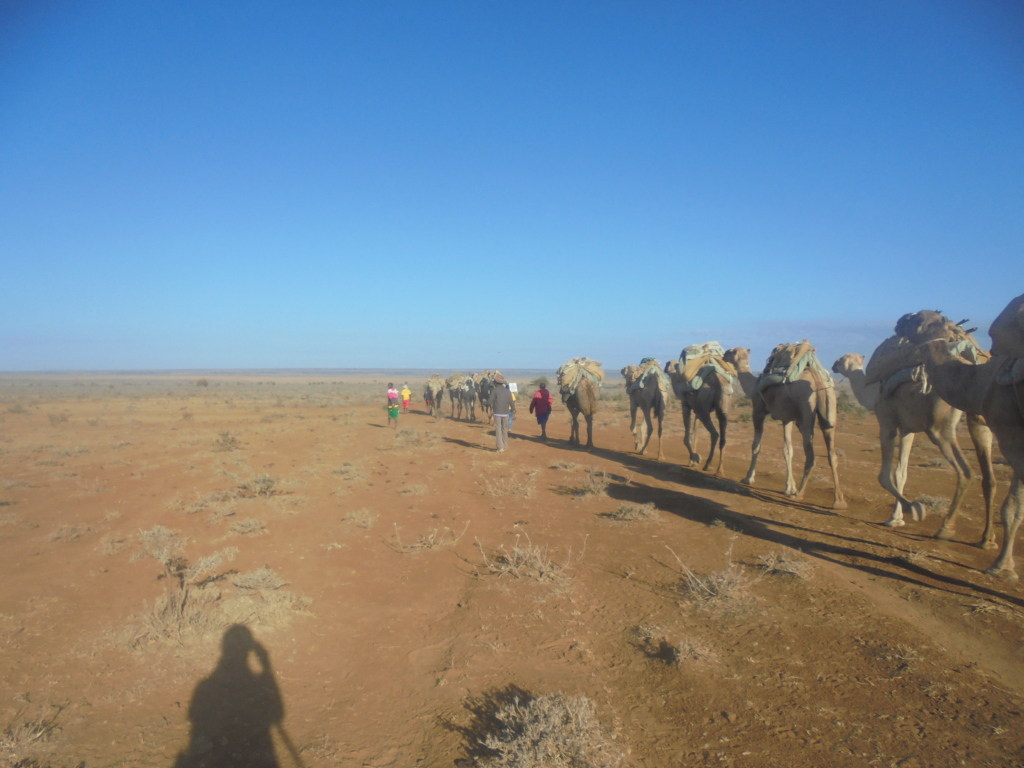
“It has been a tough year. More than half my livestock has died and with how its looking like now, by the end of this drought I might have nothing left” Bwana *Mongoi from Lpus Natodo started. “See, last year it rained a lot we had enough pasture and water for our animals. All seemed well. We did not think to prepare ourselves for the drought. We did not save grass nor did we get any water storage. Its not only the animals, also in our houses. We do not have much food. And the little that we buy from the market is so expensive we cannot afford to buy a lot of it. We go for long without water to drink let alone for basic hygiene around the house. The water that we get is not that clean so you can only imagine how many trips we have been making to the hospital for stomach aches. Sometimes I really do not want to come home since I wonder what will happen to my family. I have six boys and five girls. Two wives and my mother living with us. 13 mouths to feed is not an easy task. I wish it was a smaller number, then maybe we would be better off.” *Mongoi lamented.
“If only I had accepted what Julius - CHAT’s partner in family planning (FP) mobilization and sensitization and a Community Own Resource Person (CORP)– was telling me some time back, maybe I would be less stressed. He told me of how I could have less livestock and to manage my family size to a number that I would be able to rake care of. I thought he did not want me to be wealthy and maintain a respectable position in the community but now I regret. I really want to improve the situation my family are in, so at least I can plan better for the future.” He went on. “I want all my children to go to school so that they may one day take care of me in my old age. I want them to be educated like the children of my peers. That is why I have made the decision to ensure my wives have accessed FP services. Also, I want us to start a small garden for our food once the rains start. This will alleviate at least a little of our hunger. As for water, we have started discussing on how we could save some water for ourselves once the rains start since that is our biggest source of water. We do not have a river here so harvesting water is our only option.”
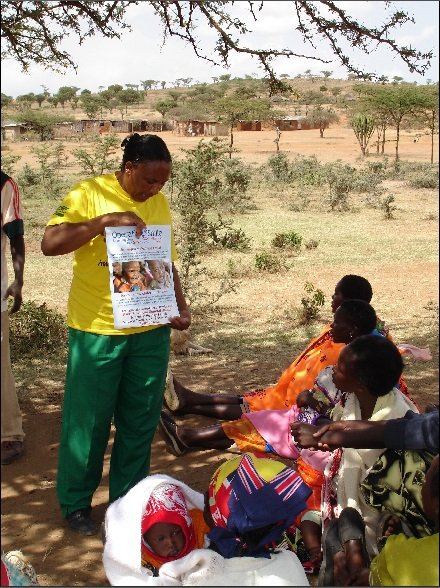
“I hope our people get to learn of the importance of managing a small population for both the animals and the family. That is the only way we will not feel the weight of such hard times.” Julius (CHAT’s CORP partner) commented.
“It's long been accepted as fact that the availability of family planning services saves lives. Where women have access to these services, children and families are healthier, and society at large benefits.” Martha Plimpton
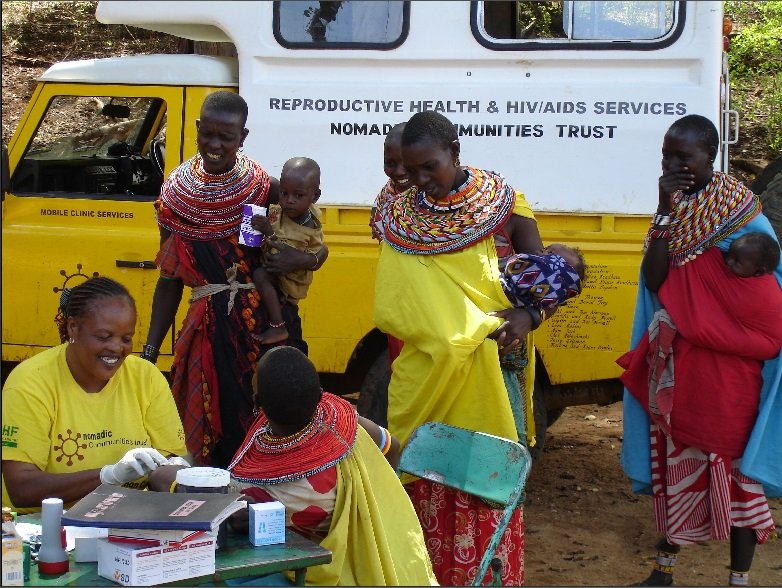
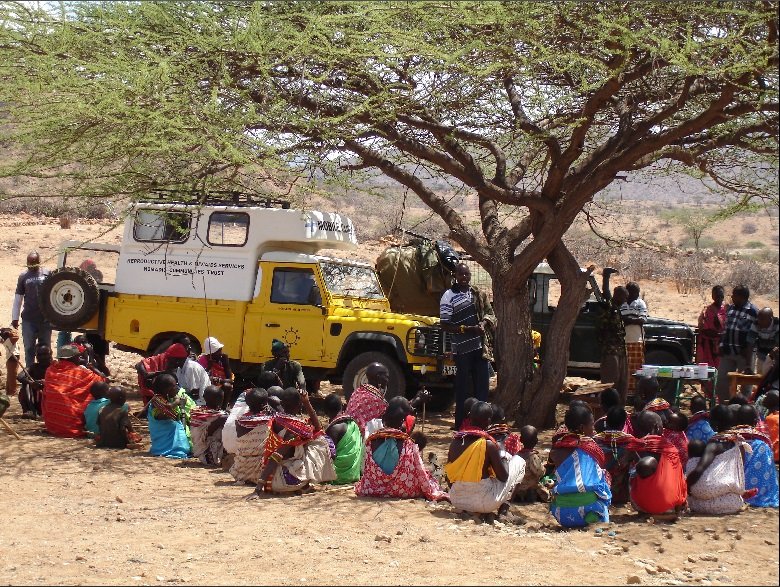
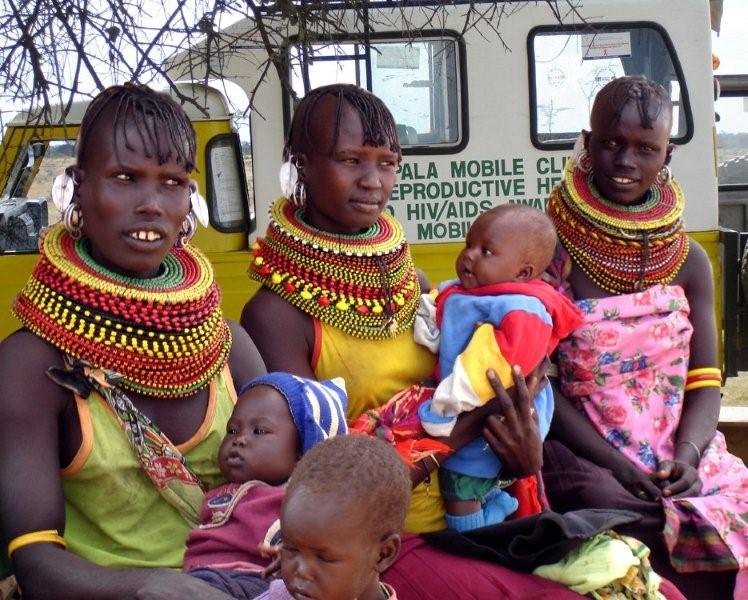
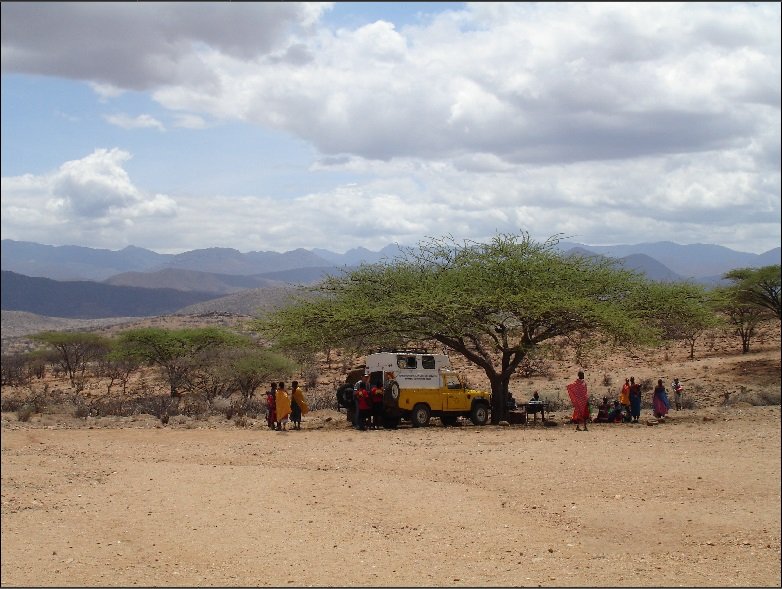
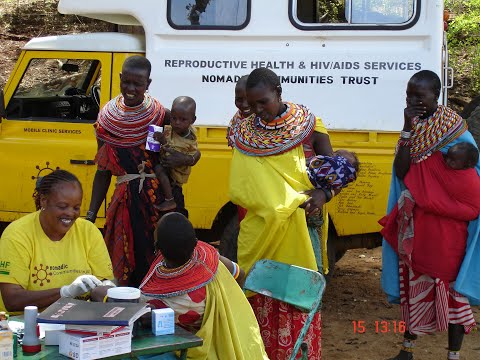
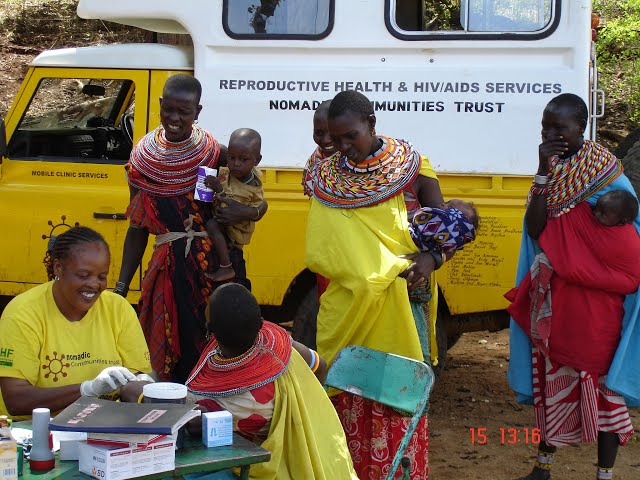
In the past three months, CHAT was able to reach a total of 2,671 individuals with BCC information with 1,007 women receiving different FP methods.
Project reports on GlobalGiving are posted directly to globalgiving.org by Project Leaders as they are completed, generally every 3-4 months. To protect the integrity of these documents, GlobalGiving does not alter them; therefore you may find some language or formatting issues.
If you donate to this project or have donated to this project, you can receive an email when this project posts a report. You can also subscribe for reports without donating.



Support this important cause by creating a personalized fundraising page.
Start a Fundraiser