By Violet A. Otieno | Asst. Projects & M & E Officer
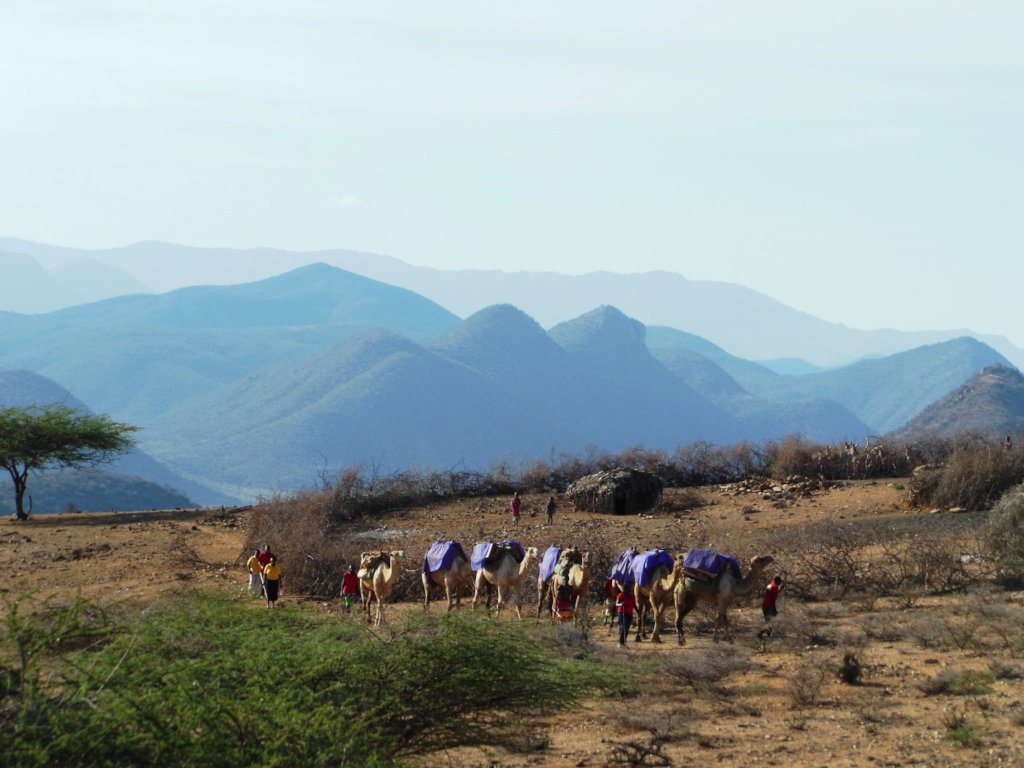
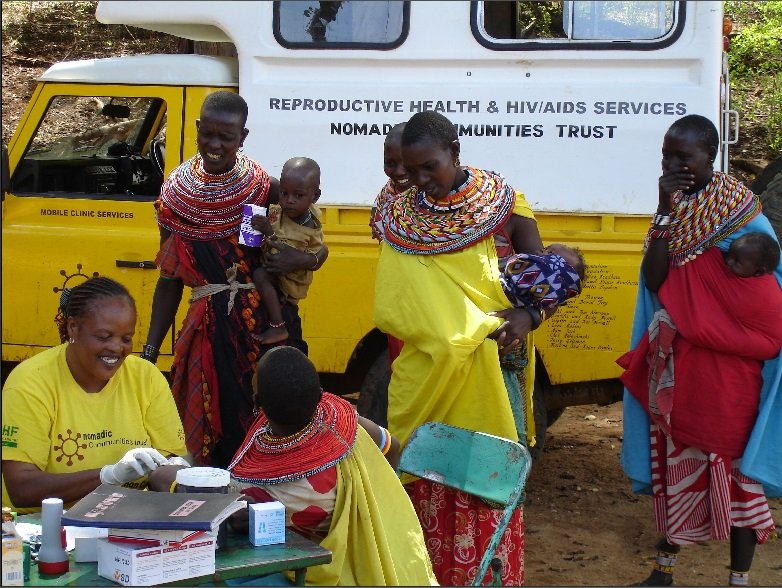
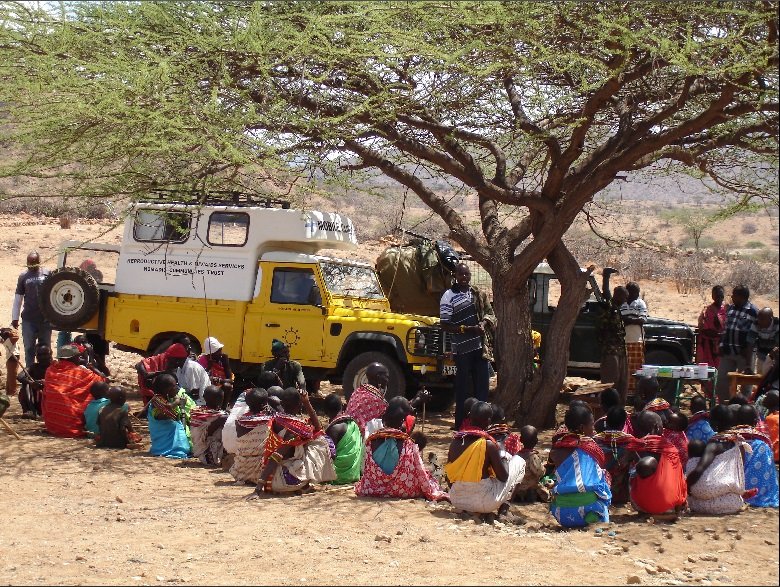
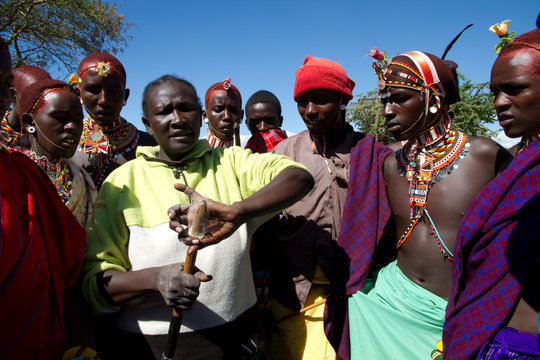
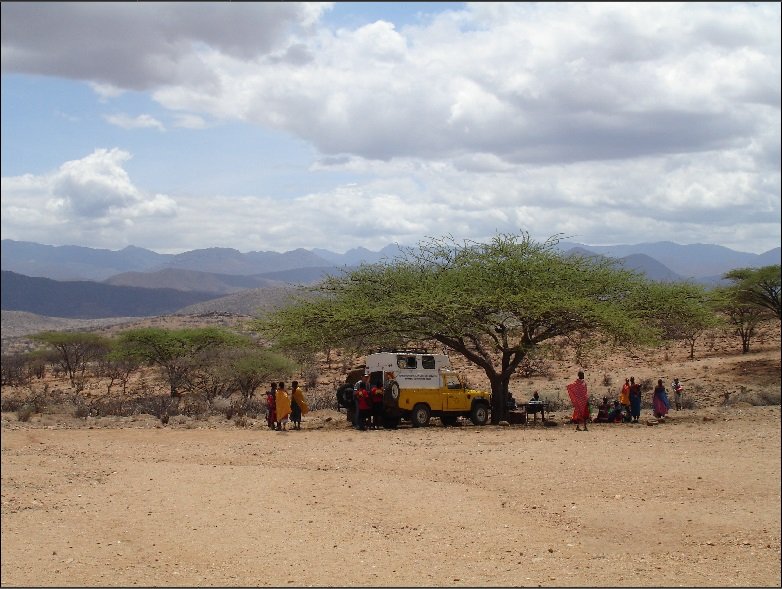
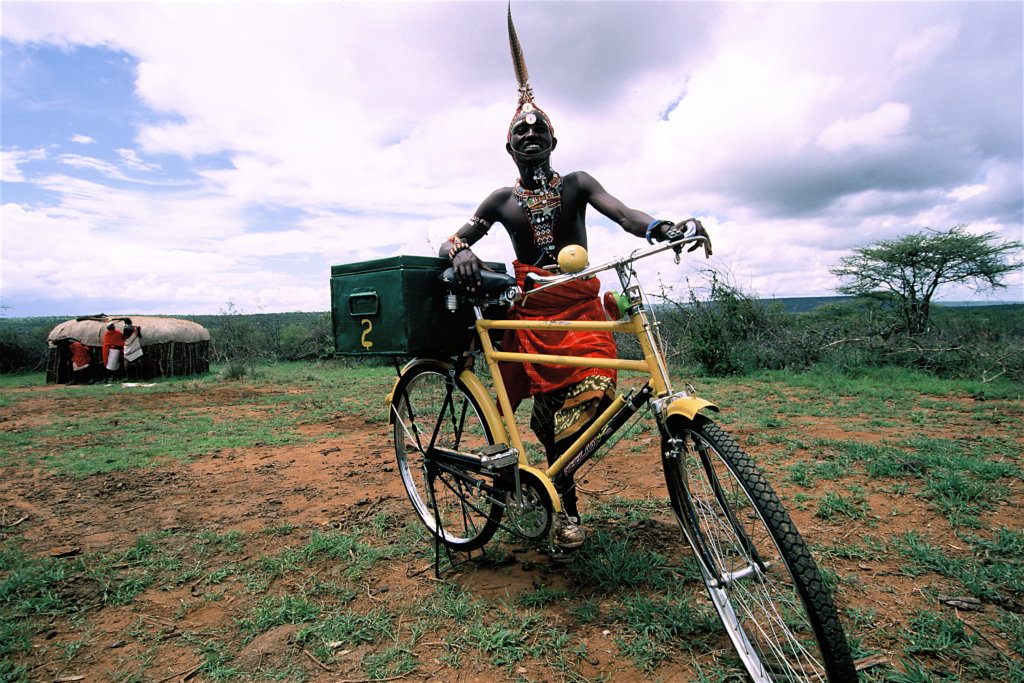
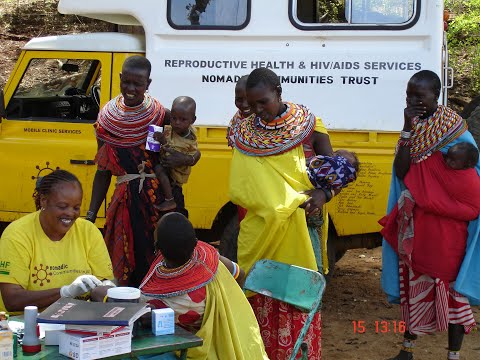
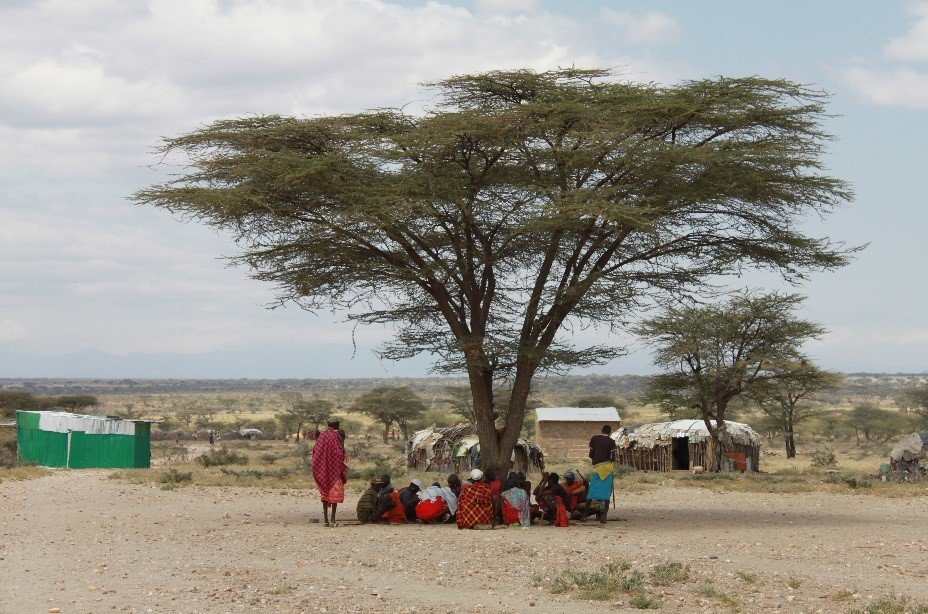
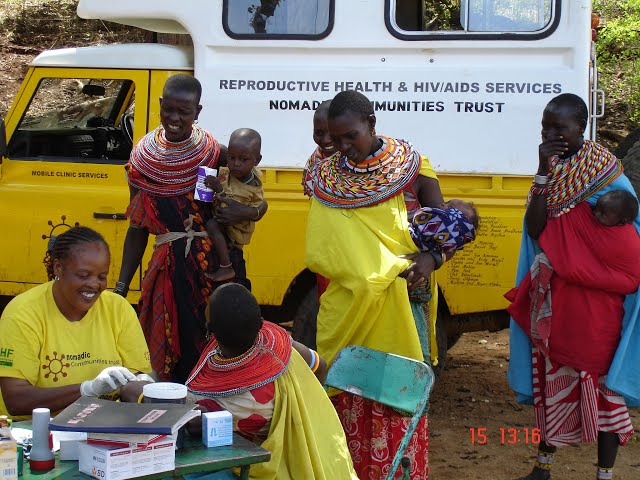
"I always see this car coming here, won’t they finish our women!” exclaimed Mzee Lekonye* as he saw CHAT's motor mobile clinic approach Lorokonyeki- a village deep in the interiors of Samburu County, where indigenous Maa communities live. He could not fathom how other men willingly took their wives to receive those contraception methods that ‘stopped them from having children’ - unlike him, whose wives gave him more children – infact as many as he wanted! His friend, Mzee Lekiloki*, who sat with him as they took some local brew could not believe the kind of sentiments that his friend was sharing.
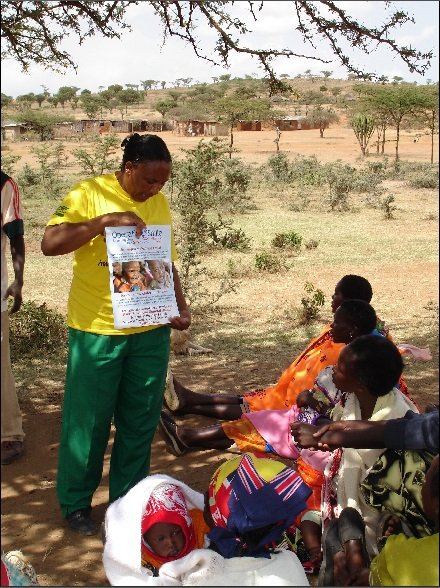
Mzee Lekiloki had accompanied his two wives a couple of months before choosing the five year protection method - now he was not worried about having more children. He decided to call their ‘village doctor’ Ntoijoni – a CHATs Communities Own Resource Persons (CORP) partner, who had helped him understand the importance of FP resulting in him bringing his wives for FP services. When Ntoijoni came and saw that it was Lekonye she had to counsel, she decided to use the approach easiest to capture his mind. She asked him the number of children that he had and to her surprise ‘mzee’ confirmed that he had four wives and was not really sure if he had 16 or 18 children in total. “Actually, I am unable to feed my family as most of the days, I can only afford one meal per day and at times, can even sleep on empty stomach as there wasn’t enough food for everyone and his wives always decided to feed the children leaving him to eat wherever he was with fellow men,” Mzee further explained.
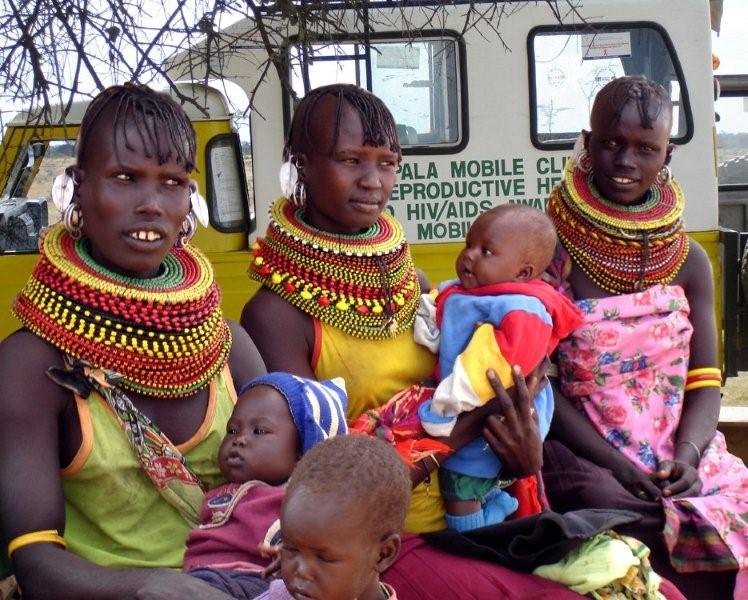
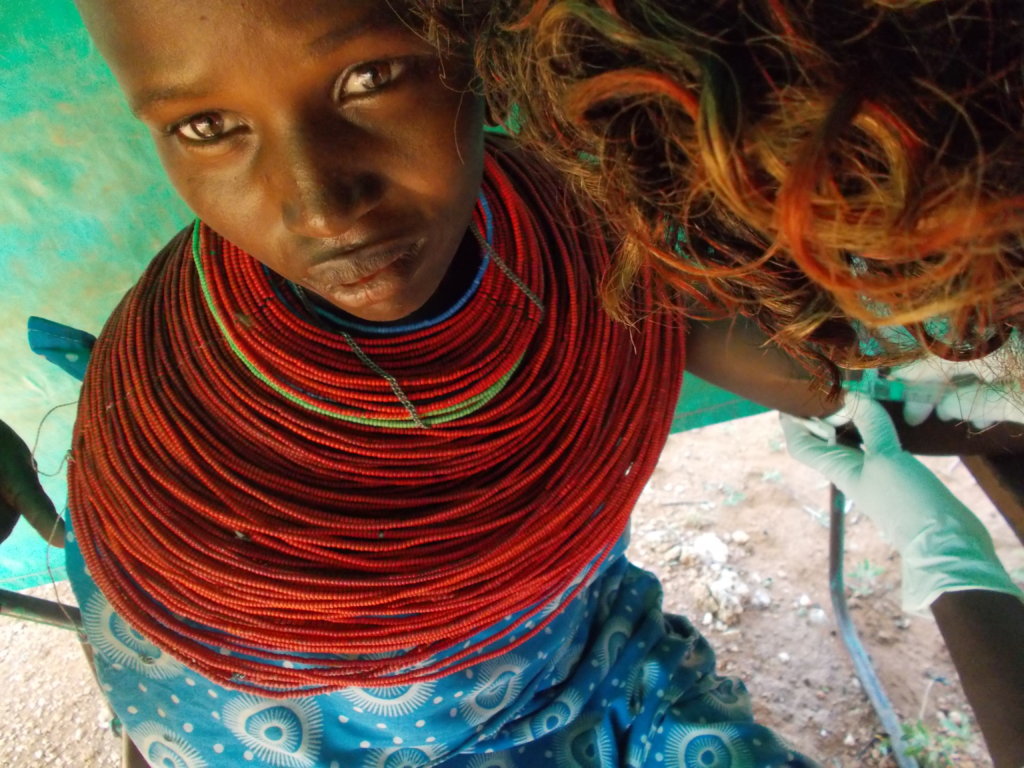
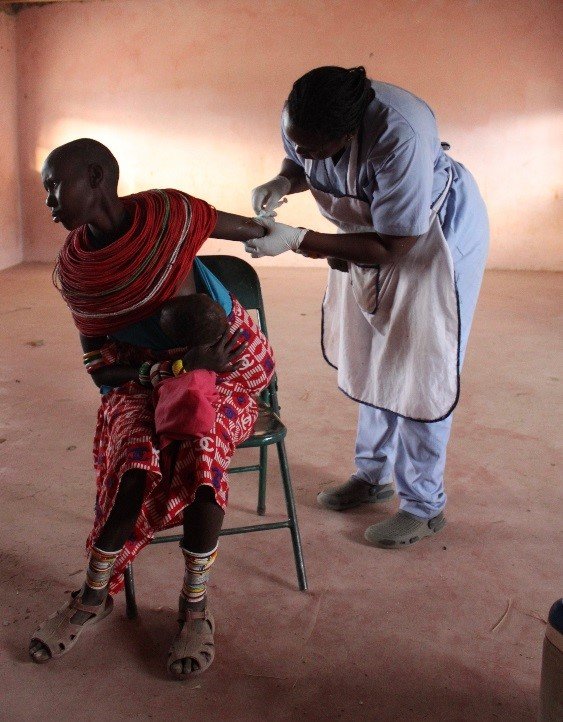
On learning this, Ntoijoni explained that the larger the family grows, the more food and space this old man was going to need in his manyatta as well as more wealth he would have to distribute to his children once they were old enough for their inheritance. She asked him again whether he would like his family to grow larger than it is and mzee took a huge pause before admitting that he was not wealthy enough to continue growing his family. With this, Ntoijoni was able to explain to him that if he could not afford to enlarge his family then he needed to bring his wives for some contraception as it would help them not conceive thus aiding them in utilizing the little resources that they have. There and then he went home and came with his wives. They were all counselled together with Mzee and he was able to understand that these contraception methods would not completely make them, his wives, barren - rather they would give them a break and if any of them ever wanted a child again, they could always stop using the contraception. From the look of things the ladies were not ready for another child. Three of his wives chose Jadelles a five year protection and his last wife who felt young went for the Implanon, a three year protection method
With the kind of mentality that Mzee had and the approach that Ntoijoni used, it proved that the right kind of information can change a lot of peoples thinking and that it all does not have to happen at once. “The community’s perception is going to change client by client to help build a better place for everyone’s survival without working so hard for it. I believe if more men understood the importance of having access to FP - then this is going to be their 'GO TO' for a more resourceful survival” Ntoijoni explained.
In this last quarter CHAT was able to reach a total of 33,769 individuals with Family Planning – this includes a component of ecological awareness information; of which a total of 12,797 women chose different family planning methods; 501 antenatal women attended to and 821 children either immunized or referred for immunization services, 2,636 patients were treated – thus working towards the Sustainable Development Goals (SDG).
Project reports on GlobalGiving are posted directly to globalgiving.org by Project Leaders as they are completed, generally every 3-4 months. To protect the integrity of these documents, GlobalGiving does not alter them; therefore you may find some language or formatting issues.
If you donate to this project or have donated to this project, you can receive an email when this project posts a report. You can also subscribe for reports without donating.



Support this important cause by creating a personalized fundraising page.
Start a Fundraiser