By Christian Alvarez | Communications Coordinator
Dear friends,
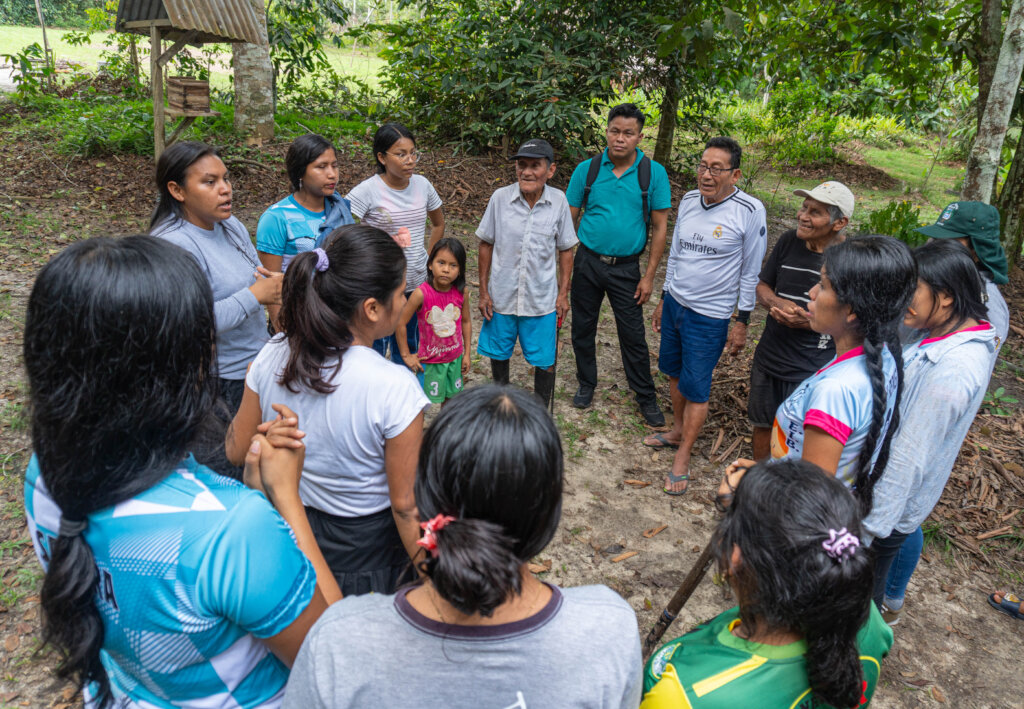
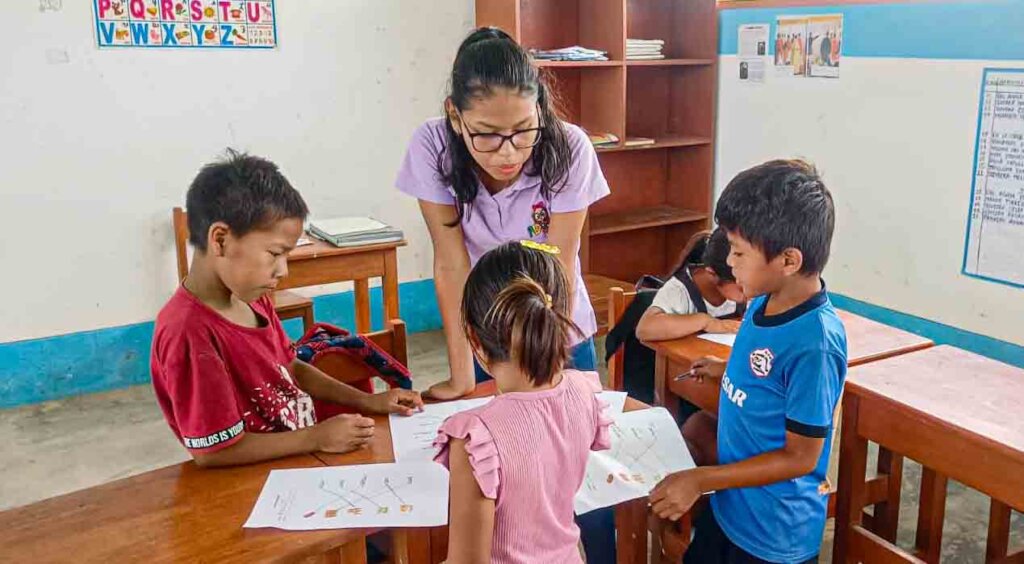
We send you greetings from the Peruvian Amazon. We are pleased to inform that, starting last April, we have begun the in-person phase of our program at the Zungarococha Educational Community in Iquitos. We welcomed a total of 214 young students, who arrived from the Marañón, Samiria, Nanay, Huallaga, Paranapura, Cachiyacu, Cahuapanas, Napo, Tigre, Putumayo, Pastaza, Corrientes, Huasaga, and Huituyacu river basins and are currently training to become Intercultural Bilingual Education teachers.
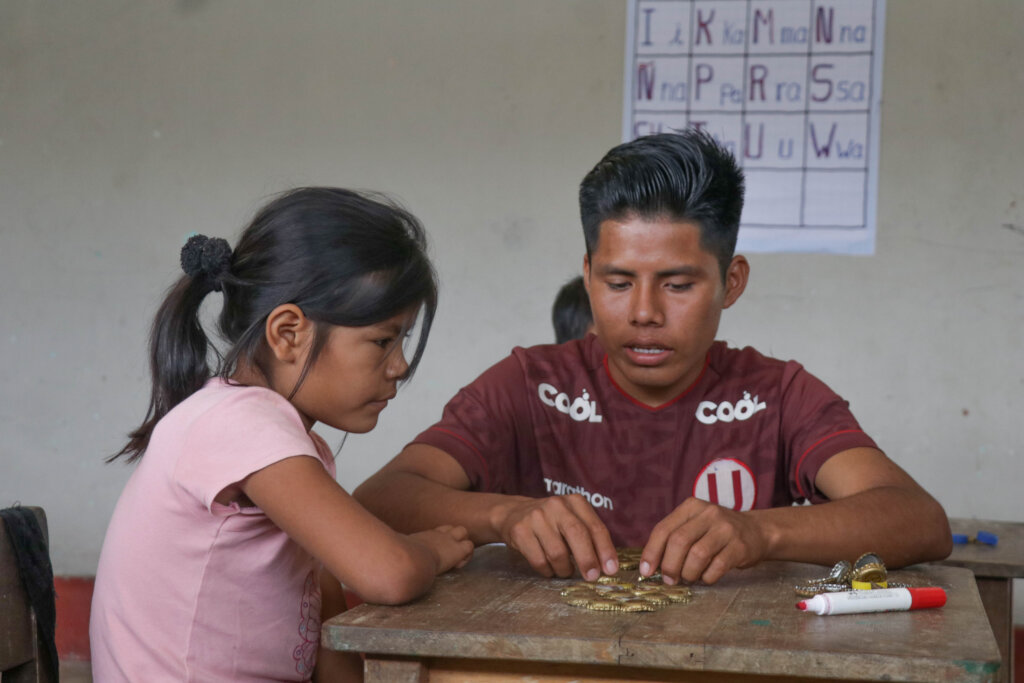
Your support contributed significantly in outfitting facilities and dormitories, as well as ensuring the students were fed throughout the in-person phase, which runs from April to October 2026. As a result, these Indigenous students are now living in dignified conditions, and are continuing their training to become future teachers for the children in their community schools.
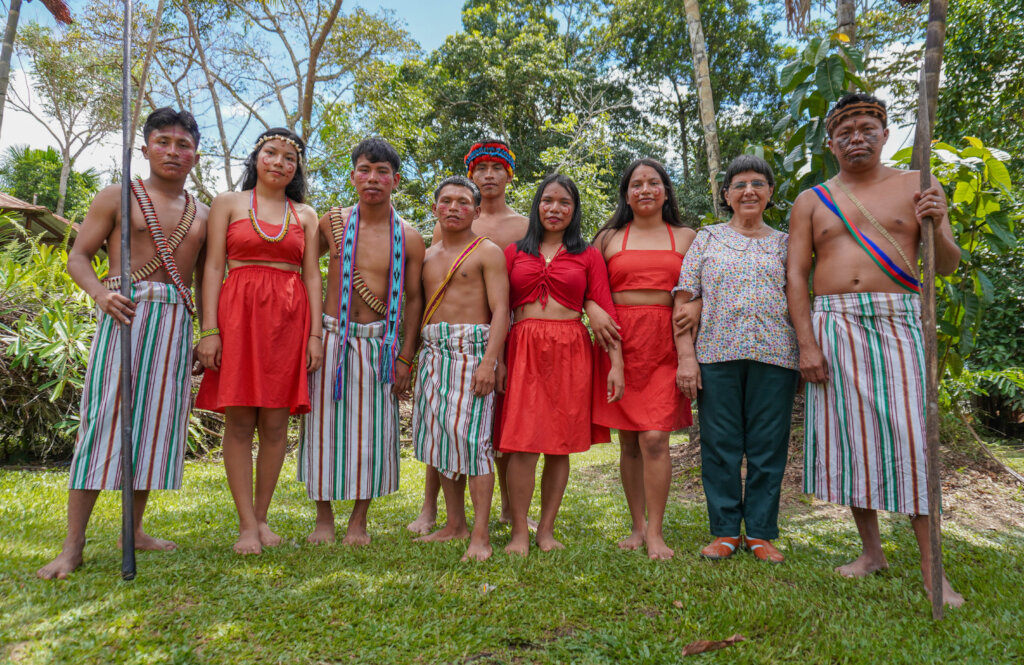
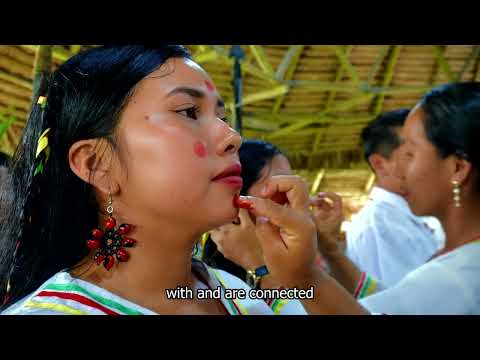
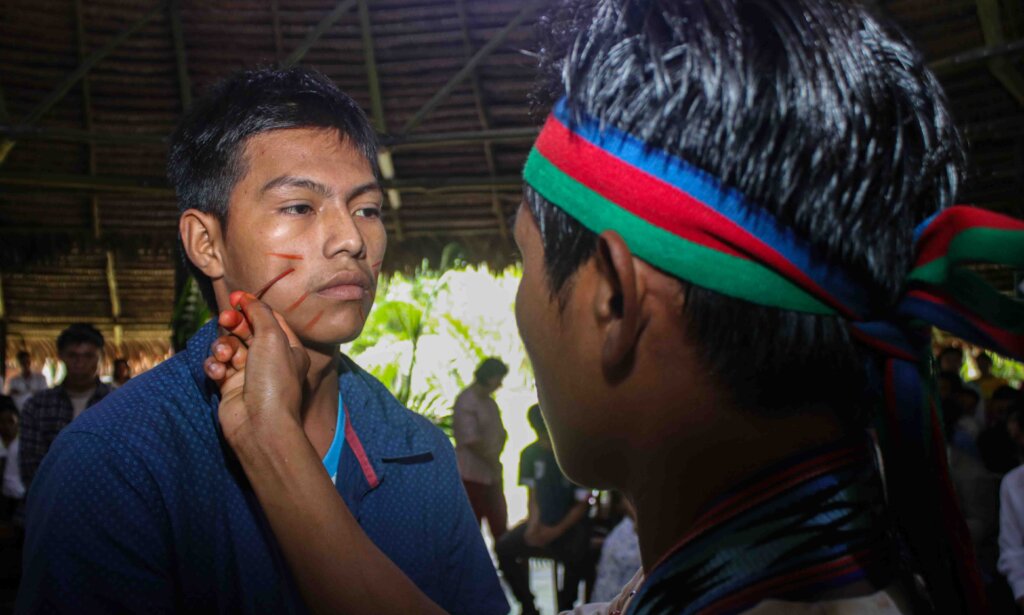
To kick off the 2026 academic year, we held a meaningful intercultural welcome gathering for new students from the Achuar, Kichwa, Kukama-Kukamiria, and Shawi Indigenous peoples. This event served as a vital space for each of them to reaffirm their cultural identity. Following this initial integration event, the annual training process is structured around a pedagogical initiative we call the "Annual Integrative Learning Project." This pedagogical and methodological strategy involves young Indigenous students researching and solving a shared initiative: staying the loss of identity and culture within their communities, while deepening their understanding and appreciation of their ancestral knowledge. Addressing this challenge, the project for 2026 focuses on the urgent need to reverse the loss of traditional dances, which are a valuable cultural practice.
Currently, within the Achuar, Kichwa, Kukama-Kukamiria, and Shawi indigenous communities, there is growing concern that ancestral dances—historically the most vibrant expression of cultural identity, worldview, and connection to nature and guardian spirits—face a critical threat of disappearing. This is primarily due to a reduction in spaces for celebration, a lack of interest among younger generations in their roots, the adoption of non-indigenous culture, and the impact of social and cultural discrimination.
Traditionally, community life was defined by the celebration of festivals, rituals, and significant social events where music and dance played a central role. These activities served as vital means of transmitting legends and knowledge, communicating with spiritual beings and ancestors, and expressing grief or joy. Characterized by broad collective participation and reciprocal sharing, these events strengthened kinship and family ties across generations and reaffirmed a sense of cultural belonging.
In response to this situation, an integrative educational project was launched in 2026 titled "Traditional Dances as a Strategy for Strengthening Sociocultural Identity among Students of the Achuar, Kichwa, Kukama-Kukamiria, and Shawi Peoples." The project aims to revive, value, and strengthen the traditional dances of these indigenous groups by understanding their social significance—specifically, the various ways they interpret the messages and meanings underpinning the reciprocal relationship between humans, nature, and guardian spirits—thereby contributing to the strengthening of the students' sociocultural identity.
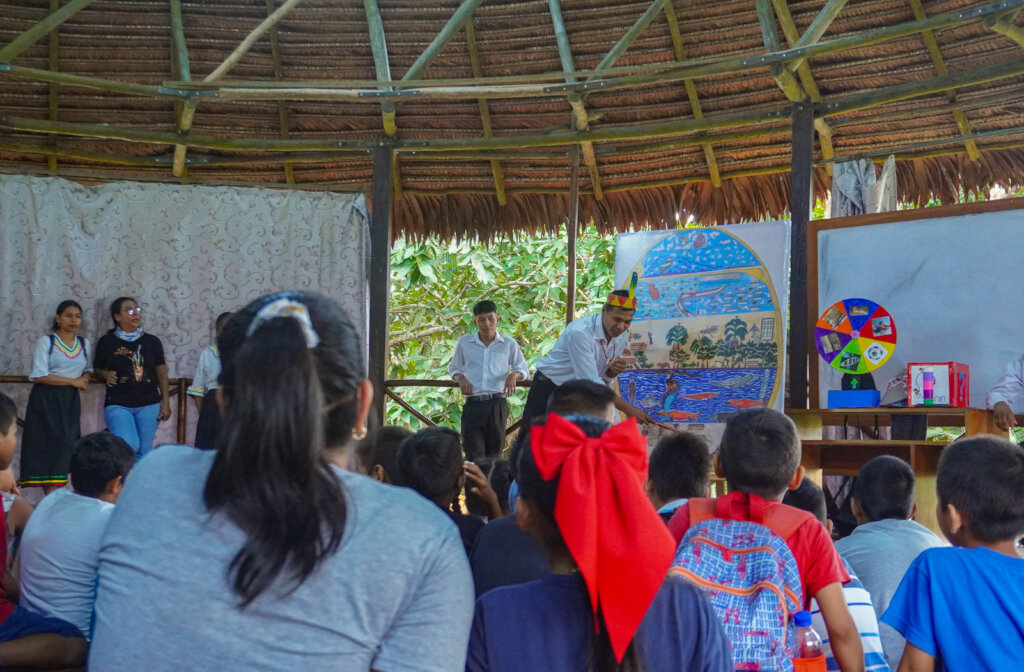
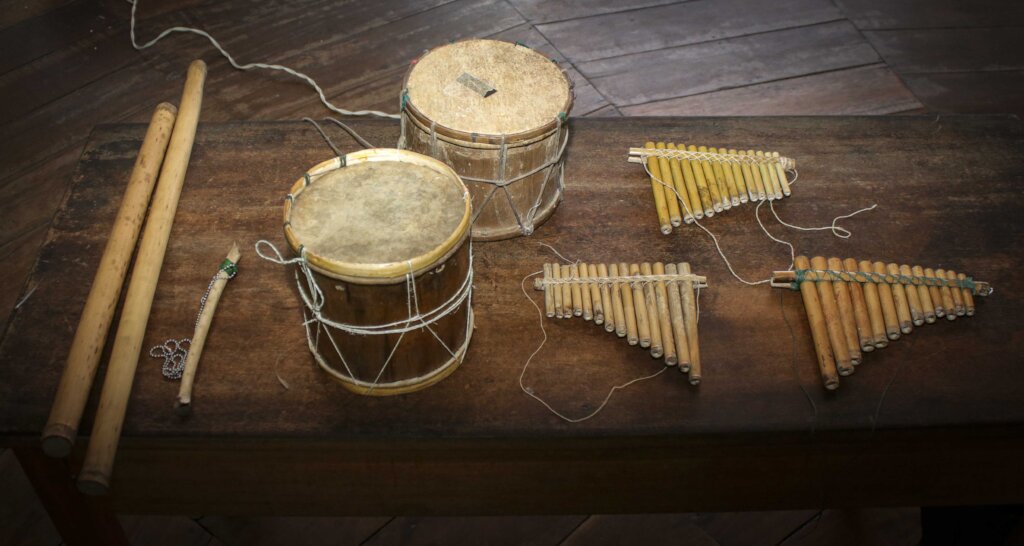
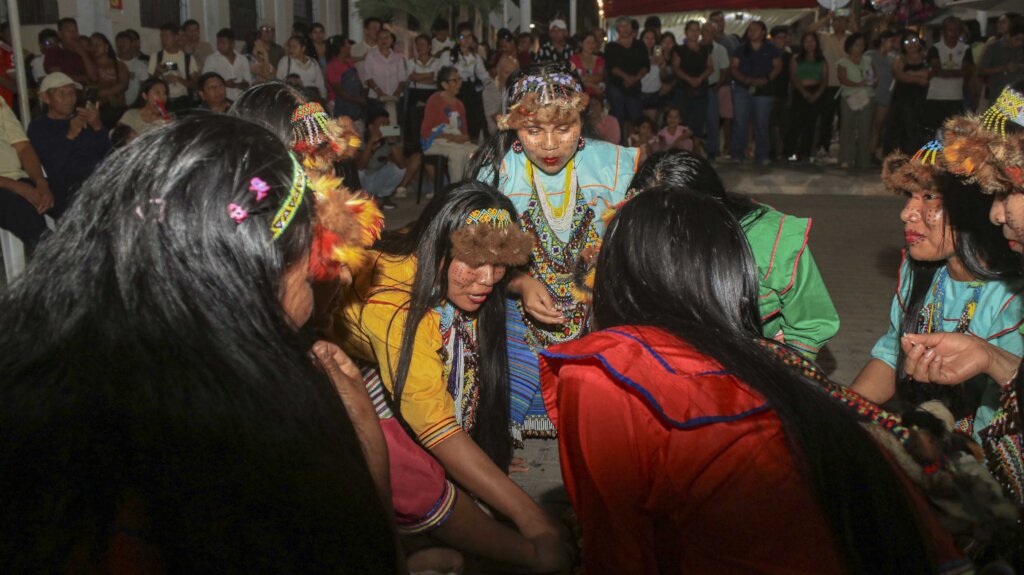
To date, the project’s progress has enabled the systematic documentation and exhibition of various musical instruments belonging to the Achuar, Kichwa, Kukama-Kukamiria, and Shawi peoples, highlighting their construction, classification, cultural significance, and integration into traditional dances. Furthermore, the project has facilitated the compilation of creatively-illustrated descriptions of traditional dances, outlining their key elements and social value. Finally, the project culminated in an initial presentation of these traditional dances at a congregation of various groups in the city of Iquitos, where the students showcased their own choreography, designs, songs, and traditional attire, alongside other sociocultural elements researched and revitalized throughout the process. It is important to note that the project will conclude with a public event to share results: the "Un encuentro con lo nuestro" (An Encounter with Our Heritage) dance festival. The event will take place on September 25th in Iquitos. This event will not only strengthen and promote the sociocultural identity of the Achuar, Kichwa, Kukama-Kukamiria, and Shawi peoples. but will also serve as a fundraiser to provide food and boarding for students in the coming year. If you happen to be in Iquitos on that date, we warmly invite you to attend this significant festival.
Finally, we would like to thank you once again for your commitment to the mission of the indigenous peoples of the Peruvian Amazon: to continue training indigenous teachers who are culturally empowered and secure in their identities, and who play a leading role in their own visions of a fulfilling life and territorial self-governance.
Together, we can ensure that the cultural richness of these four indigenous peoples of the Peruvian Amazon endures, preserving their languages, cultural practices, pride, and ancestral knowledge through Intercultural Bilingual Education.
With gratitude,the Formabiap Team.
By Christian Alvarez | Communications Coordinator
Project reports on GlobalGiving are posted directly to globalgiving.org by Project Leaders as they are completed, generally every 3-4 months. To protect the integrity of these documents, GlobalGiving does not alter them; therefore you may find some language or formatting issues.
If you donate to this project or have donated to this project, you can receive an email when this project posts a report. You can also subscribe for reports without donating.



Support this important cause by creating a personalized fundraising page.
Start a Fundraiser