Project Report
| Apr 29, 2026
Saving Abaco's Dolphins after Hurricane Dorian
By Charlotte Dunn | Project leader
![]()
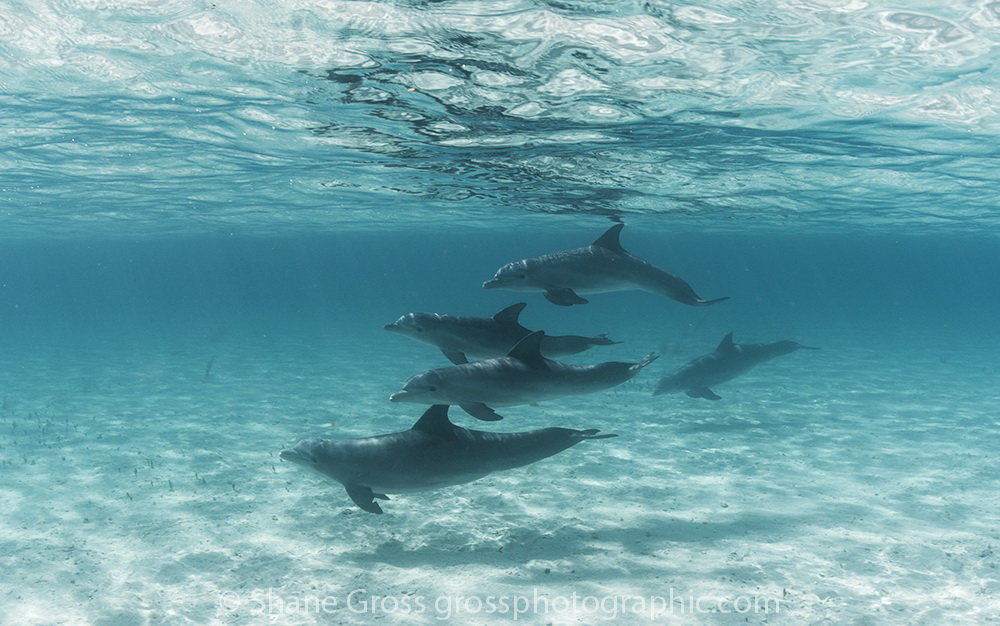
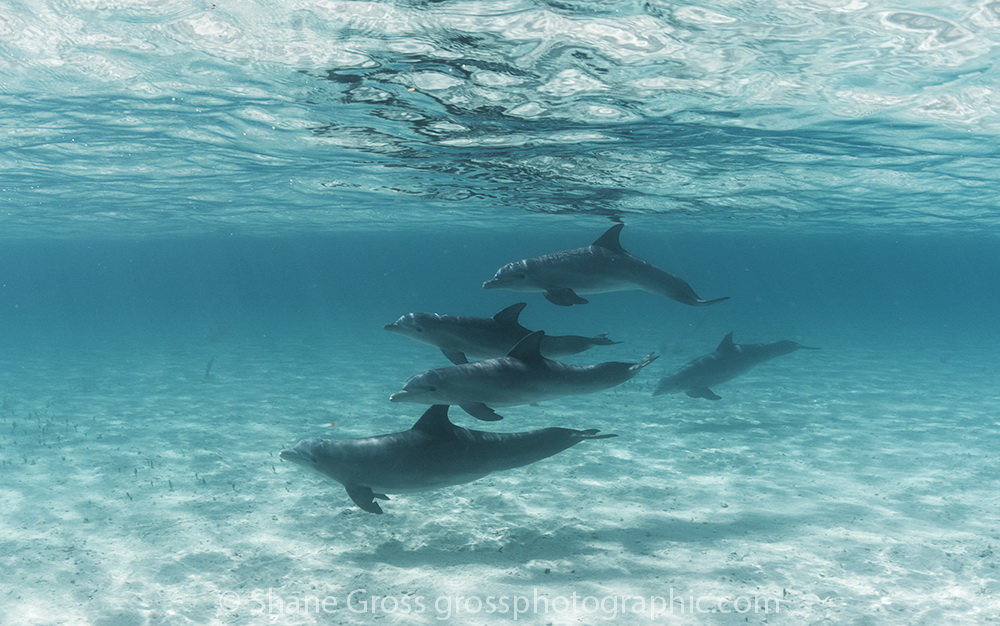
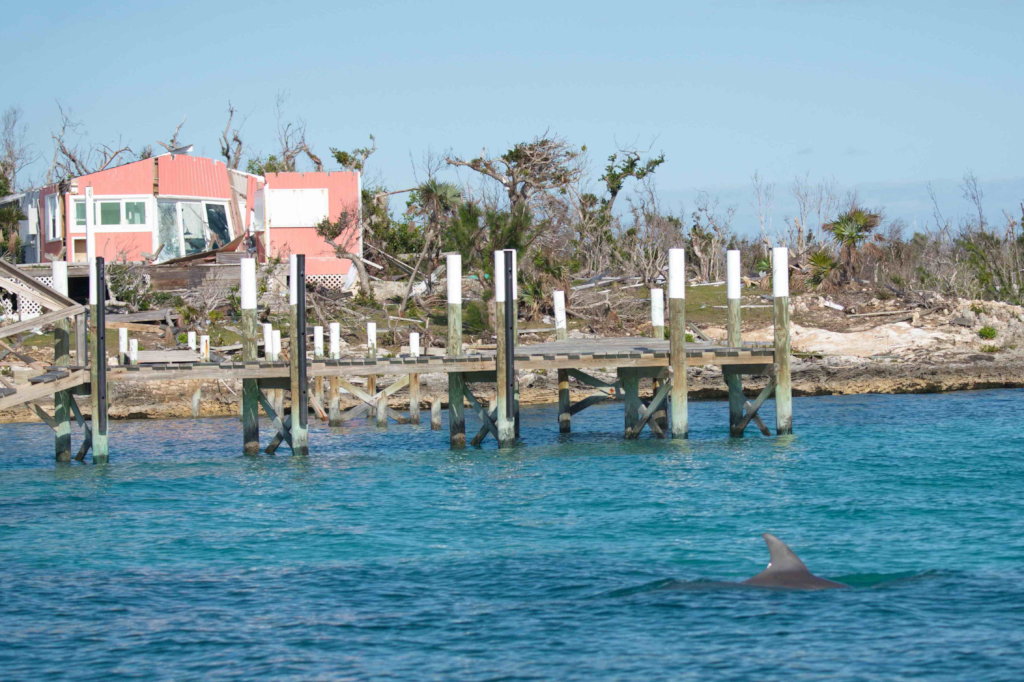
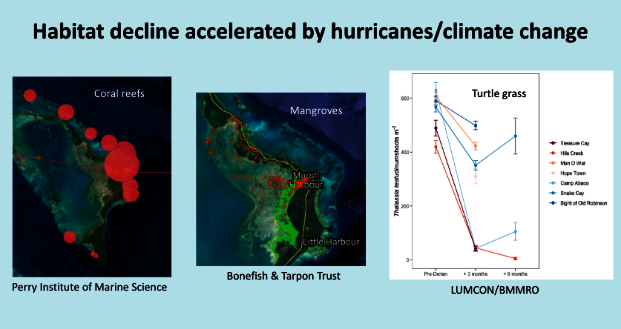
Bottlenose dolphins (Tursiops truncatus) are some of the largest marine fauna and top predators in The Bahamas’ Sea of Abaco’s nearshore ecosystem. On September 1st, 2019, hurricane Dorian, the strongest hurricane ever to make landfall in the Atlantic, stalled over Abaco for 40 hours. The effects of extreme climatic events (ECEs) on ecosystems and wildlife populations are poorly understood because predicting the timing, intensity, and location of these rare events is difficult. As such, when ECEs occur in areas where long-term monitoring of flora and fauna exists, it is important to document these events and their impacts which we have been doing now for over 6 years.
While we can’t control major weather events such as hurricanes, we can work to control anthropomorphic pressures on this population. As we continue with our photo identification and hydrophone research, we have started an outreach campaign to inform various stakeholders of what we all can do to reduce pressure on the Sea of Abaco dolphins. We’re reaching into schools, teaching students about the dolphins in their backyard and having them help us create a slogan for our campaign. We are working with marinas and resorts that hold large fishing tournaments asking captains to reduce their speed while in the Sea of Abaco. We’re working with dockmasters at marinas to make sighting reports to inform habitat use areas as well as identifying which dolphins are using those areas.
![]()
![Share on Twitter]()
![Share on Facebook]()
Nov 4, 2025
Saving Abaco's Dolphins After Hurricane Dorian
By Charlotte Dunn | Project Leader
![]()
The effects of extreme climatic events (ECEs) on ecosystems and wildlife populations are poorly understood because predicting the timing, intensity, and location of these rare events is too difficult. As such, when ECEs occur in areas where long-term monitoring of flora and fauna exists, it is important to document these events and their impacts. On September 1st, 2019, hurricane Dorian hit Marsh Harbour, Abaco, and surrounding communities as the strongest hurricane ever to make landfall in the Atlantic. As some of the largest marine fauna and top predators in Abaco’s nearshore ecosystems, bottlenose dolphins (Tursiops truncatus) are expected to have been impacted both directly and indirectly by hurricane Dorian.
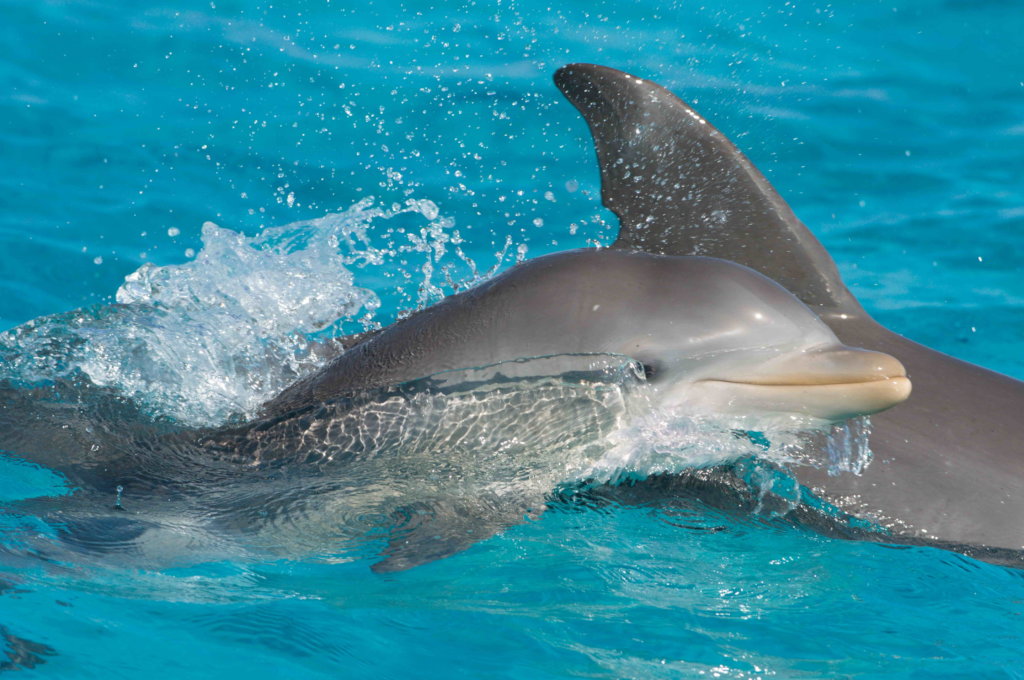
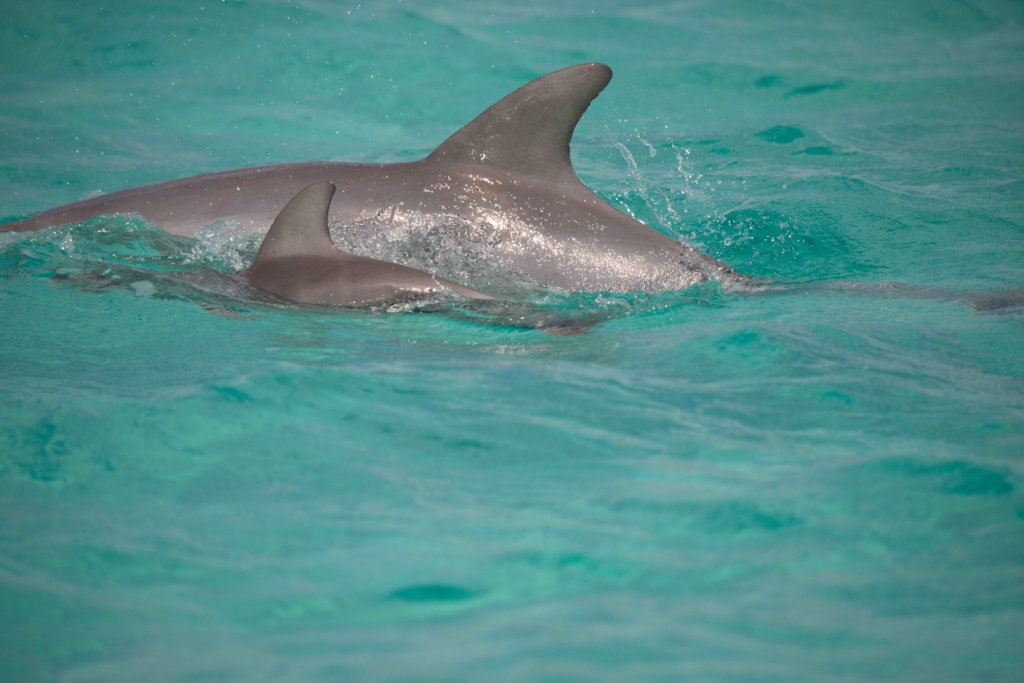
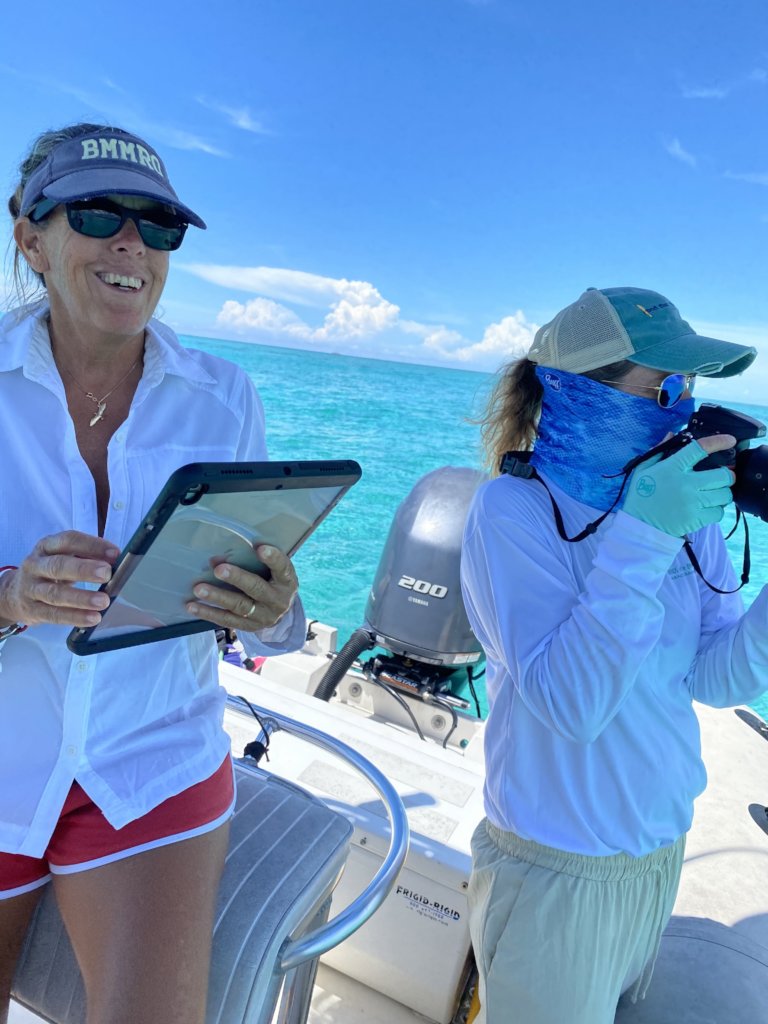
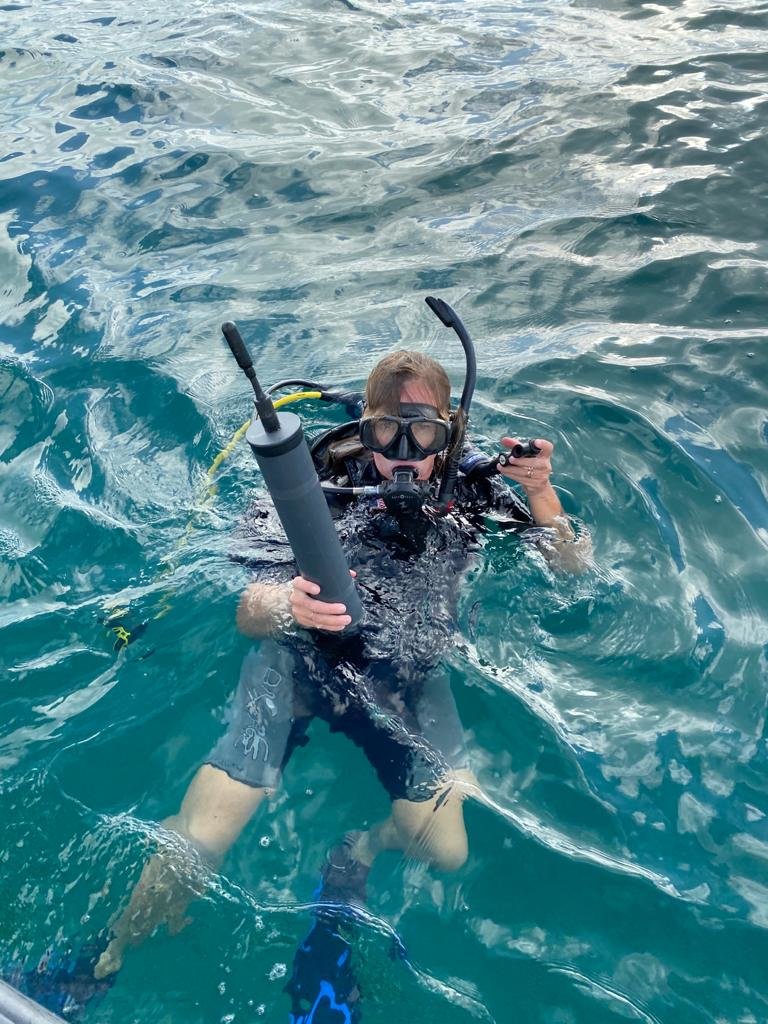
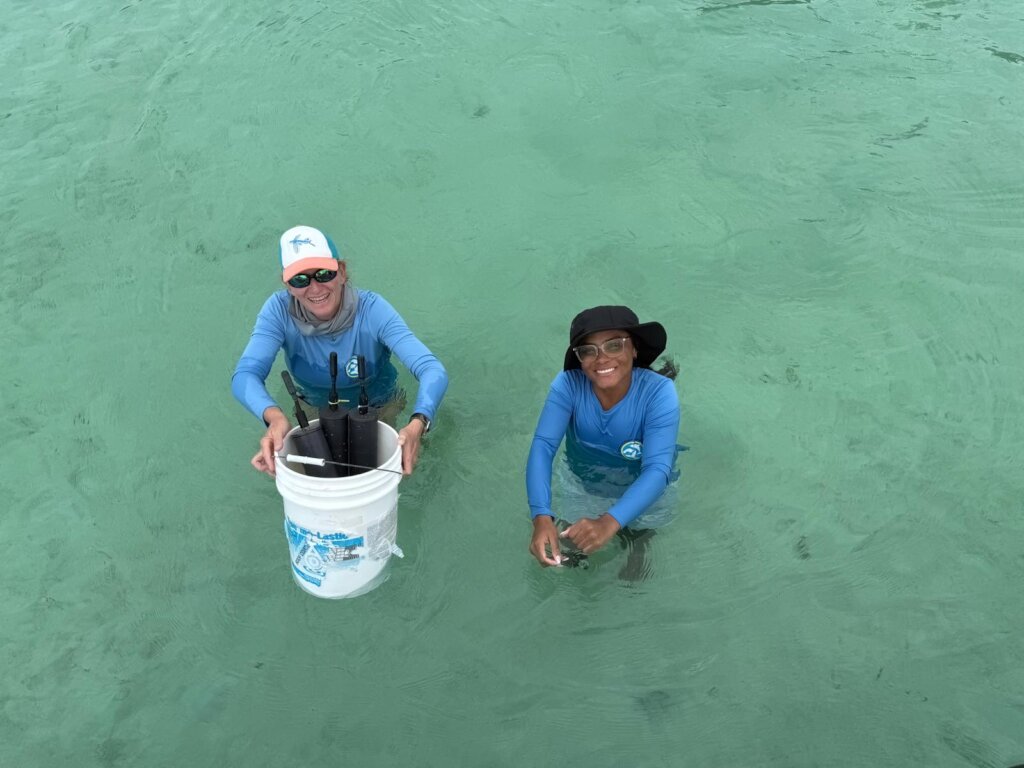
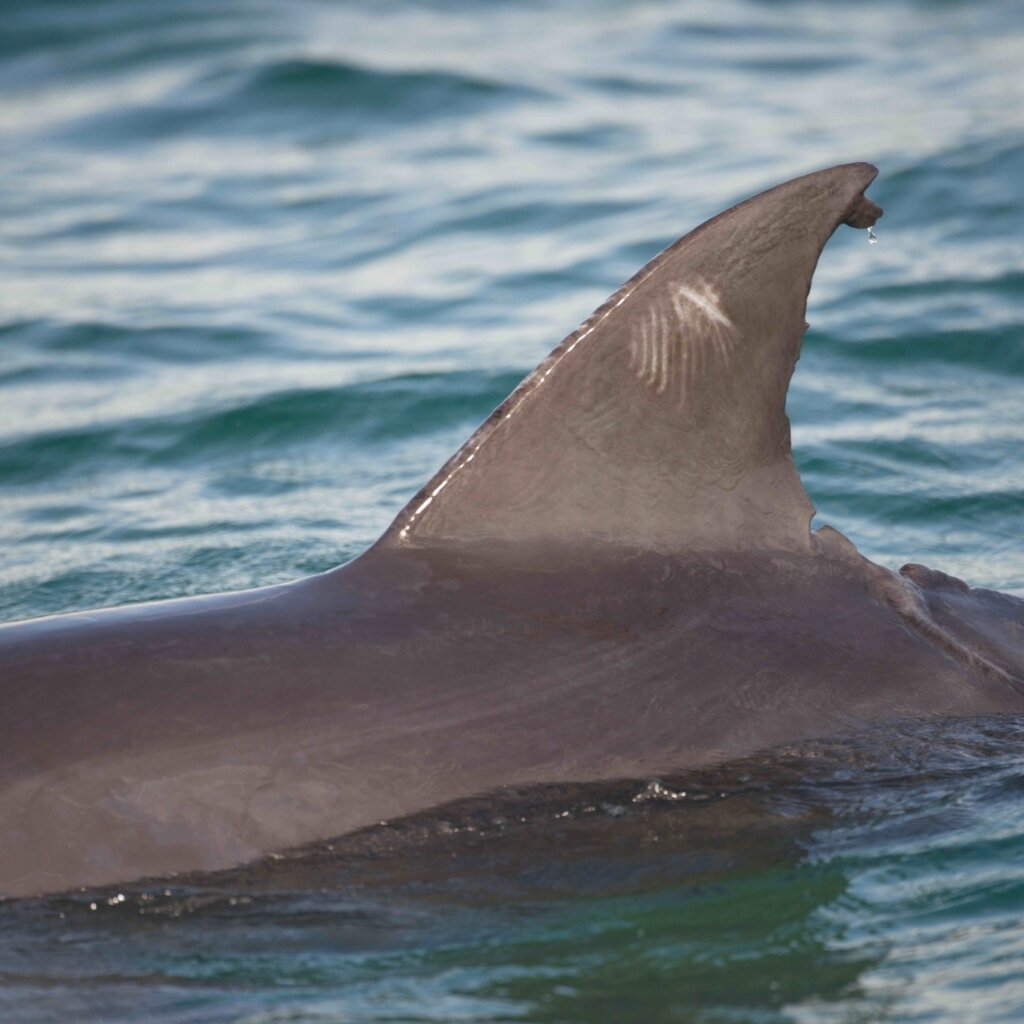
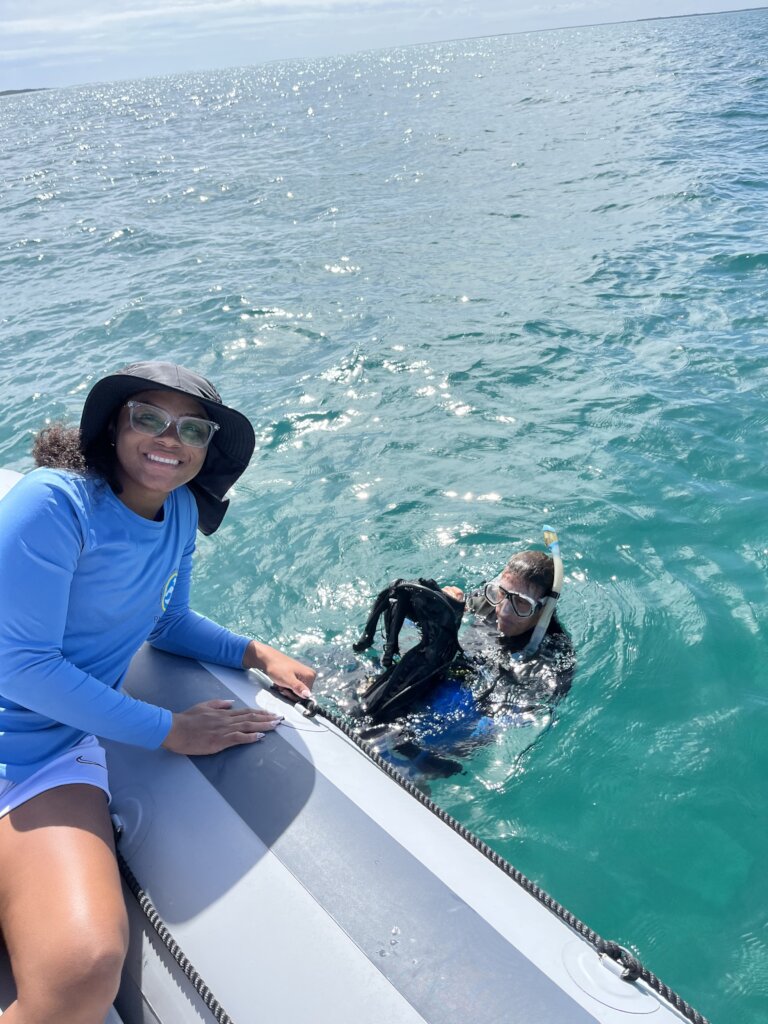
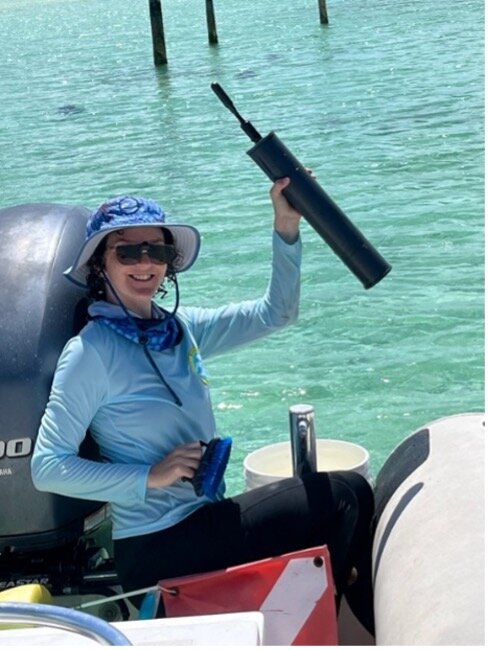
In May and again in August this year, we carried out dedicated dolphin surveys in the Sea of Abaco. Across 16 encounters, many included mother-calf pairs which is an encouraging indication of the resilience of this local population following hurricane Dorian. It is critical that we continue to monitor the health status of these young dolphins as we know that calf mortality is high in the Sea of Abaco. Alongside photo-ID work, we deployed and retrieved our acoustic recorders that are tracking ambient noise (boat engines mostly) and its impacts on dolphin presence.
![]()
![]()
Links:
![Share on Twitter]()
![Share on Facebook]()
Jul 14, 2025
Saving Abaco's Dolphins After Hurricane Dorian
By Charlotte Dunn | Project Leader
![]()
The effects of extreme climatic events (ECEs) on ecosystems and wildlife populations are poorly understood because predicting the timing, intensity, and location of these rare events is too difficult. As such, when ECEs occur in areas where long-term monitoring of flora and fauna exists, it is important to document these events and their impacts. On September 1st, 2019, hurricane Dorian hit Marsh Harbour, Abaco, and surrounding communities as the strongest hurricane ever to make landfall in the Atlantic. As some of the largest marine fauna and top predators in Abaco’s nearshore ecosystems, bottlenose dolphins (Tursiops truncatus) are expected to have been impacted both directly and indirectly by hurricane Dorian.
Sea of Abaco dolphin surveys were conducted again in April 2025. This work included recovery of our three acoustic recorders moored to the seafloor, to document dolphin vocalisations and vessel noise, which were then cleaned, and the batteries and data cards swapped out and redeployed. During the dedicated ten-day effort, five groups of dolphins were found in the Sea of Abaco. Initial analysis of the photo-identification pictures taken during the encounters shows at least 26 individual dolphins were seen, including six mother-calf pairs.
![Share on Twitter]()
![Share on Facebook]()