By Meggan Ireland | Partnerships & Grants Manager
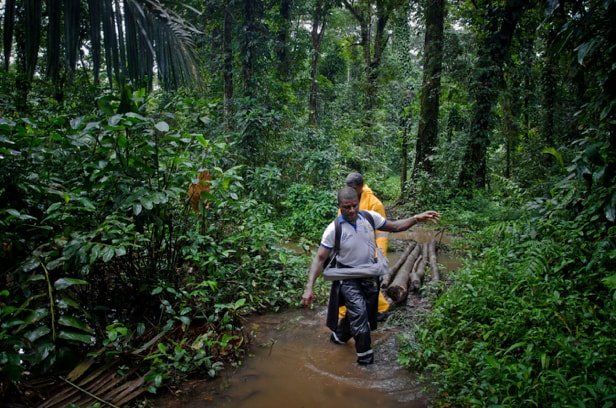
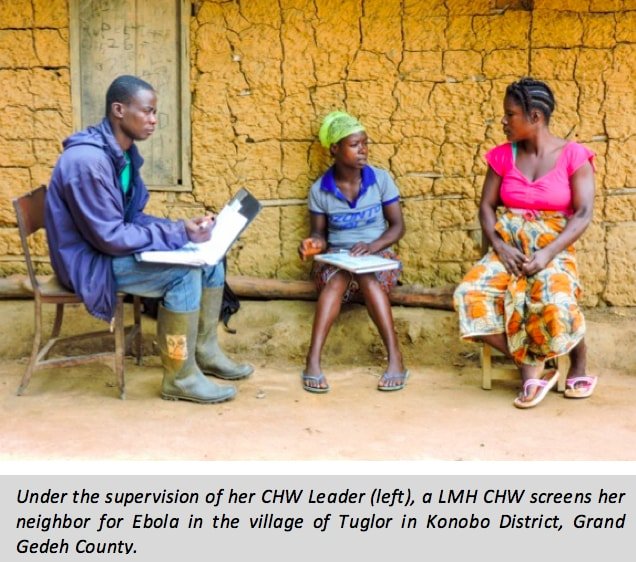
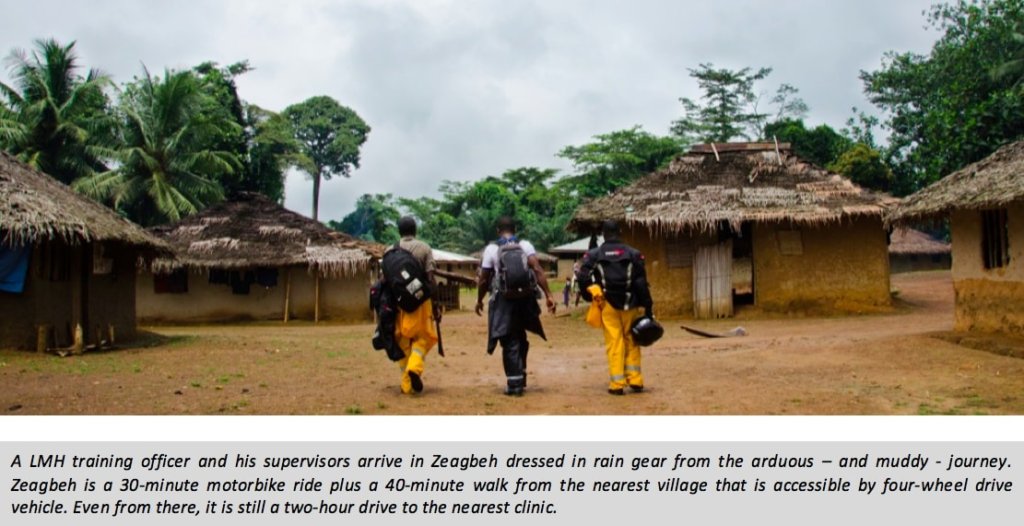
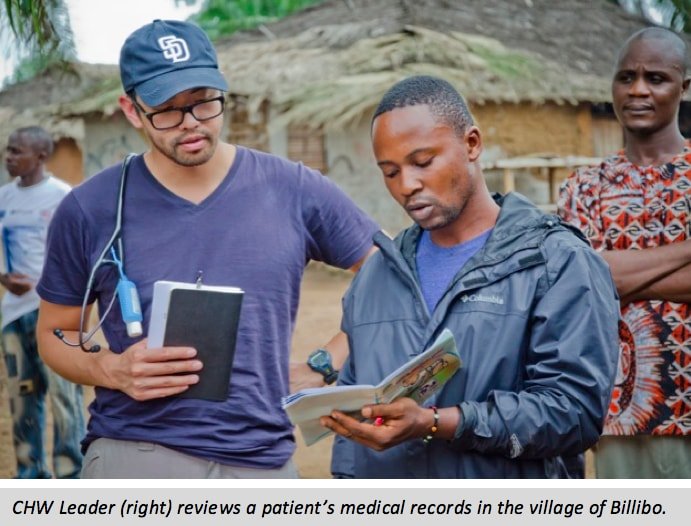
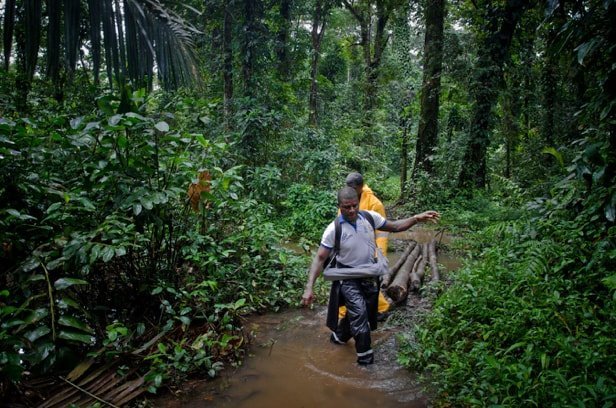
Daniel works as one of Liberia’s 3,500 formally employed community health workers. He provides essential, lifesaving care to his neighbors in a remote community in northern Rivercess, supported by Ghanwarkpa, a clinical supervisor who visits him regularly to ensure that he has the lifesaving drugs, supplies, and mentorship needed to provide quality care. Approximately 30% of Liberia’s 4.6 million people live farther than five kilometers from a health facility, requiring them to travel long distances, often at great cost and through dense rainforest to reach traditional points of care. Access has long been a challenge, contributing to significant disparities in service delivery and health outcomes across Liberia. Launched in 2016 – more than two years after the world’s deadliest Ebola outbreak began in a remote West African community not too dissimilar to Daniel’s – the National Community Health Assistant Program is a government-led initiative that serves those living in the country’s most remote areas.
Daniel is not the only healthcare professional in his household; his wife Hannah is a Trained Traditional Midwife serving the women and children of hers and other communities in the Gozohn Clinic catchment area. From her home, Hannah walks an hour to the main road where she takes a motorbike to work to assist Ghanwarkpa and other facility-based colleagues with antenatal check-ups for pregnant woman. Daniel and Hannah are members of their Community Health Committee, which meets twice a month to discuss solutions to self-identified health issues affecting the community. Together, Daniel, Hannah, and Ghanwarkpa work to ensure a complete continuum of care for children and families in their quiet corner of Rivercess County. Globally, their efforts are helping to inform the integration of quality community health interventions at scale, supporting the realization of universal health coverage and the drive towards ending preventable child and maternal deaths.
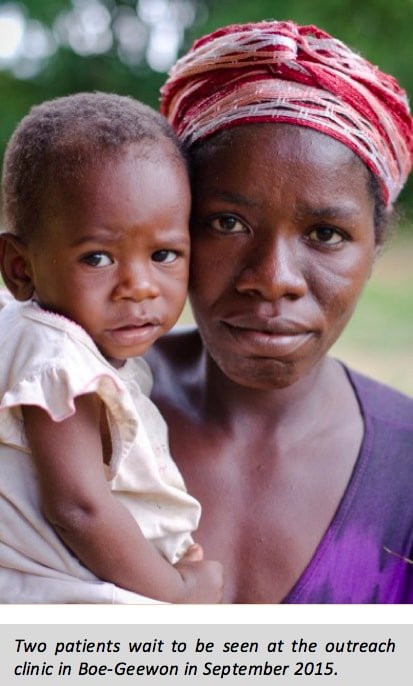
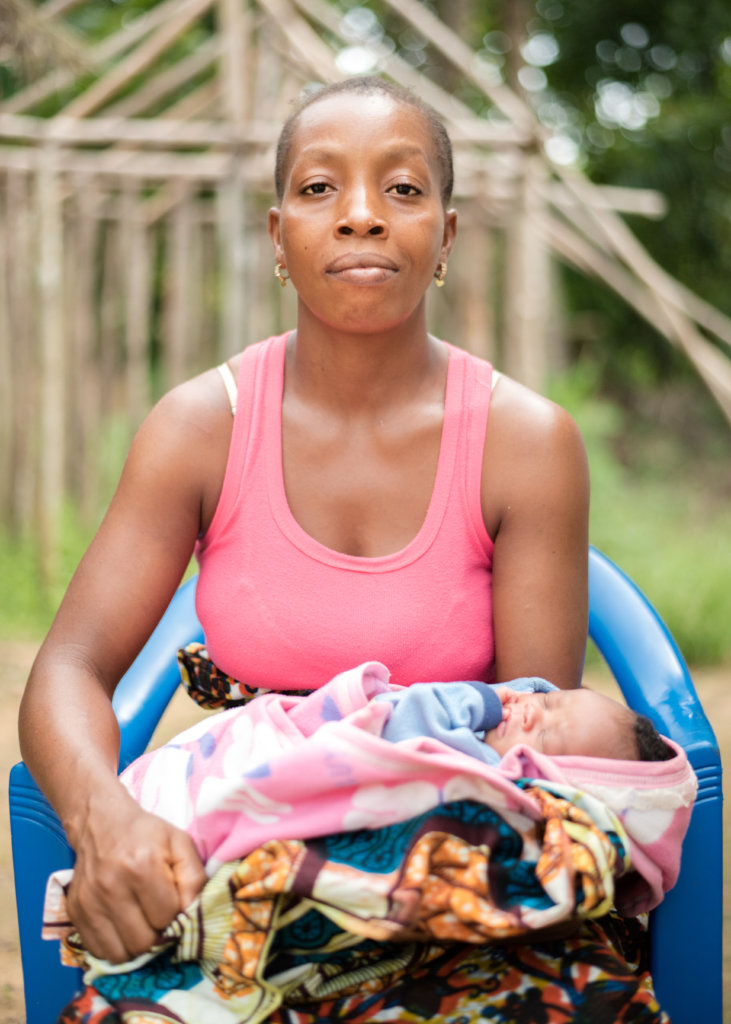
Hannah recently gave birth to a healthy baby boy named Andrew. Throughout her pregnancy, Hannah used her own experience to connect with mothers in the community and to encourage them to go to at least four antenatal care visits during their gestation period. Hannah herself had nearly twice the recommended number of check-ups, partly as a way to set an example in her community, and partly to help de-stigmatize doctor visits and recast them as a responsible approach to maternal health. Thanks to her work, her community has now instituted a fund for referring pregnant women to the Gozohn clinic – removing a significant barrier to maternal health care in the community. Because of women like Hannah, the number of women in Rivercess county who receive four or more antenatal care visits during their pregnancy has risen from 61% to 80% over the last four years. Together with her husband Daniel, Hannah is truly influencing the health of pregnant women and mothers in her area by ensuring that each one has a healthcare worker within reach when they need it most.
Having partnered with the Liberian Ministry of Health for more than 10 years, Last Mile Health is now expanding its work with governments around the world to design, scale, strengthen, and sustain teams of digitally-empowered community and frontline health workers who bring high-quality primary health care within reach of millions of rural people.
Links:
Project reports on GlobalGiving are posted directly to globalgiving.org by Project Leaders as they are completed, generally every 3-4 months. To protect the integrity of these documents, GlobalGiving does not alter them; therefore you may find some language or formatting issues.
If you donate to this project or have donated to this project, you can receive an email when this project posts a report. You can also subscribe for reports without donating.