By Lucy Moe | Partnerships & Development Associate
Last Mile Health was founded on the belief that all people deserve access to health care, no matter where they live. In pursuit of this vision, the organization focuses specifically on the hardest to reach areas by supporting networks of community health professionals who deliver health care at the doorsteps of the people who need it the most. Since 2007, Last Mile Health has partnered with the Liberian government to test and refine a community health workforce model that now serves as the basis for the National Community Health Assistant Program, a groundbreaking healthcare delivery system that will extend care to 1.2 million people living in the country’s most remote communities by the year 2021.
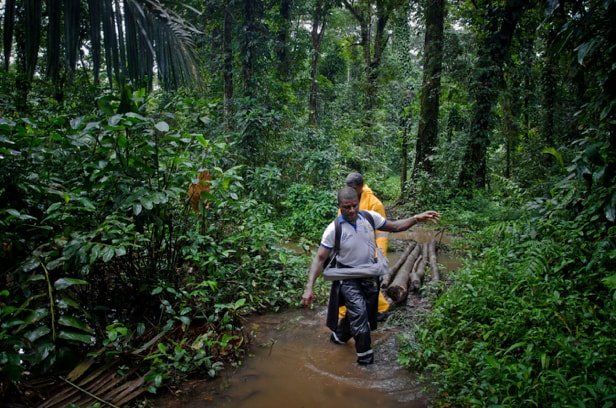
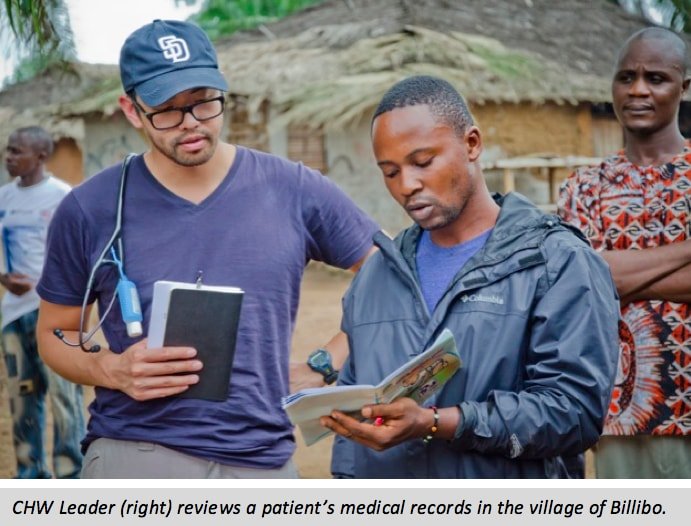
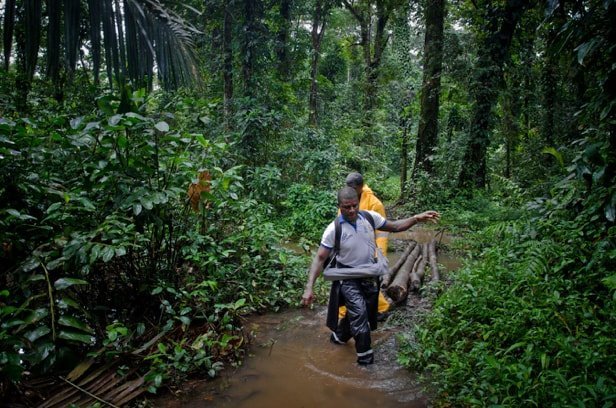
Helping to bridge the gap between remote communities and Liberia’s existing health infrastructure, nurses like Nohn are at the center of the community health program. Originally from Nimba County, Nohn earned her nursing degree at the United Methodist University in Monrovia before traveling to Rivercess County to serve as a nurse supervisor two years ago. Today, she fulfills the position of CHW clinical supervisor at Neezuin Clinic, supporting eight CHWs who provide lifesaving care to remote populations within the facility’s catchment area. Nohn spends the majority of her time in the field providing supervision, mentorship, and supplies to CHWs so that they can remain in their communities and be on hand to provide lifesaving care to their neighbors. “I chose to become a [supervisor] because people in the city have a lot of hospitals that they can go [to], but for those that are in the villages, they have distances. I feel I can train somebody to be residing in their own community while providing care for their own people.”
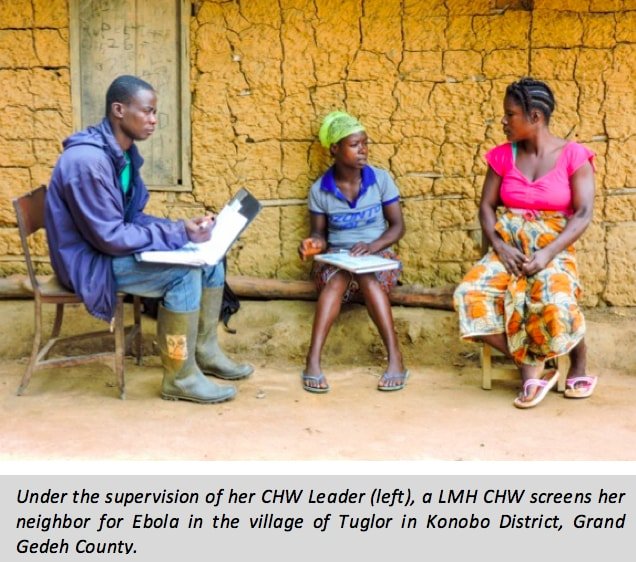
Because Nohn travels frequently between remote communities and the clinic, she is uniquely positioned to aid in referrals for patients who are too sick to benefit from the essential medicines provided by CHWs and in need of more specialized care. At the same time, routine supervision visits enable her to track and help prevent disease outbreaks over time via the provision of preventative health education to and collection of key health data from CHWs to pass onto community members and county health representatives, respectively. Through this multi-faceted approach to health care that includes prevention, education, and treatment, Nohn and her CHWs help to ensure that no child dies because of distance: “Children who used to die of common sicknesses, like diarrhea, malaria, and pneumonia… instead of dying they are surviving and making the community a better one. So that’s what keeps me doing this job.”
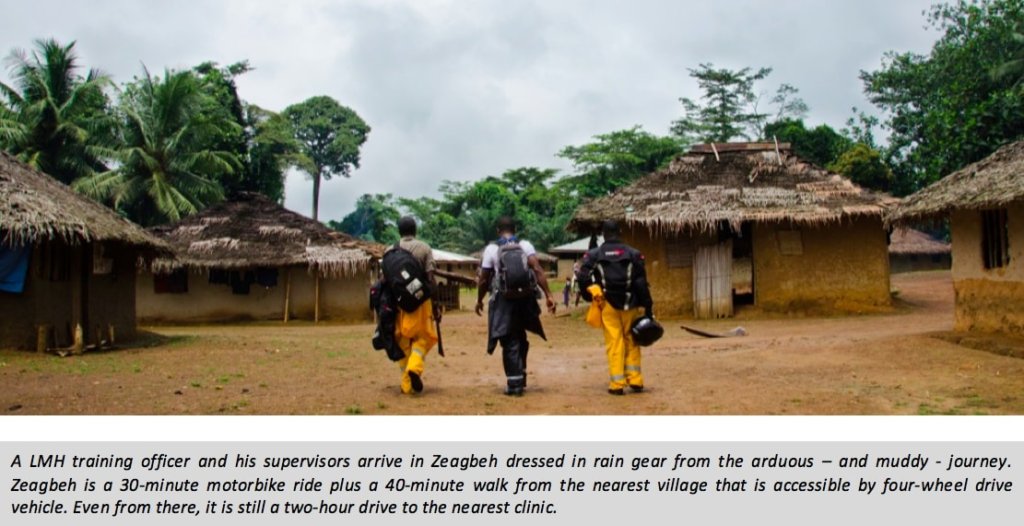
Not long ago, many believed that providing high-quality health services to Liberia’s remote communities was simply too difficult. In collaboration with the Liberian government, Last Mile Health has proven that by working together, it is possible to drive towards the vision of a health worker within reach of everyone, everywhere. For Nohn – and for the community members she serves – continued support means the provision of care and supervision where it is needed most. “We are waiting to see how best we can make Liberia [be free from] health problems, because sacrificing to live in this bush, it is not easy, but we have to do it for the sake of our country.”
Project reports on GlobalGiving are posted directly to globalgiving.org by Project Leaders as they are completed, generally every 3-4 months. To protect the integrity of these documents, GlobalGiving does not alter them; therefore you may find some language or formatting issues.
If you donate to this project or have donated to this project, you can receive an email when this project posts a report. You can also subscribe for reports without donating.