By Lucy Moe | Partnerships & Development Associate
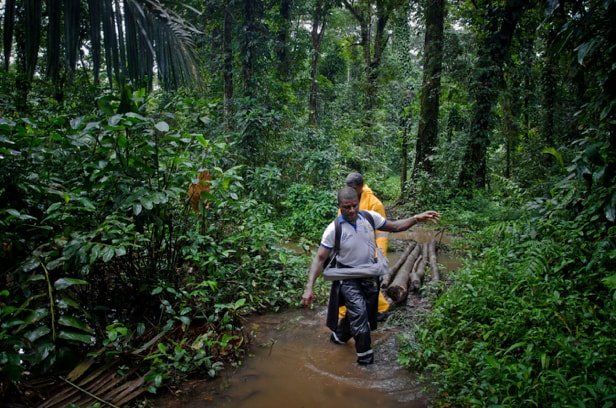
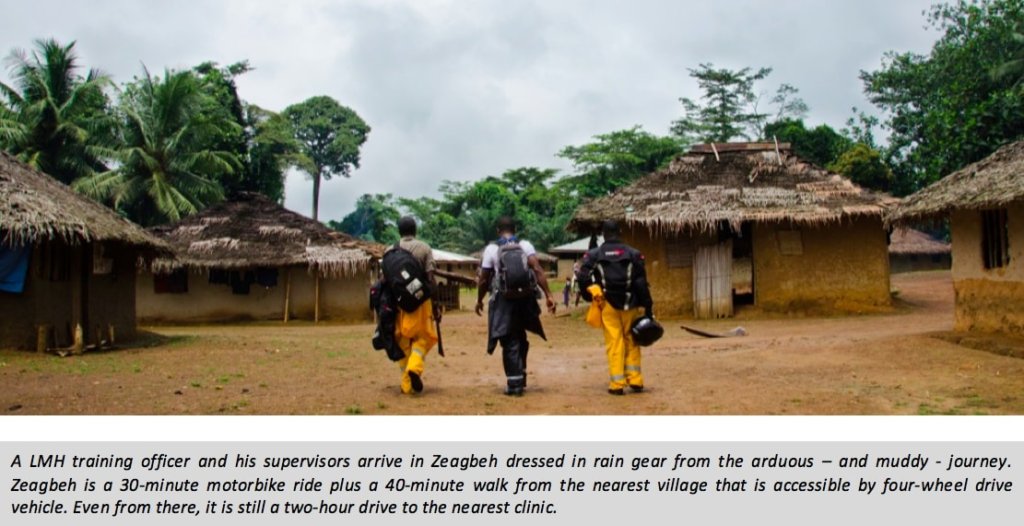
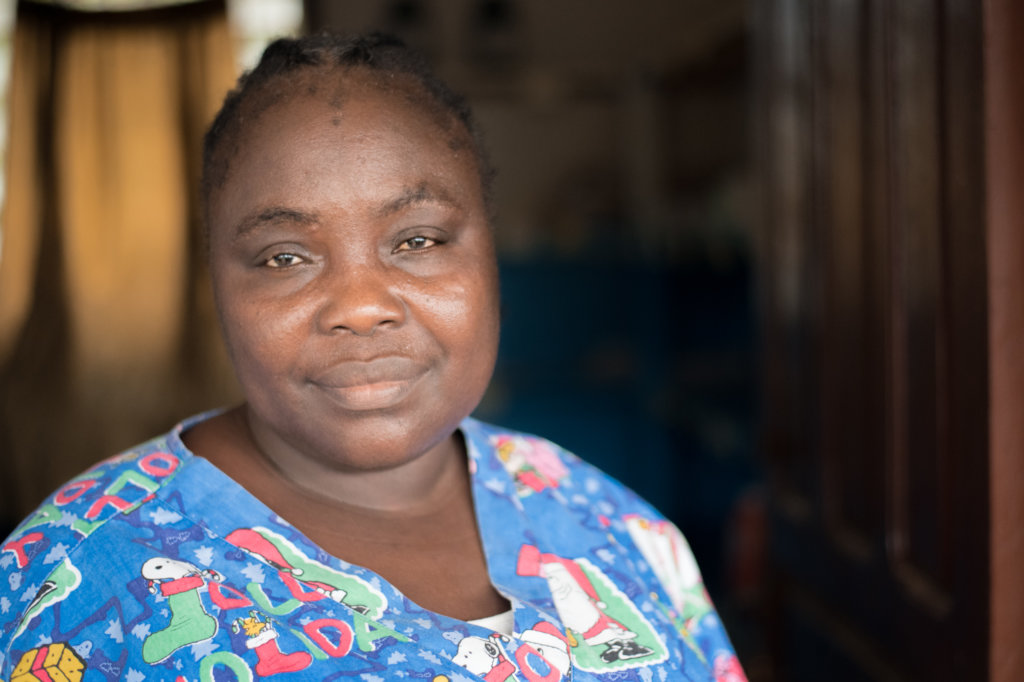
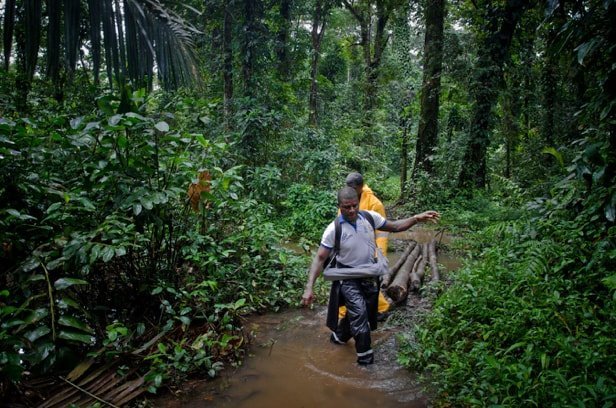
Midwife Olivia is from a remote community along the Atlantic Coast in Rivercess County, southeastern Liberia. To reach the place she was born, she has to travel many hours through dense rainforest by foot, on dirt road by motorbike, and across two rivers by canoe. The journey is long, treacherous, and costly; common across Rivercess County, which is home to some of the worst health outcomes in Liberia, including the lowest rates of full-vaccination coverage and the highest rates of acute-respiratory infection and diarrhea in children under five. For Olivia, this reality was all too apparent, with profound effect: “One year, we had four women die from child birth… there is no way to transport the people and they die from bleeding hemorrhage. In a year’s time, I saw four orphans… It went deep down in my heart. I felt sorry and I decided to go and attend the midwifery school to come and help my people. This is why I chose the work.” Olivia attended school for three years in the neighboring county of Grand Gedeh and now works at the Charlie Town Clinic in Rivercess, which serves remote communities similar to the one where she grew up.
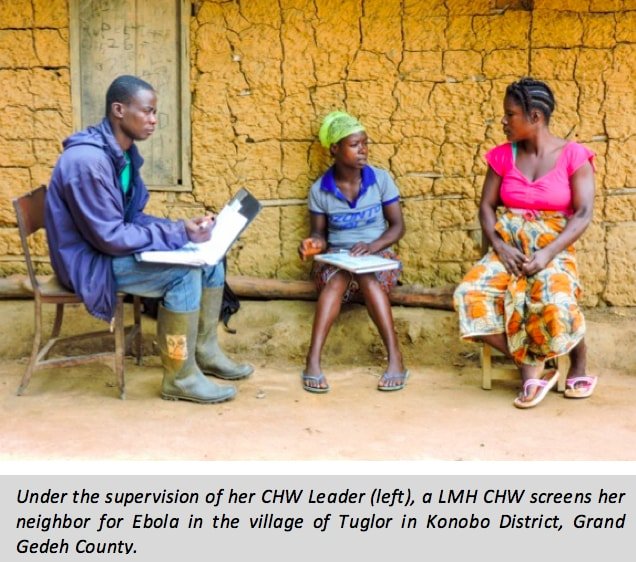
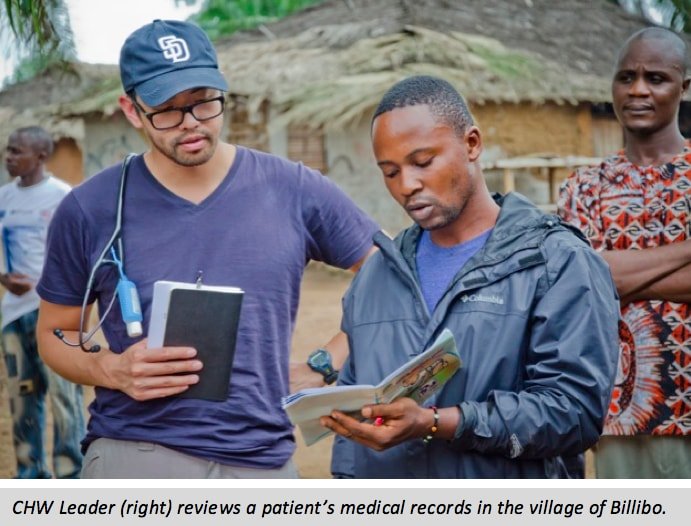
Like Olivia, Last Mile Health is motivated by the belief that women and children living in the world’s most remote areas should not be denied access to lifesaving health care due to distance. In Liberia, Last Mile Health is supporting the government to scale a groundbreaking community health workforce initiative that will extend care to all 1.2 million people living more than five kilometers from the nearest health facility by the year 2021. Since its launch in 2016, the National Community Health Assistant (CHA) Program has trained and deployed 3,000 of the 4,000 estimated community health workers needed to achieve universal health coverage across Liberia’s remote communities. These CHAs provide basic reproductive, maternal, and neonatal health care services, diagnose and treat common childhood illnesses, and support patients living with HIV/AIDS, TB, and other conditions. They can’t do this alone, but rely on support from passionate and committed, clinically trained caregivers like Olivia.
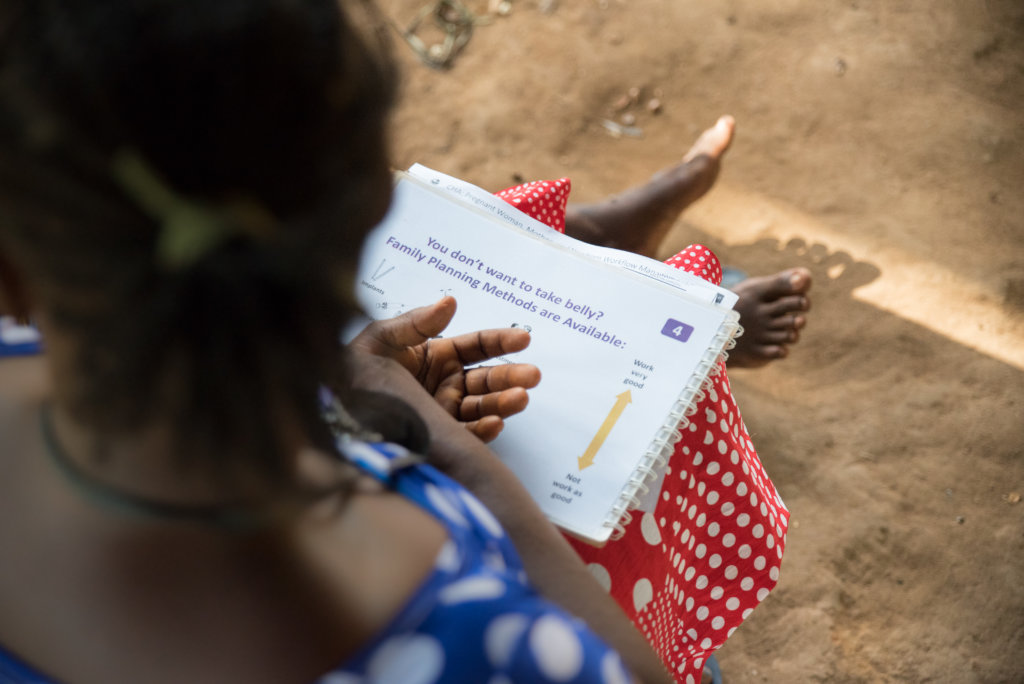
Speaking about her favorite part of the work, Olivia shares with pride examples of trust building with health workers and patients alike. “What I enjoy most about the job (is) the women. The Traditional Trained Midwives, they listen to me and don’t do home delivery. I am encouraged and I’m too happy for that. Each time they come for a meeting we talk about danger signs. Because of this, they don’t do delivery at home again. And some of the women… they are very happy now to take in the family planning. When they come, I tell them the importance of their life and to let the uterus rest. I tell them the risks and the benefits, and they listen to me…I enjoy that part.”
Project reports on GlobalGiving are posted directly to globalgiving.org by Project Leaders as they are completed, generally every 3-4 months. To protect the integrity of these documents, GlobalGiving does not alter them; therefore you may find some language or formatting issues.
If you donate to this project or have donated to this project, you can receive an email when this project posts a report. You can also subscribe for reports without donating.