By Debobroto Sircar | Assistant Manager - Wild Aid
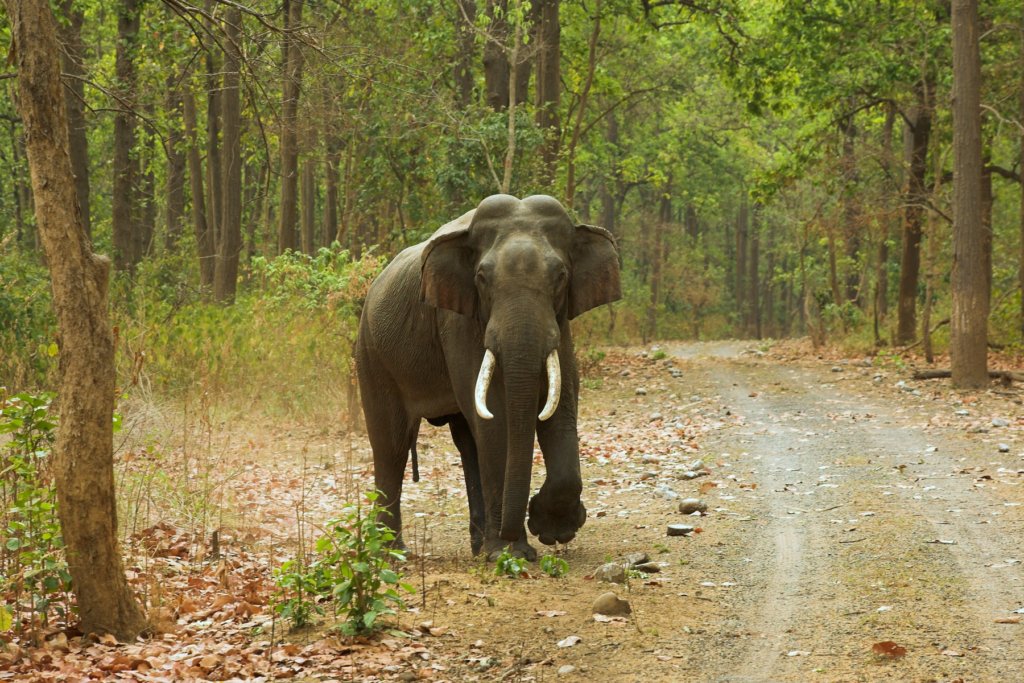
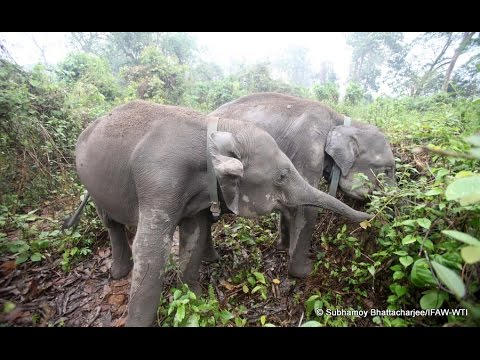
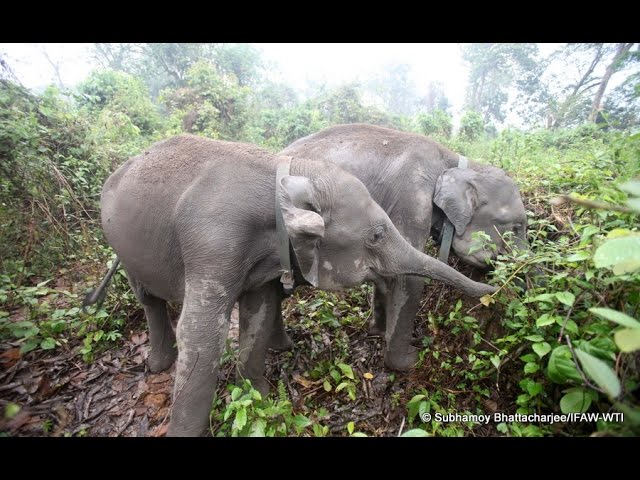
The forests of Golaghat and adjacent district of Karbi-Anglong symbolize a key landscape for elephants, represented by a number of reserve forests and sanctuaries. There are established corridors (Kalapahar-Daigurung) in the region, which the elephants use as their migratory path between patches of forests. However, in the last decade or so the area has experienced high levels of fragmentation owing to the large-scale destruction of forests, caused by expansion of agriculture lands, tea gardens, linear infrastructures, mining etc. The obliteration of their natural corridor has exposed these gentle giants to conflict with humans living along the forest fringes. Depleting resources within the forests has additionally contributed to higher levels of conflict, as herds of elephants visit these fringe villages in search of food and water. Loss of crop, property and human lives due to raiding elephants, has forced the locals to see them as a threat to their well being.
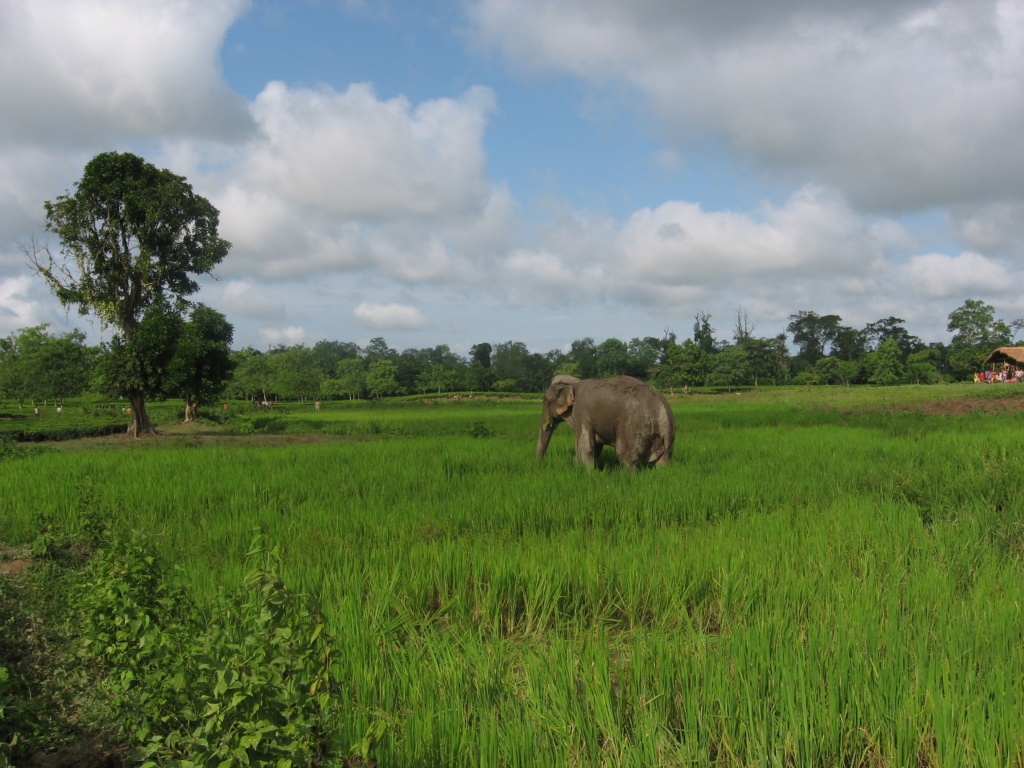
Thoramukh and Thorajan in the south west part of the Golaghat district lie in close proximity to three protected areas i.e. Nambor Doi RF, Garampani WLS, Daigurung RF and experience high levels of crop raiding cases, especially during the paddy season. As per records, the elephant herds here destroy 70-80% of the total crop produce, which puts a major economic dent on the farmers. Recently, the affected locals unanimously decided to address this issue and have plans to construct watch towers. They are also in the process of forming anti depredation squads (each squad to have 4-5 members), by engaging youths from the affected villages. However, they lack and are in need of technical guidance to carry this initiative effectively. As a result, they requested Wildlife Trust of India (WTI) to assist them in this and provide basic gears such as high powered torches for the squads, to help them drive away the crop raiding elephants from the fields.
WTI acknowledging this initiative has agreed to assist them in implementing the mitigation measures, thereby reducing crop loss and retaliatory killing of elephants. Through this endeavour, WTI also aims to showcase the effectiveness of a community driven model to mitigate HEC in the targeted region.
Project reports on GlobalGiving are posted directly to globalgiving.org by Project Leaders as they are completed, generally every 3-4 months. To protect the integrity of these documents, GlobalGiving does not alter them; therefore you may find some language or formatting issues.
If you donate to this project or have donated to this project, you can receive an email when this project posts a report. You can also subscribe for reports without donating.



Support this important cause by creating a personalized fundraising page.
Start a Fundraiser