Every rescued calf, every successful rewilding step, and every new wild-born life is a victory that belongs directly to our donor community. Your support is the very foundation that allows our teams to answer urgent rescue calls, provide specialized veterinary rehabilitation, and ultimately restore rhinos to safe, protected landscapes where they can thrive and build future generations.
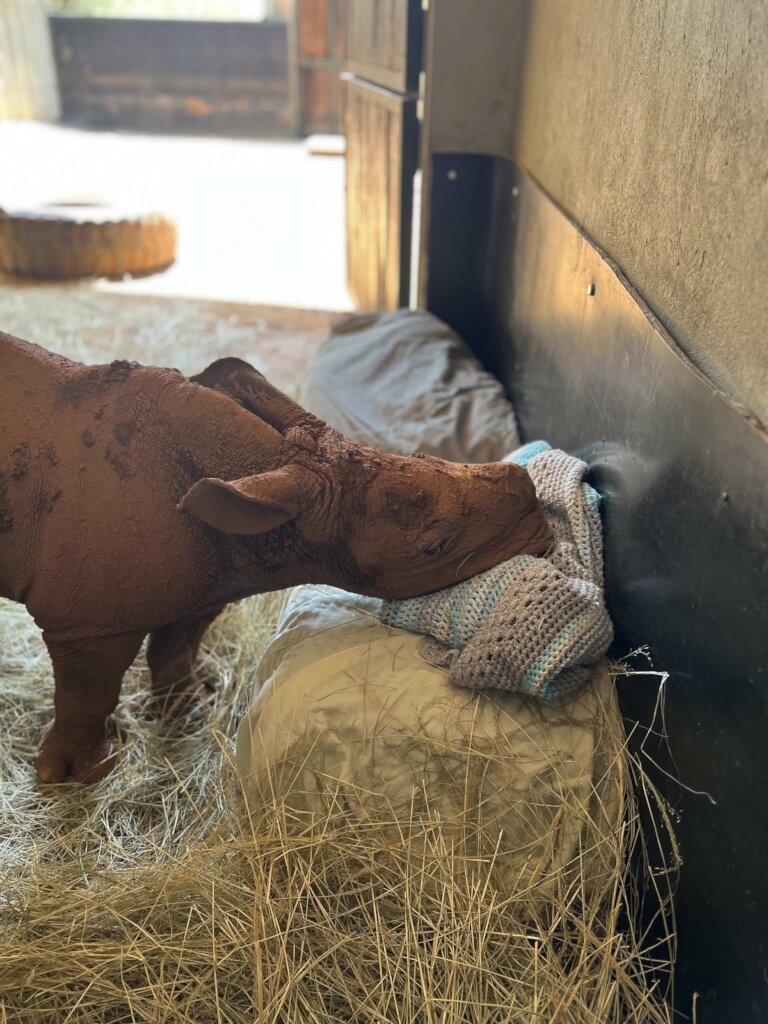
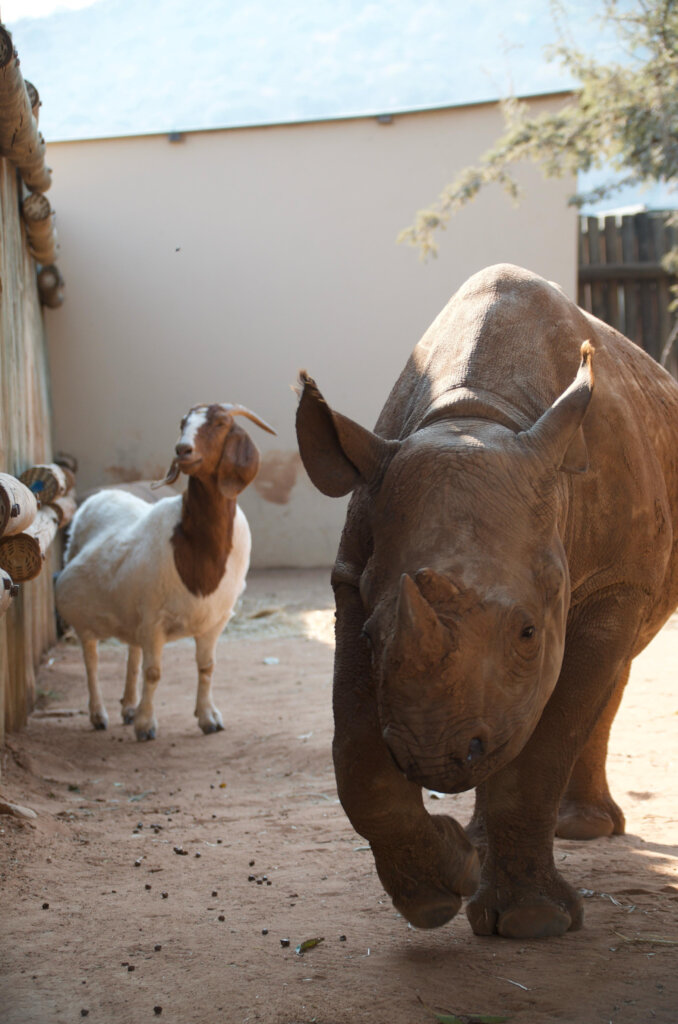
From January through to the present, your generosity enabled Care for Wild to respond to critical rescue operations across the region, bringing a total of seven rhinos into our sanctuary care. While the early months brought vulnerable calves like Wilson, Nguni, Wagyu, and Abby into high care, our teams remained ready when three more young rhinos urgently needed a lifeline. On June 3rd, our team brought in Ngala, a calf found roaming alone with no mother in sight. Because he was already too large for helicopter transport, he was moved by road to our Juvenile High Care Unit, where comforting calls from neighboring bomas helped him settle in quickly and connect with other young orphans.
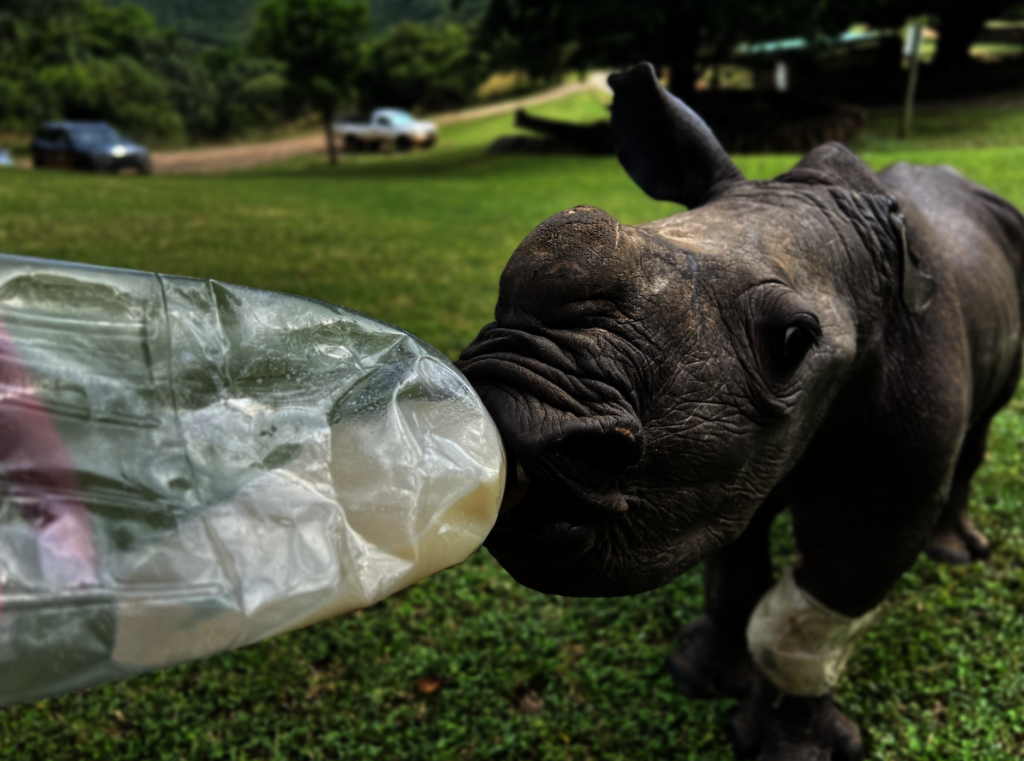
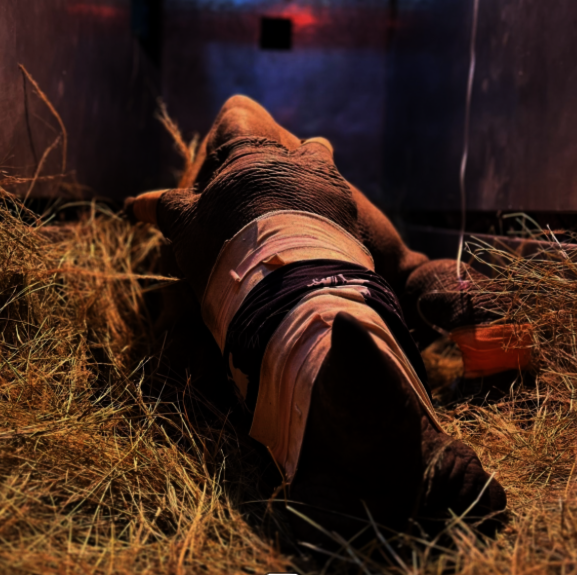
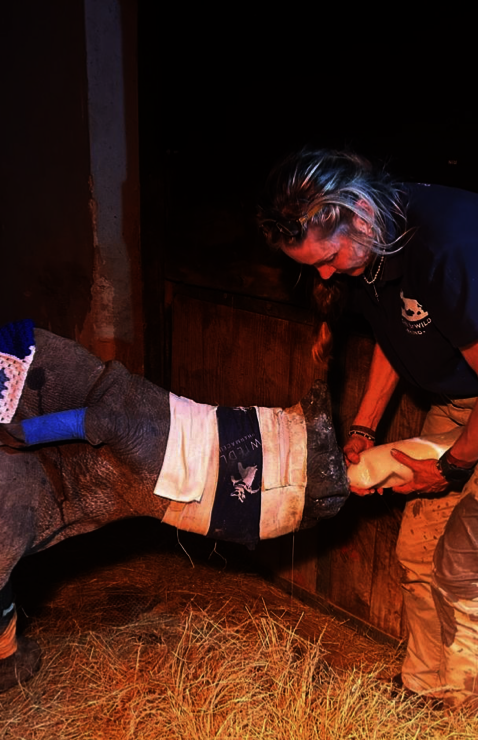
A month later, on July 8th, our team joined forces with SANParks and local wildlife transport partners for a complex 12-hour ground operation to rescue Nandi, a 16-to-18-month-old calf found standing beside her mother, who had died of natural causes in Marakele National Park. Though she initially felt overwhelmed, Nandi soon found reassurance in a young bull named Lihawu, who was rescued just days later. Lihawu arrived in an exceptionally fragile state, dangerously thin, hypothermic, and too weak to stand after surviving alone for weeks following his mother's death to poachers. Through around-the-clock intensive care, warm IV fluids, heating, and gentle syringe feedings, Lihawu reached a heartwarming turning point within 48 hours when he stood independently and drank eagerly from a bottle.
Rehabilitation at Care for Wild is always focused on returning rhinos to their natural state, and across this period, a total of 10 rhinos reached the ultimate goal of rewilding and release into protected wild areas. Once released into secure habitats, these rhinos reclaim their natural role in the landscape while helping rebuild wild, self-sustaining populations.
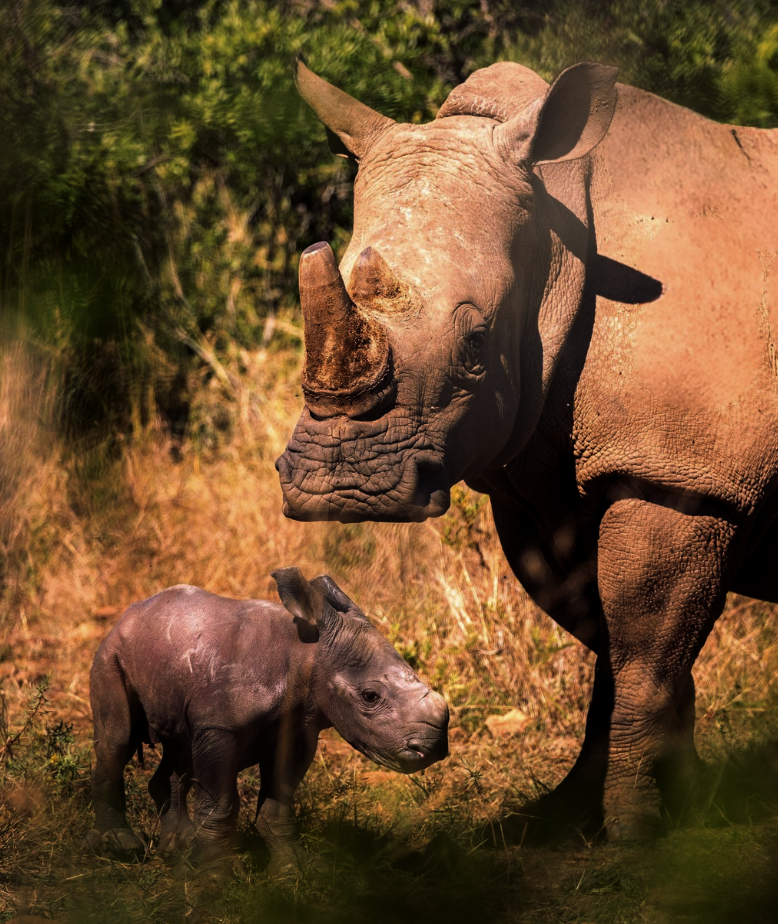
The most profound measure of long-term conservation success is seeing rewilded orphans raise their own young in the wild, and this year we have celebrated six new calves born across Care for Wild's protected populations. Among these births was a deeply moving milestone on May 17th when a rewilded female named Satara gave birth to her very first calf. Exactly 12 years prior, on March 11, 2014, seven-month-old Satara was rescued beside her poached mother as the very first white rhino orphan brought from Kruger National Park to Care for Wild. Today, the orphan who once needed saving is a mother herself, nursing her own wild calf safely under 24/7 guardian watch.
This incredible full-circle journey, from trauma to rescue, rehabilitation, release, and new life, is only possible because of your support. Thank you for standing alongside us and helping us to save rhinos.