By Pallavi Sobti Rajpal | Deputy CEO
Agriculture is the largest source of livelihoods in India. 70 percent of its rural households still depend primarily on agriculture for their livelihood, with 82 percent of farmers being small and marginal. The Coronavirus lockdown has adversely affect the agriculture sector and farmers from rural India.
Farm activities in Gujarat are at its peak between April to June as it is the kharif season. It is also the time when farmers begin sowing the rain-fed crops, such as- wheat, pulses, maize and bajri. Utthan's continuous contact with the communities brought out that many villages did not have easy access to quality sustainable seed varieties. The lockdown has created disruption in supply chain of agricultural resources like seeds, pesticide and mobility of the farm produced goods. In some villages, they need to travel far from their village to procure the seeds which becomes very risk as the mobility were restricted. Women farmers, Women headed households, pregnant women, dalits, minorities, backward castes and nomadic/denotified tribes as well as people with disabilities are the worst hit.
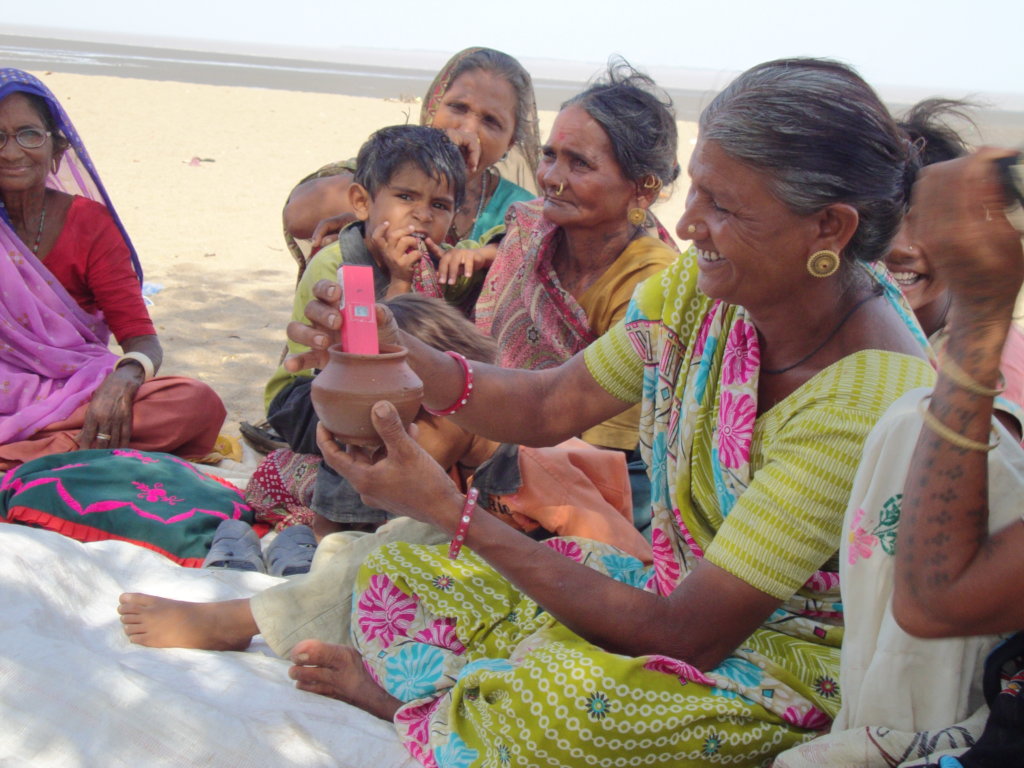
Suryaben laments that she could not keep aside any grains for seeds to sow during the monsoon this year. “Many of my family members had to return to the villages as their work in the city stopped and everything got used up.”
Like Suryaben, families whose income is dependent on a mix of labour work in agriculture, construction and fisheries have lost their only means of livelihood. NREGA works were not initiated before the third week of April in villages. Return of reverse migrants to their native villages has increased the demand of food among these families. For few families, the situation was so adverse that to fulfil families’ requirements of food, they had to take loan with the support of Women’s federation for household consumption. They didn’t have money to purchase local variety of seeds for upcoming Kharif season.
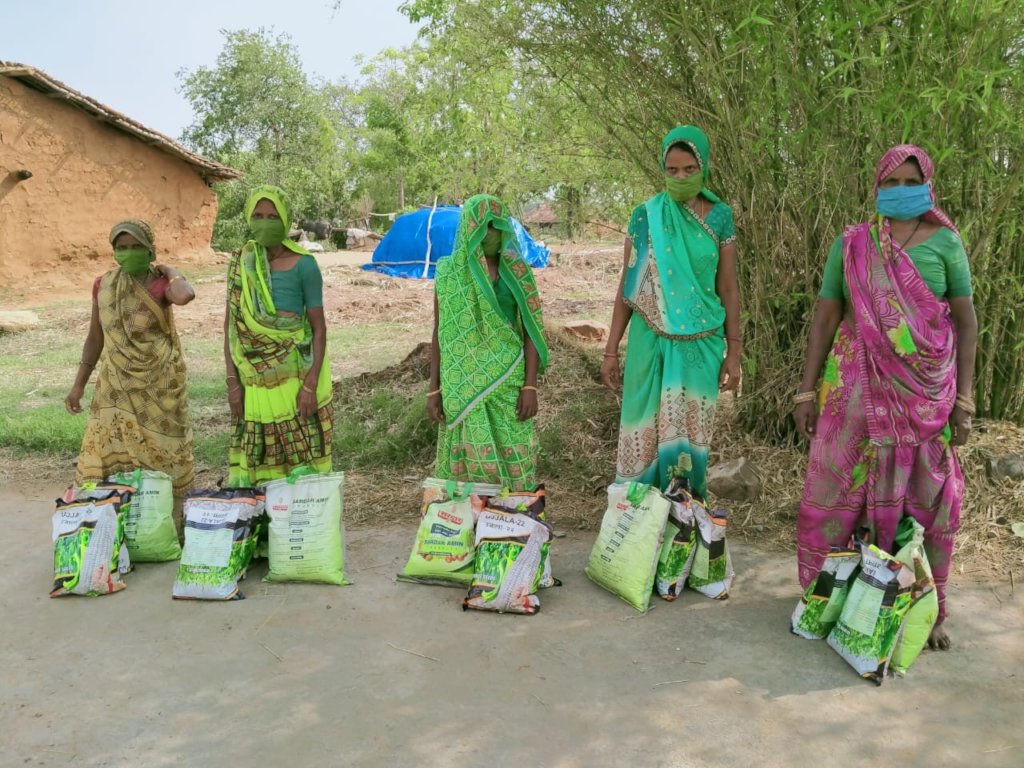
In response to this crisis, Kharif Kits (Seeds for monsson sowing) were distributed to 1197 families across 55 villages, 684 in coastal areas and 513 in tribal area. Villages were selected from existing area of intervention where Utthan’s has direct or indirect presence. Small and marginal farmers and reverse migrant were selected for Khari Kit support. In selection of relief partners, preference was given to single women, women headed households and families having members with disabilities.
Dear GlobalGiving Community: Theres lots more to do...
PEOPLE IN NEED HAVE MULTIPLIED, WE REALLY NEED SUPPORTERS TO MULTIPLY TOO!
Links:
By Pallavi Sobti Rajpal | Manager, Gender & OD
By Pallavi Sobti Rajpal | Manager, Gender & OD
Project reports on GlobalGiving are posted directly to globalgiving.org by Project Leaders as they are completed, generally every 3-4 months. To protect the integrity of these documents, GlobalGiving does not alter them; therefore you may find some language or formatting issues.
If you donate to this project or have donated to this project, you can receive an email when this project posts a report. You can also subscribe for reports without donating.