By Akhilesh Tewari | Project Leader
Living a life is slum is tough.Girls and women in slums suffer twice-firstly due to gender disparities & mindsets deep rooted in social norms and behaviour prevailing in the society and secondly due to deprivations and limited access to basic facilities existing in slums.This is story of Soni living in Choti Jugauli, Soni’s father, Becha Lal, died when she was 6 years old. The condition of the family deteriorated since then. Soni left her studies after class 10th, remained untidy, no sense of clothing and having no charm in leading an ordinary life. The family was thinking of getting her married. In the mean time Saloni Project was launched and she joined the Adolescent Girls Group (AGG) in 2012 when she was 16 years old. This decision of hers proved to be the Turning point in her life. Soni, in the AGG, started to take interest on various issues like, education, health, nutrition etc. She interacts freely with her family and peers and above all she now started to think of continuing her studies. Soni is pursuing her Graduation. Now she understands the importance of an educated girl and the independence it brings about. She has convinced her mother to postpone her marriage till she completes her studies and start working. Seeing Soni’s interest her mother supports in studies and respects her decisions.
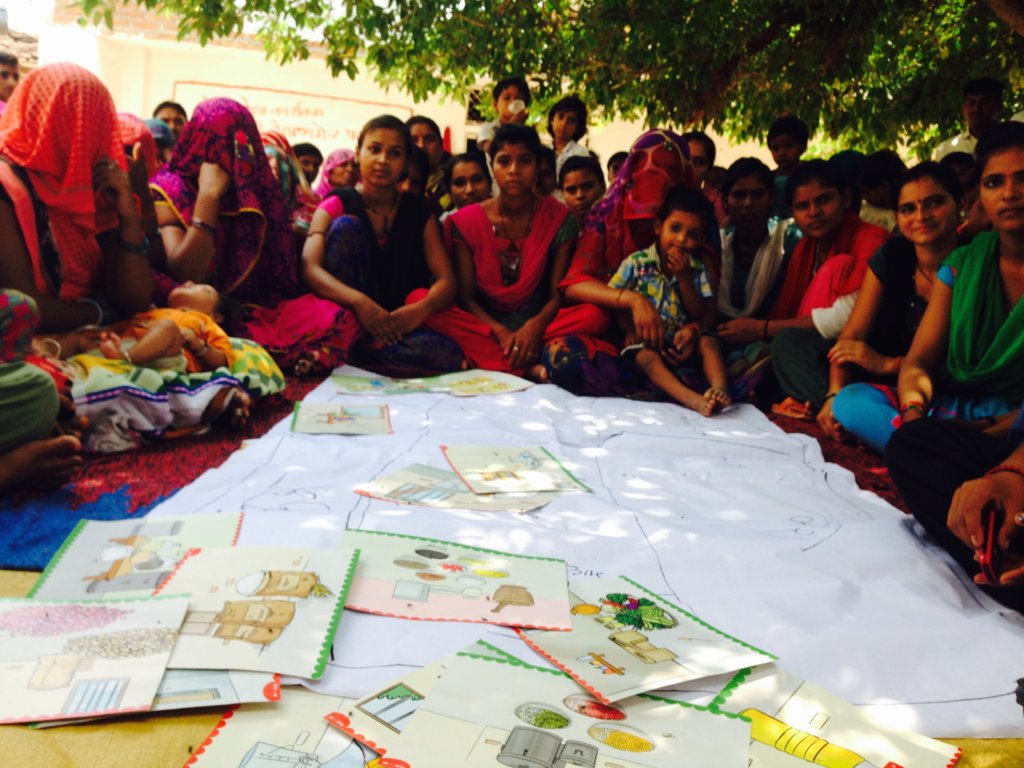
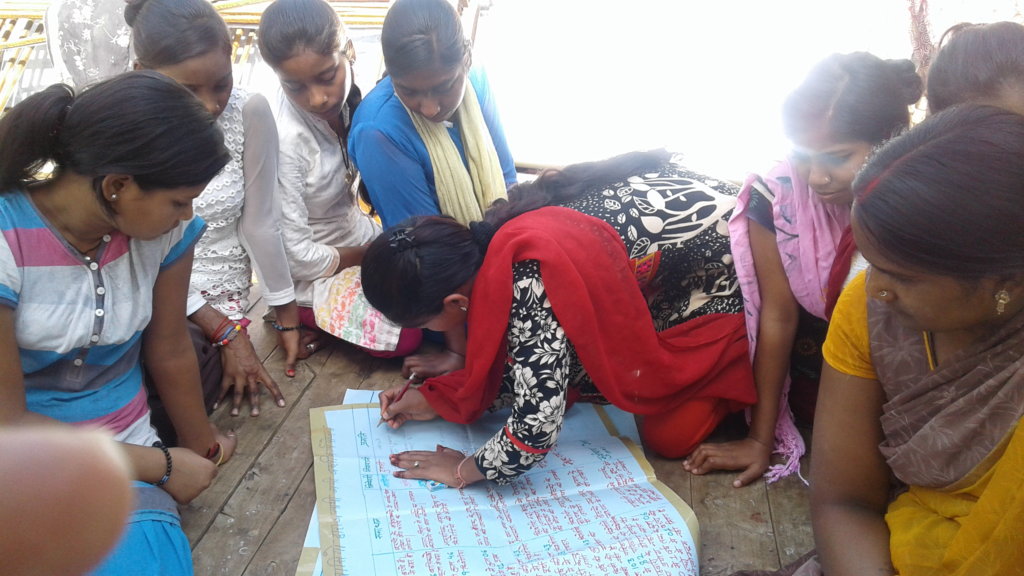
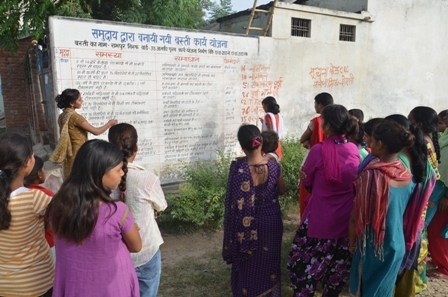
Saloni Project is a community based model being implemented to empower adolescent girls in slums of Lucknow. It evolved strategies to facilitate adolescent girl’s friendly programming, community support systems, behaviour change communication systems and main streaming with public systems. It engages adolescents girls, their families, community, government service providers through slum level micro planning, behaviour change communication, skill development and community volunteers. One of the major strength developed under the project keeping sustainability of the impact in view is community volunteers developed in each of the slums. Four to five community volunteers in each of the 100 slums have been developed. Adolescent girls, youths and women representing different social groups are selected by the community as volunteers.. Sarathi builds their capacities through:-foundation training, engagement in community level processes like mobilisation, micro planning, behaviour change communication, interface meetings with government service providers and feedback collection and review of community action plan. They have witnessed increase in their confidence, skills & abilities, mobility, participation, relationship, networking leading to better quality of life, access opportunities, entrepreneurship, and livelihood opportunities. These community volunteers are facilitating adolescent girls, their parents, wider community and other service providers to bring the impact.
Trajectory of empowerment among adolescent girls covered under the project is emerging like:-mobilised into groups, participating in identification of their needs & developing solutions, going back to schools, continuing education, influencing behaviours & decisions, attaining life skills and vocation skills to build their life. Impact indicators set at start of the project related to adolescent girls and community specific issues related to empowerment skills & abilities like participation, communication, self advocacy, decision making, life skills, vocational skills for their positioning and basic needs & rights like protection from violence, no child & forced marriage, education, health, nutrition, water, sanitation, hygiene for improving their conditions. Project has demonstrated favourable results on these indicators:-90% girls are completing their education upto 12th standard, marriage before their legal age of 18 years has almost stopped, mobility of girls is expanded, vocational training agencies are coming forward and parents are enrolling adolescent girls for vocational courses, use of safe hygiene practices like sanitary pads by adolescent girls has increased. Sarathi has also identified agencies like regional science centres, vocational training institutes, banks for exposure and vocational skill development.
Also Please visit the link http://feedbacklabs.org/blog/3tt-community-cooperation-and-convergence/
Project reports on GlobalGiving are posted directly to globalgiving.org by Project Leaders as they are completed, generally every 3-4 months. To protect the integrity of these documents, GlobalGiving does not alter them; therefore you may find some language or formatting issues.
If you donate to this project or have donated to this project, you can receive an email when this project posts a report. You can also subscribe for reports without donating.