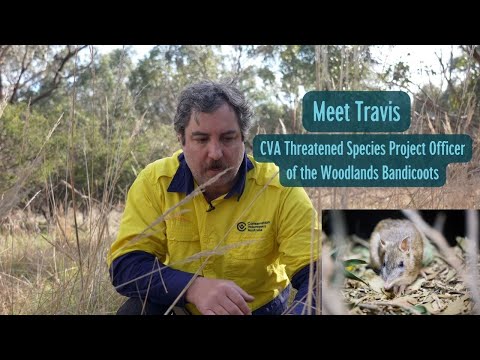
By Travis Scicchitano | Threatened Species Officer
In very exciting news this is the first time we have completed our two biannual monitoring sessions within one calendar year since pre covid disruptions!
It will be great to see this continue to gather better quality research into how Woodlands bandicoots are faring. In May earlier this year we were using our old 100m by 100m grid pattern across the entire enclosure. This time round after extensive research the woodlands site is now running a cluster formation. So instead of 4 traps per hectare there is now 9 traps. It also has large gaps between the new clusters with no traps. The reason for this is to try to catch more female bandicoots. As the females have a much smaller travel range than the males we can often get a male bias when trapping.
Rather than potentially catching one male in a trap we now have eight other traps in that area to pick up the females. Another reason for the cluster design is to gather more accurate information on how far they travel looking for possible breeding mates or food. Before they would regularly be caught in and around the first trap they were caught in. The other bonus is stopping bi catch issues with our brushtail possums.
As they are awake up to 2 hours earlier than the bandicoots they would often set off multiple traps and get caught themselves therefore leaving no chance of catching our target species. Now if we catch a possum there are still many traps left over to potentially grab a bandicoot as well.
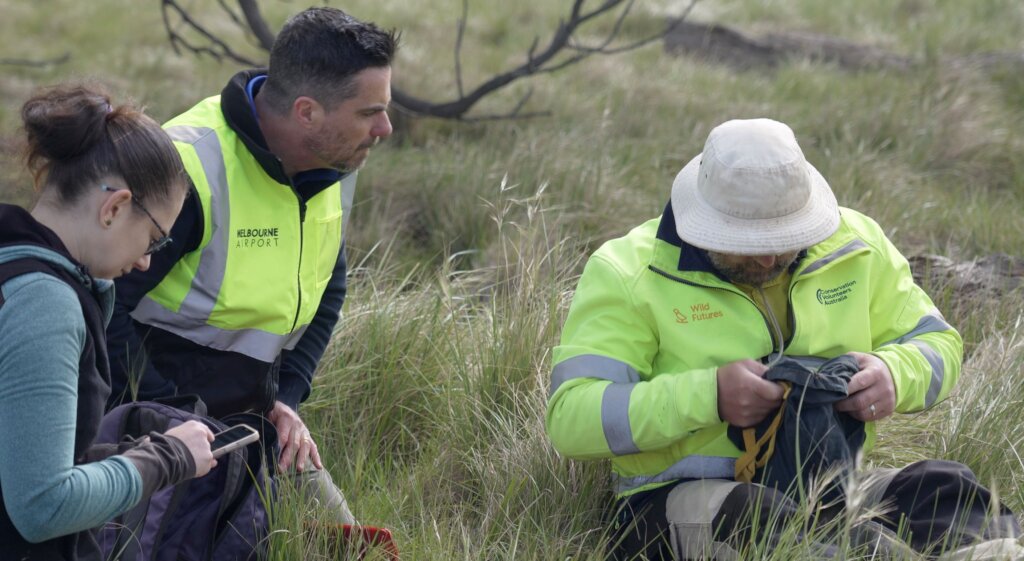
This was the first time trapping the brand new clustered grid design, so we weren’t sure what we would catch as we reduced the number of traps from a whopping 232, to just 90 traps set each day. This was also the first time we have trapped in spring since October 2018!
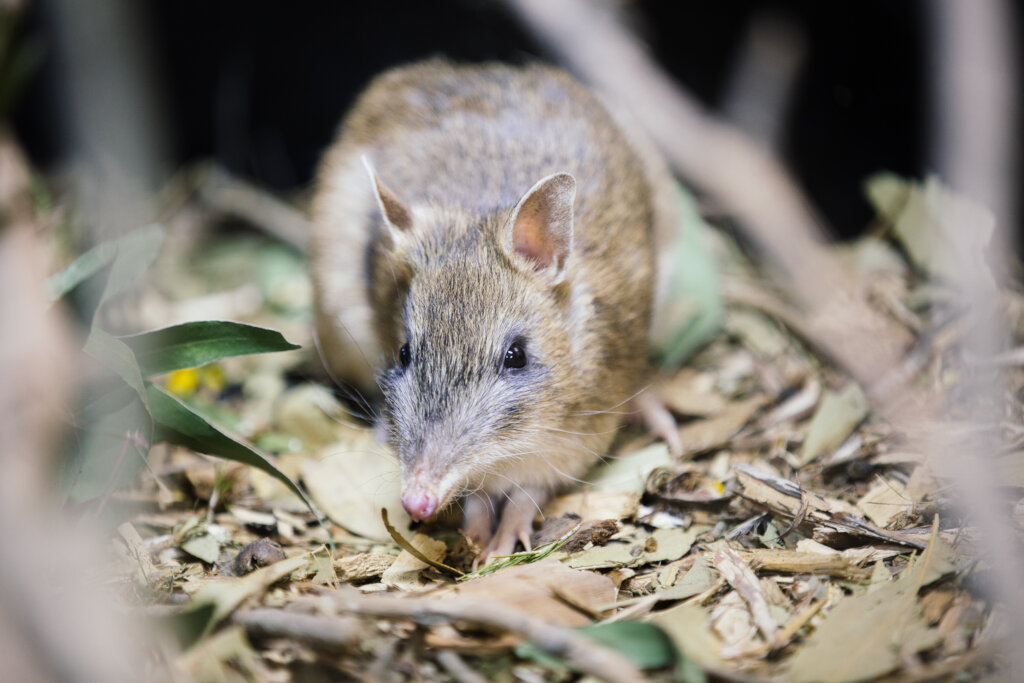
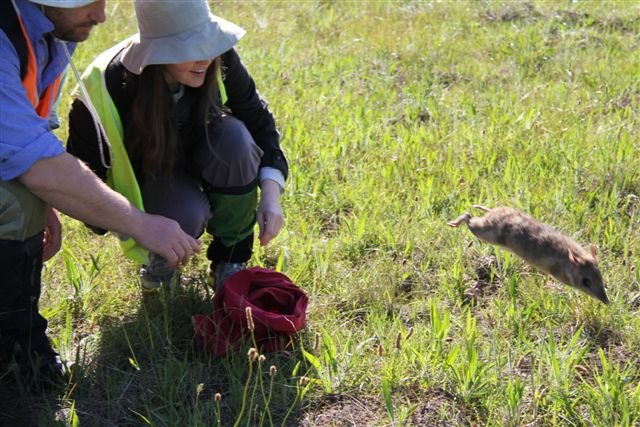
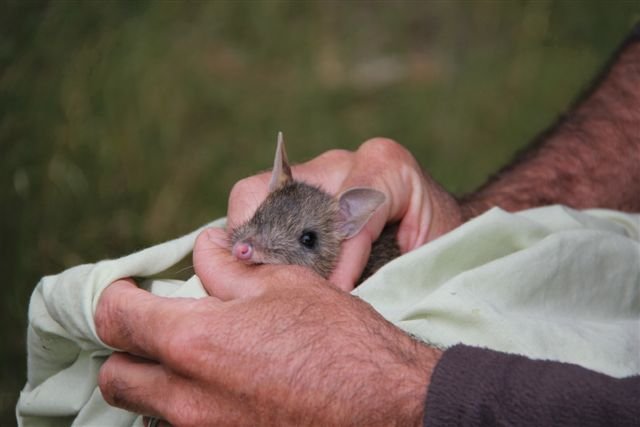
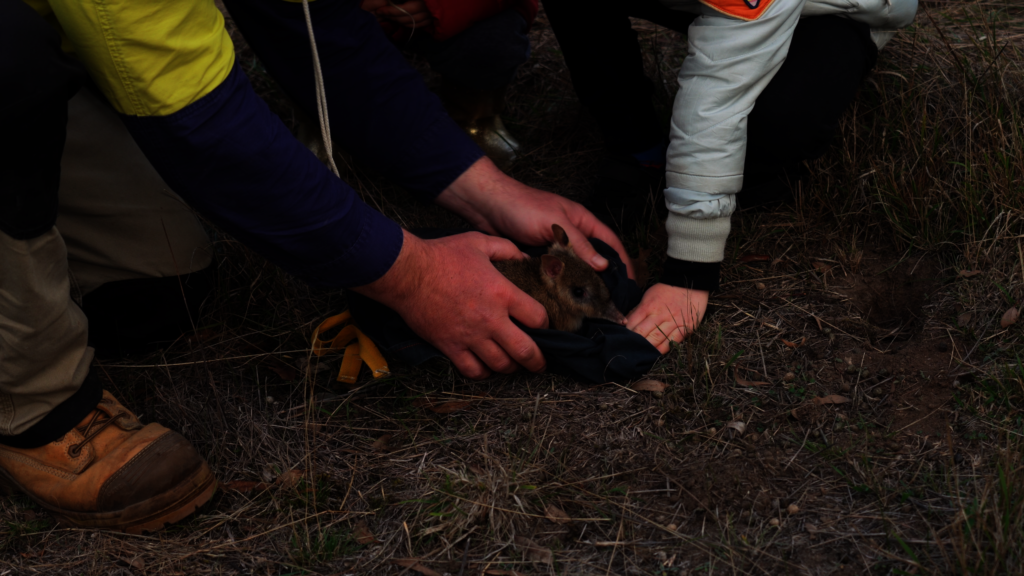
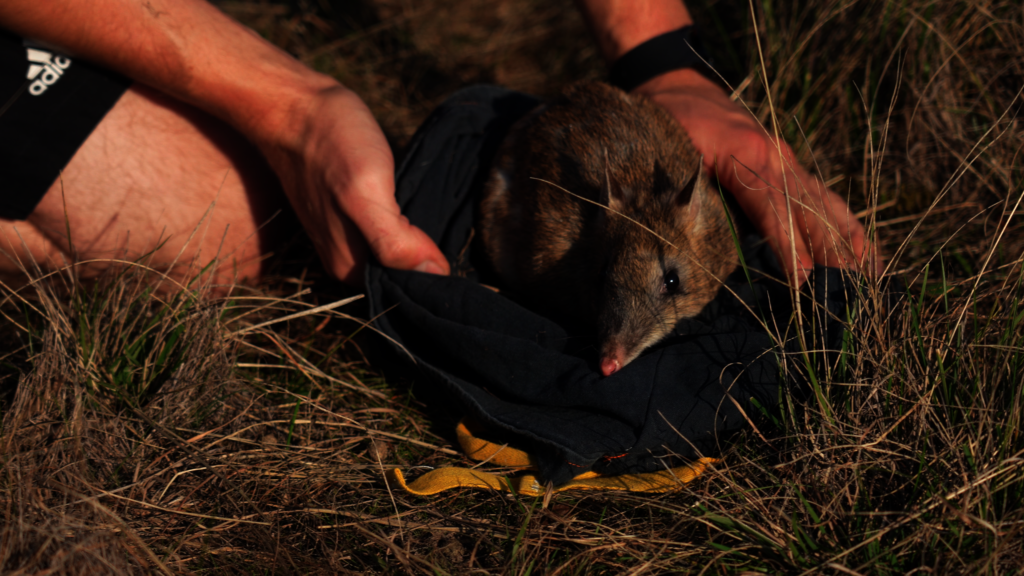
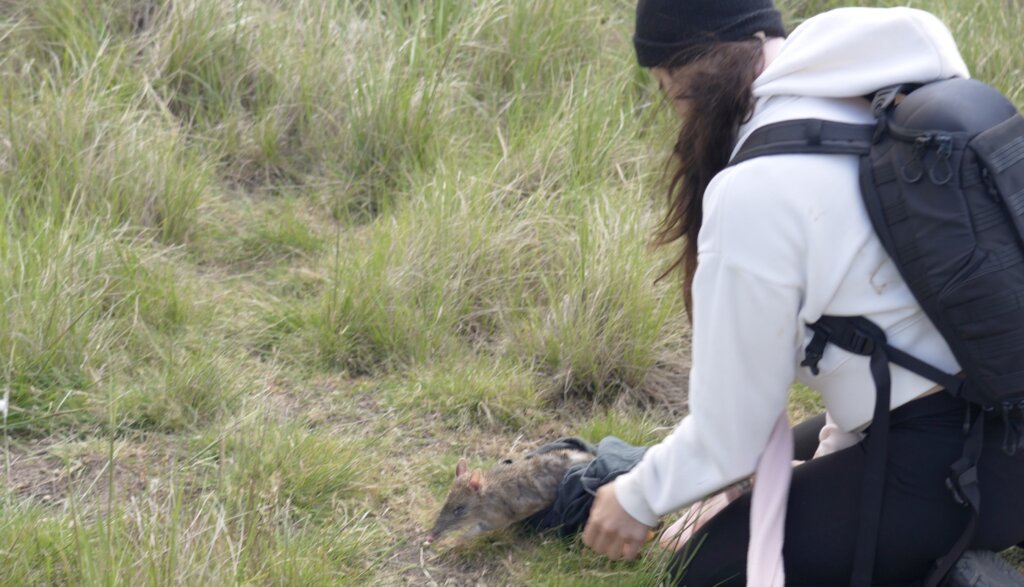
In total we caught 33 individual EBBs (19 male: 14 female) with 23 of these being cleanskins (animals that haven’t been caught before). Of the females caught, 64% of them had pouch young.
In comparison, in May 2024 when we last trapped the supersized 232 trap grid, we caught 43 EBBs (29 male: 14 female). So that’s a 6% trap success rate in May 2024 and a 12% trap success rate in October!
This is a fantastic result and I think we all agree that the new cluster trap design is fantastic. It will take a few traps to start gathering bulk information but we are off to a wonderful start.
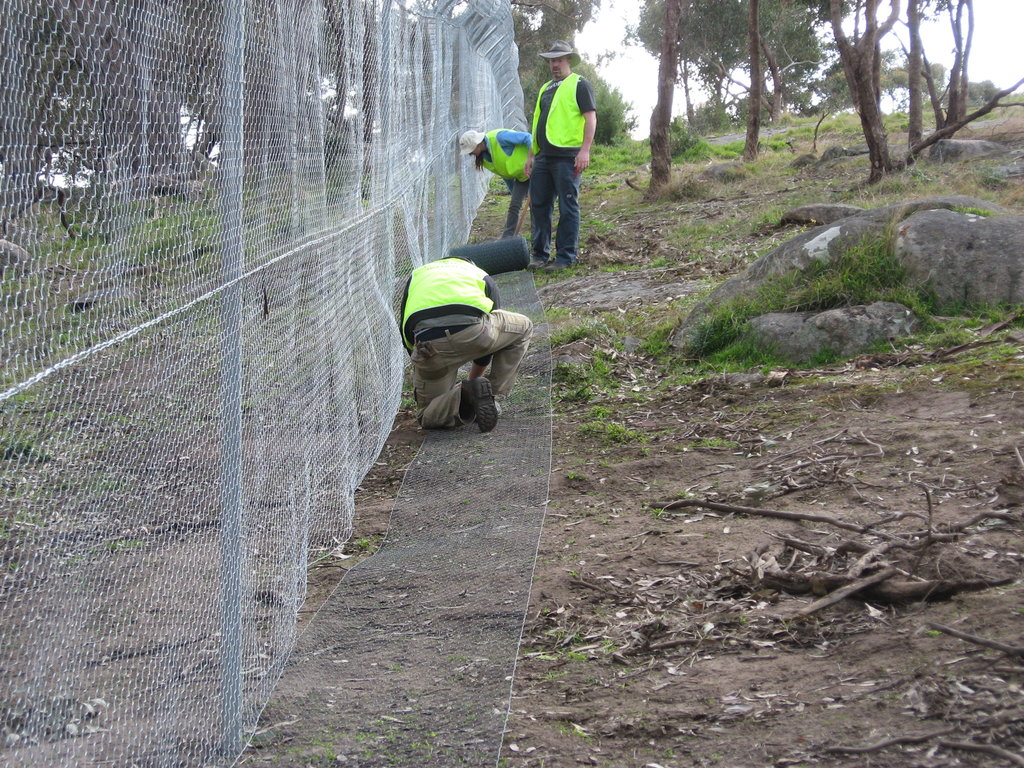
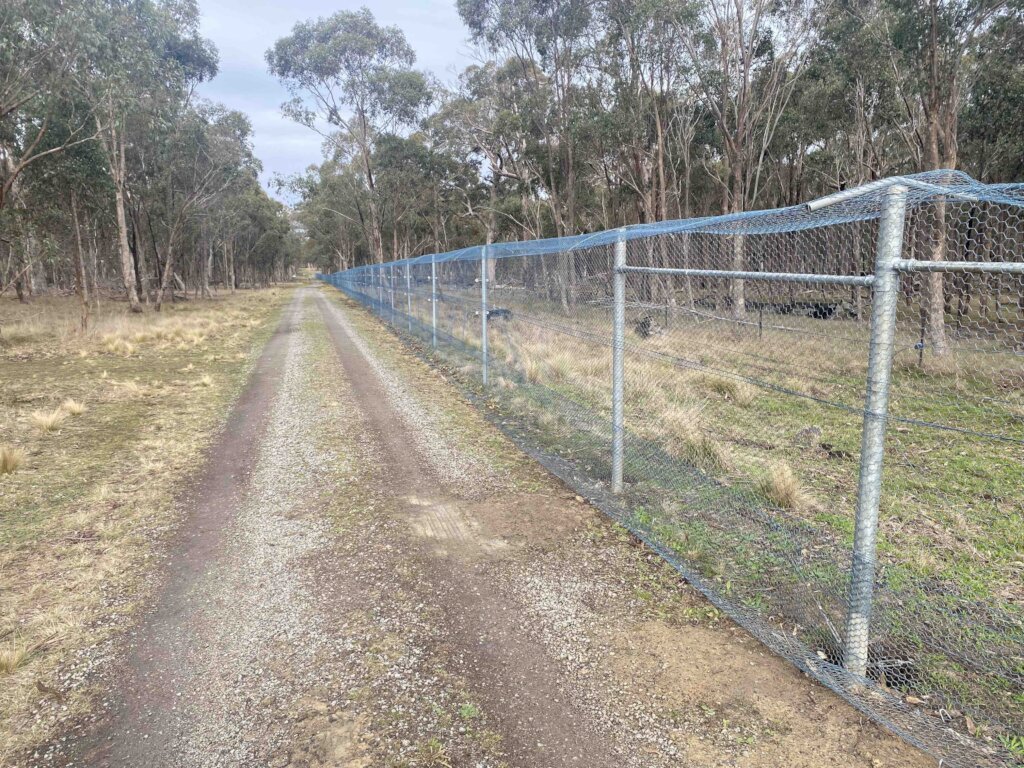
On the new predator fence construction mentioned in the last report we are gathering steam and have nearly completed the fence. The entire fence is now up and we are just doing the minor tweaks, clipping it all together and gates etc. This is quite a slow and fiddleyprocess but the end is now in site.
Project reports on GlobalGiving are posted directly to globalgiving.org by Project Leaders as they are completed, generally every 3-4 months. To protect the integrity of these documents, GlobalGiving does not alter them; therefore you may find some language or formatting issues.
If you donate to this project or have donated to this project, you can receive an email when this project posts a report. You can also subscribe for reports without donating.



Support this important cause by creating a personalized fundraising page.
Start a Fundraiser