By Jackie G. Gibbons | Community Outreach Manager
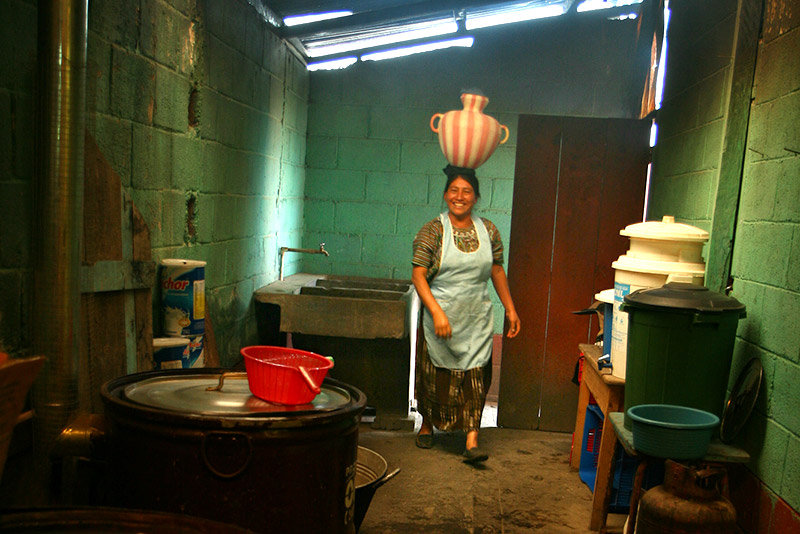
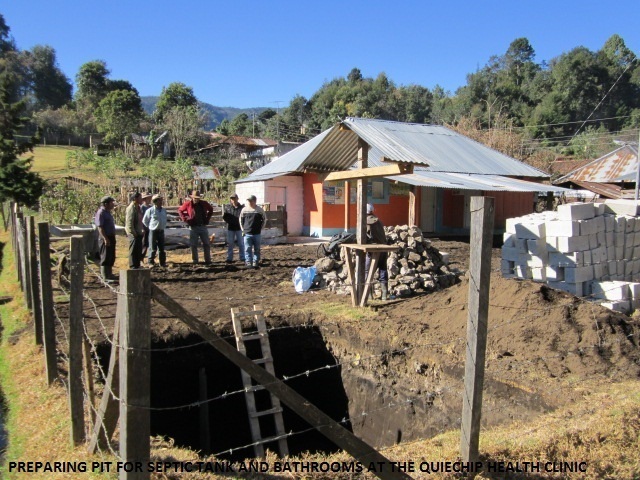
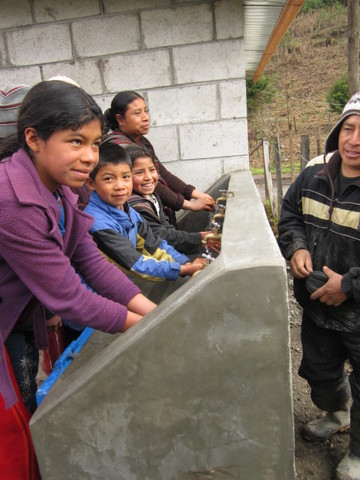
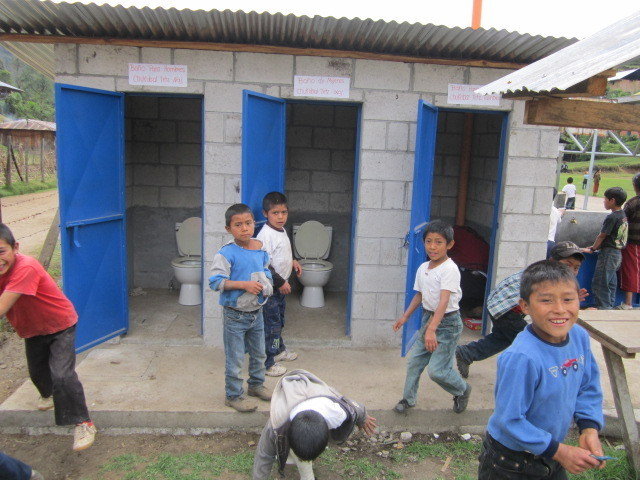
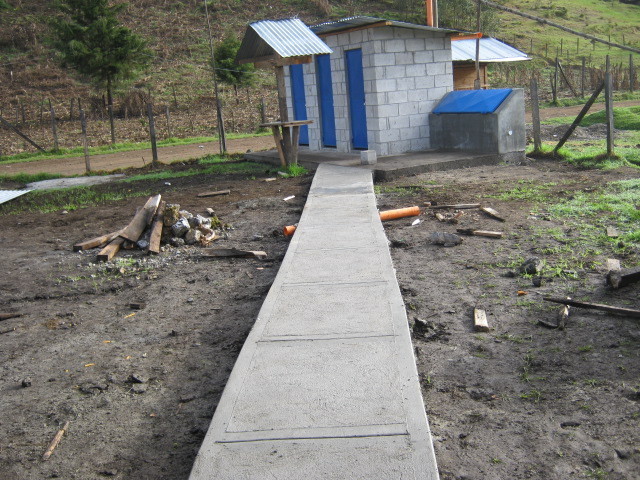
APLS focuses on improving health and sanitation facilities in the underserved health clinics in four very rural villages of Xepiun, Vipecbalam, Quechip and Tujolom in Ixil region of western Guatemala highlands. Previously, these clinics lacked basic sanitation infrastructure, forcing residents to rely on their rudimentary home resources. In developed nations, it is hard to imagine not being able to wash your hands before entering into a doctor's office. APLS built, for each clinic, the much needed hand-washing stations, septic systems, bathrooms and sidewalks --immensely helpful in the wet season, and often overlooked.
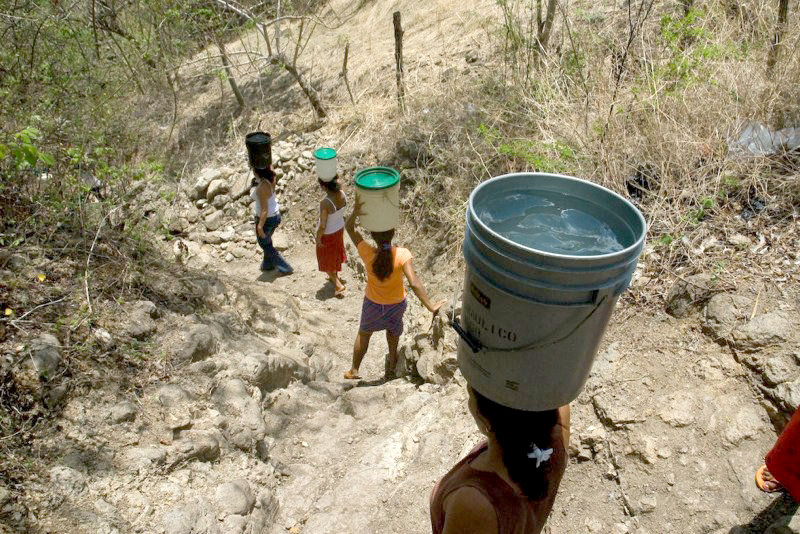
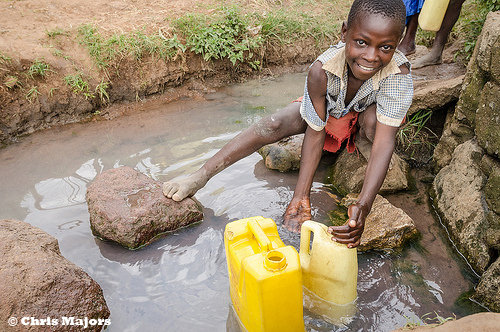
The impact of APLS projects has been huge. UNICEF estimates that diarrhea diseases are responsible for claiming the lives of 1.1 million children globally every year. According to Inter-American Development Bank, the water and sanitation sector in Guatemala is characterized by low coverage, poor quality services, and deteriorating physical assets related to a need for increased investments in basic infrastructures. Population growth, agricultural expansion, unevenly distributed services, and polluted sources have contributed to the inability of citizens to access adequate amounts of clean water and basic sanitation.
Agua Para La Salud is working to remedy these limitations, working directly with the rural communities in dire need to save lives and build healthier and brighter futures for thousands of families and children in the hardest to reach areas of Guatemala. Approximately 2,562 people now have access to the hand-washing stations and clean water thanks to APLS. APLS' health clinics are self-sustaining and community-led; taking the strain off the national hospitals in the nearby municipality of Nebaj.
***********
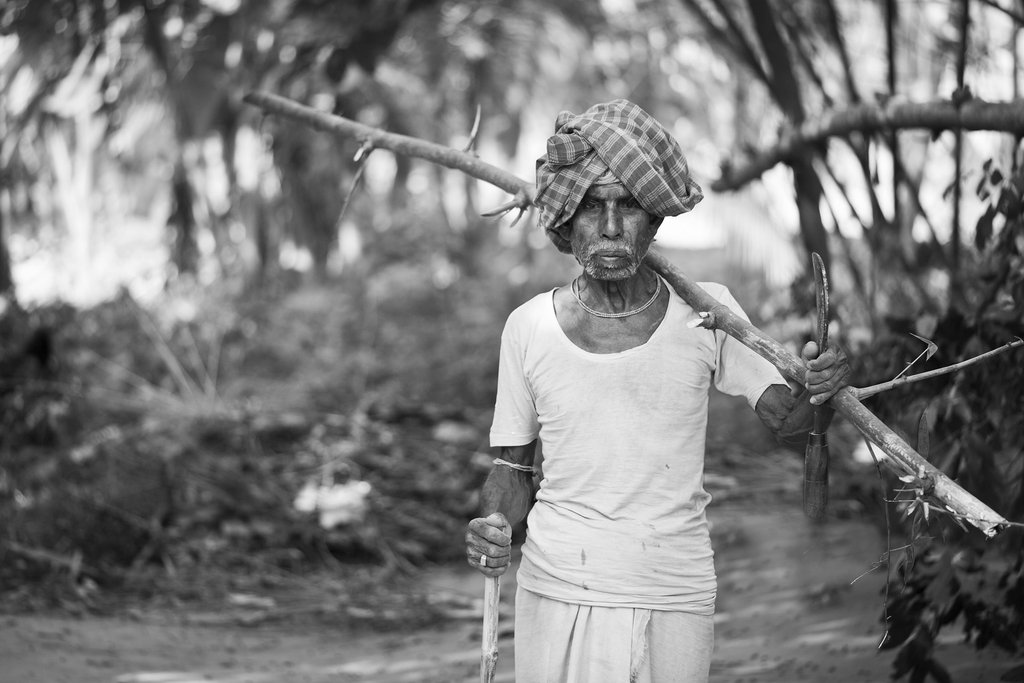
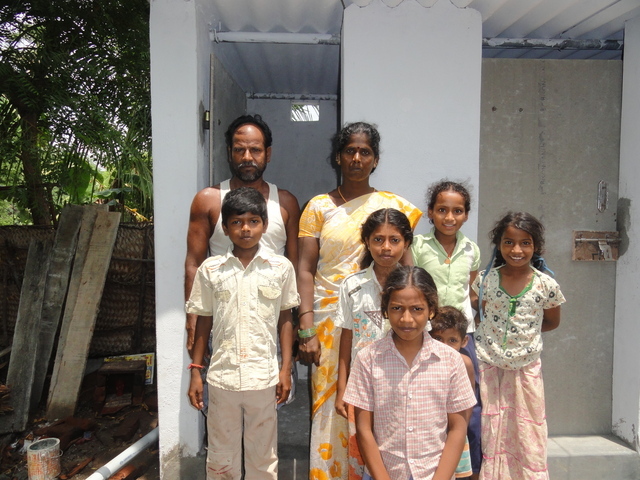
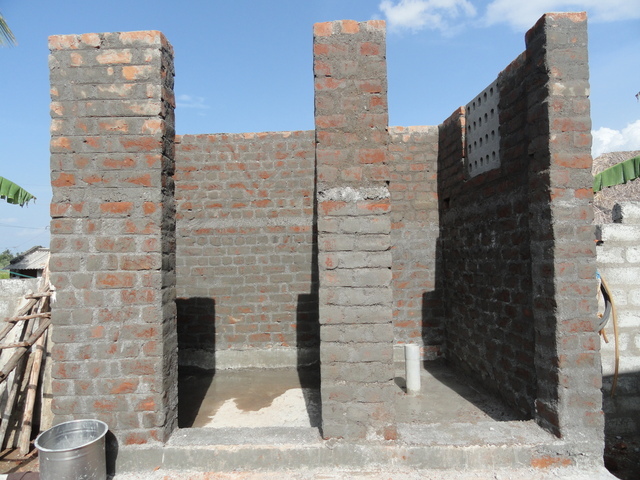
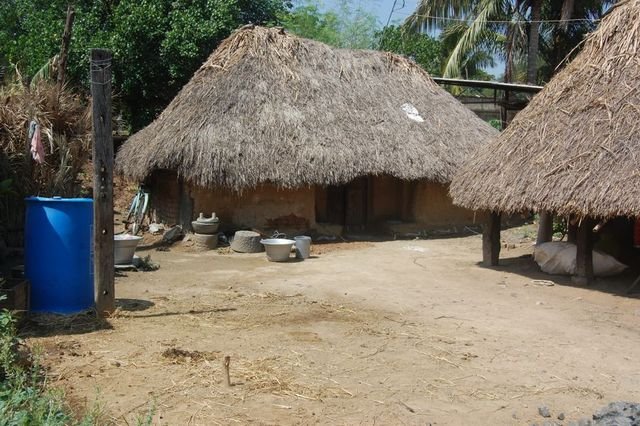
Palmyra is quick to SMS update on its project profile page of construction stages, factors that may delay prospective work, impact evaluations, and more. Most recently Palmyra has submitted notes for the Sanitation Facility of Endiyur Village of Marakkanam Block of Villupuram District, Tamil Nadu, India. These maintenance indicators couldn't be more important.
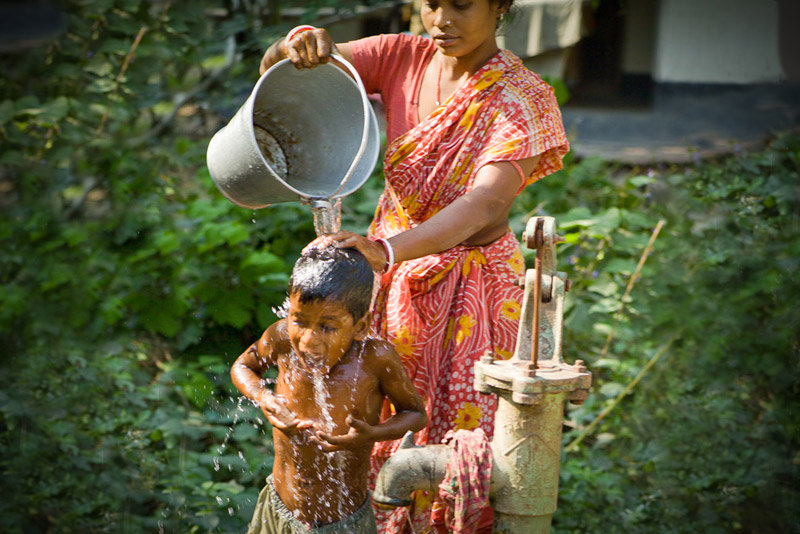
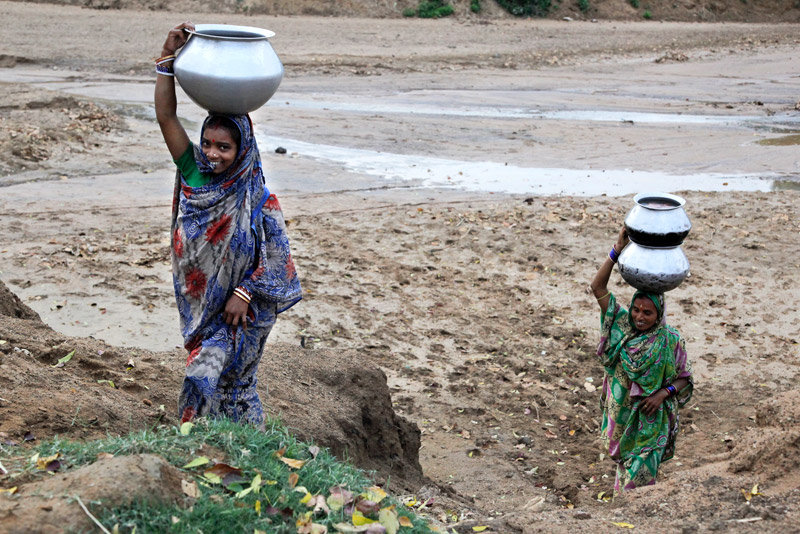
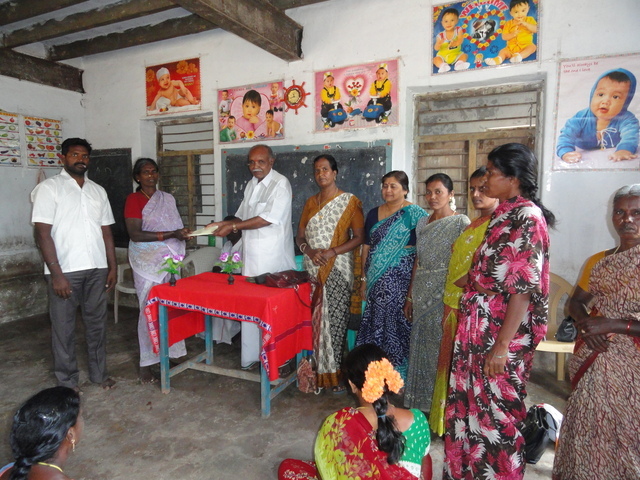
Palmyra's project has done much more than build 25 new toilet facilities for Endiyur. Palmyra has held training programs to foster learning of key community personnel, namely women groups to become self-help groups for Endiyur for years to come. These self-help groups proved to Palmyra that intimate knowledge of the local environment can significantly contribute to sustainable water project designs. For example, local beneficiaries were able to identify Palmyra's original design for Endiyur as flawed. The first design did not include both showers and toilets. It was determined, however, that combining the two could help rid the community of water stagnation near homes which is a breeding place for mosquitos which often cause malaria and dengue fever in the area.
Women quickly became integral to the planning, design, construction, operation, allocation and management of funds for Endiyur's sanitation projects. The empowerment attained through these new leadership and managerial skills is directly responsible for women contributing more to the economy; further lifting the village out of poverty. This sanitation project is a true example of how safe drinking water and sanitation is at the center of health, happiness and opportunity.
Blue Planet Network is proud to feature Palmyra and its work across rural communities in southern India.
***********
Links:
Project reports on GlobalGiving are posted directly to globalgiving.org by Project Leaders as they are completed, generally every 3-4 months. To protect the integrity of these documents, GlobalGiving does not alter them; therefore you may find some language or formatting issues.
If you donate to this project or have donated to this project, you can receive an email when this project posts a report. You can also subscribe for reports without donating.