By Marleny Arango | Project monitoring manager
PROGRESS REPORT
PROJECT 70629
BACKGROUND
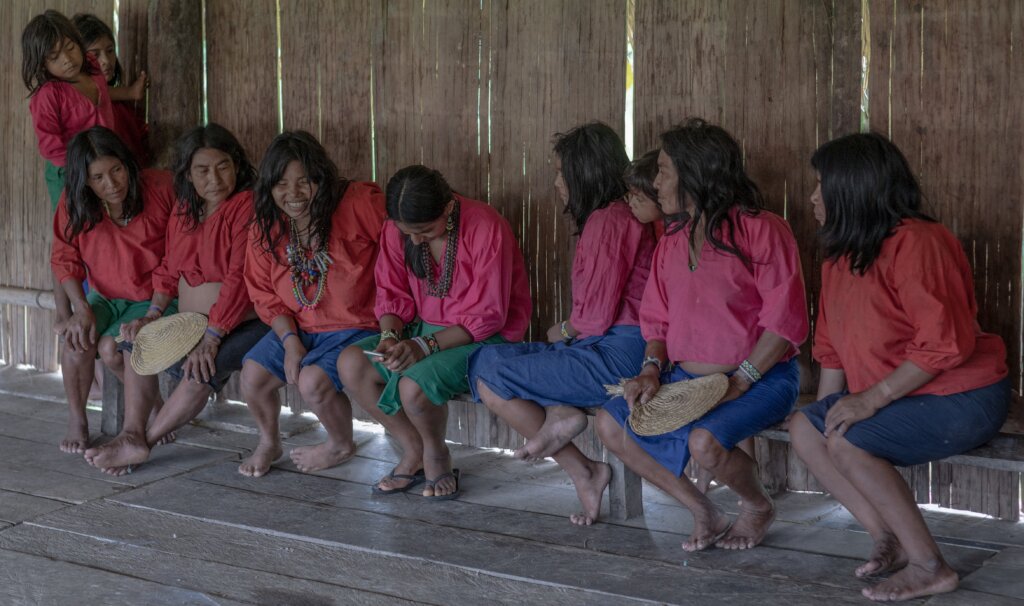
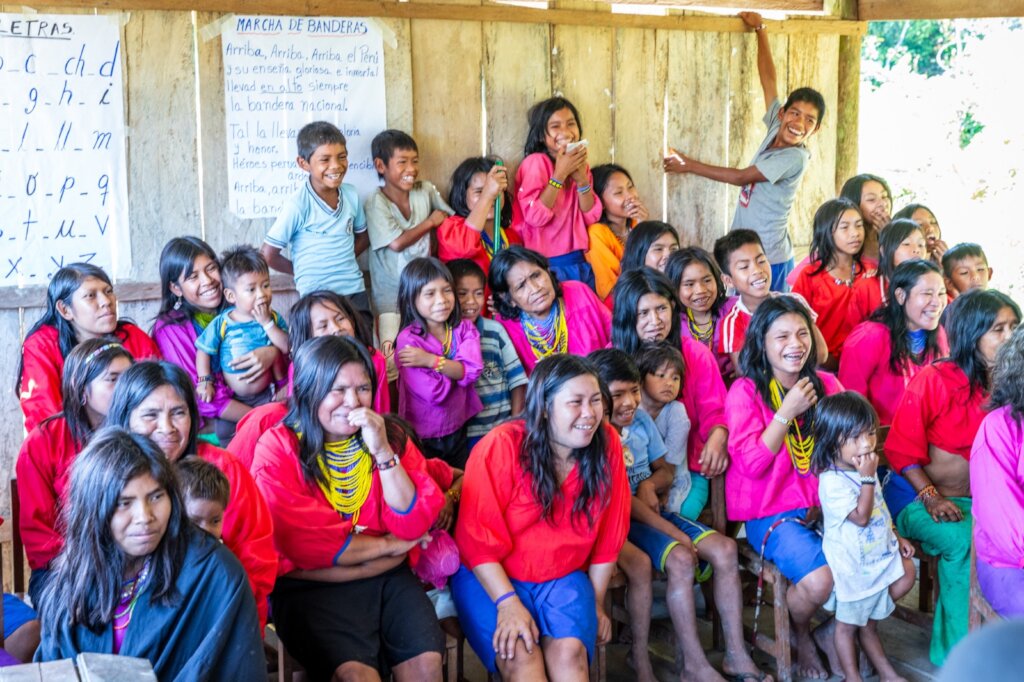
In the Urarina communities of the Loreto region, menstruation is understood through cultural practices and beliefs that, in some cases, can limit the participation of girls and adolescents in their daily activities. During this period, it is common for their involvement in educational, community, and family settings to be restricted due to perceptions linked to a lack of hygiene or traditional norms that promote the temporary isolation of women.
While these practices are part of a distinct cultural system, they can lead to situations of discrimination and exclusion, affecting the full exercise of rights, particularly regarding access to education and adequate menstrual health and hygiene conditions. Furthermore, the limited availability of appropriate menstrual management supplies exacerbates this problem, increasing the vulnerability of girls and adolescents.
In this context, there is a need to implement sustainable, culturally relevant, and accessible alternatives that contribute to improving menstrual management.
PROGRESS
Meetings were held with older women and cultural leaders to incorporate traditional knowledge. Working together with them, the project promoted the creation of informational materials in local languages and symbols, the production of reusable sanitary pads using materials available in the community, and the implementation of community campaigns and activities that included men and boys.
These actions aimed to improve the health, self-esteem, and participation of girls and adolescents; promote respect, equality, and dignity during menstruation; and strengthen cultural values and inclusive community development. To this end, the necessary materials were provided, along with technical guidance for making reusable sanitary pads.
This process allowed women to leverage their existing sewing skills, strengthening their active participation. Furthermore, the workshops established themselves as safe spaces where women could operate with confidence, feel valued, and share experiences in an atmosphere of respect.
The introduction and production of reusable sanitary pads represented a significant step forward in their empowerment process, as it fostered autonomy, self-care, and the strengthening of their productive capacities within the community.
By Marleny Arango | Project monitoring manager
Project reports on GlobalGiving are posted directly to globalgiving.org by Project Leaders as they are completed, generally every 3-4 months. To protect the integrity of these documents, GlobalGiving does not alter them; therefore you may find some language or formatting issues.
If you donate to this project or have donated to this project, you can receive an email when this project posts a report. You can also subscribe for reports without donating.



Support this important cause by creating a personalized fundraising page.
Start a Fundraiser