By Arlene Audergon | Director
From May to August 2026, CFOR and GER have been preparing and organising a new training cycle for community facilitators that started in May, as well sharing the learning.
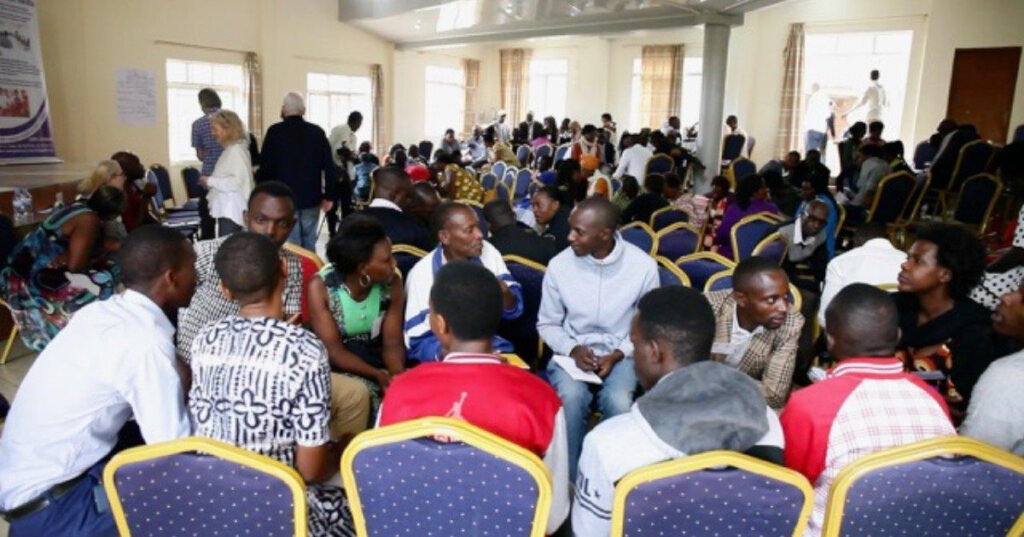
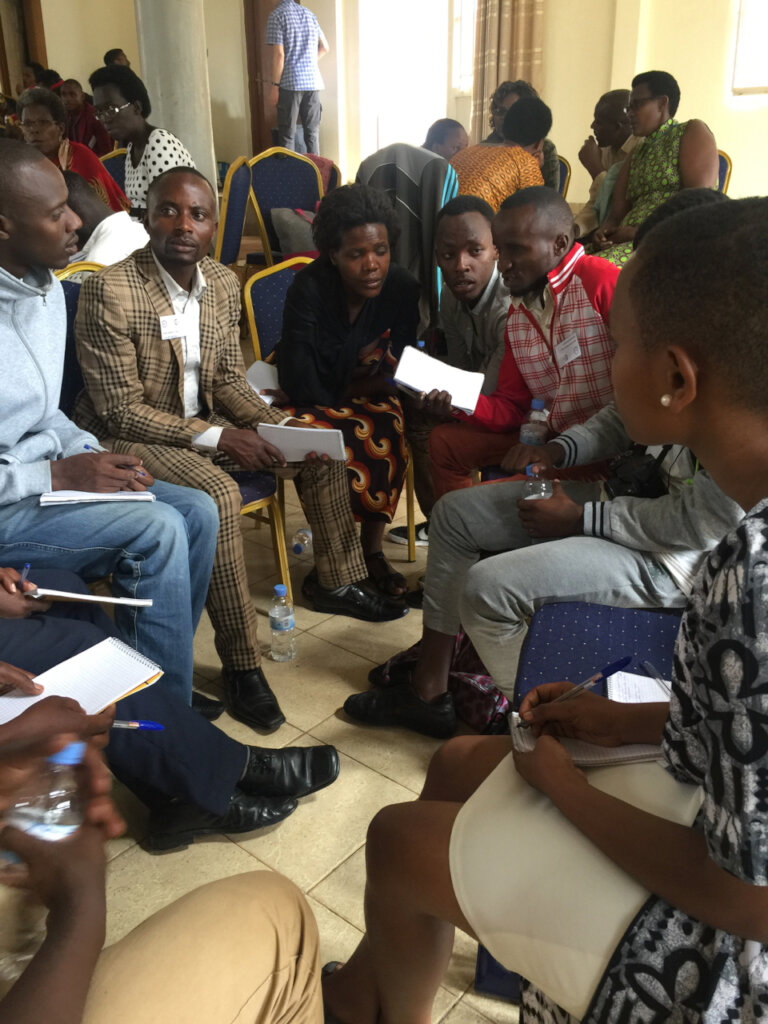
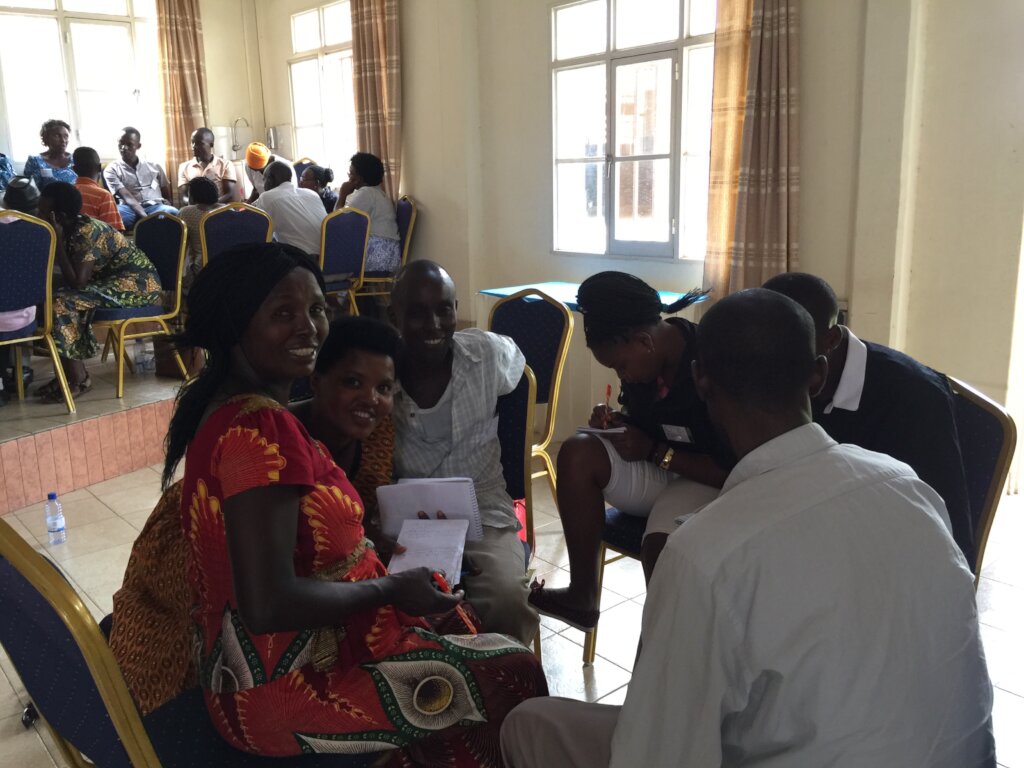
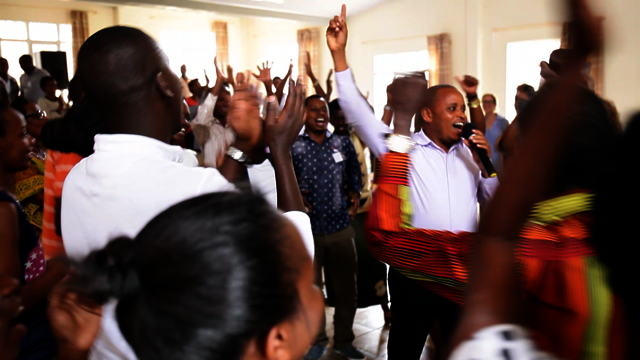
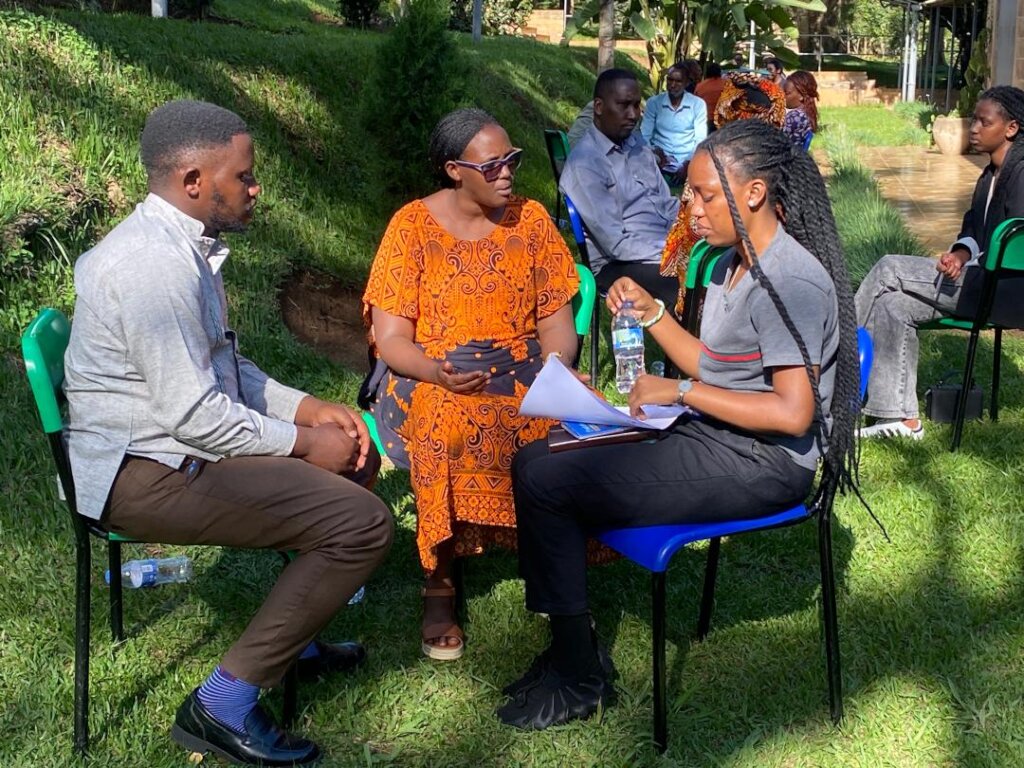
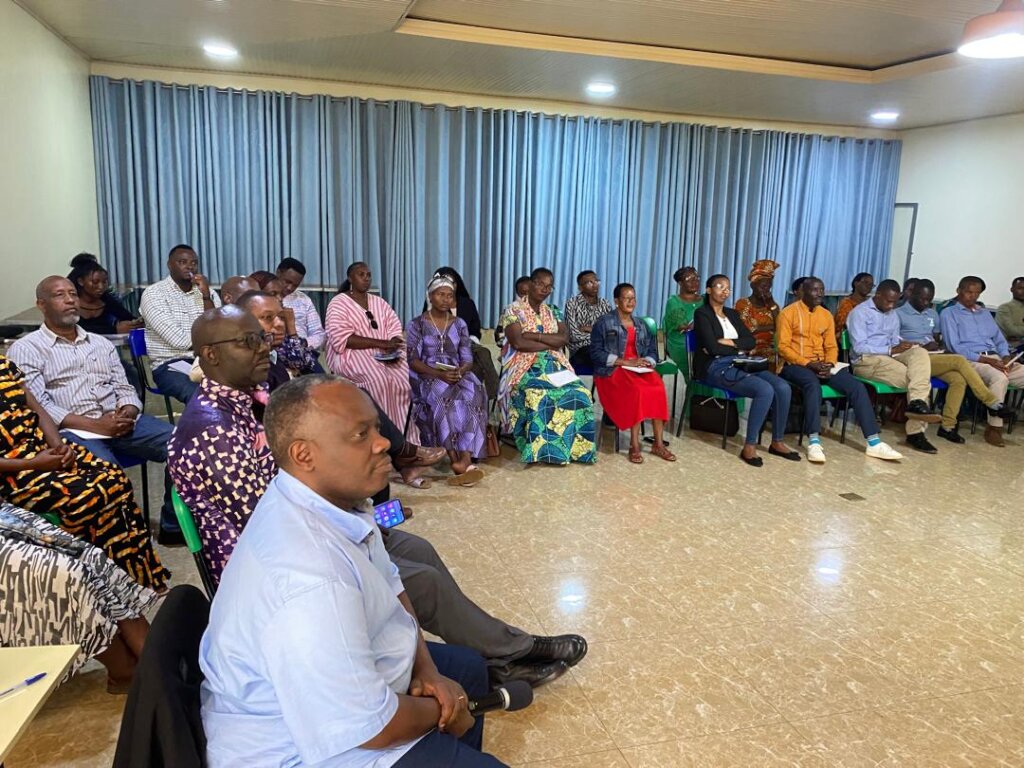
‘Facilitating our Future’ hybrid training started on May 11, with Module 1 ‘Personal and Community Trauma’, and continued with Module 2 ‘Facilitation skill: To be alongside yourself while reaching out to others’, which was held on June 8, 2026. CFOR’s facilitators were teaching online, and GER’s Director was facilitating on the ground.
Please read some of the feedback from GER’s Director:
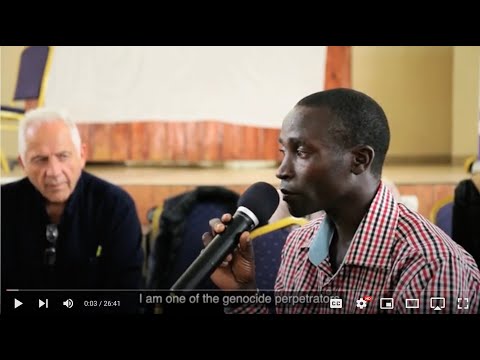
‘The training had a profound impact on me. For many years, I have dedicated myself to helping others, but I had never shared my own story with many of the people participating in the trainings or people I have worked with sharing my personal history, and what we went through. It was a very powerful experience. Participants in the training told me that my testimony had helped them. They were also surprised that we had worked and walked together for more than ten years, yet I had never shared my story with them.
I realized that, while I have always cared deeply for others, I had somehow forgotten myself. I was so focused on doing the work and supporting people who had experienced difficult histories—including survivors of the Genocide against the Tutsi and young people who continue to experience its consequences—that I had never taken enough time to reflect on my own wounds and history. The lesson is that facilitators also should care of themselves.
When I was sharing my testimony, I felt as if the experiences had happened yesterday, I began to understand more deeply what survivors of the Genocide may feel, as well as how difficult and painful it can be for people whose families or communities were involved in the Genocide. I was deeply touched when many people came to me afterward, comforted me, and told me, “We are with you. You are not alone.”
I came to realize that our painful history can also be transformed into a source of strength—a strength that can help us build a better future and contribute to inner peace. I now strongly believe that one of the ways we can prevent future violence and violent conflict is creating safe spaces where people can share and acknowledge the painful histories they have experienced, regardless of which side of the history they come from—whether they are survivors, perpetrators or descendants of those who participated in the Genocide, or young people carrying the consequences of the past. I have no doubt that creating spaces for people to share their stories, listen to one another, heal, and rebuild relationships is an important pathway toward building a better and more peaceful future.
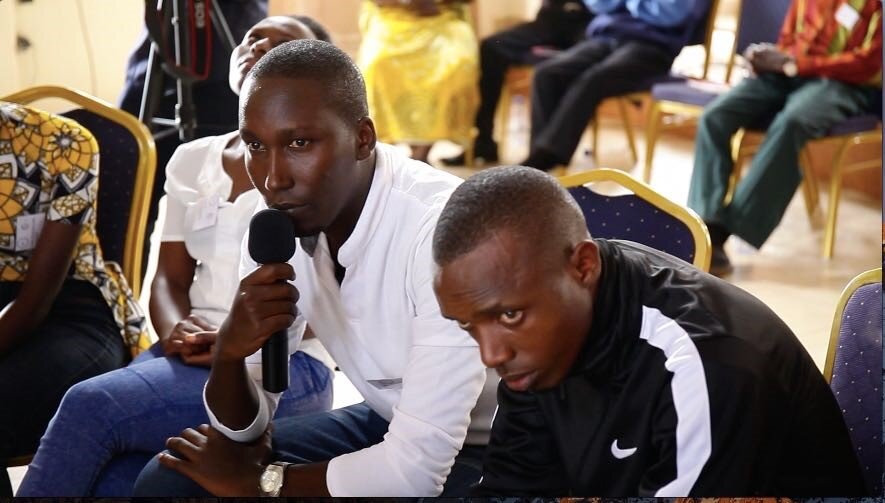
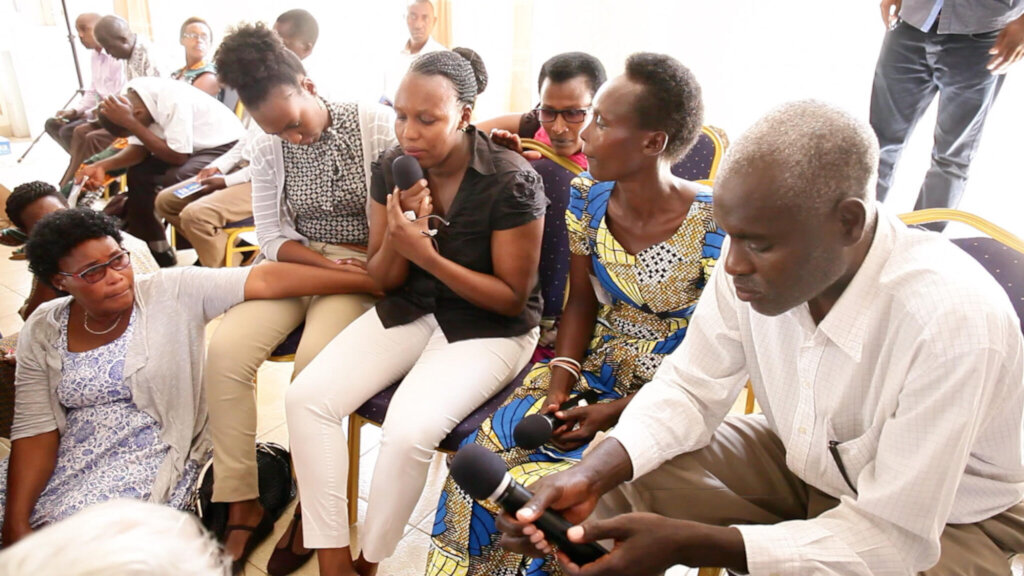
Participants' feedback showed that the dialogues encouraged them to speak openly about their personal trauma and other difficult experiences participants demonstrated increased resilience, confidence, and courage. It was evident that the conversations had transformed them, enabling them to speak more openly, including in public spaces.
Many participants testified that they had shared what they learned with people who did not participated in the training, and expressed their commitment to continue doing so. This is further demonstrated by the fact that some participants have formed groups where they continue to engage in dialogue and undertake joint initiatives in their communities.
Another important observation is that some of the participants are gradually growing older, while the young people who participated in the dialogues are also growing into adulthood. This highlights the need to continuously to train new generations of young people so that there is an ongoing transfer of knowledge, skills, and experience to help communities continue addressing the effects of trauma and societal healing.
Participants express their worries of the increase in hate speech spreading through social media, is contributing to renewed trauma and fear. Some expressed concern that the continued spread of hatred could generate further negative consequences, including new and deepening experiences of trauma within communities.
The facilitation method was highly appreciated by participants because it provides a safe space where people can listen to one another and, importantly, feel heard. Participants noted that this process has contributed to healing and strengthened relationships and collaboration among different groups, including survivors, perpetrators and their families, local leaders, security institutions, faith leaders, students and youth in schools and universities, and other community members.
The trainings have created opportunities for people from different backgrounds and positions in society to share their personal journeys, experiences, challenges, and positive strategies for healing and reconciliation. This inclusive approach demonstrates that everyone has a valuable story and contribution to make, regardless of their social position or background. It has also strengthened mutual understanding, cooperation, and collective efforts toward healing, reconciliation, and sustainable peace.'
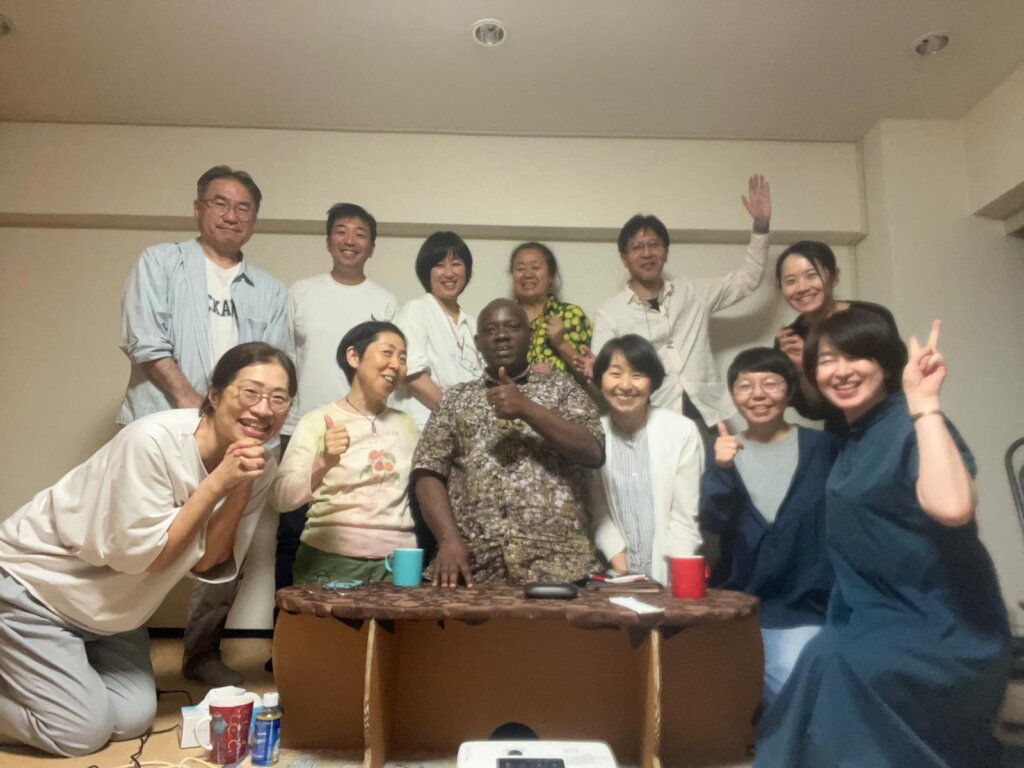
In the spirit of sharing the learning, GER's Director was invited together with colleagues from Process Work Japan, to participate in the Heart Summit in Japan in June 2026, and share the impact of the work we are doing through GER and CFOR. The experience was very encouraging, and they received positive feedback from participants. One participant, a school teacher who works on an education committee of a regional government, shared that they were deeply moved inspired by what they have heard.
We are very encouraged and motivated by such feedback and, as we are orienting towards next Modules of training resuming in September, we are looking forward to sharing more in the next Report.
Project reports on GlobalGiving are posted directly to globalgiving.org by Project Leaders as they are completed, generally every 3-4 months. To protect the integrity of these documents, GlobalGiving does not alter them; therefore you may find some language or formatting issues.
If you donate to this project or have donated to this project, you can receive an email when this project posts a report. You can also subscribe for reports without donating.


Support this important cause by creating a personalized fundraising page.
Start a Fundraiser