By Arlene Audergon | Director
During the period covered in this Report, CFOR and GER have been preparing and organising a new training cycle for community facilitators that will start in May, as well as preparing from the Commemoration period starting in April..
Please read below more about the meeting held on April 6, 2026.
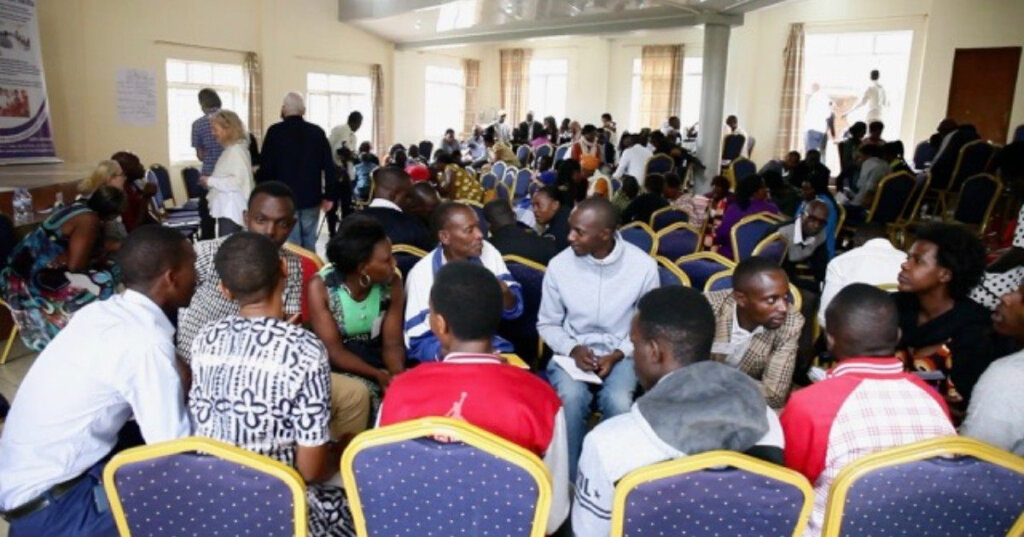
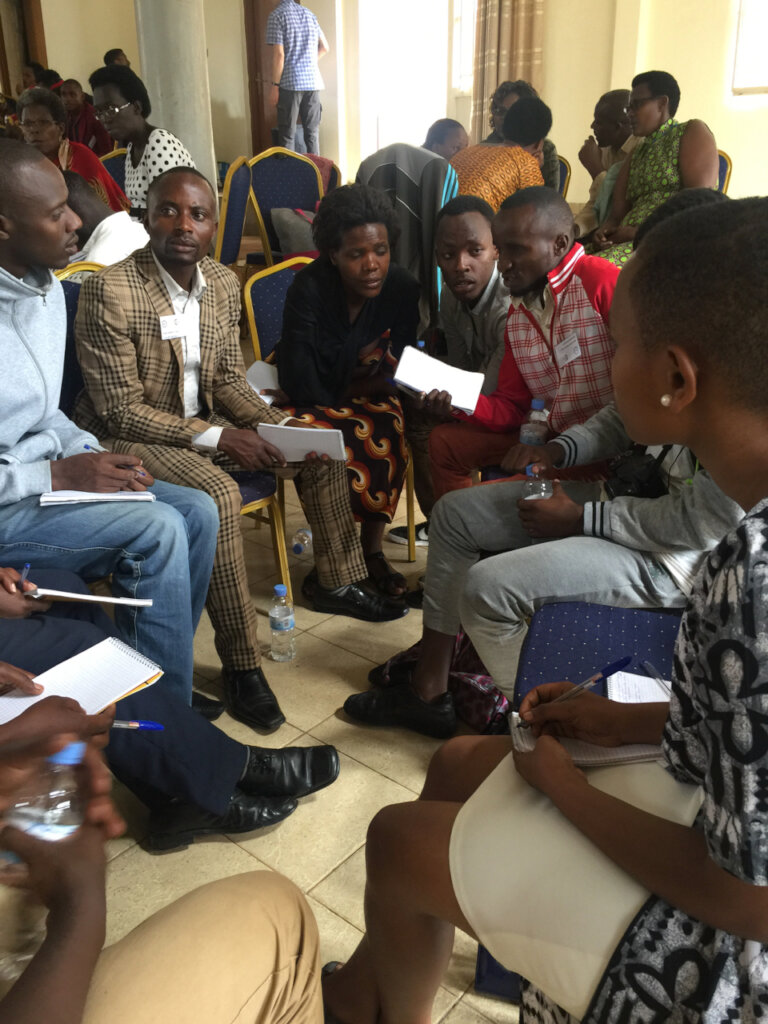
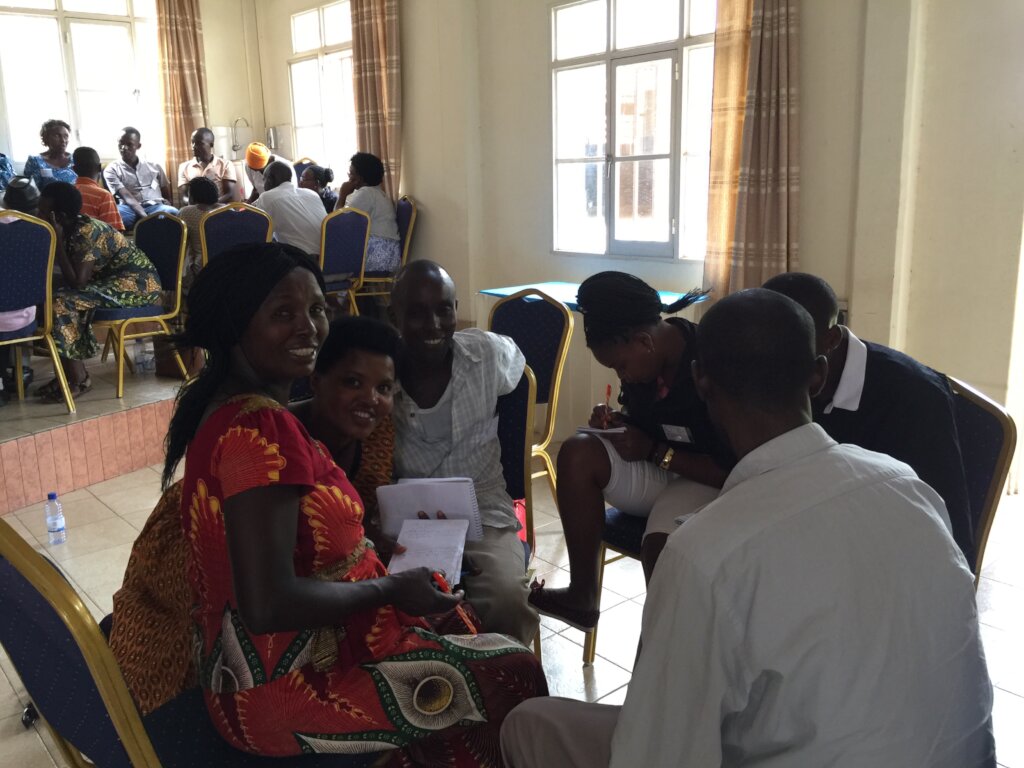
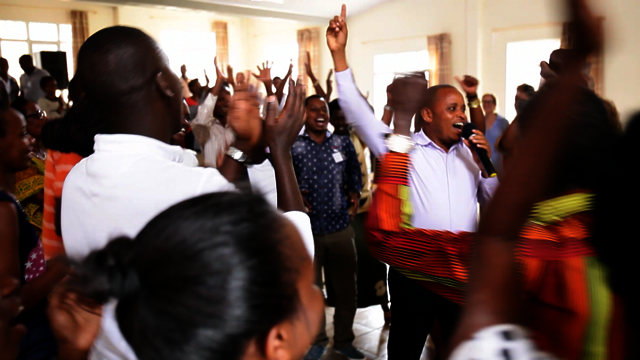
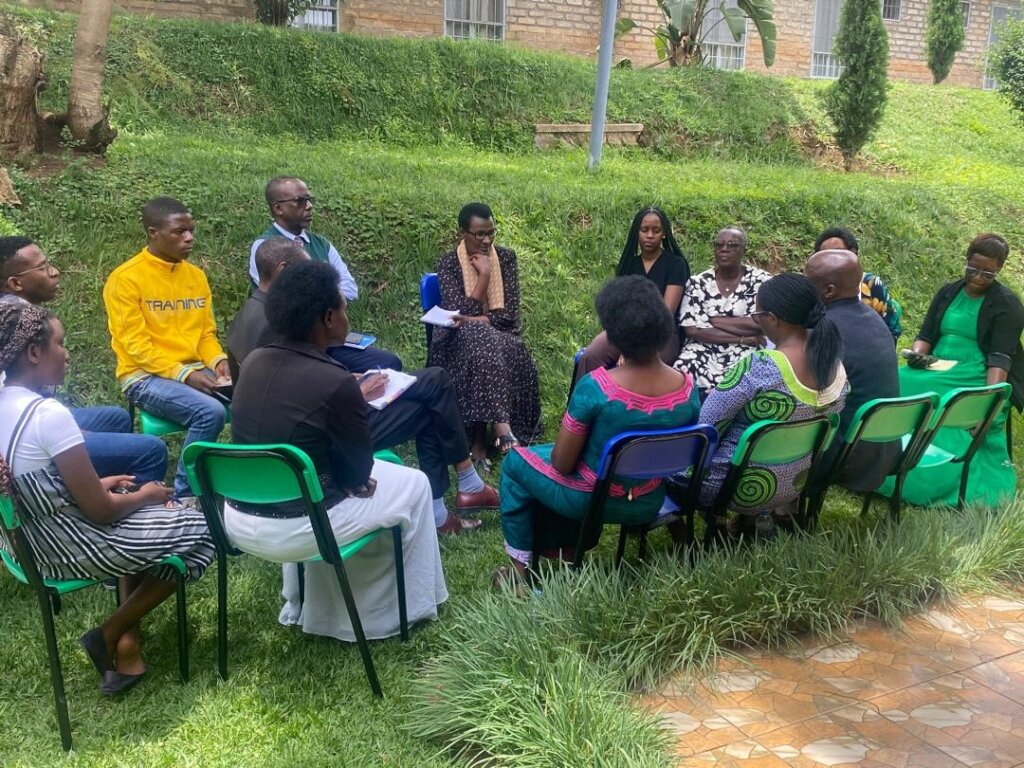
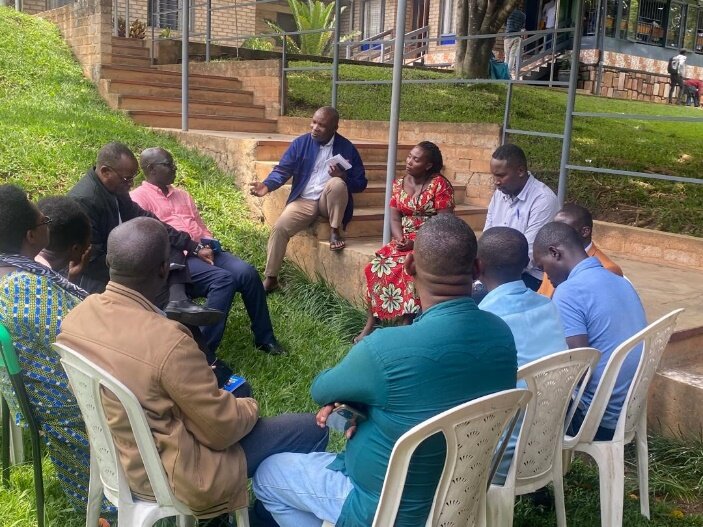
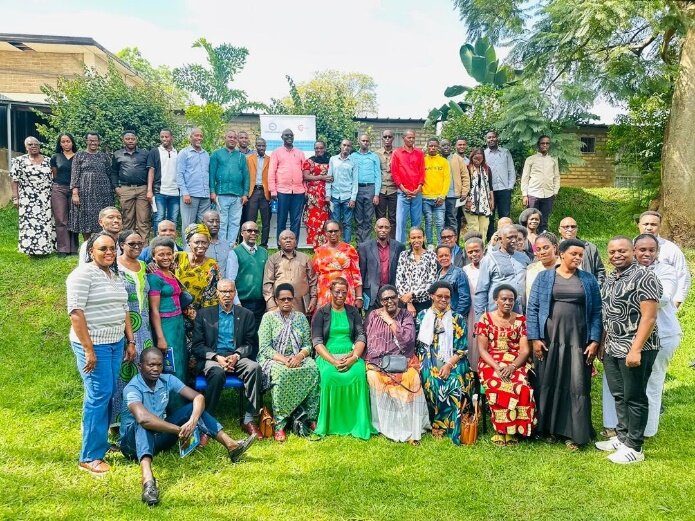
GER in partnership with CFOR organized a one-day preparation meeting that brought together local leaders, religious leaders, youth, and representatives of groups working on reconciliation, and healing. Participants included genocide survivors, perpetrators, and young people from different backgrounds.The meeting coincided with the 32nd commemoration of the 1994 Genocide against the Tutsi in Rwanda (Kwibuka #32). About 55 people participated in meeting from Gasabo, Bugesera, Ruhango and Musanze districts.
In his opening remarks, Director of GER Rwanda explained that the purpose of the meeting was to reflect on collective trauma, support one another in building resilience, and prevent the transmission of trauma across generations. He emphasized the importance of including all affected groups survivor families, children born of rape, children from perpetrator families.
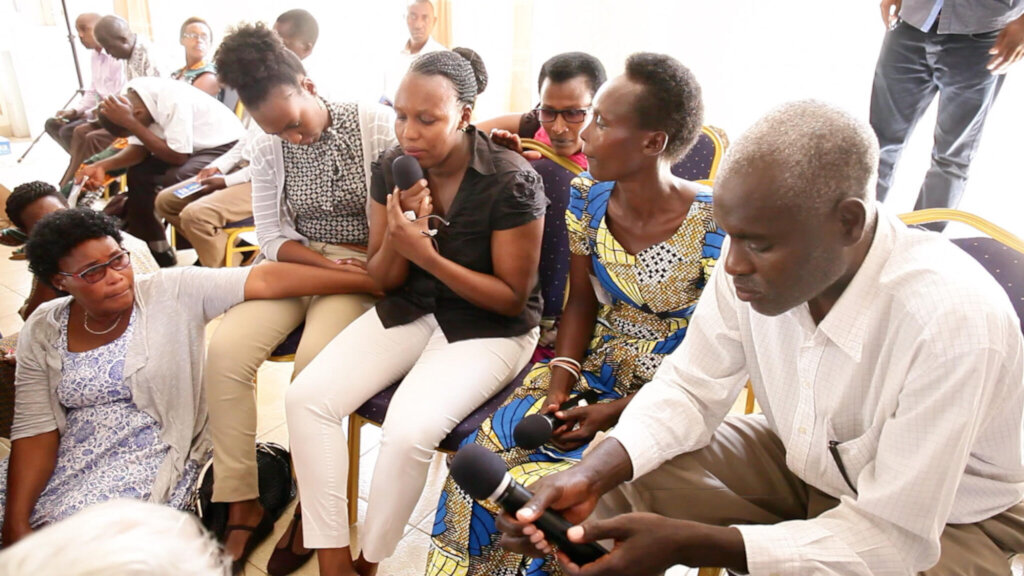
A participant from Ruhango district shared the situation in her community, noting that trauma is still deeply present and requires continued attention. She stressed the need for more dialogue and interaction between survivors, communities, and former prisoners who have completed their sentences, so that reintegration can happen in a way that avoids further harm and traumatization.
Participants explored why many people continue to live with trauma even years after gaining their freedom. Main factors emerged: persistent memories of the 1994 genocide continue to haunt survivors unburied bodies of their loved ones, ongoing violence in the region particularly in Eastern DRC was highlighted as a source of renewed trauma.
A participant from a family in Minembwe shared painful experiences of violence, including rape, abduction, and forced pregnancy, and called for an end to the suffering of their community. Survivors noted that such events can trigger memories of 1994 and intensify their trauma.
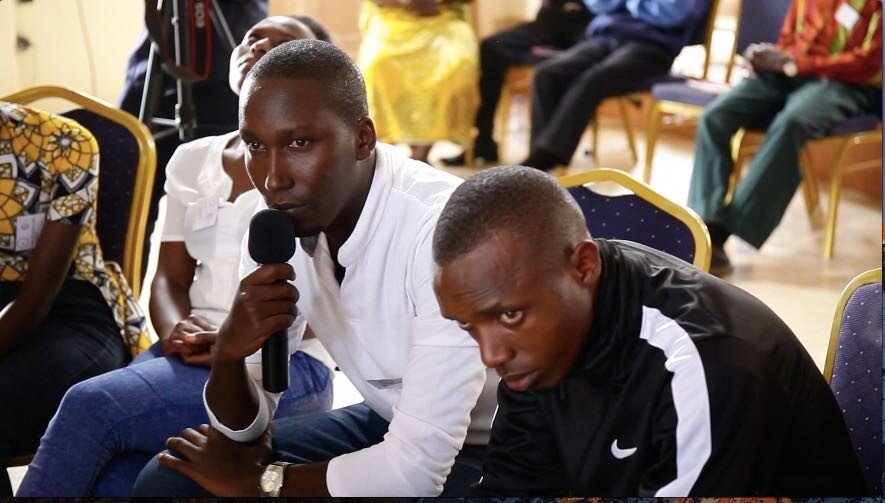
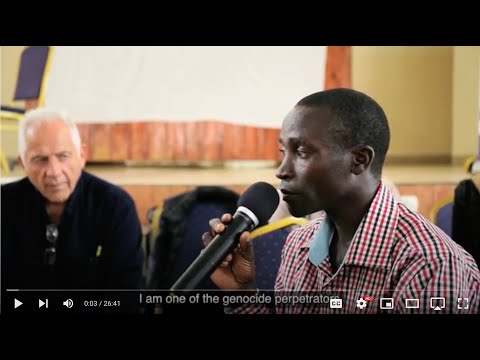
A powerful testimony came from a young man whose father had been imprisoned for genocide-related crimes. He shared how, as a child, he did not understand why his father was in prison. Before his mother died, his mother told him to be strong and not to follow his father’s path, but she never explained further. After her passing, he began searching for the truth. When he asked his father, he told him that his imprisonment was unfair. However, through his own efforts, he later discovered that his father had indeed participated in the genocide.
This revelation deeply affected him and led to rejection from his extended family. Eventually, he joined dialogue groups organized by GER and CFOR. These spaces helped him confront feelings of shame and begin his healing journey. He connected with other young people from both survivor and perpetrator families, and together they built relationships and initiated activities that promote healing and unity and helping his family to live to gather survivors.
Another testimony came from a young woman from a survivor family. She explained how her father had become isolated and deeply traumatized after the genocide. Through participating in GER and CFOR dialogues, she began to understand his struggles. She started having regular conversations with him and involving her siblings. Over time, her father began to recover - he started a small business, re-engaged with the community, attended commemorations, and sought medical care when needed. She expressed gratitude for the positive changes in his life
These testimonies highlighted the important role that young people can play as agents of transformation in their families and communities. Participants appreciated the use of both small group and plenary discussions, noting that these approaches created safe spaces for people to open up and share their emotions and experiences. Local authorities from Gasabo also commended the initiative and the work of GER and CFOR. They encouraged continued efforts to facilitate dialogue, especially for individuals completing their sentences and for youth affected by the genocide.
Throughout the meeting, participants repeatedly emphasized the urgent need to organize more community-level dialogues to address collective trauma in all its complexity and to prevent its transmission to future generations. The meeting concluded with a shared message of appreciation and commitment.
Project reports on GlobalGiving are posted directly to globalgiving.org by Project Leaders as they are completed, generally every 3-4 months. To protect the integrity of these documents, GlobalGiving does not alter them; therefore you may find some language or formatting issues.
If you donate to this project or have donated to this project, you can receive an email when this project posts a report. You can also subscribe for reports without donating.



Support this important cause by creating a personalized fundraising page.
Start a Fundraiser