By Arlene Audergon | Director
CFOR and GER have continued our close collaboration in Rwanda, with our unique approach to facilitating forum interactions between generations, and among youth, who are the children of survivors and perpetrators. This work has had an important impact in communities, supporting Rwanda’s process of reconciliation, and prevention of future cycles of violence.
Local and national authorities, as well as project participants give powerful feedback about the impact of this work. GER and CFOR are also invited to speak with facilitators internationally, to share their learning about the role of facilitated community dialogue to heal polarisations, and find pathways forward.
Below is the report by GER Rwanda, describing the work for the past 3 months (June, July, August 2025).
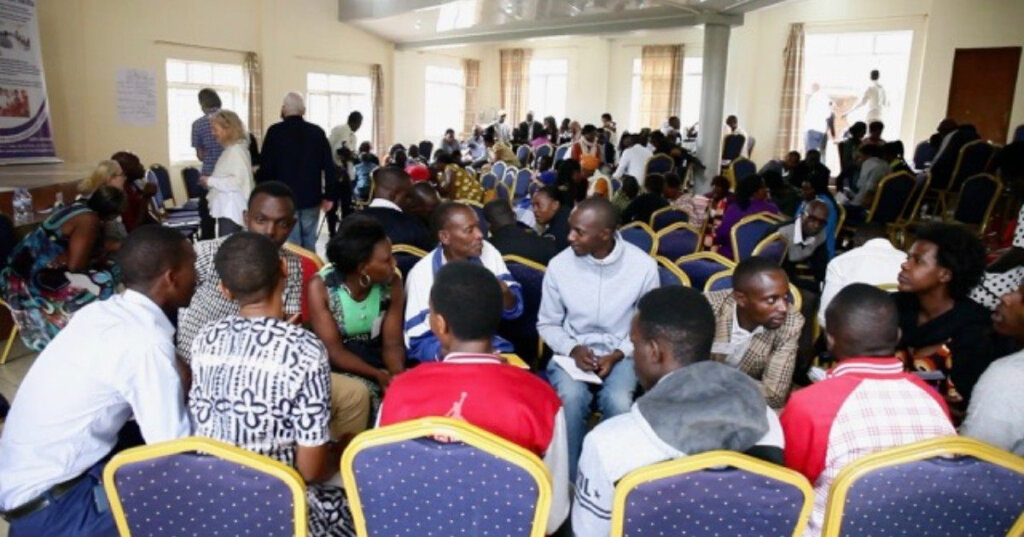
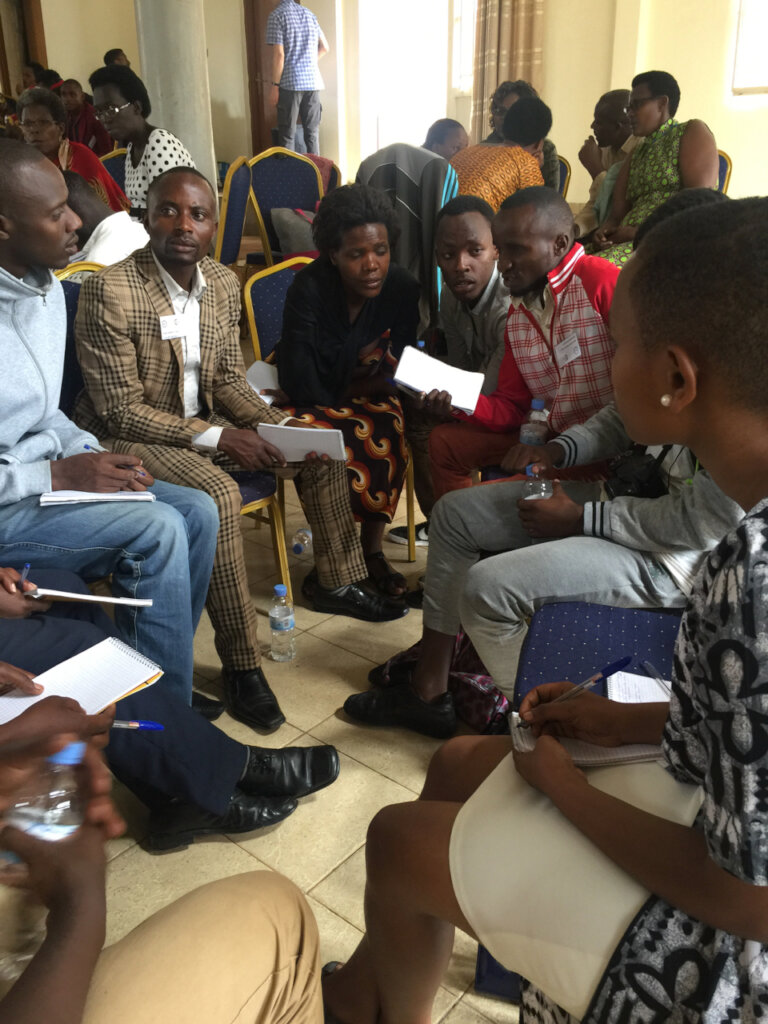
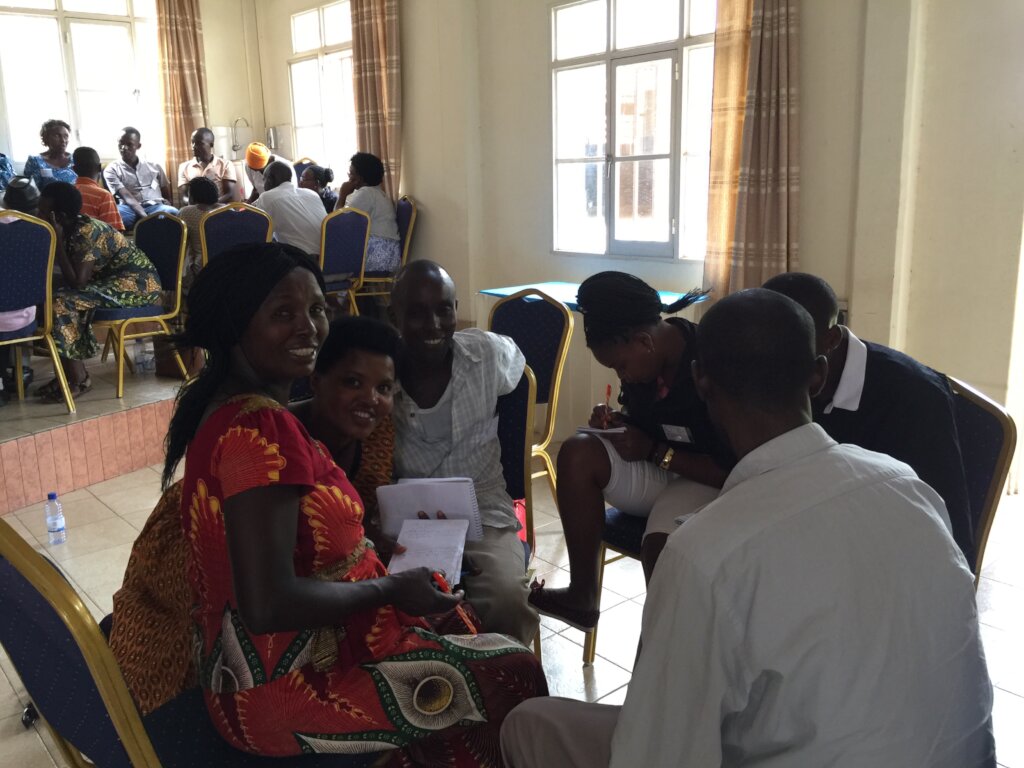
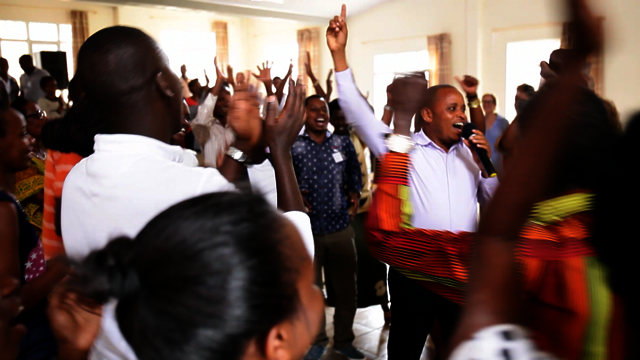
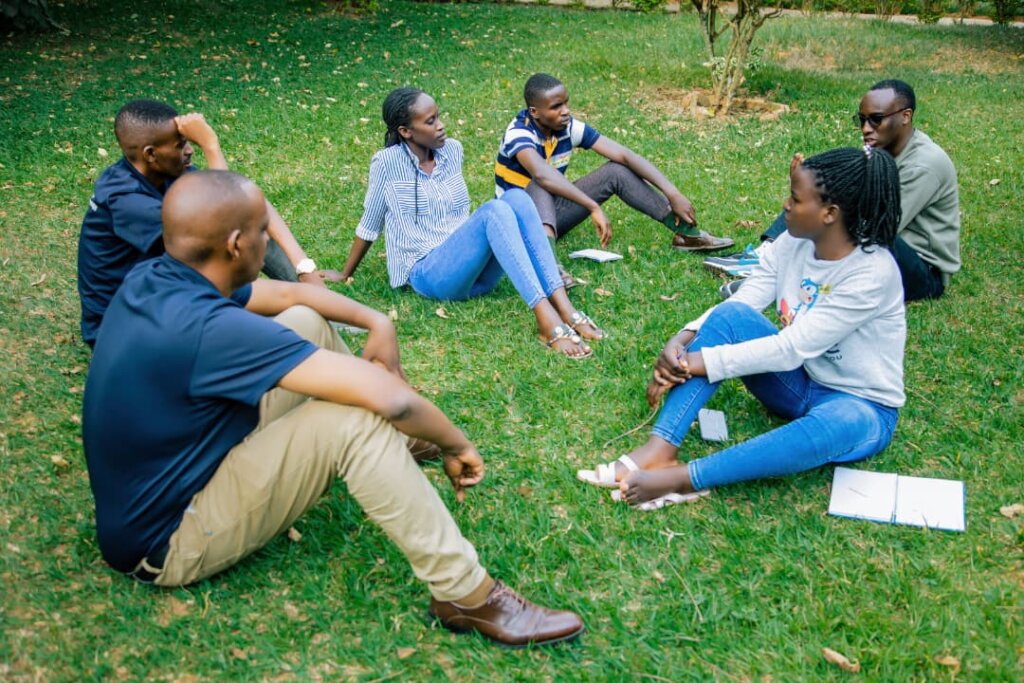
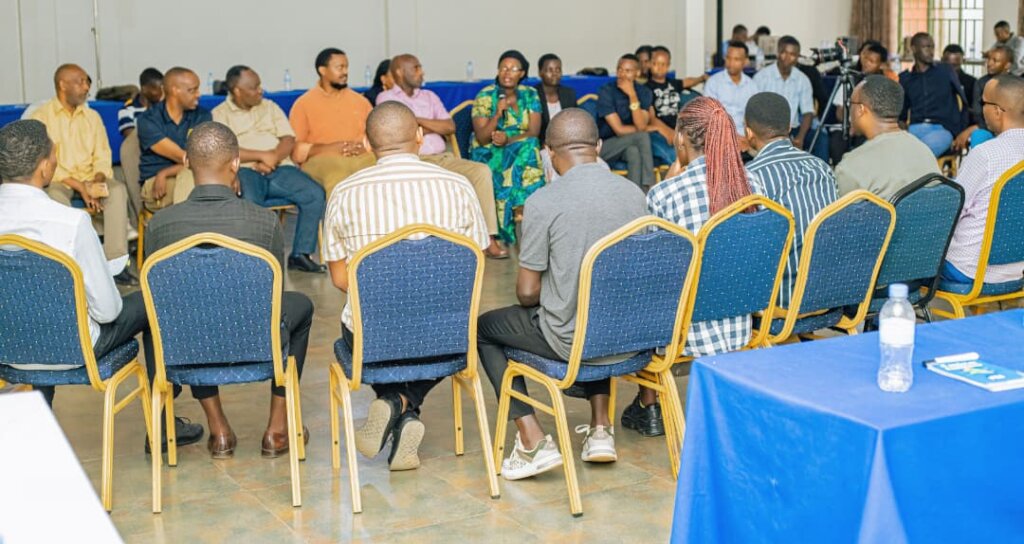
On July 18th –19th 2025, at Auberge-Musanze, we facilitated interactions with youth from Musanze district. These interactions focused on key themes such as collective trauma, inequalities, and gender-based violence (GBV).
The participants included approximately 55 young people, among them were descendants of genocide survivors, children of perpetrators, and children born of rape. Local leaders and community leaders from Musanze were also present.
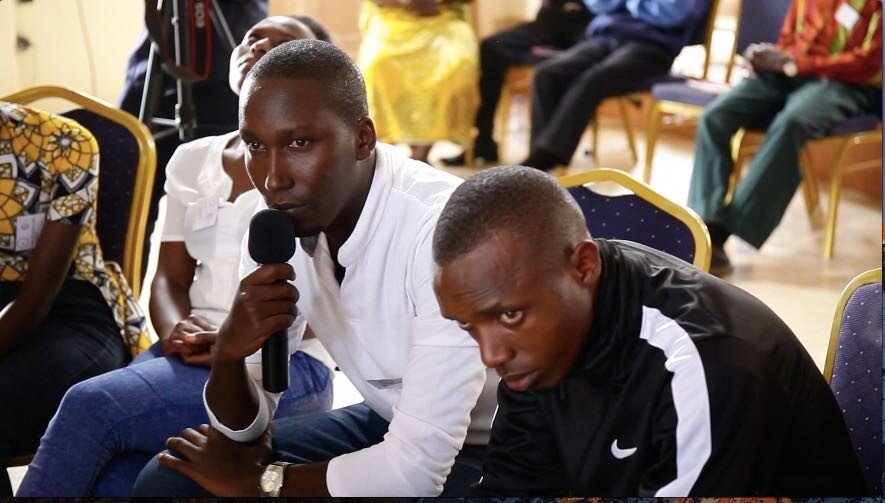
During the discussions, many youths shared the challenges they face—challenges they did not cause, but which continue to affect them. A recurring issue raised was the missing communication with their parents about the events of the past. Despite this, the youth expressed a strong commitment to healing, not only for themselves but also for their families. They are supporting one another and engaging their parents in reconciliation-focused dialogues.
A police officer who attended noted how extraordinary it was to witness youth from such different historical backgrounds coming together to support one another and build a shared future. He emphasized that such initiatives should be scaled up across the country.
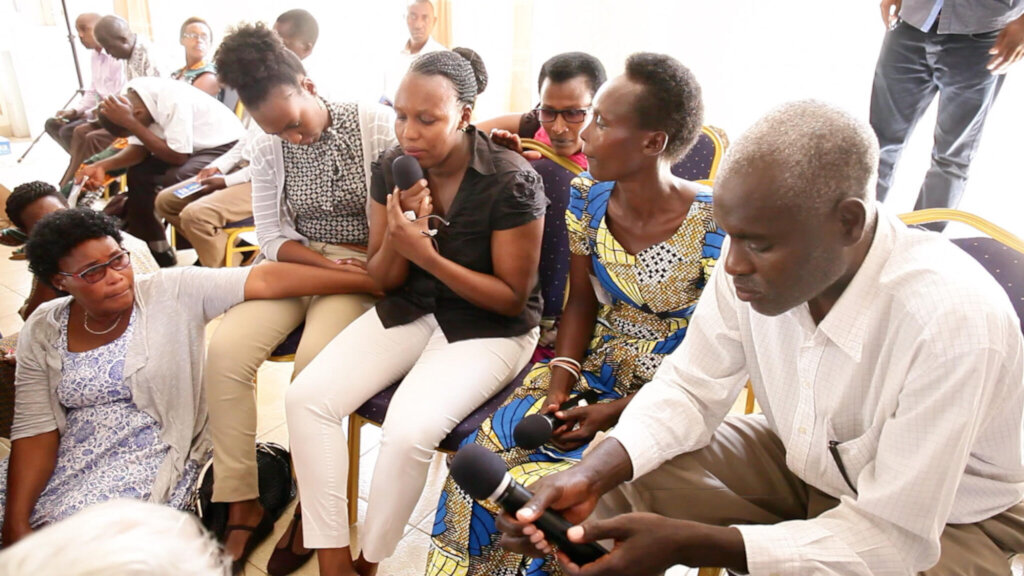
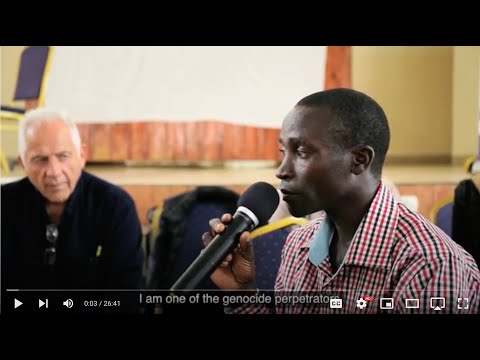
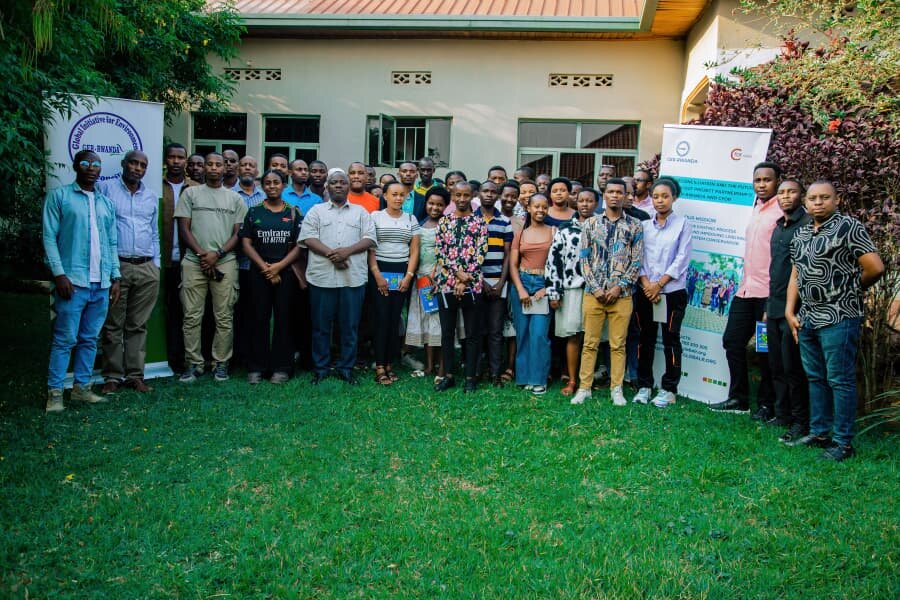
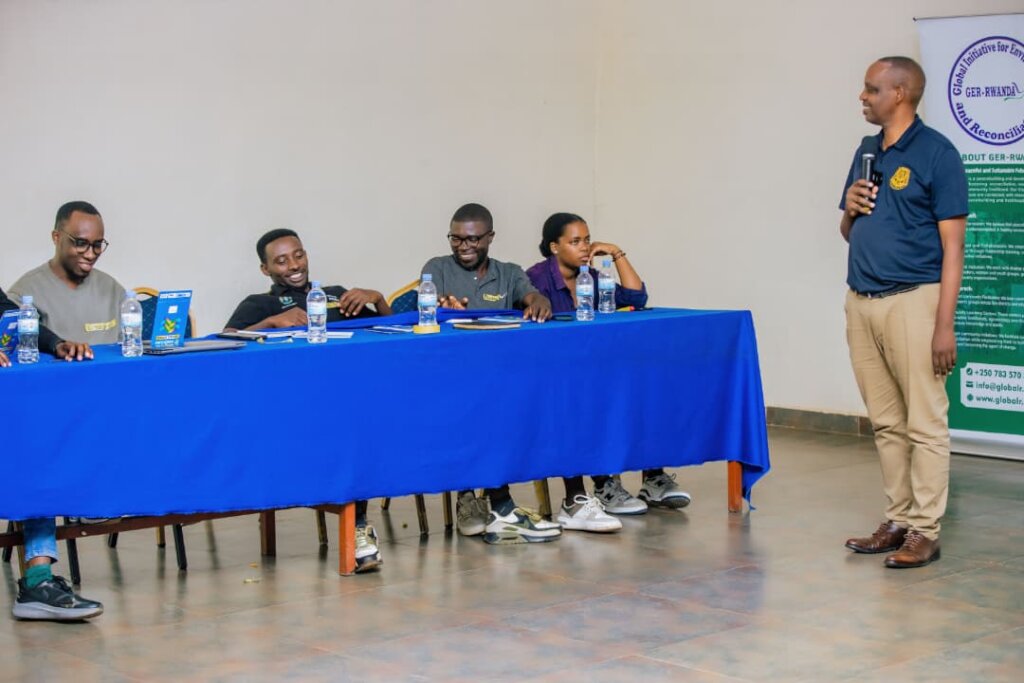
On September 9th –10th 2025, at Sunrise center/Bugesera we held similar interactions with youth in Bugesera. During the training, a youth participant from a survivor family shared: “I didn’t know before attending this interaction that children of perpetrators are also affected by the consequences of the Genocide against the Tutsi.”
Moved by this realization, he took the initiative to organize local gatherings with fellow youth to discuss Rwanda’s history openly - aiming to build resilience and break the cycle of trauma. About 55 youth participated.
Recognizing the power of these dialogues, both GER-Rwanda and CFOR expressed their intention to support the creation of youth groups in every sector to facilitate ongoing conversations around healing, resilience, and reconciliation. We concluded the sessions with a shared commitment from the youth to establish youth forums aimed at building a resilient generation of Rwandans.
While these interactions have already had a meaningful impact, we recognize that much work remains, as Rwandan society - and the wider region - continues to grapple with the deep scars left by the 1994 Genocide against the Tutsi.
Project reports on GlobalGiving are posted directly to globalgiving.org by Project Leaders as they are completed, generally every 3-4 months. To protect the integrity of these documents, GlobalGiving does not alter them; therefore you may find some language or formatting issues.
If you donate to this project or have donated to this project, you can receive an email when this project posts a report. You can also subscribe for reports without donating.



Support this important cause by creating a personalized fundraising page.
Start a Fundraiser