By Andrew Aikman | English Teacher at Kitezh Community
What happens to small children whose parents have fallen victim to alcohol?
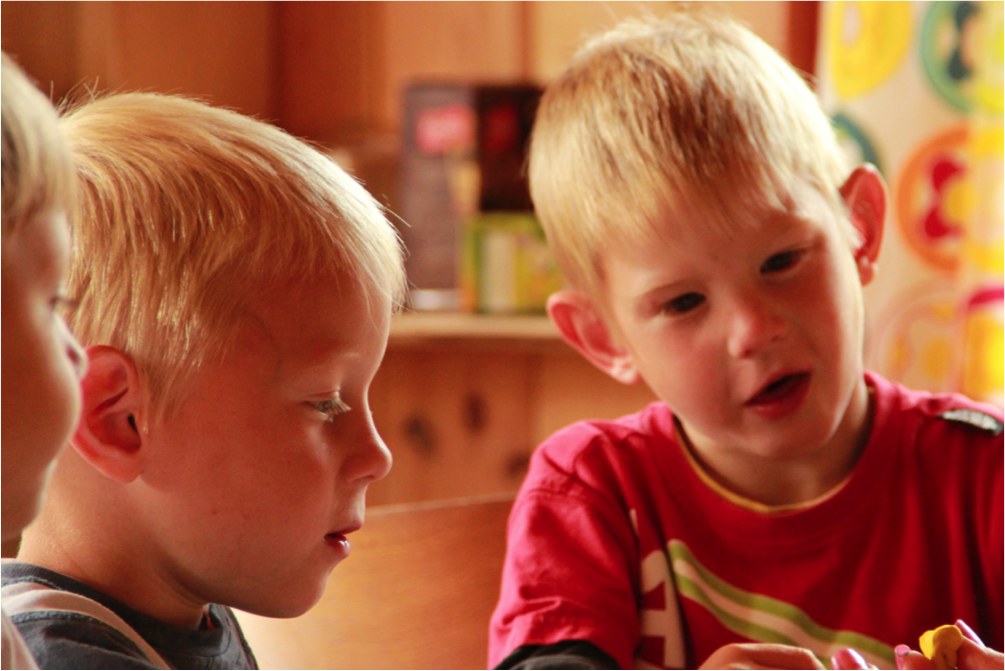
Imagine the life of twins, the extra difficulties for the mother with two small babies born with some of the attendant problems of alcohol during pregnancy? After it becomes apparent that the parent can't cope, the social services intervene.
Here in Russia they take the babies "into care", a big house - an institution. There the infants are cared for by a rotating team of carers, each for about eight hours and then they change to the next shift. The care may be the best they can do, the food, the clothes, the environment may be the best that can be provided. But a baby, an infant needs the consistency of Mother, a dependable parent (carer) to "bond with", the pillar that holds up the sky. Without this always-there carer, siblings cling to each other in their globe of fear and ignorance and shield themselves from the world out there; what else can they do?
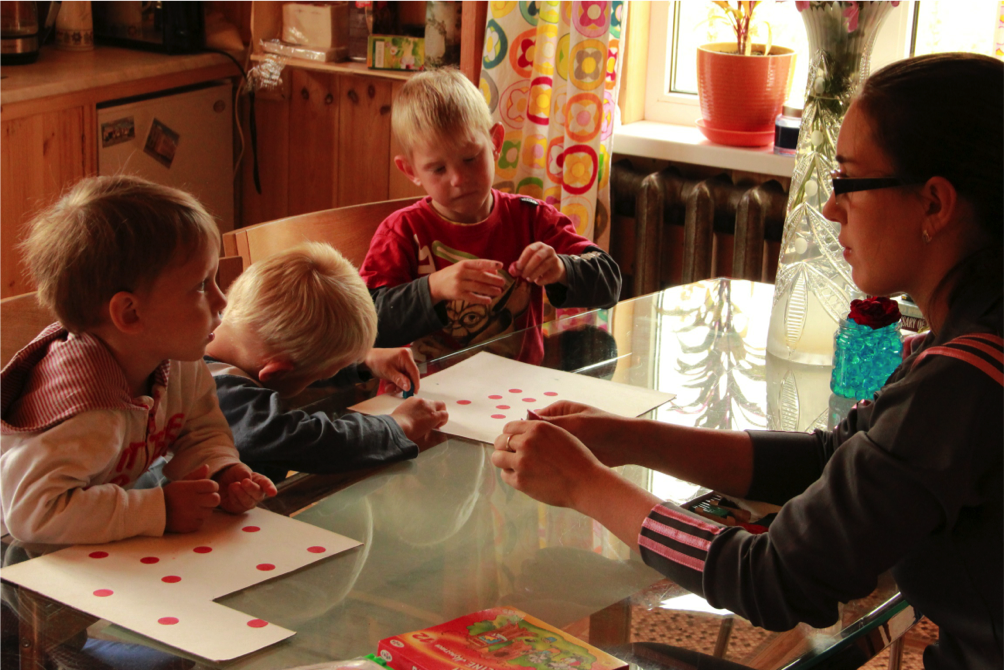
When you take in a child to foster or adopt, you take on the unknown, but hopefully you can establish a good bond as the child gradually reaches out to you. With twins or siblings, you are on the outside, not one of the pack. Thus I admire one of our senior members, having brought up his own children, then two foster children - a long break, and now he and his partner have taken in twins. The children are young and hopefully a good bond can be forged, but now they express the pain and fear they have experienced. We can only guess at what this may have been, and patiently, very patiently, wait for their chaotic behaviour to calm down. Fortunately here in Kitezh we work as a team; the erratic and sometimes aggressive behaviour of the twins can be exhausting. Years of experience have taught us to be patient - for maybe two years or more before a child calms down and feels truly safe, and accepts and trusts the new parent.
Where else, I wonder, could this be done but in a community dedicated to this work? Here caring for children is not an extra, it's not shift work, it's the way of life, of everyone here. It's what we do, it's why Kitezh is here. This kind of care is far beyond any social service budget, and as long as Kitezh exists, it will continue.
Links:
Project reports on GlobalGiving are posted directly to globalgiving.org by Project Leaders as they are completed, generally every 3-4 months. To protect the integrity of these documents, GlobalGiving does not alter them; therefore you may find some language or formatting issues.
If you donate to this project or have donated to this project, you can receive an email when this project posts a report. You can also subscribe for reports without donating.