By David Krupa | Executive Director
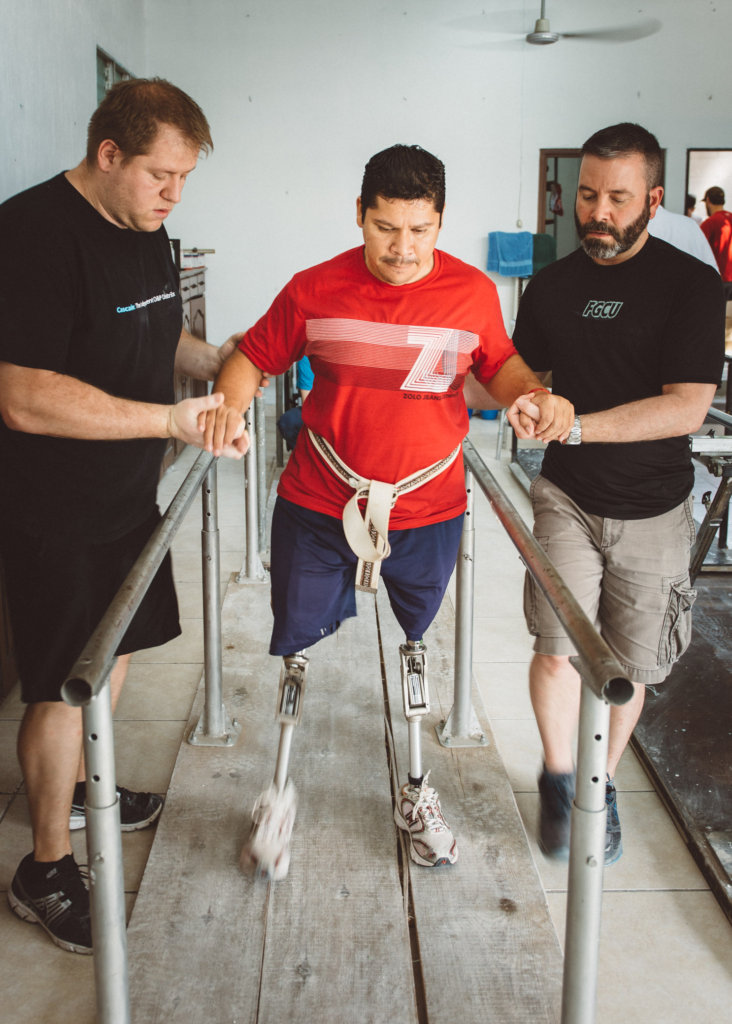
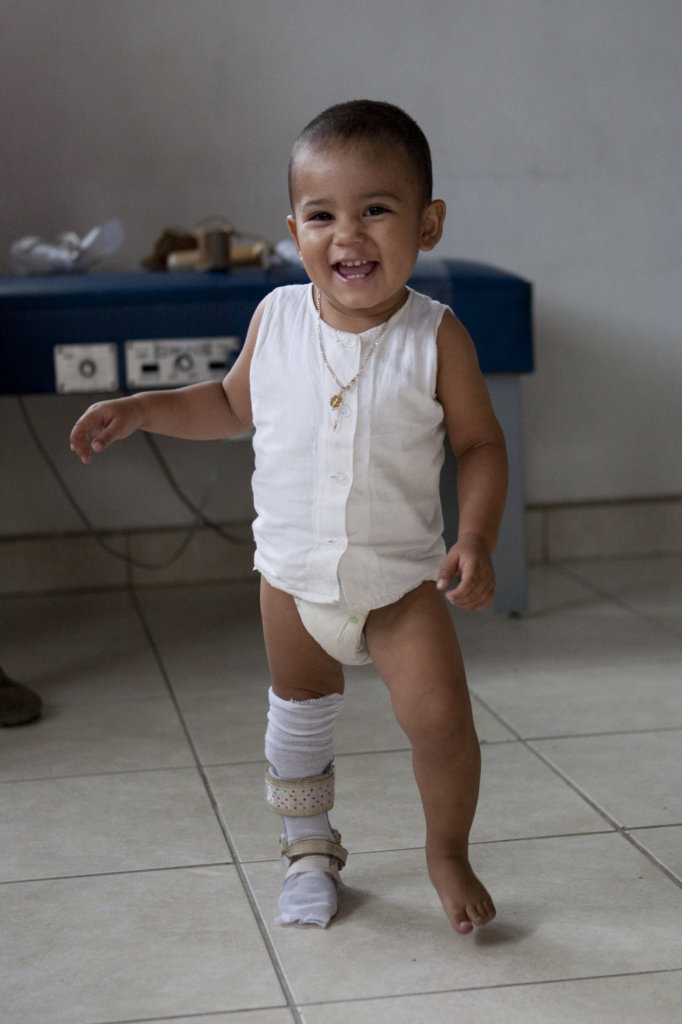
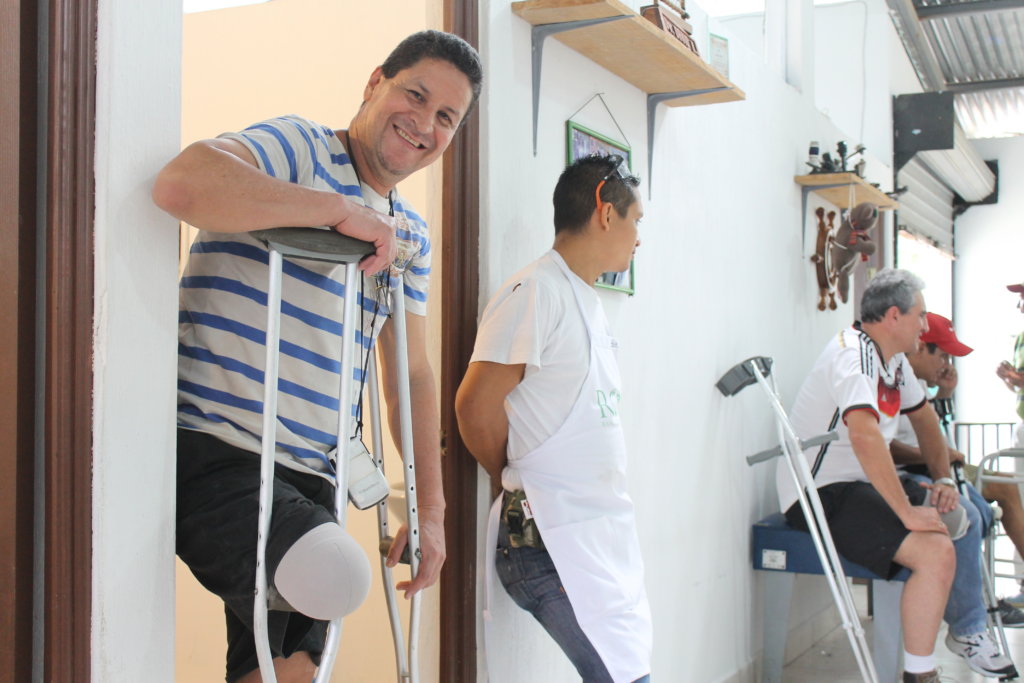
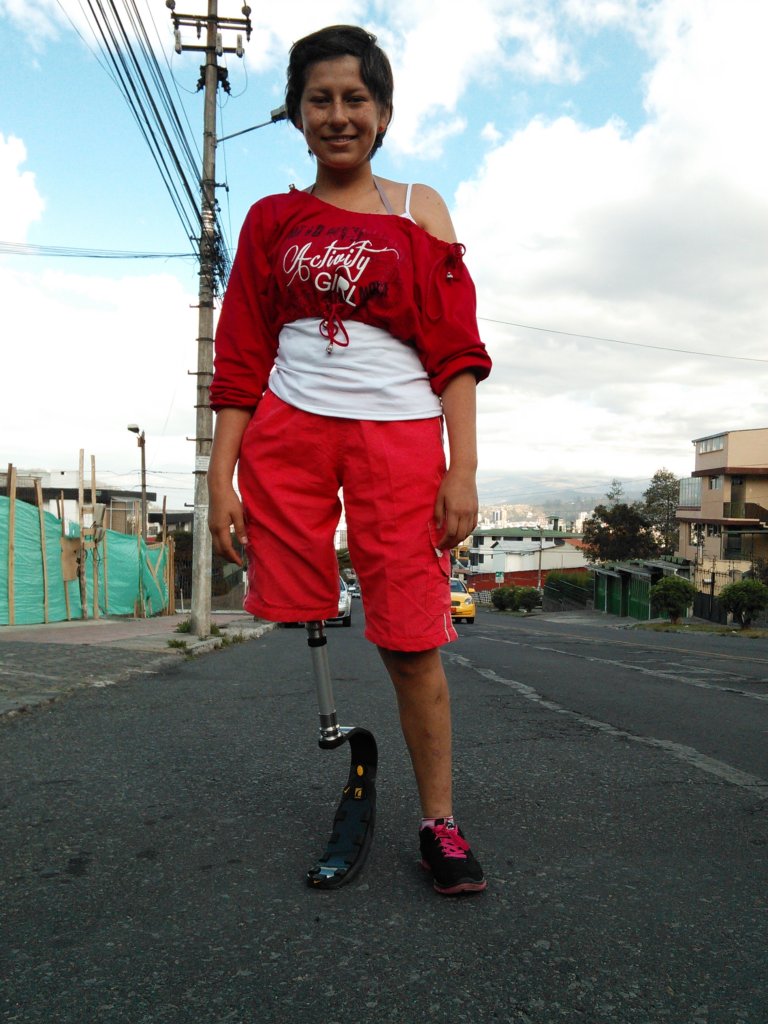
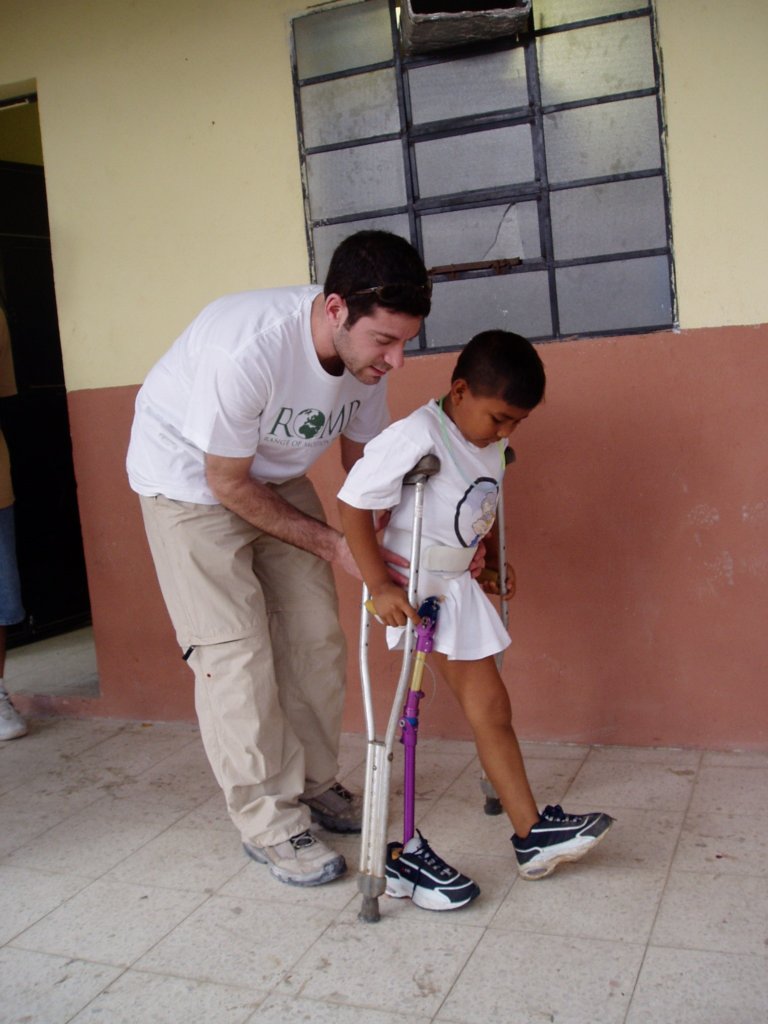
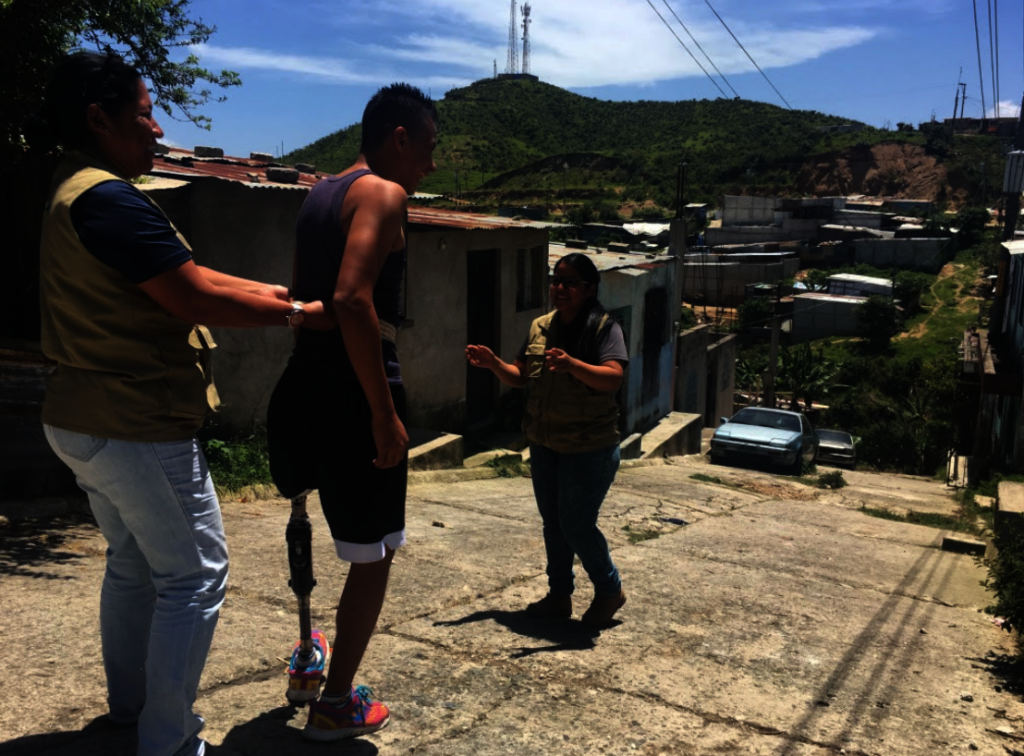
It is hard to believe that we are already two and a half months into our Community-Based Rehabilitation (CBR) Pilot Program here in Guatemala. Our Program has the purpose of attending to the needs of ROMP patients beyond prosthetic care, delivering these services in their homes and communities, in order to help them recover more completely from their amputations. In June, we started with an exhaustive screening of each patient to understand their needs across the key areas of the life. Based on the needs we detected, we created an intervention plan for each patient that we set out to execute in the six months that follow. This is done by our two community rehabilitation workers (CWRs) - Zoila and Caty - through home visits to each patient twice per month, and coordination of services outside of these visits.
One of the heaviest areas of intervention thus far has been improving the general health of our patients. Many of the patients have health issues that have been either unattended or mismanaged for a long time, among them diabetes, hypertension, heart disease, and others. We started by facilitating visits to specialists to assess these conditions in greater depth, and the patients were either prescribed medication or referred onwards to further specialists. This has been complemented by the clinical follow-up the CRWs provide in the homes of patients, following a clinical checklist that includes taking vitals, monitoring nutrition, providing diabetic foot care, and practicing walking with the prosthesis. Whenever possible, we utilize the public health system infrastructure, obtaining medications, conducting lab tests, and consulting physicians in the main public hospitals of Guatemala City.
Another significant area of intervention has been developing the livelihood of our patients. Due to amputation, age, and other factors, many of the patients do not have a reliable, sufficient source of income. It became clear early on that for many patients, the most effective action we could take was to invest in developing technical skills that they could utilize to generate income for the rest of their working lives. Per this strategy, we enrolled one patient in courses on cake-baking, and another patient in a course on producing men's dress pants. We got another patient started in jewelry-making, and another is just now starting hair-cutting and nail designs. As these patients progress in their respective areas of training, we are supporting them with key materials and timely business coaching to help them develop sustainable sources of income.
There are a number of other areas of intervention we are pursuing, among them mental health - organizing group therapy with a psychiatrist once per month - and legal services - helping patients with legal matters from social security benefits to home titles. Many of the services provided in this program are being donated or significantly subsidized by Guatemalan people and institutions that want to play their part in our patients' recuperation. We are grateful to count on this Guatemalan community, and we are already thinking about the phase that will follow the pilot program at the beginning of 2019. Throughout the duration of the pilot we are taking data so that we can build the next phase upon hard evidence, and we invite you to stay tuned in the coming months. Thank you for your extremely generous support as we continue to fight for the multi-faceted mobility of our patients.
Project reports on GlobalGiving are posted directly to globalgiving.org by Project Leaders as they are completed, generally every 3-4 months. To protect the integrity of these documents, GlobalGiving does not alter them; therefore you may find some language or formatting issues.
If you donate to this project or have donated to this project, you can receive an email when this project posts a report. You can also subscribe for reports without donating.



Support this important cause by creating a personalized fundraising page.
Start a Fundraiser