Project Report
| Mar 2, 2020
Recovering from Malnutrition: Waheeda's Story
![Waheeda after one month of treatment.]()
Waheeda after one month of treatment.
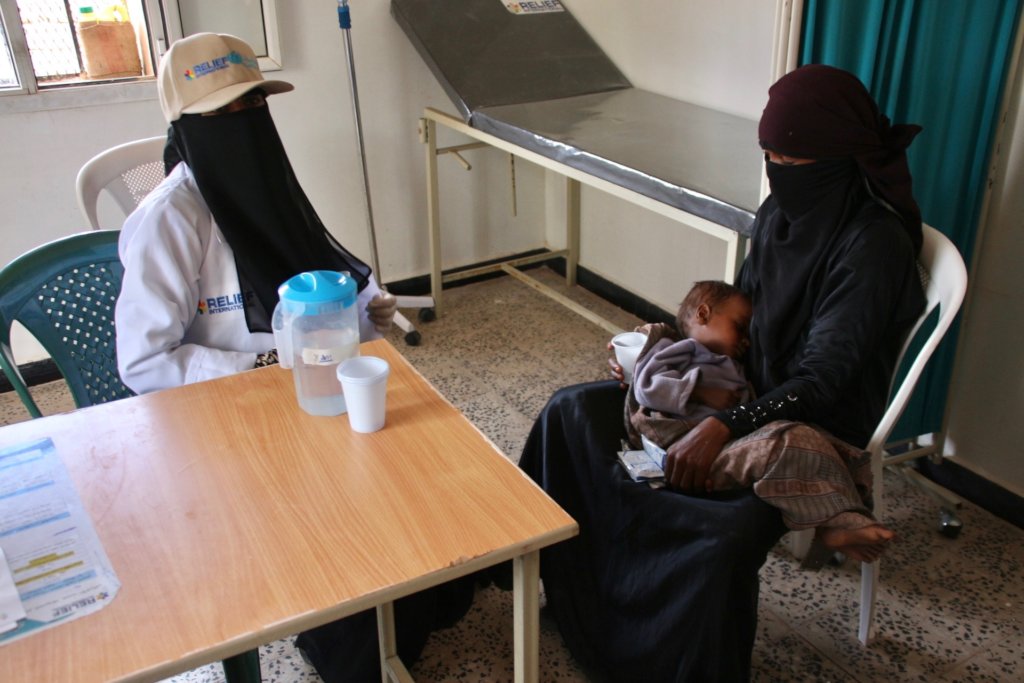
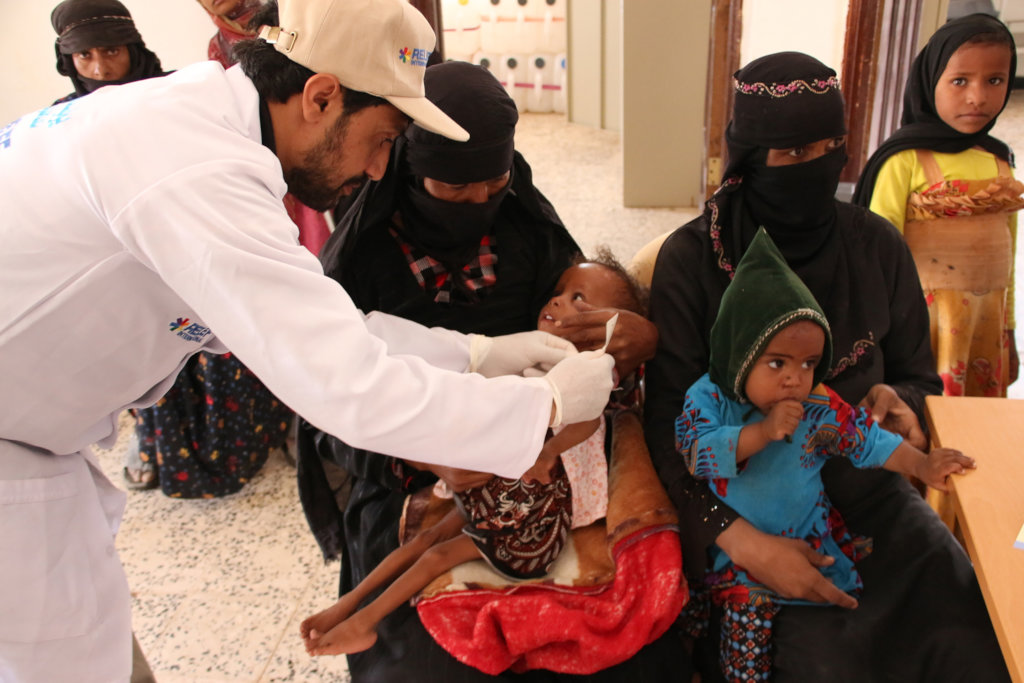
Two-year-old Waheeda nervously perches on a small white chair at Relief International’s health facility in northern Yemen. She is small for her age. Like so many children in Yemen, Waheeda has lost weight at a rapid pace.
While Yemen is no longer on the brink of famine, hunger still stalks millions of people across the country, with its effects felt strongest by children. The country’s civil war, which escalated in 2015, has caused an estimated 24 million people – 80% of the country’s total population – to rely on humanitarian assistance. The World Food Programme estimates that approximately 16 million Yemini people wake up hungry, and that without humanitarian aid that number could easily reach 20 million people.
Many families are unable to provide regular meals for their children. Instead, skipping meals to conserve limited food rations has become a common, yet heartbreaking, reality for millions of Yemenis.
Like so many others in Yemen, Waheeda’s family does not know where their next meal will come from. Her father’s recent leg injury has prevented him from working as a driver to support his household. Now, the family barely survives on a daily diet of tea and bread, sometimes just once a day.
When an uncle from a neighboring village visited the family, he noticed that young Waheeda’s health was deteriorating. Fortunately, he had heard of a health facility supported by Relief International, providing critical malnutrition services for children, free-of-charge.
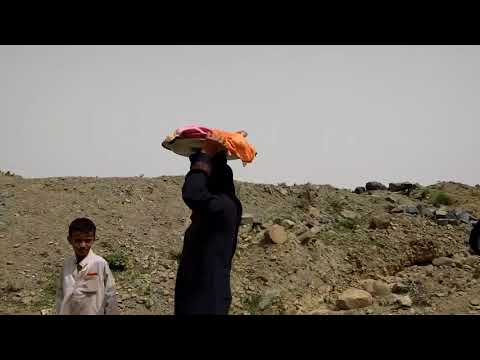
Together, Waheeda’s father and uncle made the five-mile trek on foot to reach Relief International’s health facility in Amran. Given her father’s leg injury, Waheeda’s uncle carried her there and back.
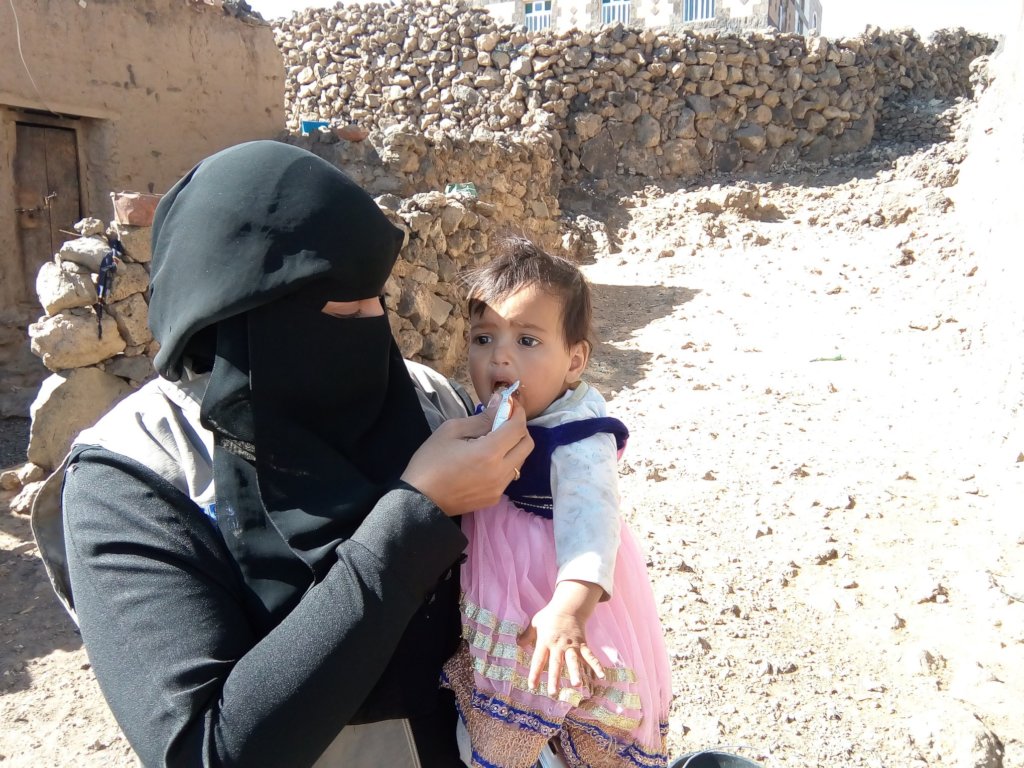
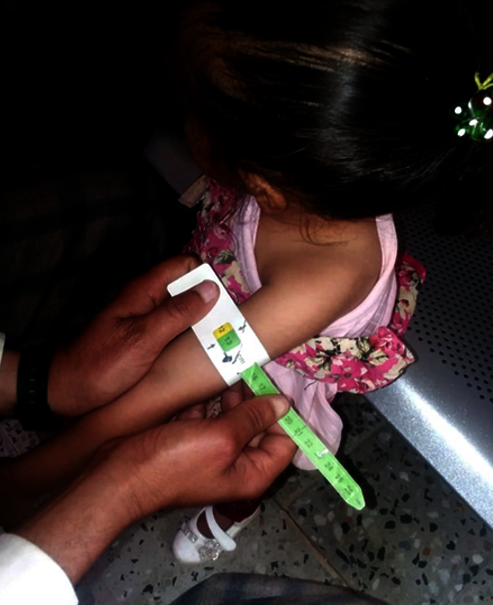
Our team diagnosed a weak Waheeda with Acute Malnutrition after conducting a series of standard exams. We enrolled her in our recovery program and Waheeda’s father agreed to return to the health clinic for follow-up treatments. However, given the long journey and his injured leg, he was unable to return the following week. Instead, our team began to visit Waheeda’s home every week for the next month to ensure she received the treatment she needed. One month later, Waheeda showed significant signs of improvement and no longer appeared sickly or malnourished.
We could not do this important, life-saving work without your generous support. It provides families like Waheeda’s with the services they need to survive this conflict. We thank you – and so do the people we serve.
![Share on Twitter]()
![Share on Facebook]()