By Amy Kunert | Development & Communications Associate
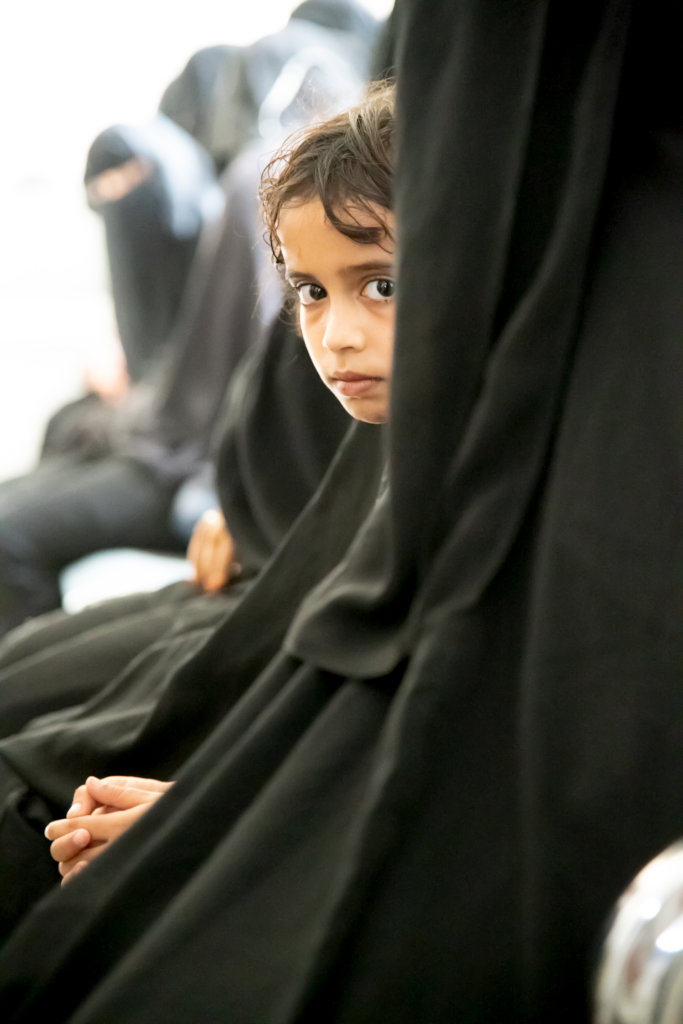
Since fighting broke out in Yemen more than five years ago, the country’s capital city of Sana’a has witnessed the collapse of its economy, health system, and most major public services. This has left many people unable to access life-saving treatment when they are ill or injured.
The devaluation of the Yemeni riyal has also increased the cost of transportation to and from the country’s few operational health outposts, causing some to delay seeking treatment until their symptoms become unbearable or until they can save enough money to make the trip.
“Since the start of the war, we’ve noticed a dramatic increase in the number of malnutrition cases we treat at our clinics. While there were some cases of acute hunger in Yemen before the war, now ten million people are living just one step away from famine,” shares Relief International’s Country Director for Yemen Mutasim Hamdam.
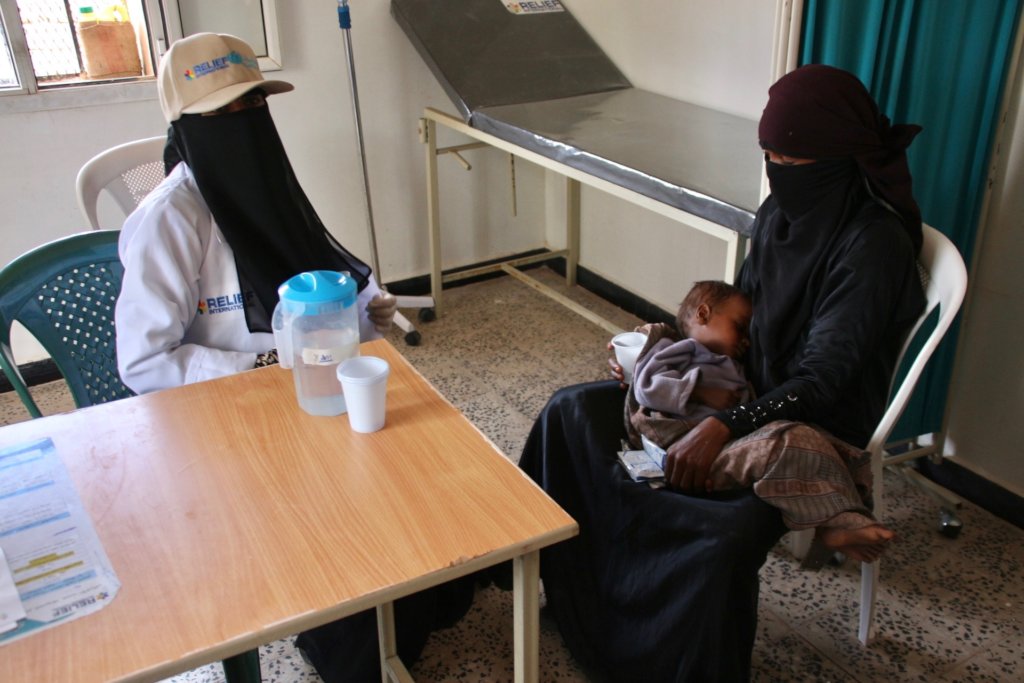
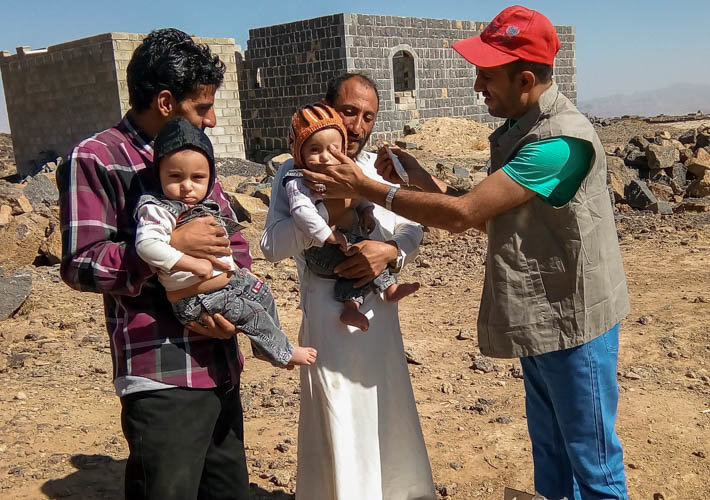
Relief International began deploying mobile medical clinics in 2016 when malnutrition amongst children in Yemen was at an all-time high. Despite the long, arduous journey to reach these communities, mobile clinics offer a lifeline for people cut off from health services.
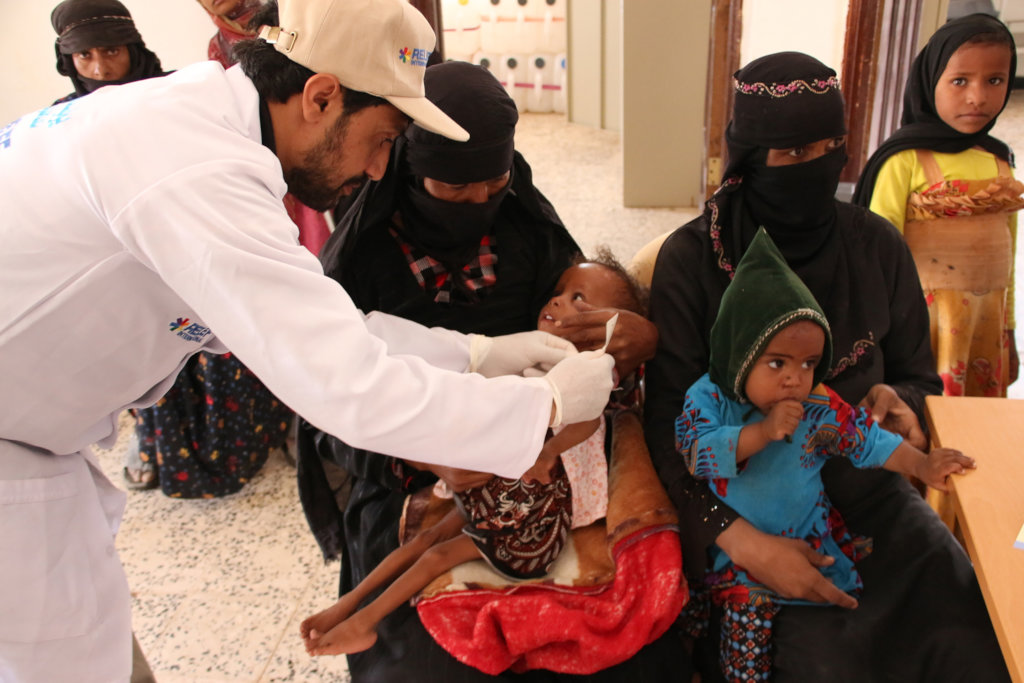
On one visit to a small village on the outskirts of Sana’a, we met Hakeem* and his young daughter, Mina*, 1, tucked tightly in his arms. “She’s been sick for a week and lost a lot of weight,” explained Hakeem. He nervously paced behind the grey Toyota four wheeler – one of Relief International’s mobile clinics – as our medical staff took Mina’s height, weight, and measured her Mid-Upper Arm Circumference (MUAC). Her MUAC score, the traditional indicator for nutritional status, fell well into the range for acute malnutrition.
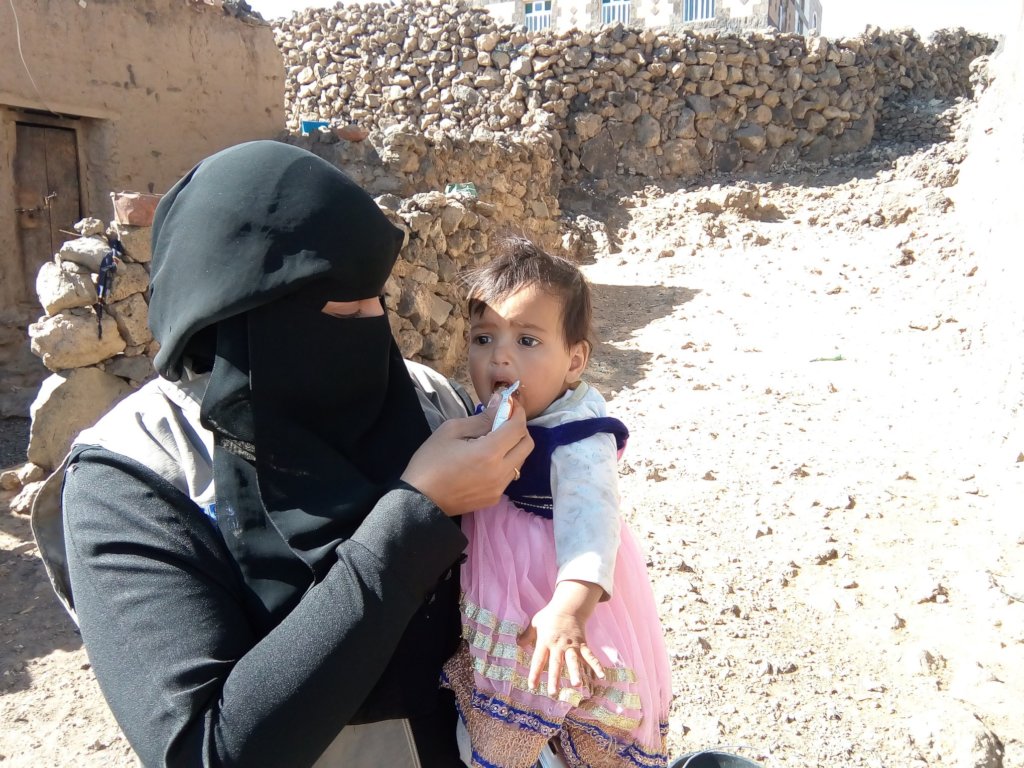
Our medical teams immediately prescribed Mina a once-daily nutritional supplement called Plumpy’Nut, a peanut-based paste used to reverse the effects of malnutrition, particularly in humanitarian crises. Our teams closely monitored Mina’s weight, tracking her progress every two weeks on subsequent trips to her village. On her third visit, she had gained enough weight to rest safely out of acute malnutrition’s reach.
While Mina has regained the weight she lost, millions of children in Yemen continue to suffer from malnutrition to the point where they become permanently impaired or, in many cases, die. A recent United Nations report estimates that at least 7,300 children have been killed or seriously injured by the country’s war, while another 360,000 are suffering from severe acute malnutrition – the most extreme form of hunger. Half of all children in Yemen under the age of five have irreversible stunted growth, impairing their cognitive functions and weakening their immune systems. They will experience severe health issues for the rest of their lives.
“For the fifth year in a row, the situation in Yemen has only worsened,” shares Mutasim. “The conflict has pushed the country to the brink of social, economic, and institutional collapse. The people of Yemen cannot afford another year of war.”
*Names changed for protection.
Project reports on GlobalGiving are posted directly to globalgiving.org by Project Leaders as they are completed, generally every 3-4 months. To protect the integrity of these documents, GlobalGiving does not alter them; therefore you may find some language or formatting issues.
If you donate to this project or have donated to this project, you can receive an email when this project posts a report. You can also subscribe for reports without donating.



Support this important cause by creating a personalized fundraising page.
Start a Fundraiser