By Ugbede-Ojo Dominic Kadiri | Project Leader
Dear Donors,
Imagine being a teenage girl who gets her period every month but cannot always afford a sanitary pad.
Now imagine facing that same challenge while living with a disability.
For some girls in rural Northern Nigeria, menstruation comes with difficulties many people rarely think about. A toilet may not be accessible to someone using crutches or a wheelchair. There may be nowhere private to change. A family struggling to meet daily needs may simply not have money for pads every month.
UNICEF says girls and women with disabilities can face greater challenges managing their periods safely and with dignity. They may experience stigma connected to both menstruation and disability, while inaccessible water and sanitation facilities can make managing a period even harder.
WHO estimates that around 500 million people who menstruate worldwide lack access to menstrual materials and suitable water, sanitation and hygiene facilities. WHO also identifies people with physical or intellectual disabilities among groups facing greater menstrual-health difficulties.
But we want to do more than give 50 girls sanitary pads.
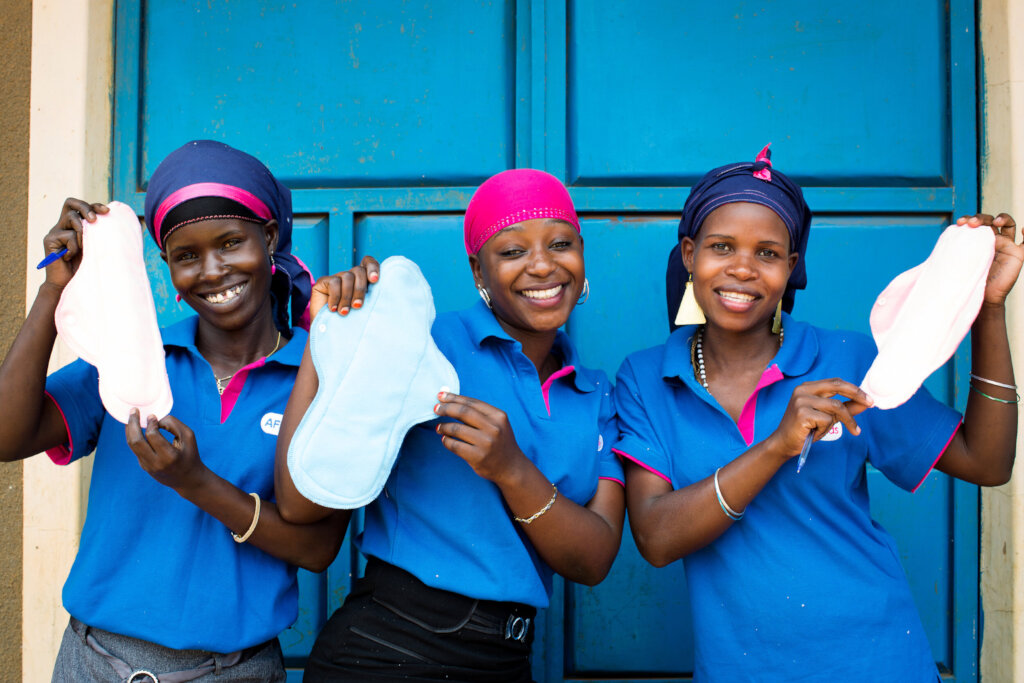
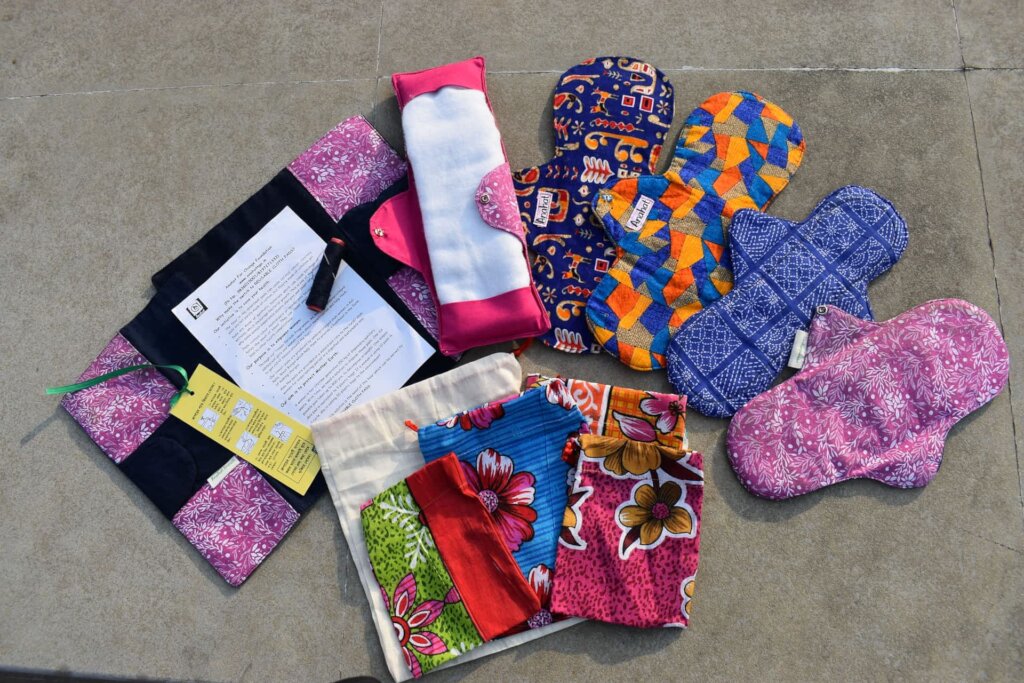
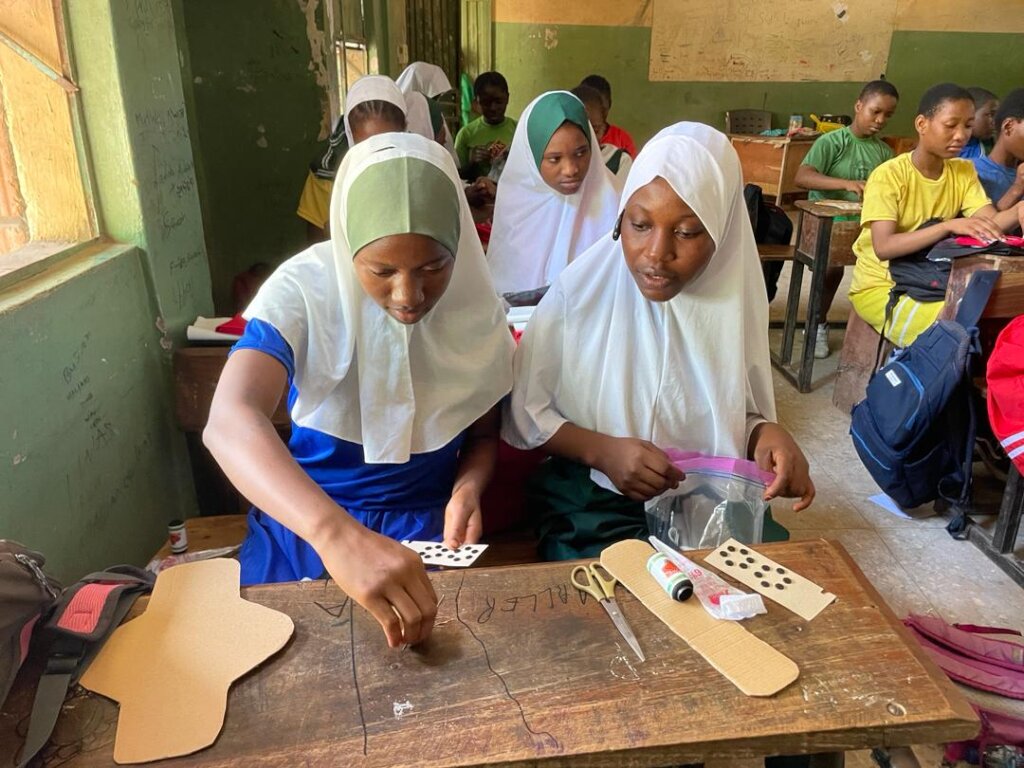
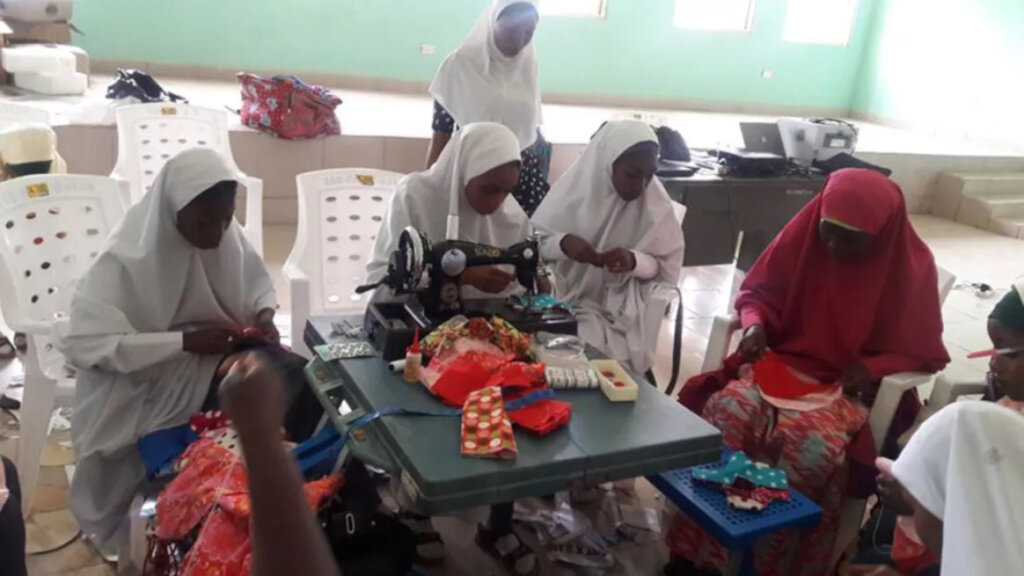
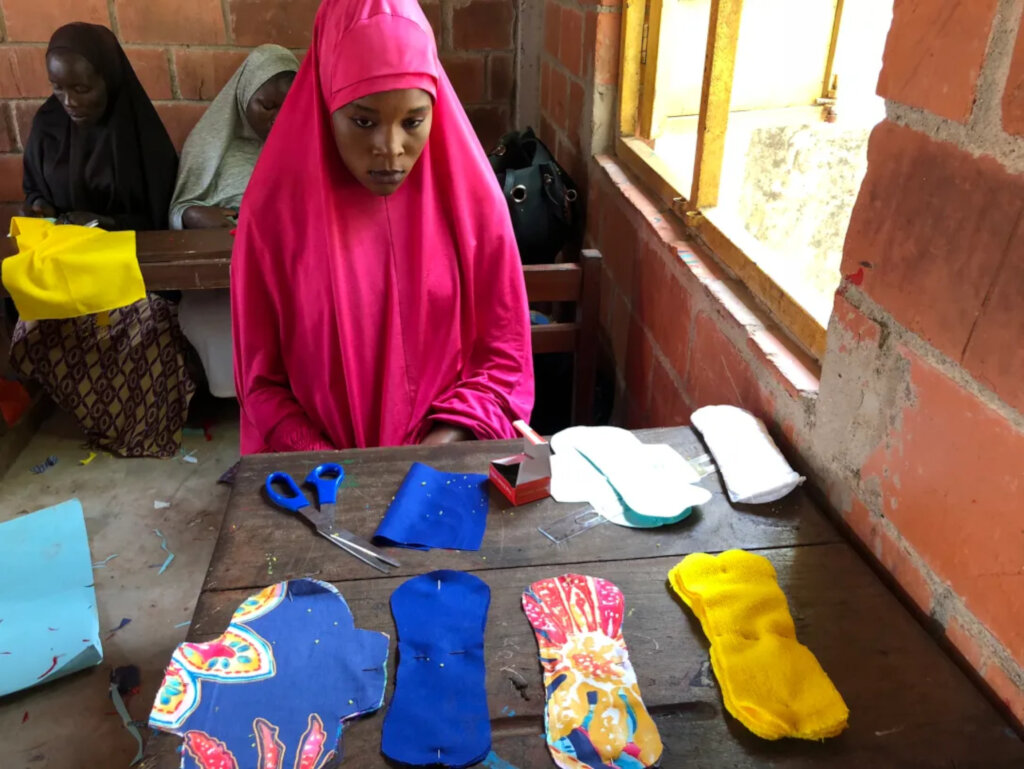
We want to teach them how to make their own.
During five days of practical training, the girls will learn how to cut fabric, sew reusable sanitary pads, select suitable materials, care for the finished pads, and practise safe menstrual hygiene.
Then comes another part of their story.
Each participant will receive a starter kit and small grant to help her begin making reusable pads after the training.
A girl who once depended entirely on someone else to buy her pads can learn to make them herself.
She can make another for her sister.
She can make pads for other girls in her community.
And with the right support, she may be able to sell what she makes and earn some income of her own.
UNICEF Nigeria has previously documented pad-making programmes where girls learned to produce reusable sanitary pads from affordable materials. UNICEF reported that sanitary pads can be expensive or inaccessible for some Nigerian girls, leading some to use rags or paper instead.
For a girl living with a disability, earning even a small income can help with needs beyond menstruation. Money from her work could help pay for school materials, medicine, transportation, or mobility aids.
We want these 50 girls to be seen for what they can learn, make, and contribute—not only for their disabilities.
To our donors who have already supported this project, thank you. Your donations are helping us move toward a training where a piece of fabric, a sewing skill, and an opportunity to learn can become something a girl carries with her long after the five days are over.
If this project speaks to you, please share it with your family and friends. You can also start an individual fundraiser and invite others to support the training.
She may need support today, but with the right skills, tomorrow she may be the one making something another girl needs.
Thank you for believing in these girls.
With gratitude,
Ugbede-Ojo Dominic Kadiri
By Ugbede-Ojo Dominic Kadiri | Project Leader
By Ugbede-Ojo Dominic Kadiri | Project Leader
Project reports on GlobalGiving are posted directly to globalgiving.org by Project Leaders as they are completed, generally every 3-4 months. To protect the integrity of these documents, GlobalGiving does not alter them; therefore you may find some language or formatting issues.
If you donate to this project or have donated to this project, you can receive an email when this project posts a report. You can also subscribe for reports without donating.



Support this important cause by creating a personalized fundraising page.
Start a Fundraiser