By Janet Sama | Project Manager
IMPROVING LEARNING CONDITIONS IN RURAL TOMBEL – NSUKE COMMUNITY
THE CHALLENGE
Addressing the lack of proper school furniture to improve education in rural communities
In rural communities like Nsuke, students face significant challenges in accessing quality education. One of the most pressing issues is the lack of proper school furniture, which directly impacts student performance, attendance, and overall classroom experience. Many children are forced to sit on the floor or share overcrowded, broken benches, making it difficult to concentrate during lessons.
Key problems faced by students and teachers in Nsuke before the intervention:
Insufficient Seating: Many students had no designated place to sit, affecting posture, comfort, and focus.
Overcrowded Classrooms: Many students crammed onto a few available benches, making movement difficult and increasing classroom disorder. Discomfort and Poor Learning Conditions: Sitting on the floor for long hours led to back pain and fatigue, reducing students’ ability to participate actively in lessons.
Reduced Attendance and Enrollment: Parents were hesitant to send their children to schools with poor infrastructure, leading to increased dropout rates.
In response to these challenges, Hope Spring for All Nations initiated the Improving Learning Conditions in Rural Schools project, which aims to provide durable, high-quality benches to schools in need. This initiative is part of a broader effort to create a safe, comfortable, and engaging learning environment for students, thereby increasing school attendance, retention, and overall academic performance.
THE SOLUTION
Providing 30 durable benches to improve student seating and enhance learning conditions
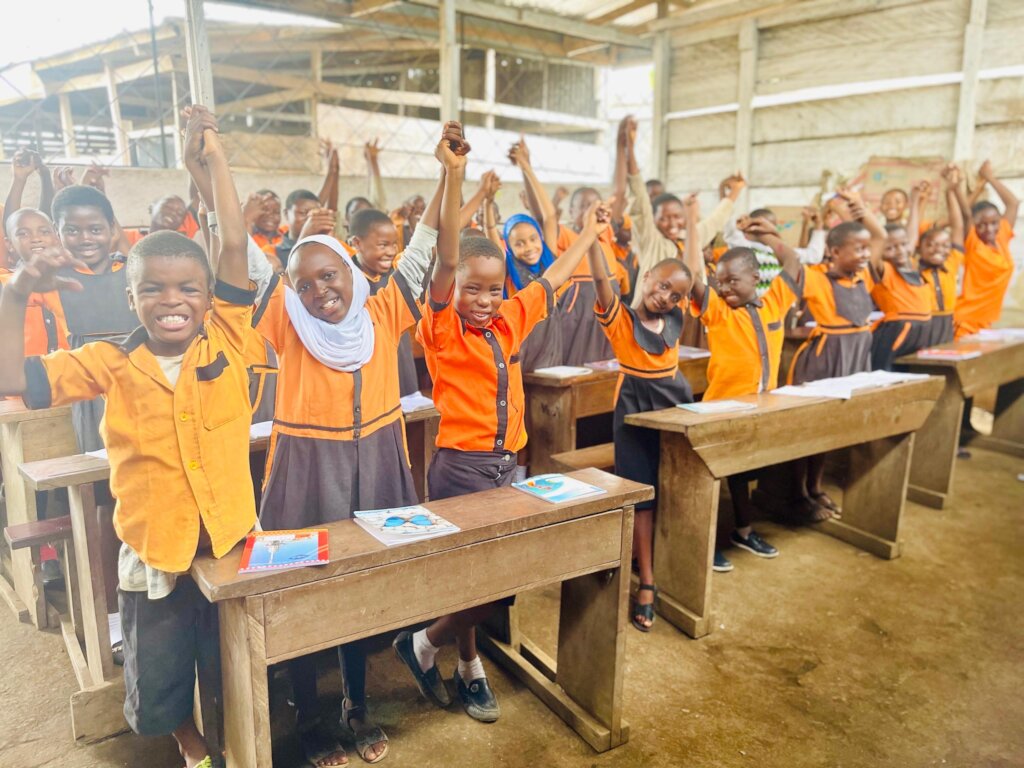
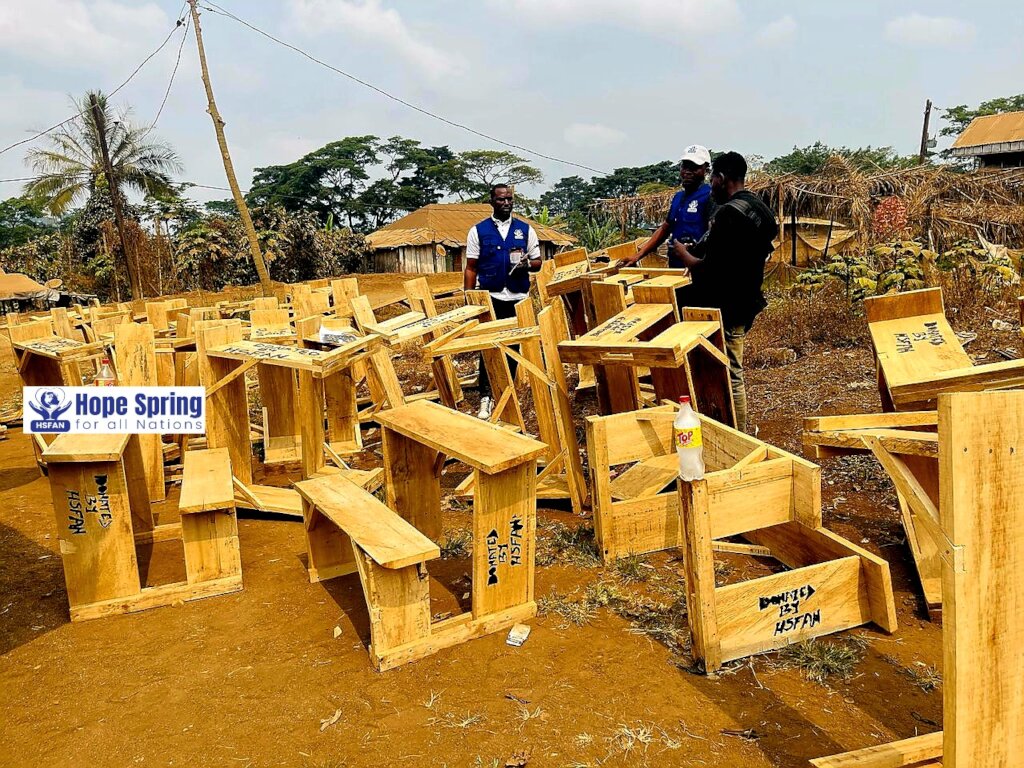
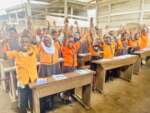
Hope Spring for All Nations successfully produced and donated 30 sturdy wooden benches to a school in Nsuke to address the pressing need for proper school furniture.
The intervention followed a structured approach to ensure maximum impact:
Community Needs Assessment – Our team conducted an assessment in Nsuke, engaging school administrators, teachers, students, and local community leaders to understand the extent of the need. The findings revealed that many students sat on the floor due to a severe shortage of benches.
Locally Sourced Materials – We prioritized sustainability by partnering with local carpenters to construct the benches using high-quality, durable wood sourced from nearby suppliers. This approach not only ensured longevity but also supported the local economy.
Skilled Craftsmanship & Quality Control – Skilled artisans crafted the benches, adhering to strict quality control measures to guarantee durability and comfort. Each bench was designed to accommodate multiple students, optimizing classroom space efficiently.
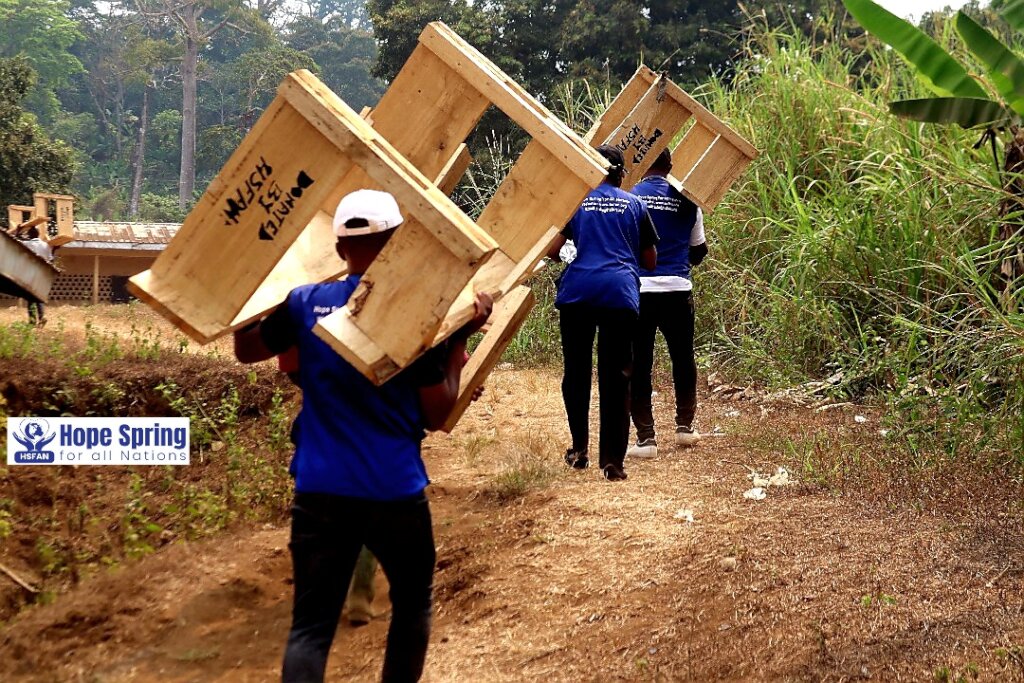
Efficient Production & Timely Delivery – Despite transportation challenges caused by poor road networks in Nsuke, our team ensured the safe and timely delivery of the benches to the school. The official handover ceremony was attended by school staff, students, parents, and community leaders.
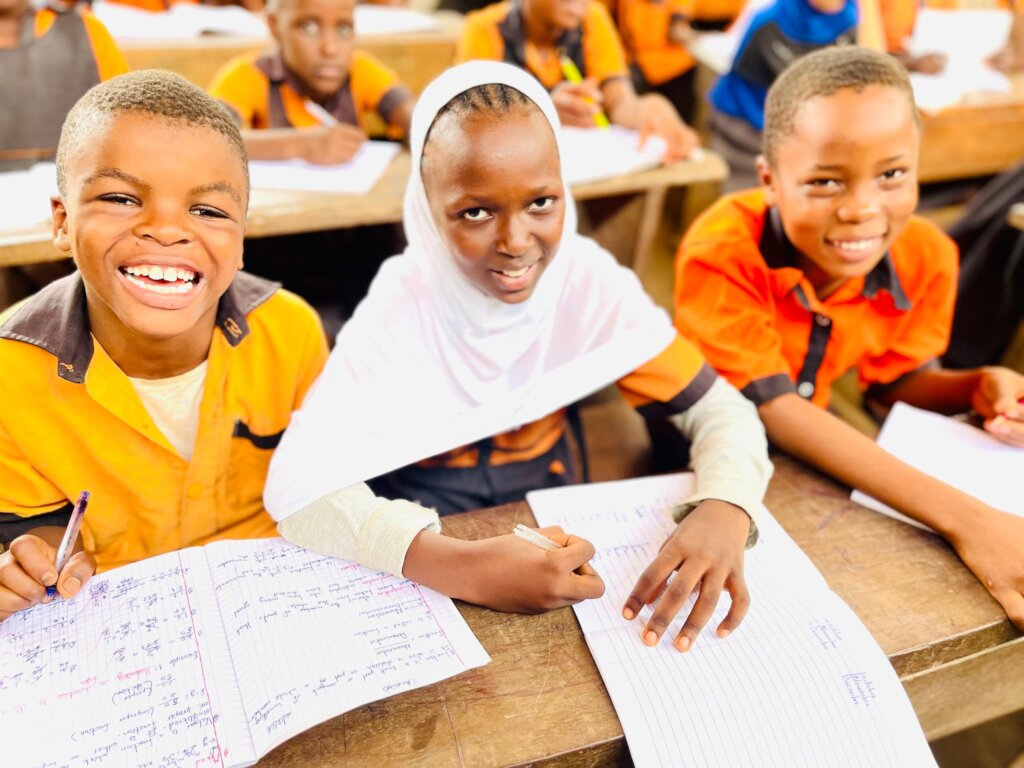
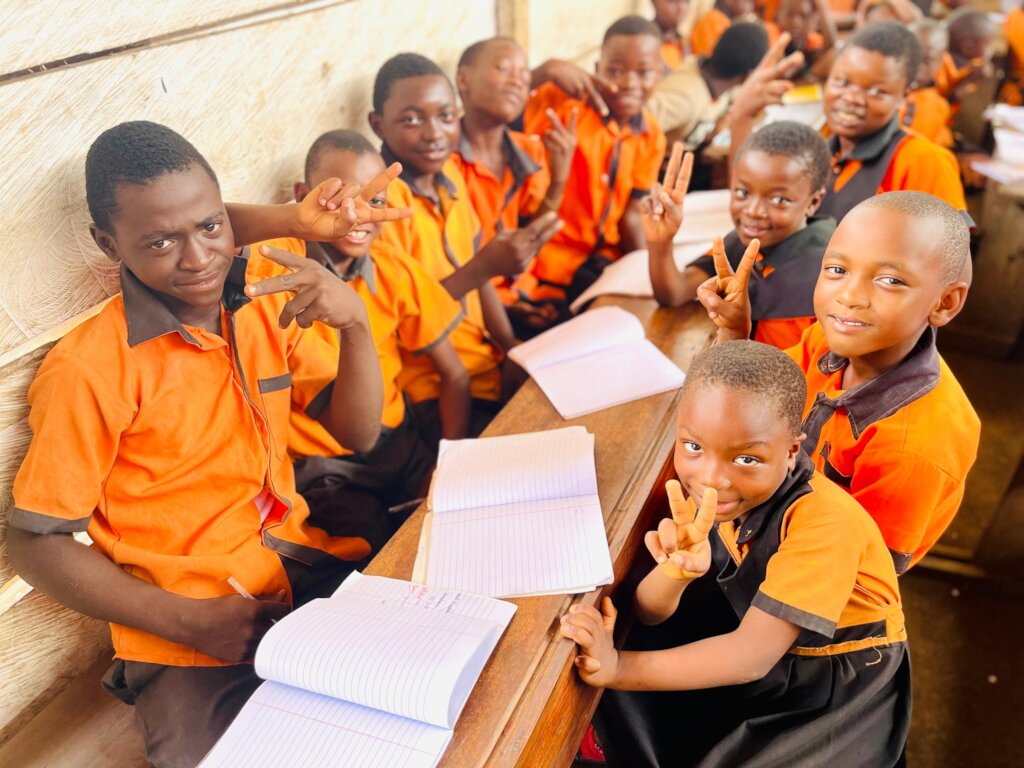
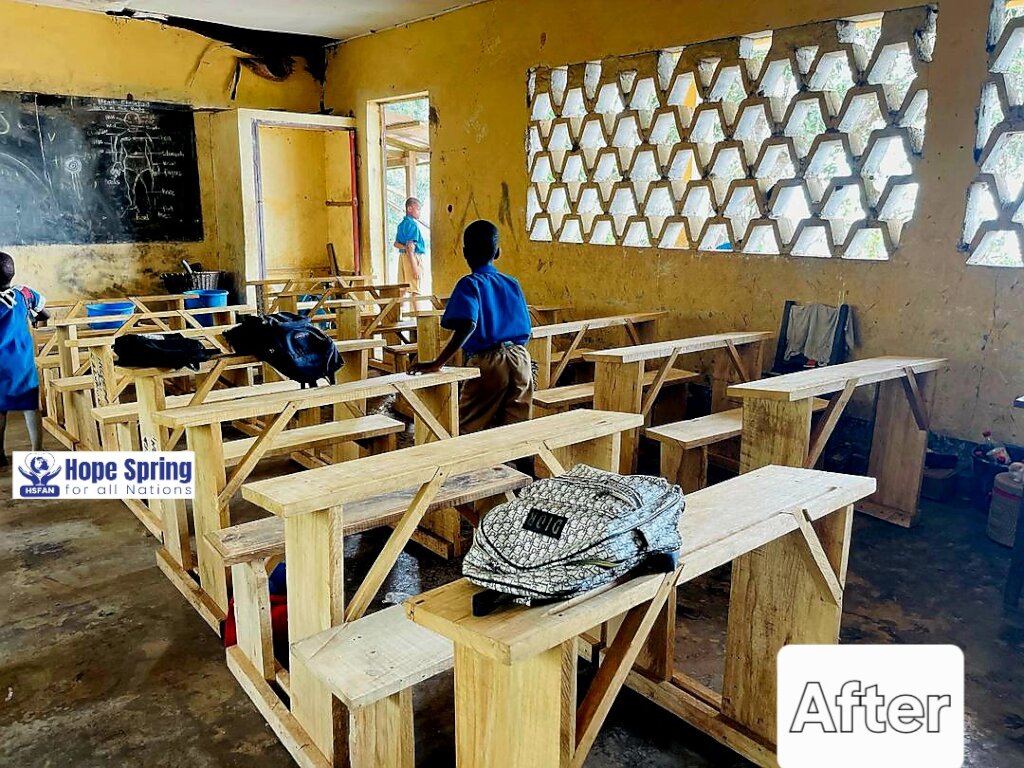
Student-Centred Impact – These benches directly benefit over 90 students, significantly improving their learning conditions by providing them with comfortable and structured seating arrangements.
This initiative has transformed the learning environment in Nsuke by ensuring that students no longer must sit on the floor or struggle with overcrowded seating.
THE RESULTS
Improved student learning conditions and increased classroom efficiency.
The impact of the 30-bench donation has been immediate and profound, as evidenced by feedback from students, teachers, and school administrators.
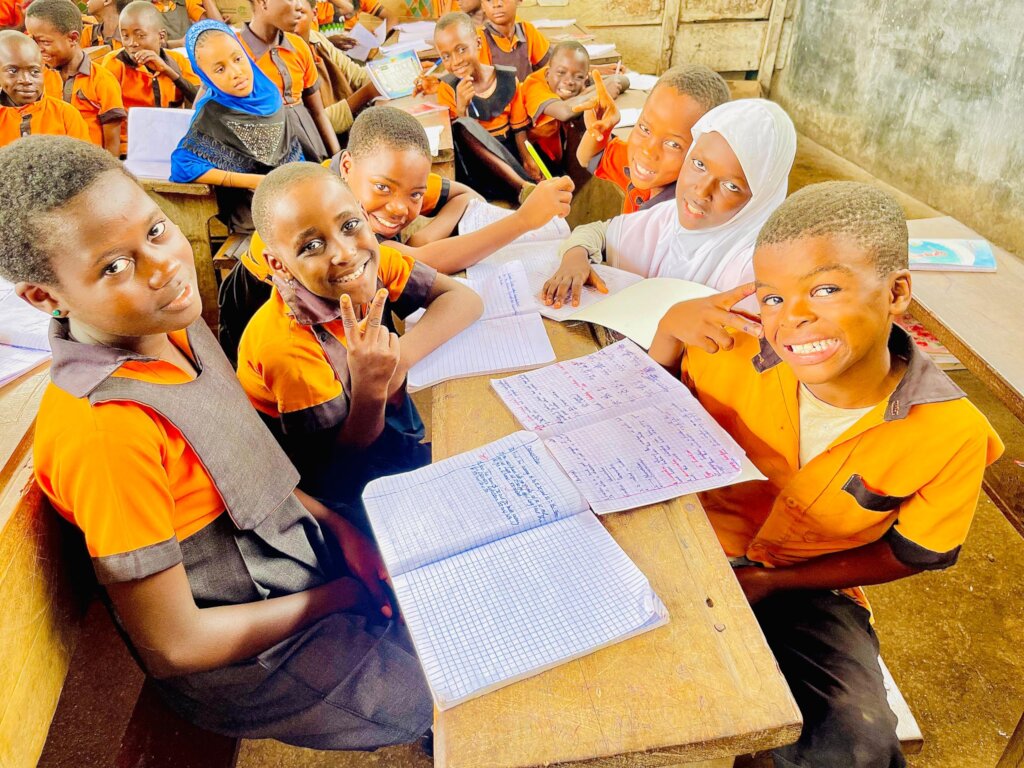
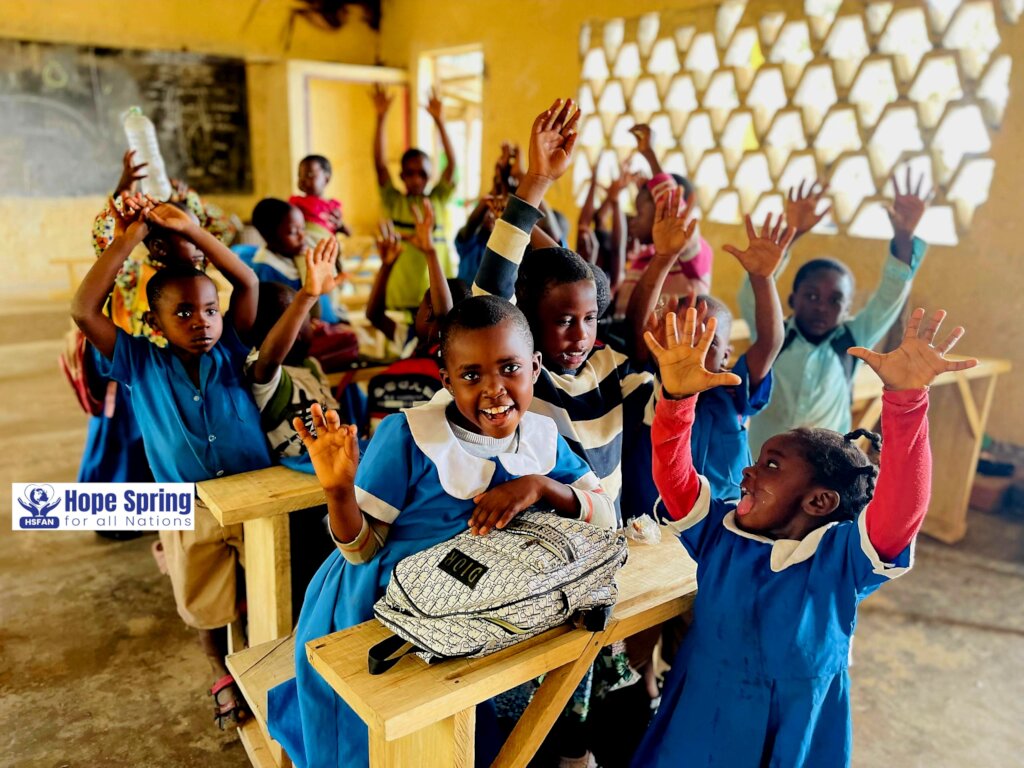
Increased Student Comfort & Focus – Students now have proper seating, allowing them to concentrate on their lessons without physical discomfort. Teachers report that students appear more engaged and eager to participate in class discussions.
Better Classroom Organization – The availability of adequate seating has helped improve classroom arrangement, enabling teachers to manage lessons more effectively and maintain order during classes.
Higher Student Engagement & Attendance – With an improved learning environment, teachers have observed higher class attendance and greater student participation, particularly among younger children who previously struggled to sit on the floor for long hours.
Positive Community Feedback – Parents and community members have expressed appreciation for the initiative, emphasizing that such interventions encourage families to prioritize education for their children.
The school administration in Nsuke has expressed gratitude for the support, noting that the new benches have significantly improved student morale and academic performance within a short period.
However, while this donation has made a significant difference, the demand remains high. More benches are urgently needed to accommodate the increasing number of students enrolling in rural schools like Nsuke.
CHALLENGES FACED & SOLUTIONS IMPLEMENTED
Challenges Encountered During Implementation:
Transportation Barriers: Poor road conditions in Nsuke made the delivery of benches difficult, leading to delays.
Rising Cost of Materials: The fluctuating cost of wood and construction materials posed financial challenges.
High Demand vs. Limited Resources: The need for more benches across rural schools exceeded the initial production capacity.
Solutions Implemented:
Partnering with Local Transporters: By collaborating with transporters familiar with the terrain, we could navigate the rough roads and ensure timely delivery.
Bulk Purchasing of Materials: To mitigate rising costs, we purchased wood and other materials in bulk, reducing overall expenses.
Strategic Fundraising for Future Expansion: Recognizing the high demand for benches, we are actively seeking additional funding and donor support to scale up the project.
Hope Spring for All Nations remains committed to enhancing education in rural communities. Based on the success of this initial phase, we are now focusing on the next steps:
Scale Up Bench Production: To accommodate more students, we aim to produce and distribute more benches to additional schools in Nsuke and neighboring villages.
Expand to More Schools: Our team is identifying more rural schools that urgently need seating solutions to improve learning conditions.
Enhance Sustainability: To ensure long-term impact, we plan to train school staff and local artisans in minor bench repairs and maintenance. This will extend the furniture's lifespan and reduce the need for frequent replacements.
Sanitation Improvement: In the next phase, we will construct 20 toilets in rural schools, addressing critical hygiene and sanitation challenges that impact student health and attendance.
The success of this initiative was made possible through the generous support of our donors, partners, and community volunteers. Their contributions are playing a crucial role in transforming the educational landscape of rural Tombel.
Links:
Project reports on GlobalGiving are posted directly to globalgiving.org by Project Leaders as they are completed, generally every 3-4 months. To protect the integrity of these documents, GlobalGiving does not alter them; therefore you may find some language or formatting issues.
If you donate to this project or have donated to this project, you can receive an email when this project posts a report. You can also subscribe for reports without donating.



Support this important cause by creating a personalized fundraising page.
Start a Fundraiser