Restore and Protect Forests in Mesoamerica

by EcoLogic Development Fund
Restore and Protect Forests in Mesoamerica

Project Report | Mar 24, 2015
Los 48 Cantones: 2014 Achievements!

By Alexa Piacenza | Program Associate for Development and Comm.

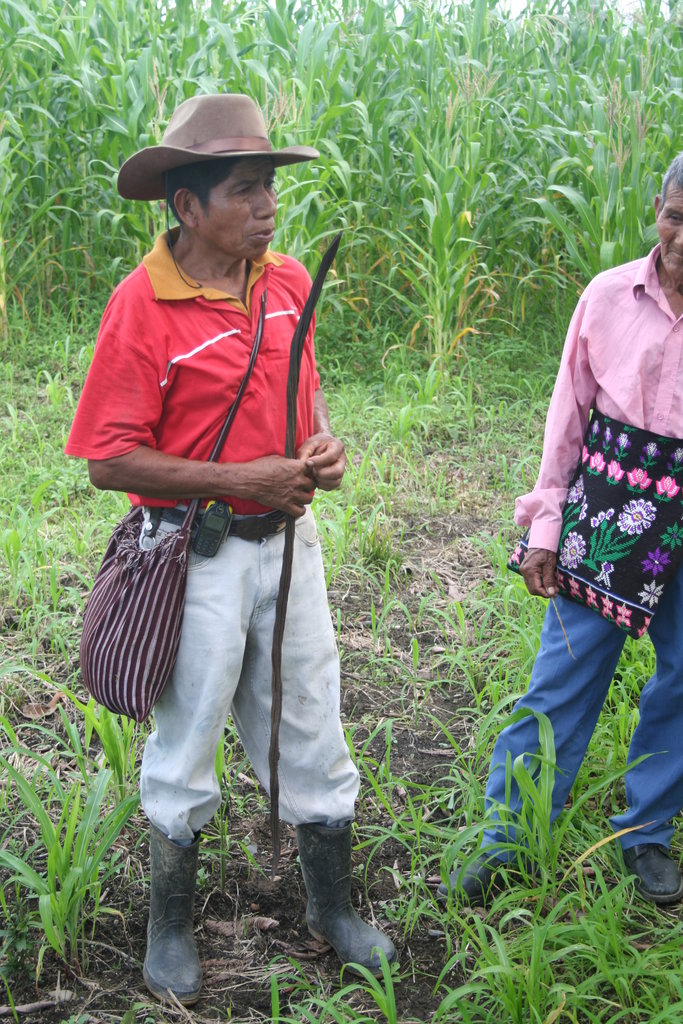
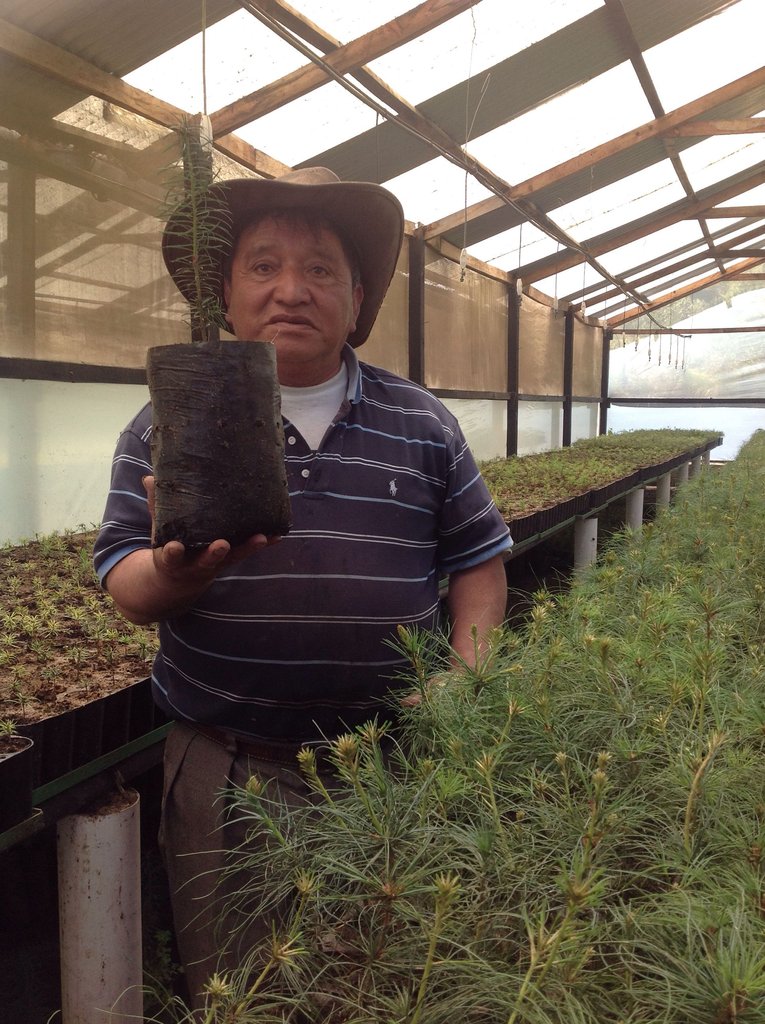
Don Agustin, Community Leader in Totonicapan

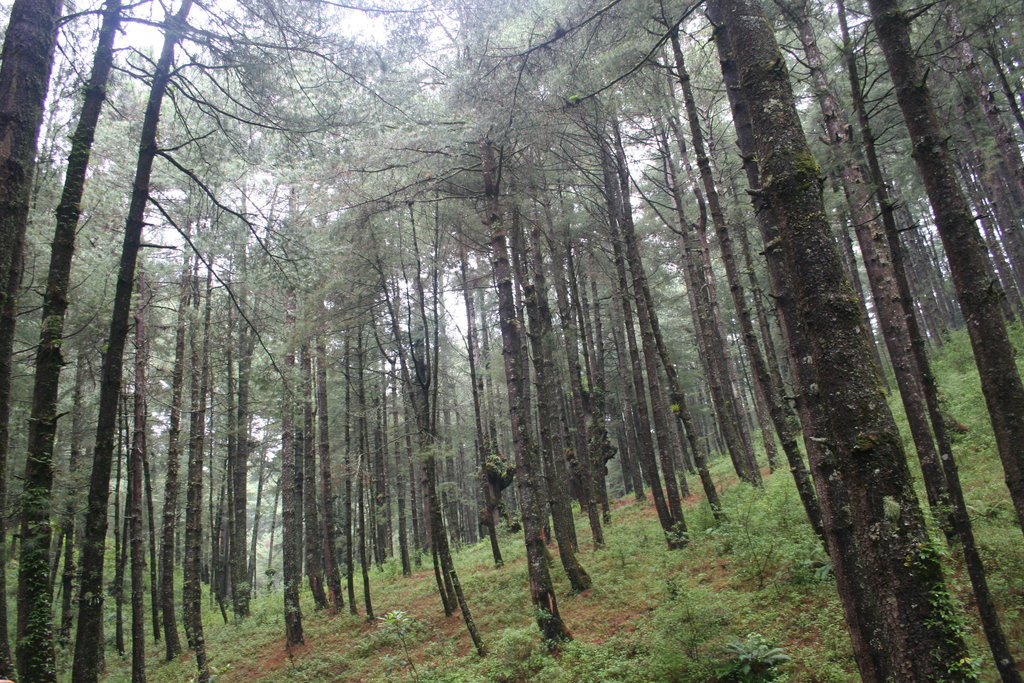
Since 2003, EcoLogic has successfully worked with its local partner, the 48 Cantones (cantónes are administrative regions) to promote and build local capacity for the restoration, management, and conservation of the 52,000-acre Communal Forest of Los Altos de San Miguel in the central highlands of Totonicapán, Guatemala. The 48 Cantones is a traditional indigenous governance body composed of local mayors that has supported communities and conservation of forest and water resources in the area for more than 800 years. 

The overwhelming majority of the 50 communities served in this project suffer from poverty, many from extreme poverty. The strategies co-implemented by EcoLogic and the 48 Cantones aid these communities in protecting the forest by reducing legal and illegal timber extraction. As a result of this collaboration, the deforestation rate in Totonicapán fell slightly below 1% last year, and hundreds of youth are now educated in traditional Maya Quiché conservation practices.

2014 Accomplishments

In the past year, EcoLogic and the 48 Cantones have successfully executed a multi-pronged approach.

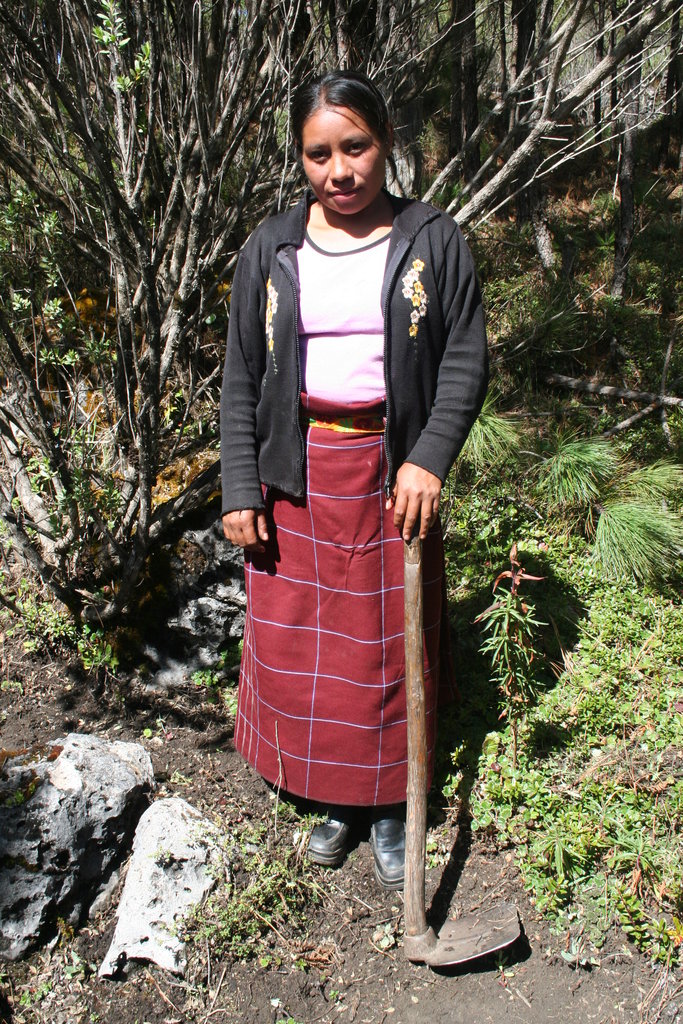
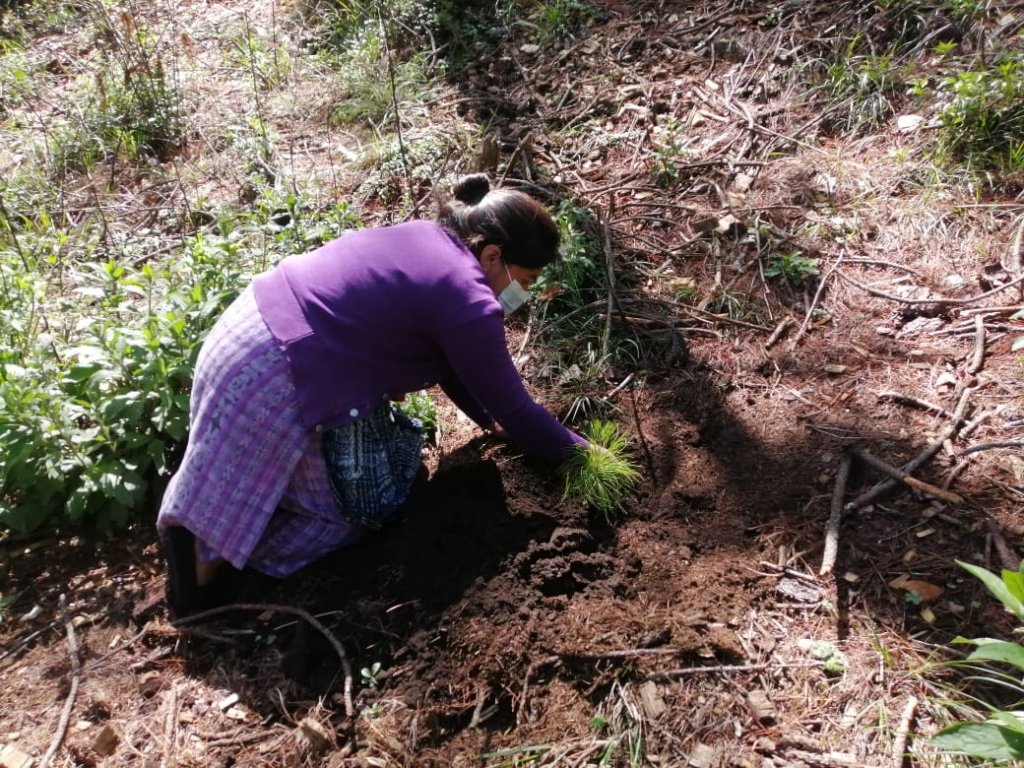
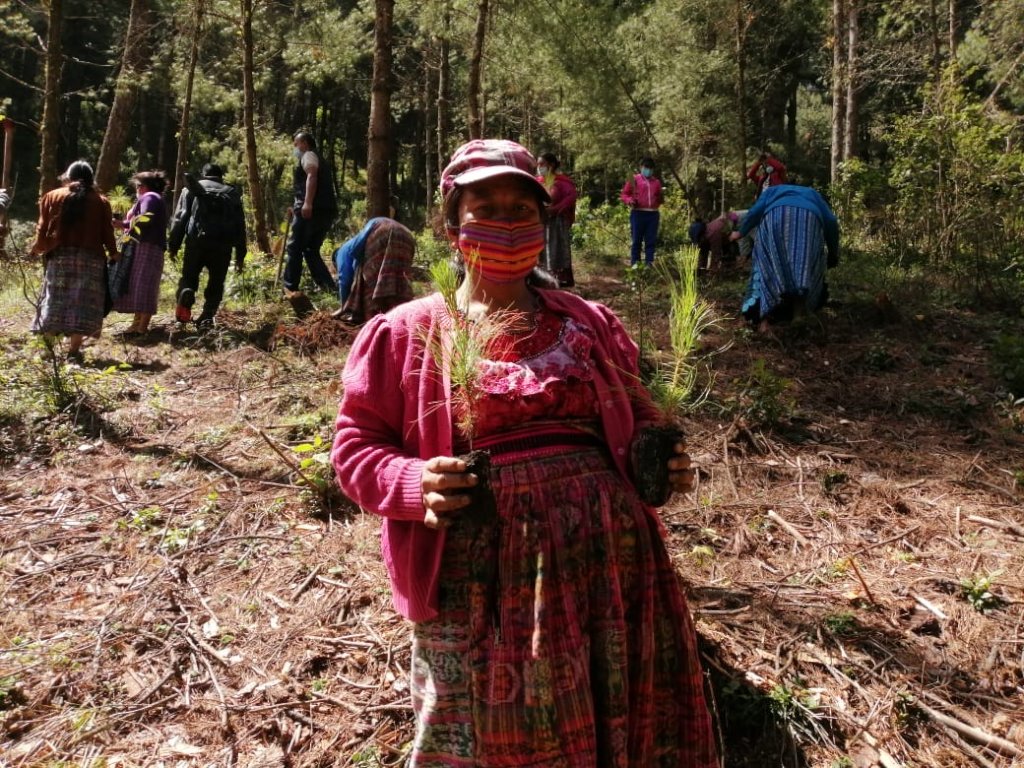
  1. A total of 132,000 native trees, including the Guatemalan Fir, White Pine, Red Pine, Cyprus, Oak, and Andean Alder, have been reforested in an area of approximately 286 acres of previously degraded forest.  Participants in reforestation activities included 2,950 participants from 29 communities, including 200 youth.  Delegates and directors of the Natural Resources Committee of the 48 Cantones perform forest monitoring once a month to supervise reforestation efforts, to assure that sapling trees are still intact, and to prevent illegal logging.  
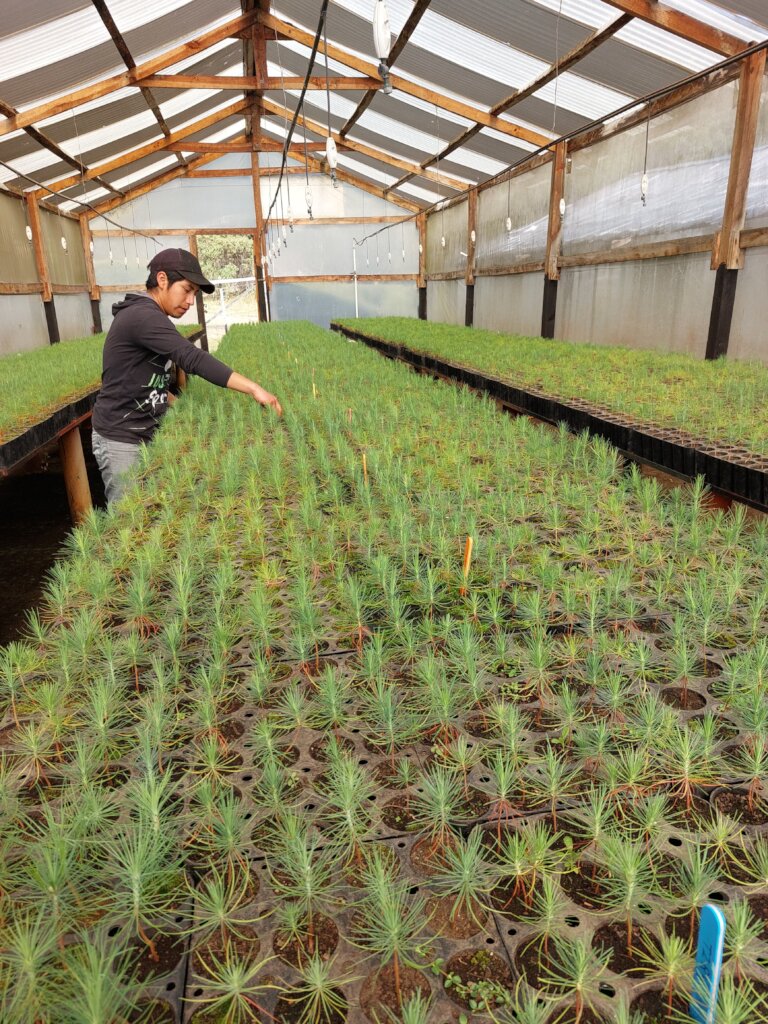
  2. A total of eight workshops were facilitated for 200 village water communities on the topics of forest restoration, watershed management, and habitat protection.  Additional workshops have been facilitated for 505 elementary school youth and 150 secondary school youth from 10 local schools. The majority of these youth will participate in a series of reforestation days when the next batch of native tree saplings growing in area greenhouses, also supported by EcoLogic, are ready for reforestation. Educating youth about conservation ensures that future generations lead in taking action to conserve and protect the forest against further degradation and damage.
  3. Furthermore, 64% of residents depend on firewood as a source of energy.  The stove models we have piloted and introduced in Totonicapán now decrease firewood consumption by as much as 60%.  This translates into a typical supply of 75 sticks of fuel wood lasting for nearly a week, as opposed to only 2-3 days when using a traditional open-pit fire.

Long-term Impact

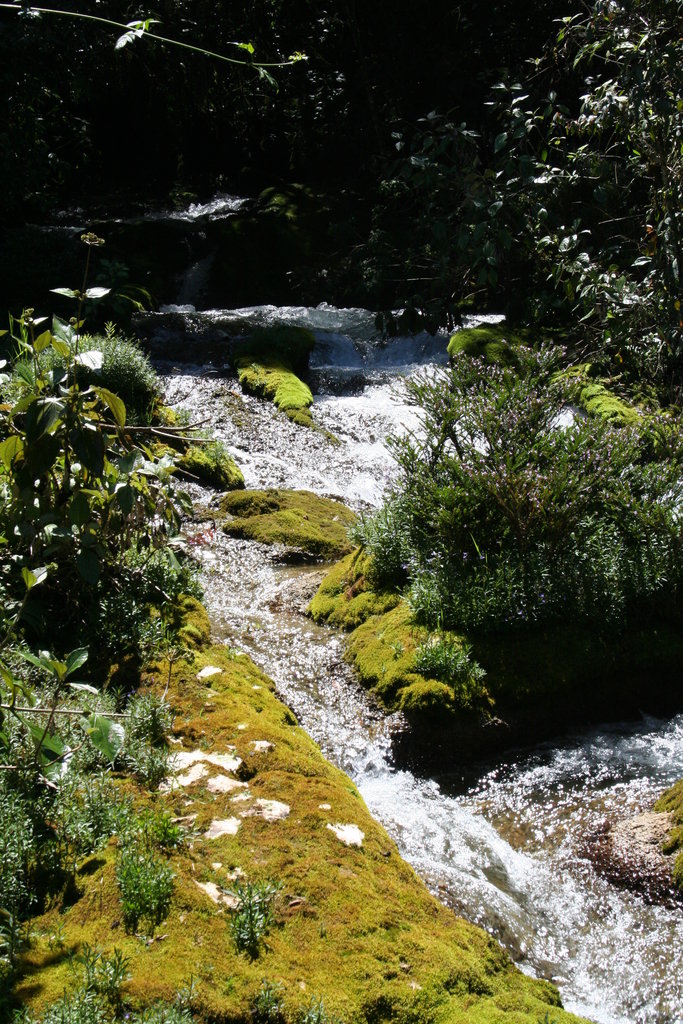
The forest restoration work, in combination with the reduced human pressure on resources through adoption of sustainable livelihood alternatives, has improved the long-term availability of natural resources such as microwatersheds for drinking water, timber, and soil.   Improved management of these resources, including multi-stakeholder collaboration around prevention of illegal logging, helps sustain livelihood practices such as agriculture, construction, and food preparation at the family level.  The educational component of our work has ensured that the majority of the residents in the local communities can demonstrate an understanding of environmental issues, the link between human activities and forest health, and resource availability.

Our partnership has received national and international acclaim for its focus on preserving a forest of socio-economic and cultural importance, in part through the preservation and dissemination of traditional Maya K’iche conservation practices.  Thank you for your ongoing support for our mission!

Share on Twitter Share on Facebook

About Project Reports

Project reports on GlobalGiving are posted directly to globalgiving.org by Project Leaders as they are completed, generally every 3-4 months. To protect the integrity of these documents, GlobalGiving does not alter them; therefore you may find some language or formatting issues.

If you donate to this project or have donated to this project, you can receive an email when this project posts a report. You can also subscribe for reports without donating.

Sign up for updates

Organization Information

EcoLogic Development Fund

Location: Cambridge, MA - USA
Website:
Facebook: Facebook Page
X / Twitter: Profile
EcoLogic Development Fund
Barbara Vallarino
Project Leader:
Barbara Vallarino
Cambridge , MA United States

Funded Project!

Combined with other sources of funding, this project raised enough money to fund the outlined activities and is no longer accepting donations.
   

Still want to help?

Find another project in Guatemala or in Climate Action that needs your help.
Find a Project

Learn more about GlobalGiving

Teenage Science Students
Vetting +
Due Diligence

Snorkeler
Our
Impact

Woman Holding a Gift Card
Give
Gift Cards

Young Girl with a Bicycle
GlobalGiving
Guarantee

Get incredible stories, promotions, and matching offers in your inbox

WARNING: Javascript is currently disabled or is not available in your browser. GlobalGiving makes extensive use of Javascript and will not function properly with Javascript disabled. Please enable Javascript and refresh this page.