By Jose Luis Delgado Camposeco | EcoLogic-MFN, Field Technician
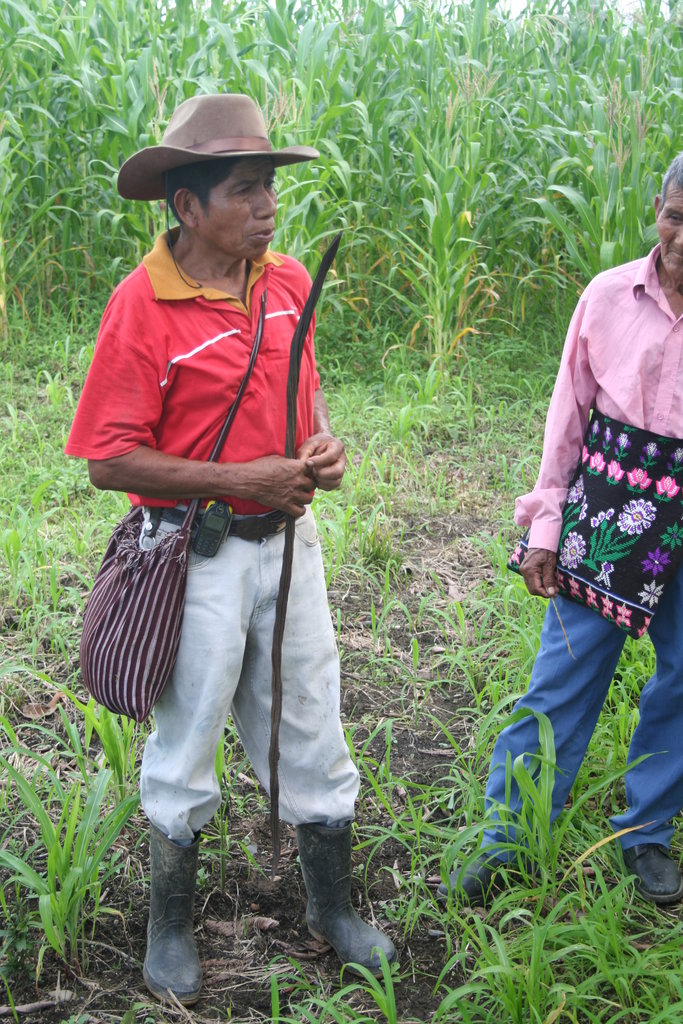
In July, I had the opportunity to interview Domingo Martín Domingo Sebastián, a Forest Technician for the Municipality of San Sebastián Coatán in northern Guatemala.
“I am a Forestry Technician of the Municipality of San Sebastián Coatán, which is part of the Mancomunidad Frontera del Norte. I joined the MFN about 3 years ago.’’ Mancomunidad Frontera del Norte (MFN) is an alliance of 6 municipalities in the departments of Quiché and Huehuetenango that works to encourage the protection and sustainable management of natural resources in the region.
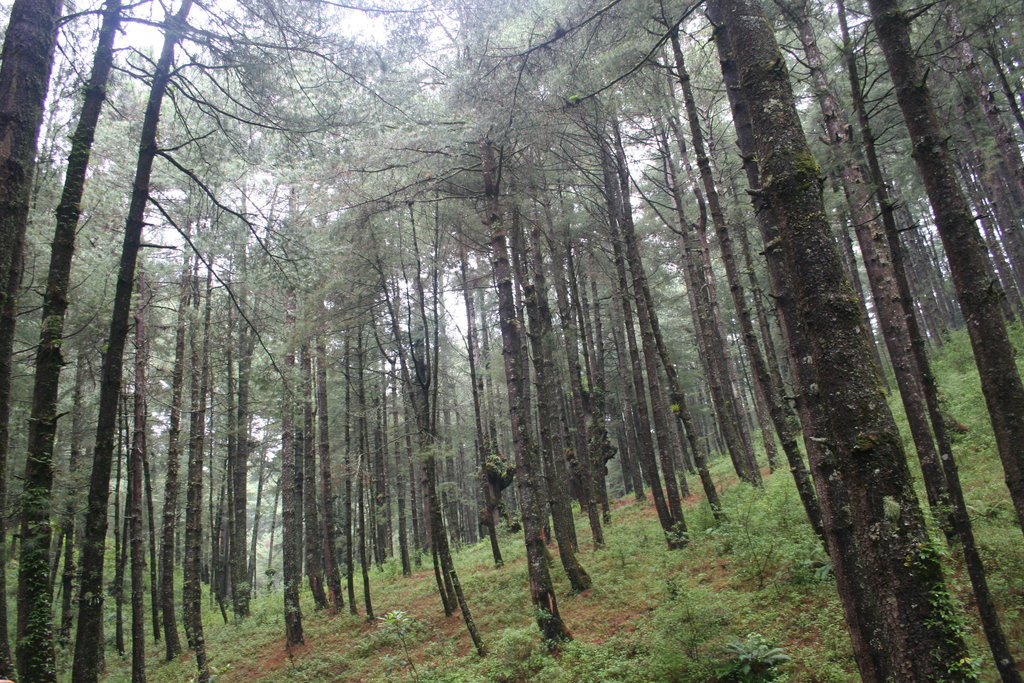
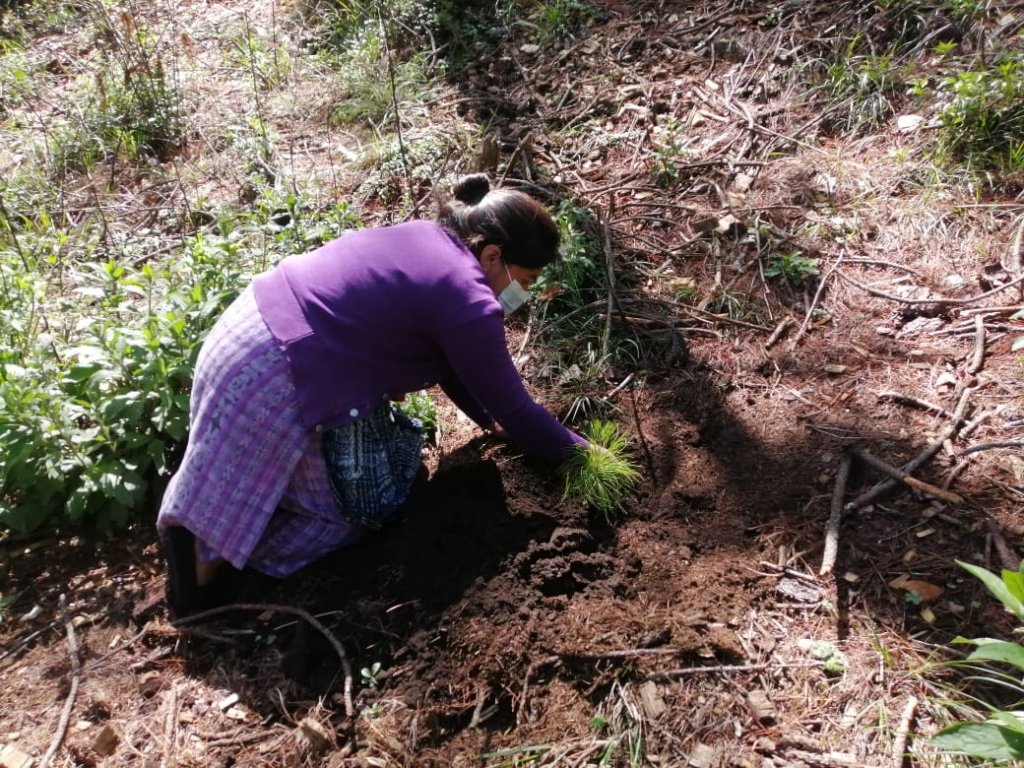
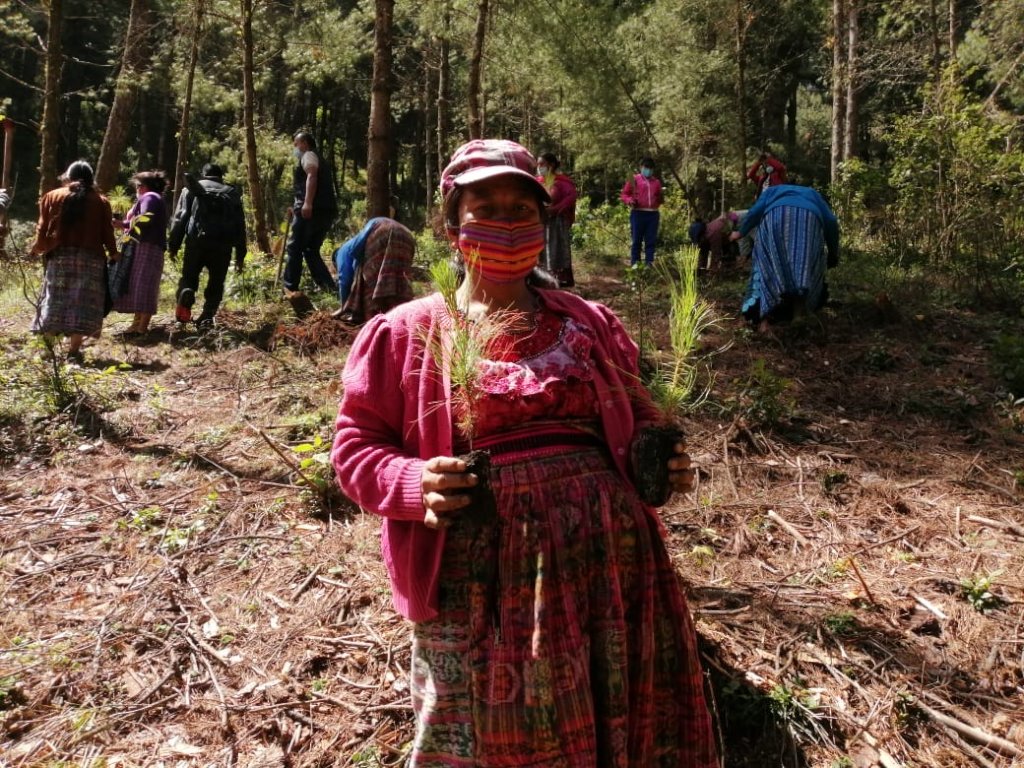
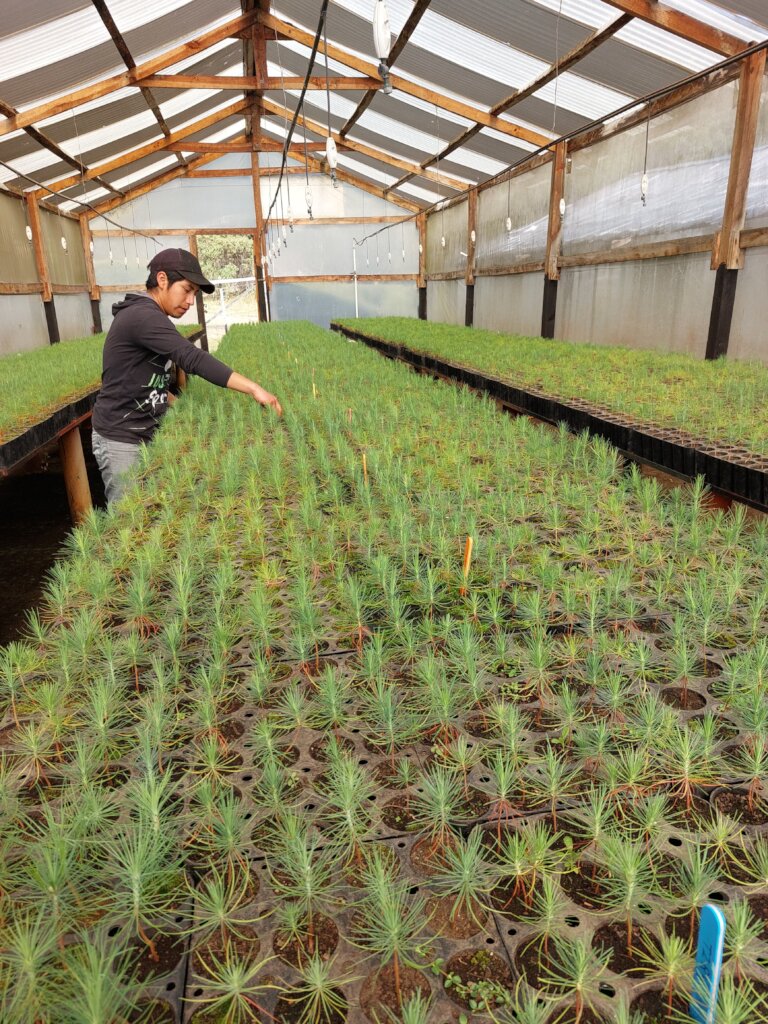
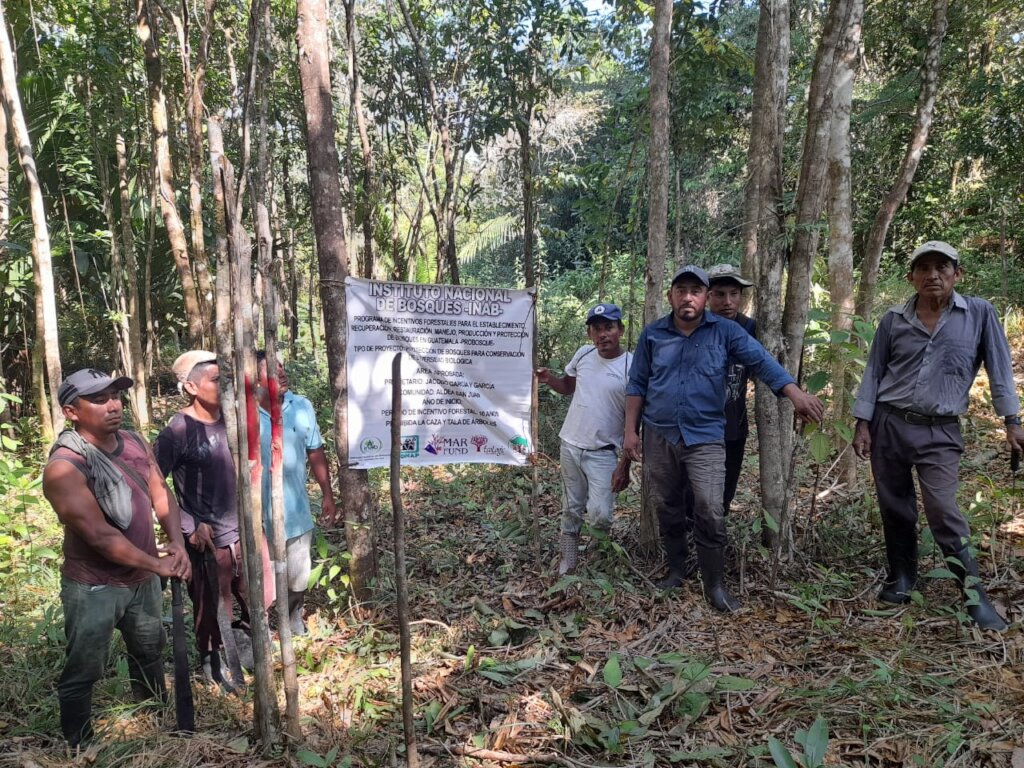
In Guatemala, the National Forest Institute’s (INAB) has instituted a Program of Incentives for Small-Scale Agricultural Producers (PINPEP). PINPEP is now part of a national program known as PROBOSQUE, a comprehensive effort to stimulate sustainable rural development. PINPEP provides financial incentives to Guatemalans with less than 15 hectares of land who plant trees or sustainably manage forests. However, one challenge to be able to qualify for these incentives is access to the tools and know-how necessary to fulfill the basic technical requirements—which can be tedious and complex.
In this region, via our partnership with MFN and our field technicians, EcoLogic has assisted farmers in learning how to access and enroll in the incentives programs that aim to increase adoption of sustainable agriculture, reforestation, and improved forest management. Having witnessed the success of EcoLogic’s efforts to connect farmers with incentives programs, municipal forest technicians involved with MFN have expressed interest in learning from our field technicians.
Domingo is part of the first group we are working to train, increasing the potential for impact in this region. As Domingo notes, “‘A few months ago, with support from EcoLogic we began learning how to take several measurements especially in the georeferencing of areas for forest plantations. Through these visits to the field, I have been acquiring good experience in the management and use of GPS and the tree planting distances that meet INAB’s requirements.’’
Our training process is very practical and emphasizes getting plenty of hands-on experience. As Domingo shared, “During the first training sessions, I learned how to use a GPS device, for the georeferencing of forest areas, but then we got to do practices and field visits. I have been learning many more things. The next step will be learning how to develop the management plans.’’
Domingo says the training is very significant because “it is a process of getting to know new ways of working, especially about the generation of PINPEP projects. Both at the municipal level and at the individual level, since this can help people economically as well as environmentally. And promoting this approach helps us to continue conserving natural resources.”
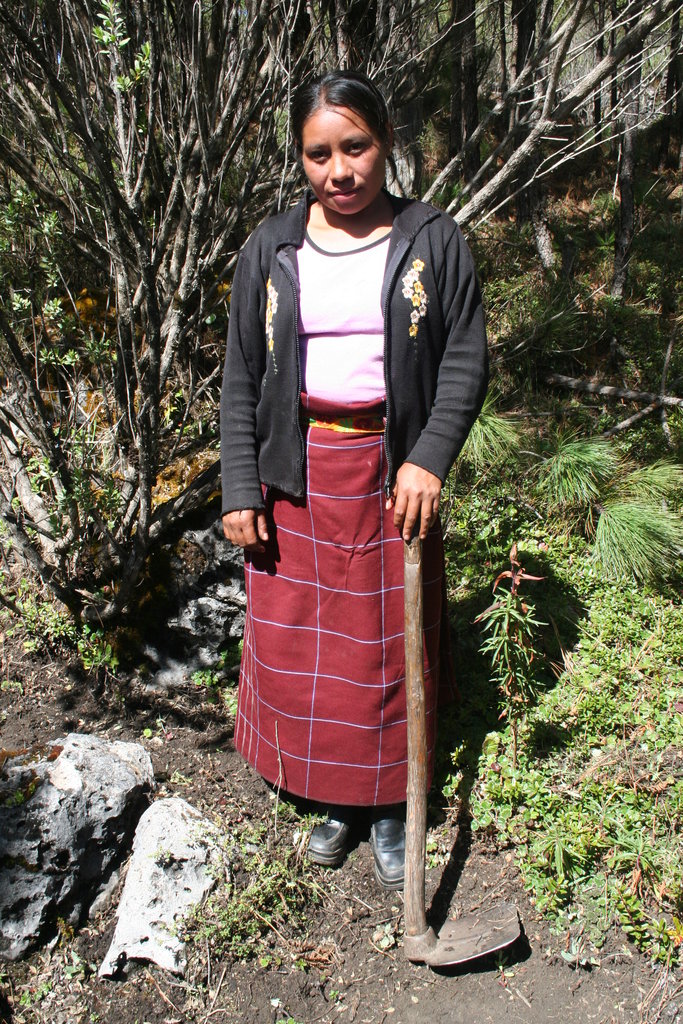
From 2013-2017, I have worked with my fellow field technicians to support farmers in Huehuetenango in the conservation of 622 hectares of forest through the development of 299 management plans/projects. Participating landowners will receive a shared total of $255,641—for many farmers, this payment will double their annual income. I am excited to see how much more we can do with this increased capacity! I will keep you posted. Thank you for your support.
Project reports on GlobalGiving are posted directly to globalgiving.org by Project Leaders as they are completed, generally every 3-4 months. To protect the integrity of these documents, GlobalGiving does not alter them; therefore you may find some language or formatting issues.
If you donate to this project or have donated to this project, you can receive an email when this project posts a report. You can also subscribe for reports without donating.