By Mario Ardany de Leon | Program Officer, Guatemala
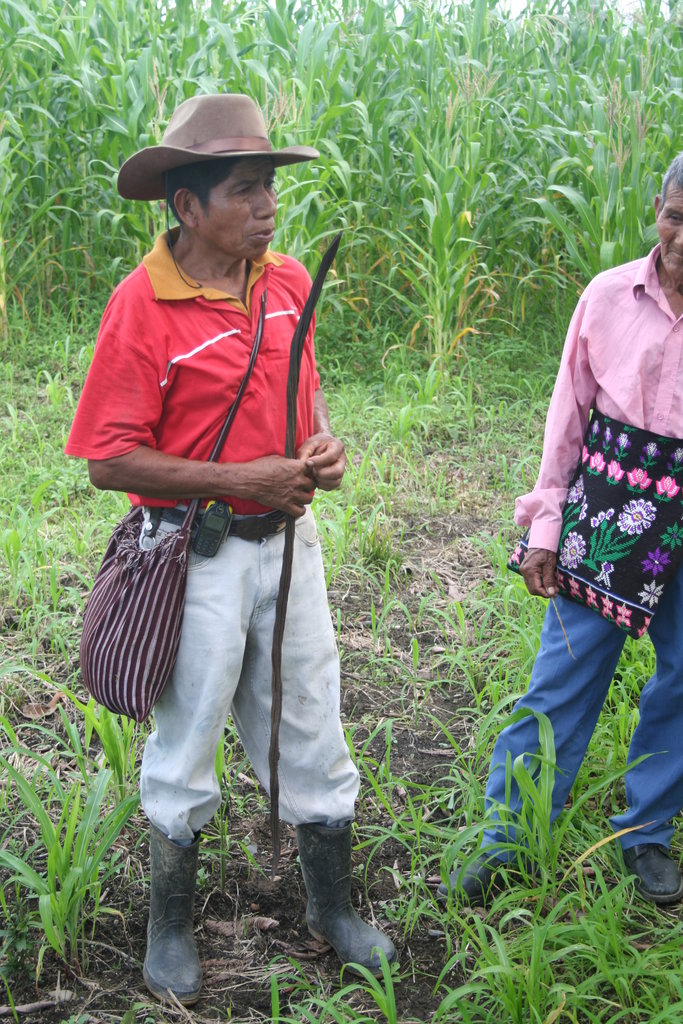
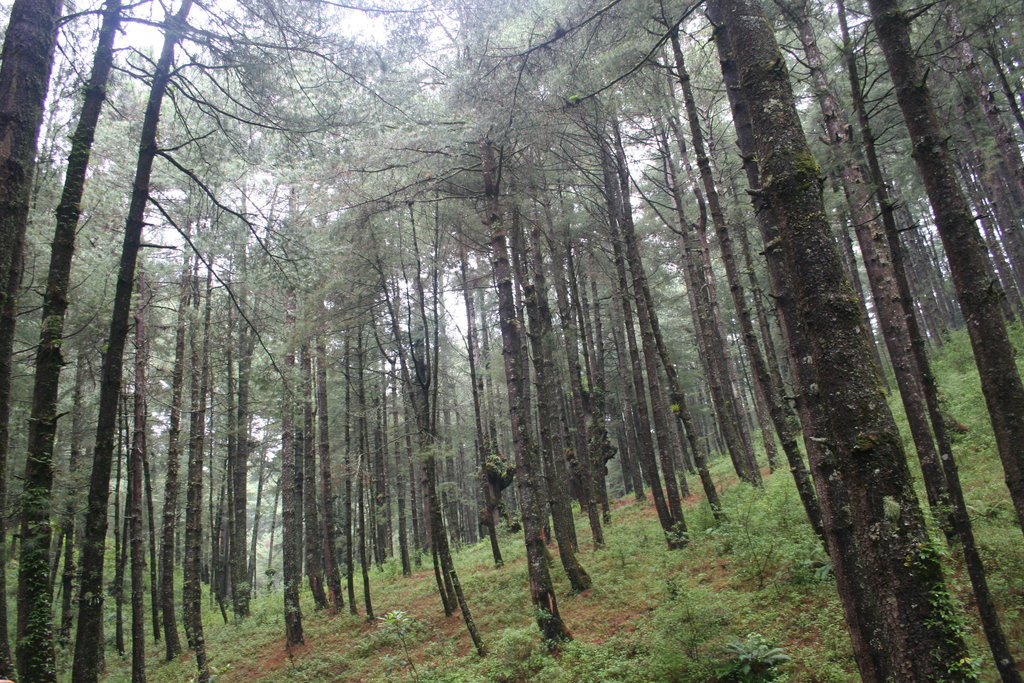
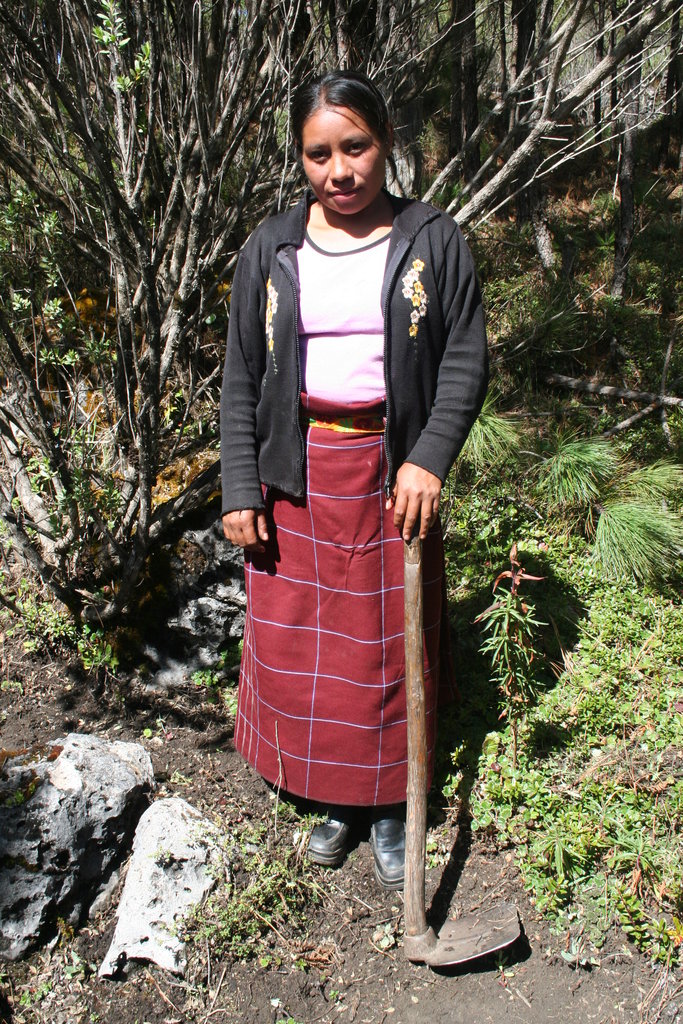
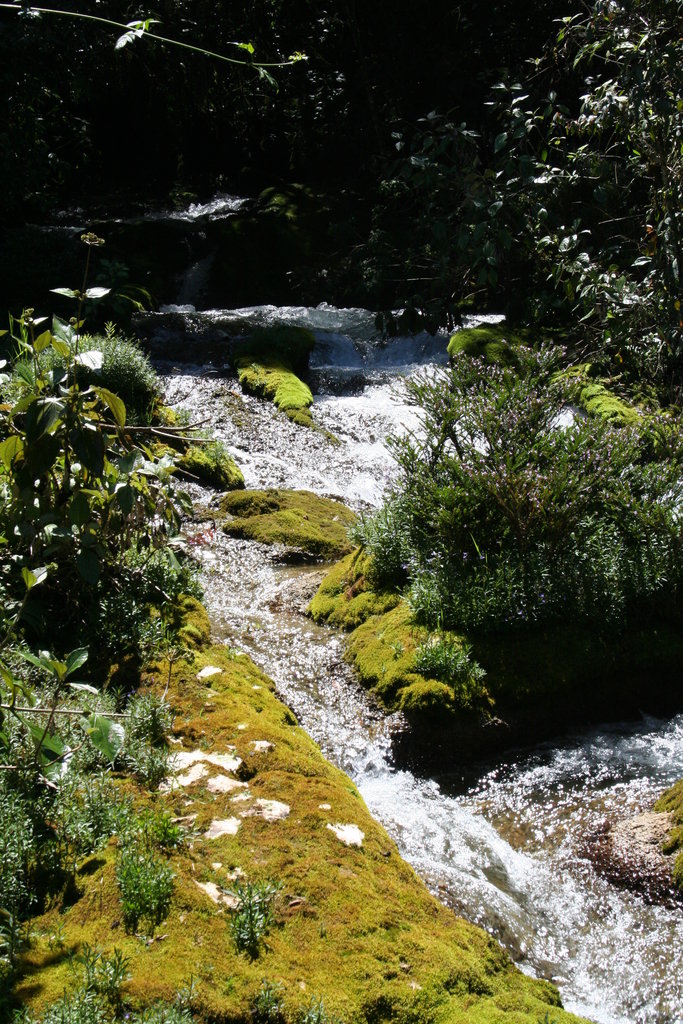
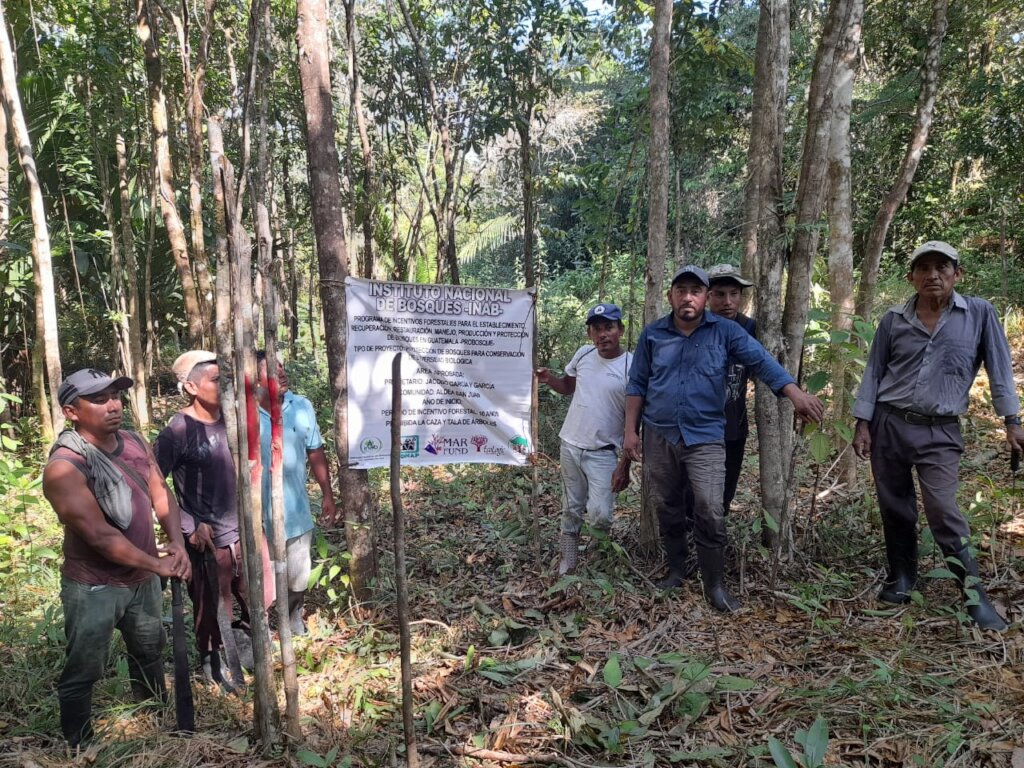
Rural and indigenous families in Guatemala depend upon forest ecosystems for their livelihoods and survival, often through subsistence agriculture. Farmers living in persistent poverty often have no choice but to adopt an immediate-term perspective resulting in the unsustainable use of natural resources, evidenced by the longstanding tradition of slash-and-burn agriculture. Using this approach, land can only be used for 2-3 years before the soil’s nutrients are depleted, requiring farmers to move to new land and cut down additional forest.
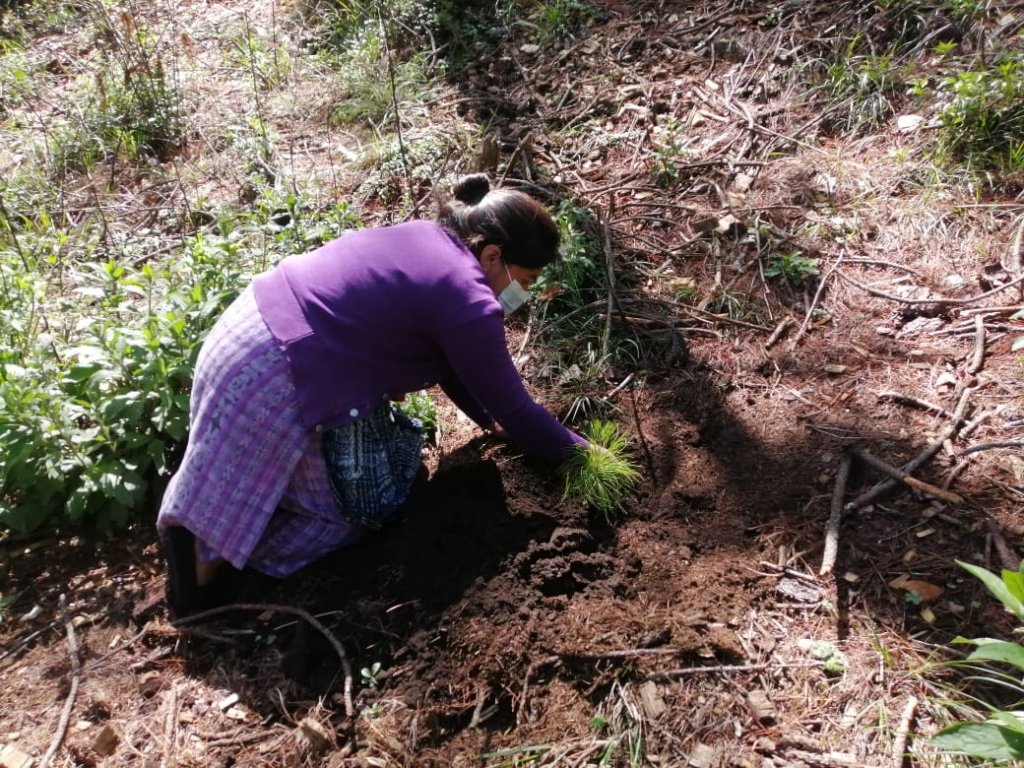
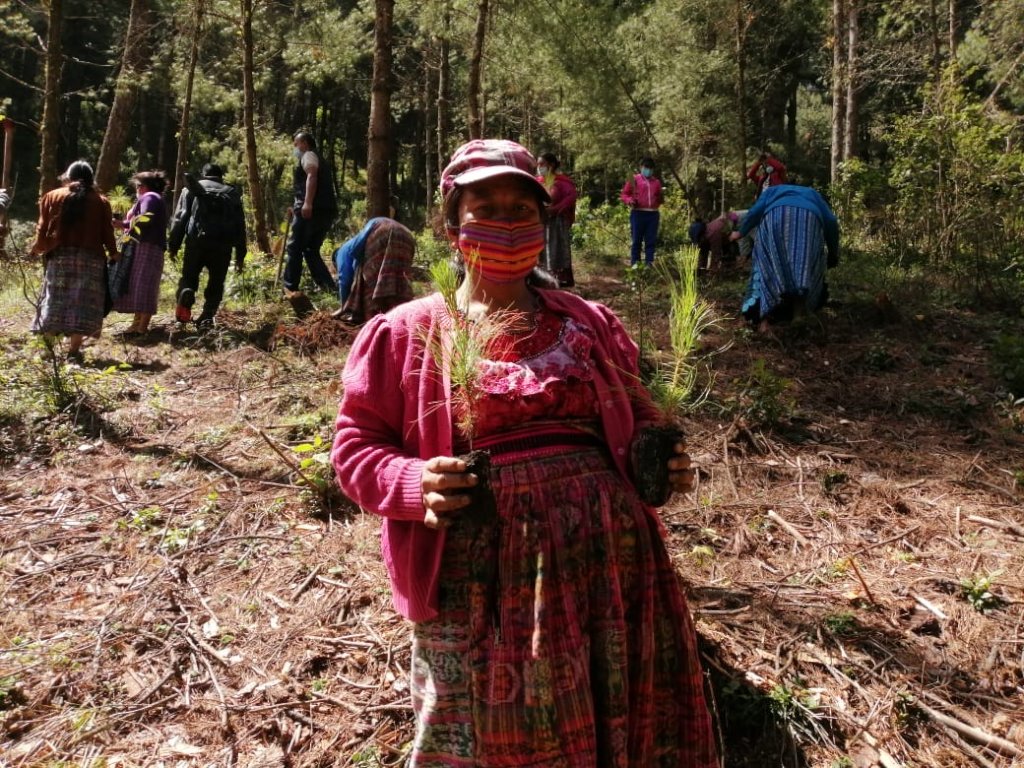
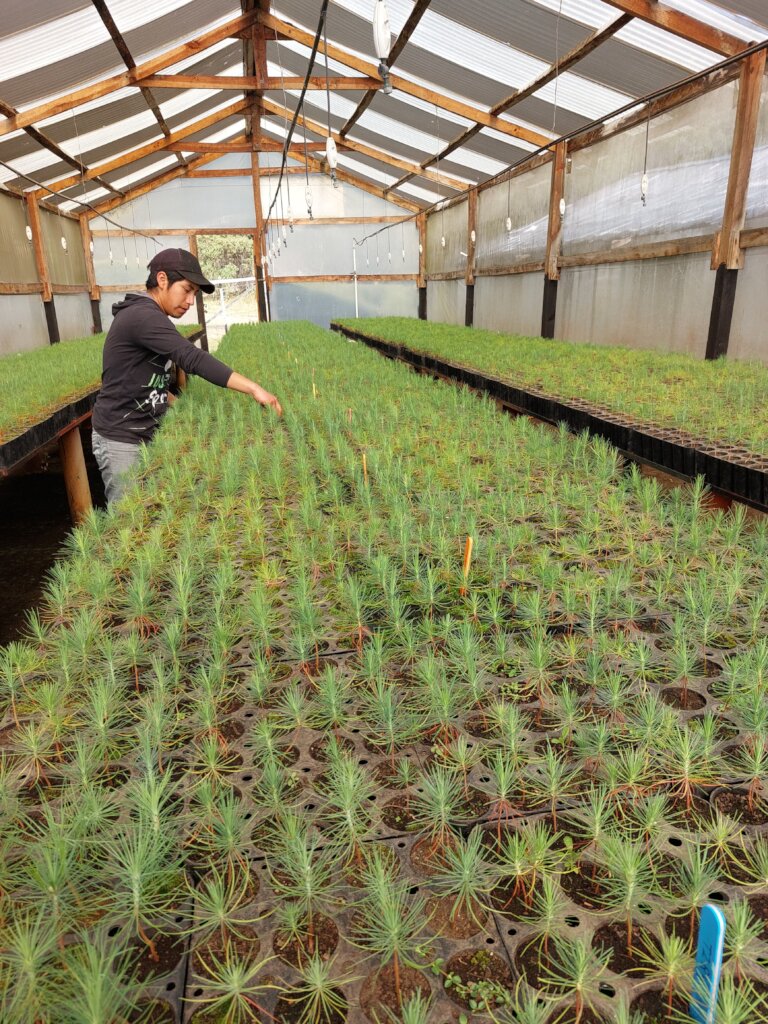
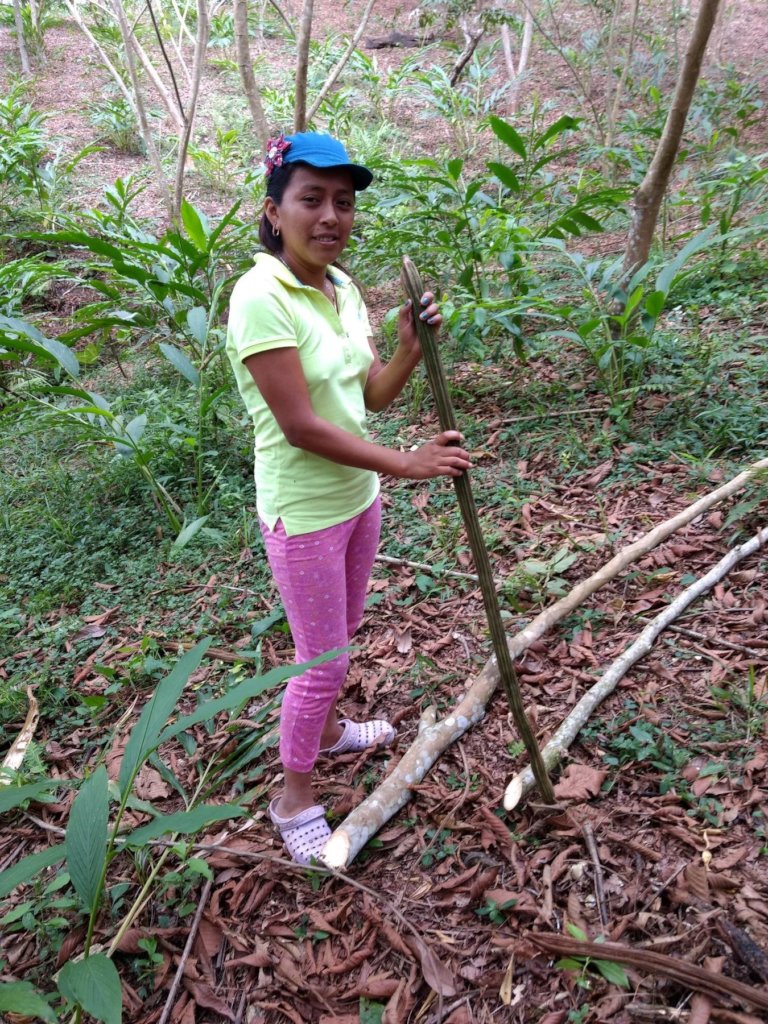
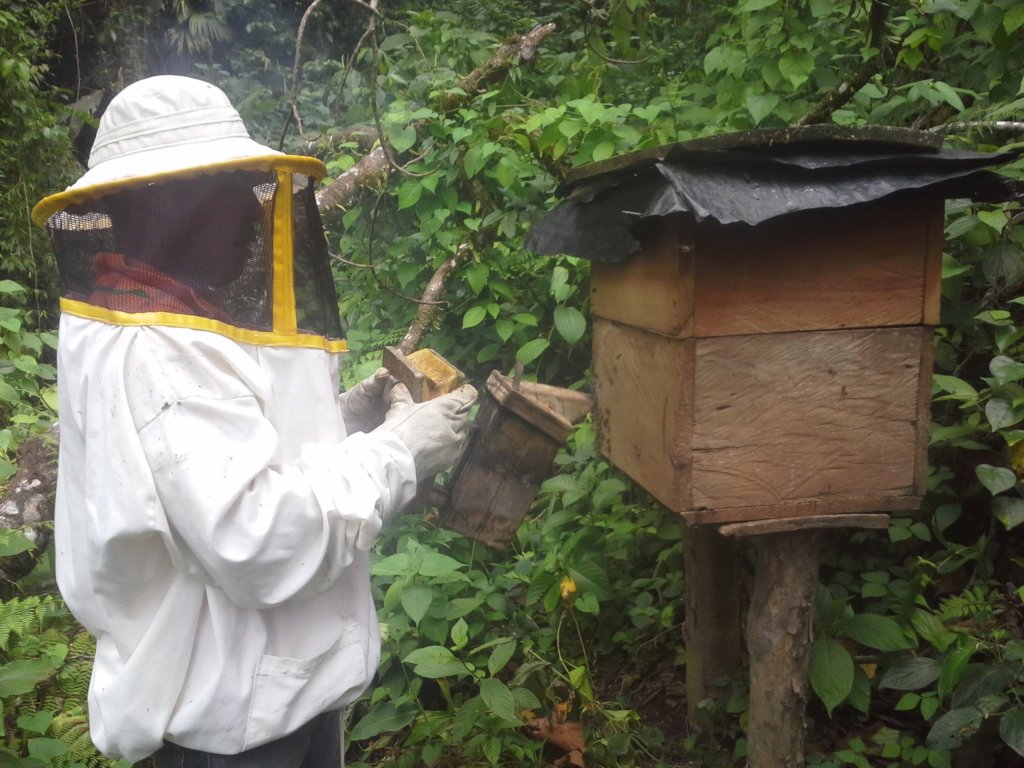
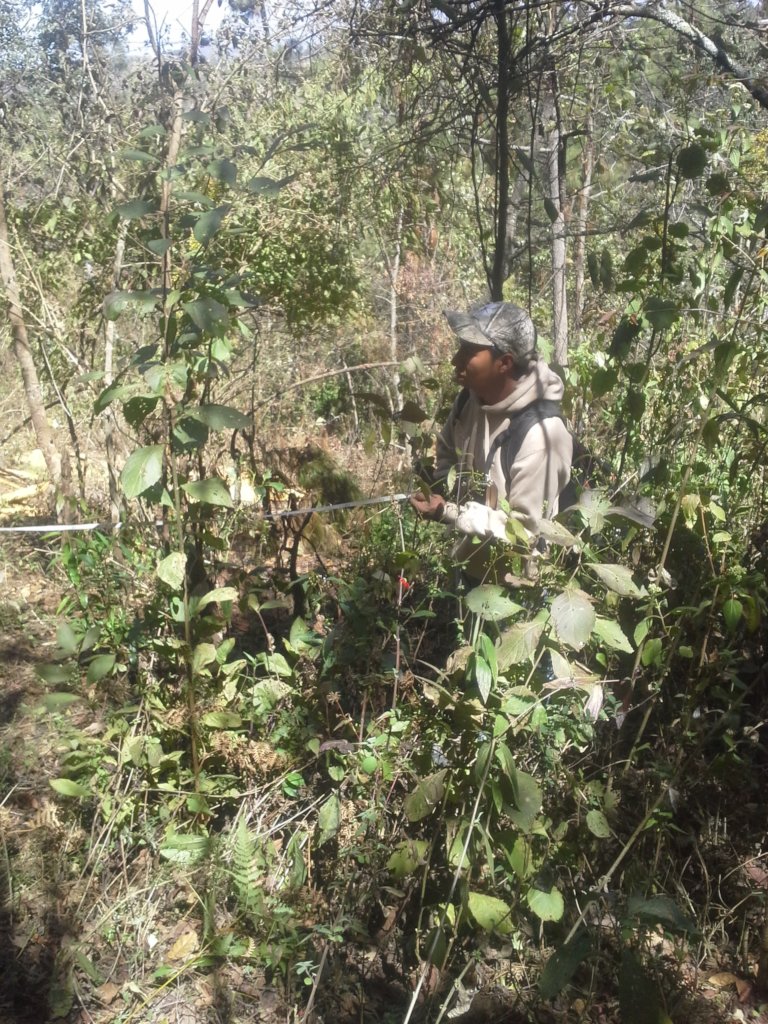
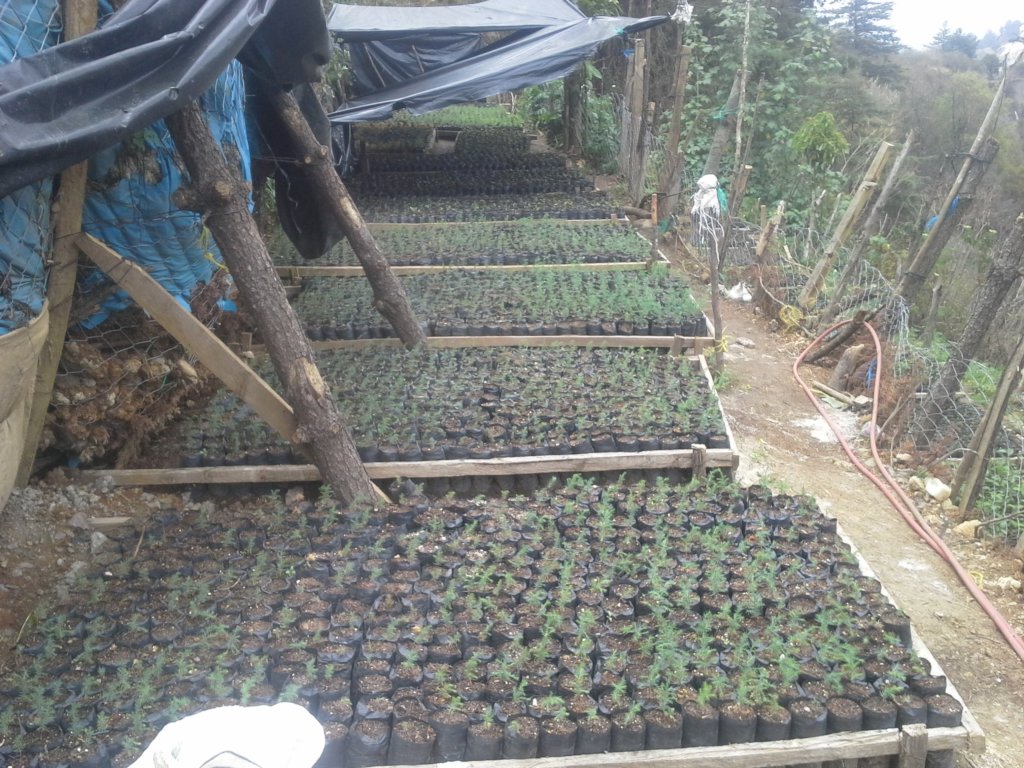
In response to farmer priorities and demand, EcoLogic field technicians have been successful in increasing interest in and uptake of agroforestry, which is a sustainable practice of growing food crops alongside trees and under the shade of trees. This approach facilitates improved community wellbeing—by enhancing food security and providing an alternative source of income—while advancing conservation objectives. The availability of alternative livelihood options that are offered through agroforestry and beekeeping programs can help incentivize the adoption of sustainable practices.
In 2017 we:
With your help, we are working to replicate and expand these efforts in 2018!
Links:
Project reports on GlobalGiving are posted directly to globalgiving.org by Project Leaders as they are completed, generally every 3-4 months. To protect the integrity of these documents, GlobalGiving does not alter them; therefore you may find some language or formatting issues.
If you donate to this project or have donated to this project, you can receive an email when this project posts a report. You can also subscribe for reports without donating.